 0473 644 098 · Mon–Fri 9am–5pm AESTHelp & FAQ


Verdelho and Verdejo – The Iberian White Wine Mix-Up That’s Easier to Solve Than You Think

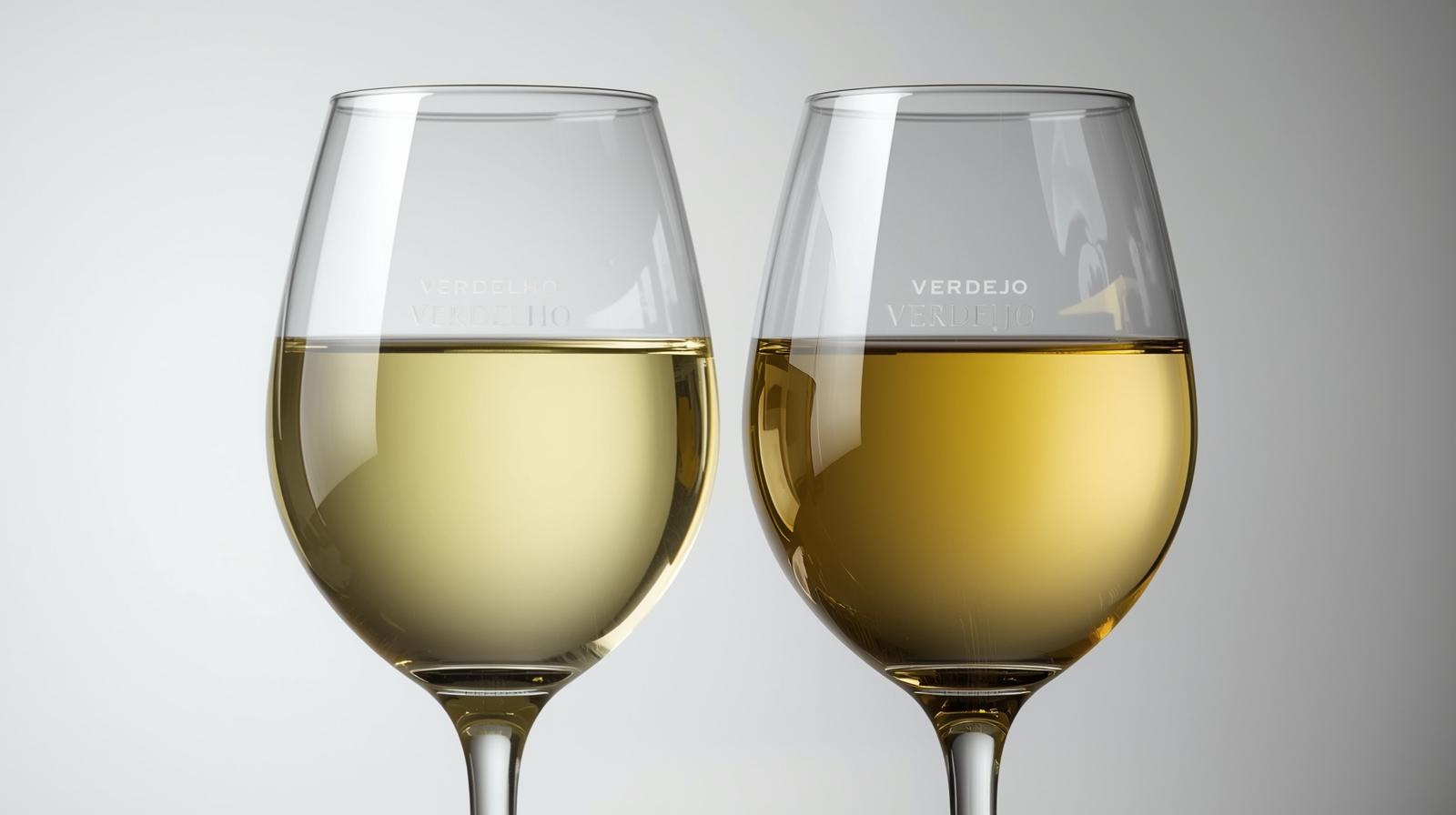
Walk into a wine shop and ask for either Verdelho or Verdejo. Watch the sommelier’s eyes. There’s a moment of hesitation, a split-second calculation, before they point you toward a shelf. The names sound identical. Both come from the Iberian Peninsula. Both produce white wines of remarkable freshness. Both are early-ripening varieties that transform cool fermentation into their greatest strength. Yet asking for one when you meant the other is like asking for a red when you actually want white. The wines exist in entirely different categories, shaped by different climates, different histories, and fundamentally different purposes.
This confusion runs so deep that even seasoned drinkers mix them up. DNA testing has suggested the grapes might not even be closely related despite their similar names. Yet the nomenclature persists, obscuring what should be an obvious distinction. Understanding the difference transforms how you select wine, how you age it, when you drink it, and what you expect to taste when the glass reaches your lips.
Two Islands, One Plateau: Where These Wines Come From
Verdelho belongs to Portugal, specifically to the Atlantic islands of Madeira and the Azores. Picture isolated volcanic islands, ocean winds, maritime tradition. This is a wine shaped by constraint. Madeira developed fortified Verdelho centuries ago because the wine needed to survive months in the hold of a merchant ship, exposed to heat and motion. Rather than viewing this as a problem, Portuguese winemakers transformed it into an art form. Modern Verdelho Madeira represents one of the world’s greatest wine achievements: complex fortified wines that can age for centuries while the acidity stays bright and the flavors deepen endlessly.
Verdejo comes from Spain’s Rueda region, located in the high interior plateau of Castilla y León in north-central Spain. No ocean here. Instead, imagine a landlocked territory sitting half a mile above sea level, where winters are brutal, springs arrive late, and summers scorch. The region experiences extreme continental climate: violent swings between seasons, intense sun, minimal rainfall, and winds that sweep disease away. Verdejo adapted to these harsh conditions, developing early ripeness and the ability to maintain high acidity despite oppressive heat.
These geographical realities explain everything that follows. Verdelho evolved to create fortified wine, engineered for stability and aging. Verdejo evolved to create fresh dry table wine, engineered for immediate pleasure and food pairing. The grapes themselves adapted to their environments, and the winemakers adapted their techniques to amplify what the grapes do naturally.
The Way They’re Made: Two Completely Different Philosophies
This is where the confusion starts to dissolve.
Verdelho exists in two distinct forms. The first is Verdelho Madeira, the fortified wine that made the grape famous. These wines go through the unique estufagem process, where the wine is intentionally heated and then aged in cool cellars for years. Young Verdelho Madeira sits in the middle of Madeira’s sweetness spectrum, somewhere between bone-dry Sercial and rich Malmsey. As it ages, something remarkable happens. The initial softness gives way to caramel, caramelized orange, crème brûlée, dried fruits, figs, coffee, and wood notes. The acidity intensifies even as honeyed richness develops. A 50-year-old bottle tastes like concentrated history: nearly black in colour, luscious, with tangy complexity balanced against sweetness.
The second form is younger and increasingly popular: unfortified, dry Verdelho table wines from Portugal’s Azores or Australia. These are fermented in stainless steel at low temperatures, producing crisp wines with citrus, stone fruit, and honeysuckle aromas. These taste nothing like their fortified cousins despite sharing the same grape.
Verdejo belongs entirely to dry table wine. The Rueda region produces some of Spain’s most distinctive white wine from this single variety (blends with Sauvignon Blanc are permitted, but Verdejo is the star). The entire identity of the wine rests on one thing: freshness.
This freshness comes from a production philosophy that borders on obsession. The grapes are harvested at night, a practice now mechanised and ritualised throughout the region. “The grapes are harvested with the only company of the stars and surrounded by a silence that only breaks the mechanical noise of the grape harvesters, a metallic lullaby that cradles the Verdejo,” according to descriptions of this nocturnal harvest. The reason is purely practical: cooler nighttime temperatures prevent oxidation and allow grapes to arrive at the winery with their acidity and aromatic compounds fully intact.
Fermentation happens in stainless steel at carefully controlled cool temperatures, typically around 16 degrees Celsius. The winemakers often skip malolactic fermentation (which softens acidity) to preserve the wine’s bright, sharp characteristics. “Long fermentations conducted at low temperatures is a surefire way of producing a fruit-driven expression of Verdejo – this is what the market generally demands,” explains wine production commentary on the modern Rueda style. This approach maximises freshness over complexity, youth over development.
 $148.00
$24.67 / bottle
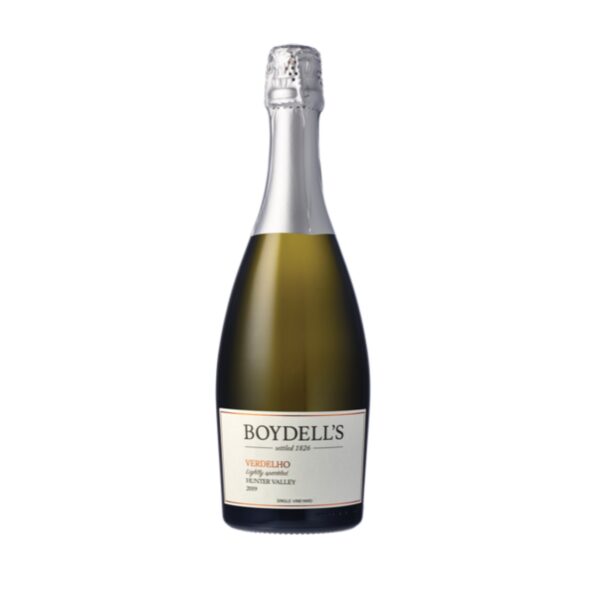
Boydell’s Sparkling Verdelho 2022 (6 Bottles) Hunter Valley
$148.00
Shipped by
Wine and Co NSW
$24.67 / bottle
 $148.00
$24.67 / bottle
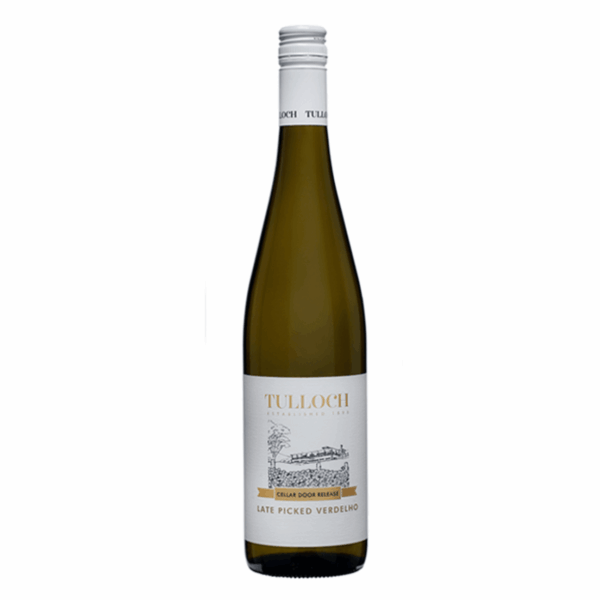
Tulloch Wines Verdelho Late Picked Cellar Door Release 2025 (6 Bottles) Hunter Valley, NSW
$148.00
Shipped by
Tulloch Wines
$24.67 / bottle
 $309.00
$25.75 / bottle
 $286.00
$47.67 / bottle
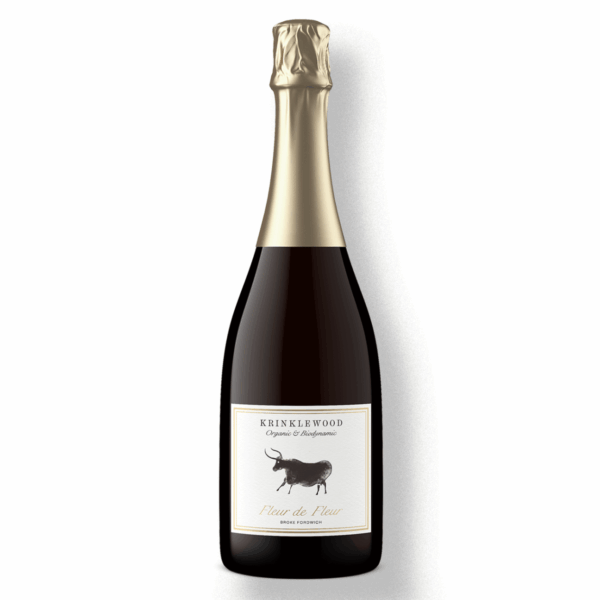
Krinklewood Fleur de Fleur 2024 (6 Bottles) Hunter Valley, NSW
$286.00
Shipped by
Krinklewood Estate
$47.67 / bottle
 $140.00
$23.33 / bottle
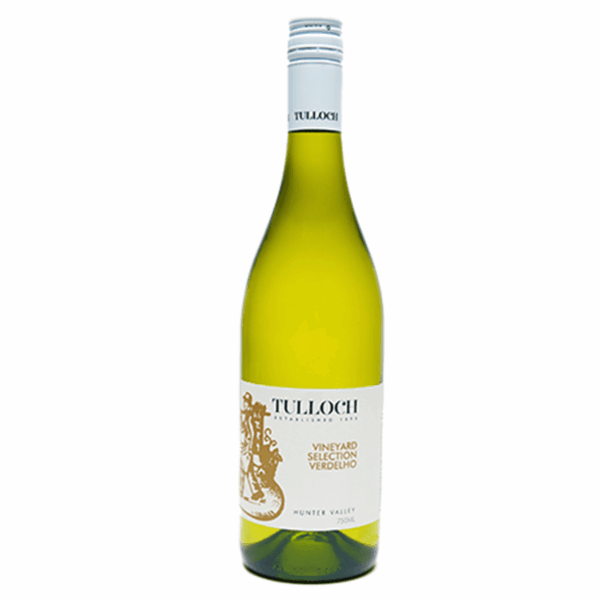
Tulloch Wines Verdelho Vineyard Selection 2025 (6 Bottles) Hunter Valley, NSW
$140.00
Shipped by
Tulloch Wines
$23.33 / bottle
 $270.00
$22.50 / bottle
Tinklers Lucerne Paddock Verdelho (12 Bottles) Pokolbin, Hunter Valley
$270.00
Shipped by
Wine and Co NSW
$22.50 / bottle
What They Actually Taste Like: A Tale of Two Whites
Open a bottle of young Verdejo and the wine hits immediately with green freshness. Not grassy or vegetal necessarily, but green as a state of being. Lime zest, grapefruit, green apple, unripe pear. White pepper and fennel add savoury notes. The acidity is pronounced, almost aggressive, creating a sensation some tasters describe as “crunchy” or “squeaky.” The finish carries a characteristic almond-pit bitterness and mouth-drying minerality. “Verdejo makes subtle-yet-stunning white wines with flavors of lime, Meyer lemon, grapefruit, grass, fennel, and citrus blossom. It’s often likened to Sauvignon Blanc but really, it deserves its own category,” according to Wine Folly’s assessment. The key distinction: Verdejo shares Sauvignon Blanc’s herbaceous edge and bright acidity, but its fennel notes carry more elegance than Sauvignon’s cut grass, and its texture is rounder, more immediately food-friendly.
Open a bottle of young, dry Verdelho and you taste something entirely different. Tropical fruit (pineapple, passion fruit, guava), stone fruits (apricot, peach), and floral notes (honeysuckle) dominate. Yes, there’s citrus, but riper citrus: grapefruit rather than lime, ripe pear rather than unripe. The acidity is present but balanced, not aggressive. The wine feels warmer on the palate, more generous. It tastes like summer refreshment rather than autumn intensity.
A Verdelho Madeira existing for 30 or 40 years is something else entirely. It tastes like concentrated honey, like wax resin, like dried citrus peel and wood smoke. The colour has deepened from pale gold to amber to nearly black. The acidity is still there but integrated with caramel sweetness in a way that defies easy description. It’s a wine that exists in a category few wines ever reach.
The Aging Question: Why One Improves and One Doesn’t
This is where Verdelho and Verdejo diverge most dramatically and where the confusion causes practical problems.
Verdejo, the dry table wine from Rueda, is best consumed young, within a year or two of the vintage date on the bottle. The wine’s entire appeal rests on vibrant acidity, fresh fruit aromas, and electric quality. As it ages in the bottle, the acidity softens, the fruit fades, and the wine becomes less interesting rather than more. A two-year-old Verdejo tastes noticeably different from a 10-year-old Verdejo, and the difference isn’t improvement.
However, certain ambitious producers have begun exploring Verdejo’s aging potential through barrel fermentation and oak contact. “As a result, these wines can be laid down for years – a relatively unexplored possibility until heralded by notable winemakers who were first to set up shop in the area,” according to wine professionals tracking this emerging category. These aged Verdejos develop textural richness and gain flavours of toasted Marcona almonds, butter-fried lemon, fennel, and honey, acquiring a golden colour and developing genuine depth. A three-to-five-year-old Verdejo from a quality-conscious producer can be remarkable. But a 20-year-old Verdejo would be disappointing, the fruit long exhausted.
Verdelho, particularly in its fortified Madeira form, exists in a different temporal universe entirely. These wines improve dramatically with age. A 10-year-old Verdelho Madeira is more interesting than a five-year-old. A 30-year-old is a revelation. A 100-year-old bottle, properly stored, can still be drinking beautifully, the acidity preserved by the wine’s alcohol and complexity deepening relentlessly. The estufagem process and the cool cellars of great Madeira houses create conditions where the wine evolves rather than declines.
Unfortified Verdelho table wines, stored cool and protected from light, can age for 5 to 10 years, developing increasing complexity and minerality while maintaining their fresh structure.
When To Actually Drink These Wines
Verdejo should be purchased young, stored cool, and consumed within a year or two of the vintage date. The wine reaches its peak immediately upon release and maintains that peak for a limited window. This isn’t a weakness but rather the wine’s essential character: it’s engineered for freshness. The exception involves aged Verdejo from quality producers using barrel fermentation and oak contact. These can benefit from three to five years of bottle age, developing that almond and honey character that rewards patience.
Verdelho fortified as Madeira improves with age. These wines are engineered to develop over decades. A bottle from the 1980s will taste better than a bottle from 2015 made in the same style. The complexity, the balance, the subtle integration of heat and time, these arrive only through patient aging. For dry table-wine Verdelho from Australia or Portugal, consumption depends on the winemaking style. Cool-fermented examples are best consumed young. Oak-aged examples might benefit from a few years of bottle development.
Verdelho in Australia: How The Same Grape Tastes Completely Different
Verdelho found an unexpected home in Australia, particularly in Western Australia, South Australia, and New South Wales. Australian Verdelho differs noticeably from its Portuguese or Azorean ancestors, shaped by different soil, different sun, and different vineyard practices.
Western Australian Verdelho tends toward honeysuckle and lime-cordial characters, fresh and floral. South Australian versions lean tropical, showing pineapple, passionfruit, and guava. New South Wales Verdelho develops spicy character, with pear and white pepper notes. All Australian Verdelho maintains the grape’s inherent high acidity and food-friendliness, yet the specific regional expression differs substantially from place to place. None of these styles resemble Verdelho Madeira, underscoring the remarkable versatility of the grape depending on terroir and winemaking choices.
How This Actually Helps You Buy Wine
Understanding the difference between Verdelho and Verdejo shapes real purchasing and pairing decisions.
If you’re seeking a wine for immediate consumption, for food pairing, for casual entertaining without breaking the bank, young Verdejo from Rueda is exceptional value. It’s food-friendly, distinctive, and significantly less expensive than comparable quality Sauvignon Blanc or other premium white wines. The high acidity cuts through rich foods beautifully.
If you’re seeking a fortified wine for cellaring, for special occasions, for contemplative sipping over a quiet evening, Verdelho Madeira is a category unto itself. No other fortified wine combines complexity, aging potential, and sheer drinkability quite like great Madeira. Port is more famous. Sherry occupies more shelf space. But Verdelho Madeira, particularly from producers like D’Oliveira, represents one of the world’s greatest wine achievements.
If you’re seeking an unfortified Verdelho table wine, particularly from Australia, you’re looking for something fresh and food-friendly that splits the difference between Sauvignon Blanc and Chardonnay in both character and price.
 Aglianico
 Barbaresco
 Barbera
 Beaujolais
 Blaufrankisch
 Bourgogne
 Burgundy
 Cabernet
 Cabernet Franc
 Cabernet Malbec
 Cabernet Merlot
 Cabernet Sauvignon
 Cabernet Sauvignon Merlot
 Cabernet Sauvignon Shiraz
 Carignan
 Chateauneuf du Pape
 Chianti
 Cinsault
 Corvina
 Dolcetto
 Gamay
Gamay Gamay Noir
 Grenache
 Lagrein
 Malbec
 Mataro
 Mencia
 Merlot
 Monastrell
 Montepulciano
 Mourvèdre
 Nebbiolo
 Nero D’Avola
 Pinot
Pinot Pinot Meunier
 Pinot Nero
 Pinot Noir
 Primitivo
 Red Wine Blend
 Rosso
Rosso Rouge
Rouge Sangiovese
 Saperavi
 Shiraz
 Shiraz Cabernet
 Shiraz Malbec
 Shiraz Mataro
 Shiraz Tempranillo
 Shiraz Viognier
 Syrah
Syrah Tempranillo
 Touriga
 Zweigelt
 Albariño
 Arneis
 Blanc
Blanc Botrytis
 Chablis
 Chardonnay
 Chenin Blanc
 Clairette
 Fiano
Fiano Friulano
 Garganega
 Gewurztraminer
 Grenache Blanc
 Grùner Veltliner
 Muscadet
 Pinot Grigio
 Pinot Gris
 Riesling
 Roussanne
 Sauvignon Blanc
 Sauvignon Blanc Semillon
 Savagnin
 Semillon
 Semillon Sauvignon Blanc
 Sweet Semillon
 Verdelho
 Vermentino
 Viognier
 Vouvray
 Grenache Rosé
 Mataro Rosé
 Rosato
 Sangiovese Rosé
 Tempranillo Rosé
 Blanc de Blanc
 Brut
Brut Brut Cuvee
 Champagne
 Methode Traditionelle
 Pet Nat
 Prosecco
 Sparkling Chardonnay
 Sparkling Chardonnay Pinot Noir
 Sparkling Cuvee
 Sparkling Red
 Sparkling Pinot Noir
 Sparkling Riesling
 Sparkling Rosé
 Cuvée Rosé
 Sparkling Pinot Rosé
 Sparkling Shiraz
 Moscato
 Muscat
 Topaque
 Port
Port Tawny Port
 Sherry
 Tawny
Tawny Vermouth
 Gin
Gin