 0473 644 098 · Mon–Fri 9am–5pm AESTHelp & FAQ


Rosé and Cheese – Why This Pairing Works So Much Better Than Anyone Admits

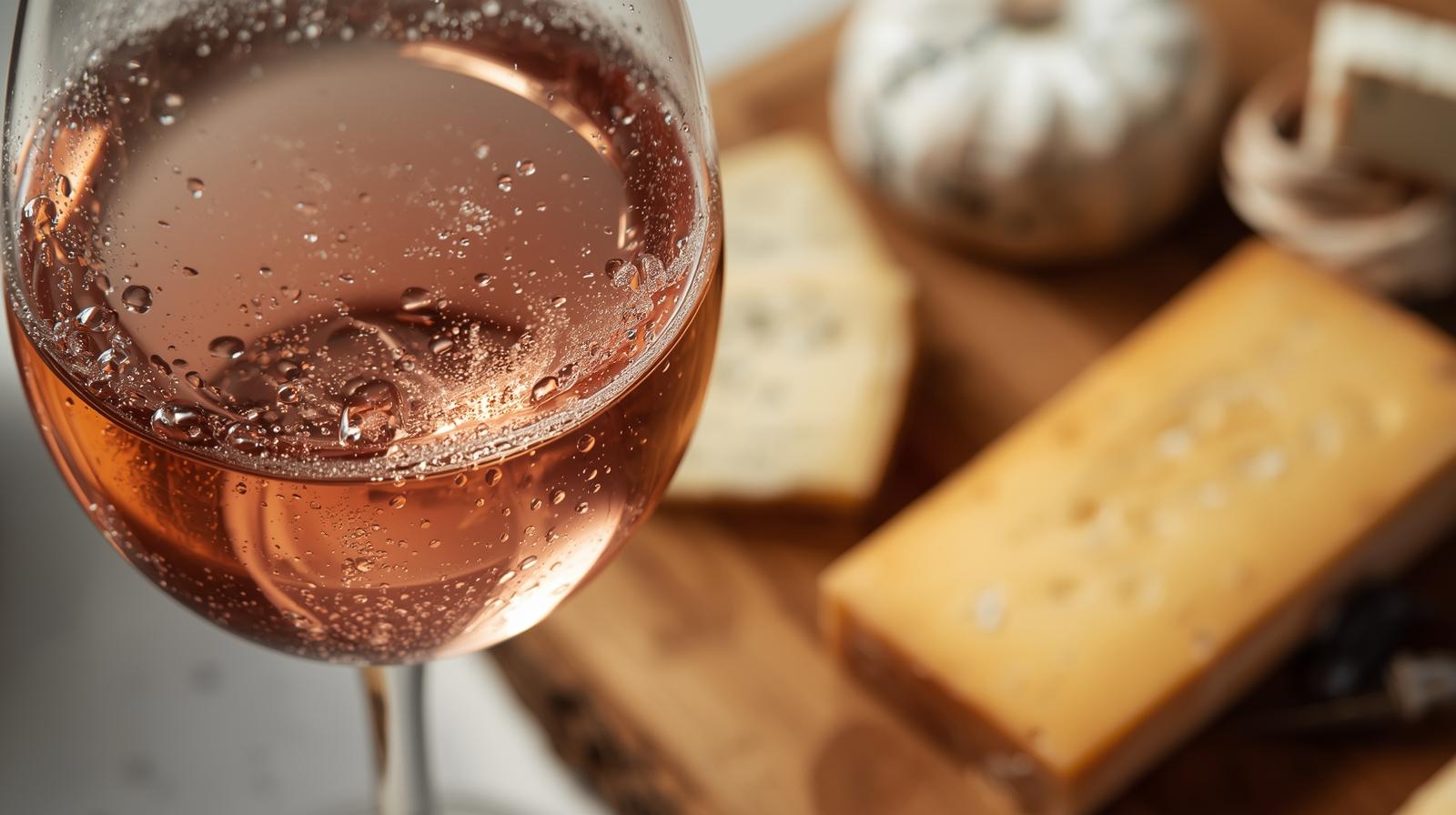
Most people don’t think strategically about rosé and cheese together. They reach for a bottle at a picnic, pour it alongside whatever’s on the board, and call it a day. Yet this casual approach obscures something genuinely elegant: rosé may actually be the most forgiving and versatile wine for cheese pairings in the entire cellar. The reason isn’t marketing. It’s structural.
Red wine gets all the attention when the conversation turns to cheese. Tannins, people say. Body. Complexity. Yet this logic crumbles the moment you taste a Cabernet Sauvignon alongside Brie and experience the wine’s harsh, metallic edges. Rosé, by contrast, glides across cheese with an almost unsettling grace. It cuts through fat without aggression. It brightens without overwhelming. It’s the wine that makes you wonder why you ever fought so hard to pair cheese with anything else.
Understanding why requires forgetting everything you thought you knew about wine rules and instead paying attention to what actually happens in your mouth.
The Accident of Chemistry: Why Rosé’s Hybrid Nature Became Its Greatest Asset
Rosé exists in a genuinely strange place in the wine world. It’s made from dark-skinned grapes (Grenache, Cinsault, Syrah, Mourvèdre) varieties that normally produce red wine. But the skins stay in contact with the juice for only a few hours or days, never the weeks required for red wine. The result is a wine that’s neither red nor white but something else entirely: bright acidity like white wine, subtle tannin structure like red wine, all wrapped in a pale pink package.
This hybrid architecture is precisely what makes rosé transcendent with cheese. Red wines fail with cheese because their aggressive tannins coat the palate, and when those tannins meet the proteins and fats in cheese, they create an unpleasant metallic sensation. Rosé avoids this problem altogether. Its tannins are barely present, just enough to provide structure, not enough to interfere. Meanwhile, its acidity does the real work: it cuts through dairy fat, cleansing the palate between bites and preventing your taste receptors from becoming overwhelmed by richness.
The chemistry is straightforward. “I think one reason wine is so delicious with cheese, why we turn to wine with cheese is because cheese is fat,” explains Janet Fletcher, James Beard-winning cheese educator and publisher of Planet Cheese. Cheese is fatty. Fatty foods require acidity to achieve balance. Wine acidity dissolves the fat coating your palate, essentially resetting your mouth between tastes. Without sufficient acidity, you experience palate fatigue and stop tasting properly.
“I always think about balancing fat and acid when pairing food and wine, and this is particularly key when pairing wine with something creamy and fatty like cheese,” notes Melanie Brown, sommelier at Specialist Cellars and The Laundry restaurant. This is why acidic wines (white wines, dry rosés, properly dry Champagnes) universally outperform low-acid wines with cheese. It’s not subjective. It’s biochemistry.
Not All Rosé Is The Same: Geography Actually Matters
Here’s where the pairing conversation becomes useful rather than generic. The pale pink Provence rosés that dominate conversations about the category are only part of the picture.
Provence rosé remains the gold standard for most cheese pairings. Made from Grenache, Cinsault, and Syrah, these wines are harvested early to preserve acidity, pressed gently to achieve their signature pale colour, and fermented cool to maintain delicate aromatics. The result tastes like strawberry, watermelon, citrus, and minerals. It’s crisp, dry, refreshing, and the most versatile bottle you can bring to a cheese board. Light goat cheeses, soft Camembert, fresh mozzarella, young Brie (these cheeses practically gravitate toward Provence rosé).
Bandol rosé represents the opposite end of the spectrum entirely. Made from Mourvèdre, a late-ripening variety with thick skins and serious concentration, Bandol rosés can age for a decade, developing remarkable complexity in the bottle. Grapefruit rind, apricot, honeysuckle, limestone minerality, and tart red berries emerge from proper bottle age. These aren’t pale pink refreshment vehicles. They’re serious wines that demand serious cheeses (aged Gouda, Manchego, Comté, hard Alpine varieties capable of standing up to the wine’s concentration).
Between these poles sit countless regional variations. Tavel rosés from the Rhône are darker and fruitier than Provence versions. Spanish Rosados bring peppery spice and darker fruit. Australian rosés, increasingly produced in Adelaide Hills and Margaret River, show brighter acidity and more tropical fruit character than European counterparts. Each variation changes the pairing possibilities fundamentally.
The Practical Architecture: Matching Wine Weight to Cheese Character
The cardinal rule underlying successful rosé-and-cheese pairings is straightforward: match the wine’s intensity to the cheese’s weight.
Light, delicate Provence rosés pair beautifully with fresh, creamy cheeses. The wine’s brightness doesn’t overwhelm the cheese’s subtle flavours. Instead, it complements them. Think of Provence rosé with fresh burrata: the wine’s strawberry notes and floral aromatics enhance the cheese’s milky sweetness, while the acidity cuts through cream, preventing palate fatigue. The combination feels almost weightless (precisely the effect you want on a warm summer afternoon).
According to Murray’s Cheese, New York’s leading cheese retailer and education centre, “Young chèvres like Coupole and bloomy rinds like Moses Sleeper for lighter rosé. A darker, fruitier rosé can stand up to a heavier cheese like nutty Pecorino Oro Antico.” This guidance reflects years of tastings and customer feedback, distilling the pairing principles into actionable recommendations.
Fresh goat cheese represents perhaps the most forgiving pairing across all rosé styles. The cheese’s natural acidity mirrors the wine’s, creating a conversation between two acidic elements rather than a confrontation. The tangy, slightly mineral notes in young chèvre harmonise with rosé’s citrus and herbal characteristics. “New Zealand Sauvignon is one of the world’s most iconic wines, and it’s particularly well known for its fresh acid structure and wonderful citrus fruit characteristics. You can match that with a creamy, soft goat’s cheese, and it really lifts the aromatics,” explains Melanie Brown, though her point about acid structure applies equally to quality rosé.
Salt content in cheese tilts the favour toward rosé. Salty cheeses activate the wine’s natural salinity, often derived from the region where it’s produced. This connection explains the particular elegance of Provence rosé with salty aged goat cheeses or even Feta: the salinity in both elements creates a bridge rather than a clash.
 $21.17
/ bottle
$127.00 for a case of 6
$21.17
/ bottle
$127.00 for a case of 6
 $17.42
/ bottle
$209.00 for a case of 12
$17.42
/ bottle
$209.00 for a case of 12
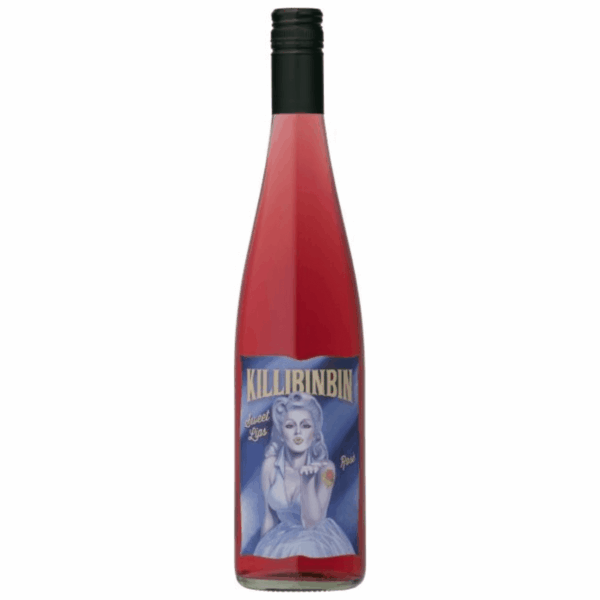
Killibinbin Sweet Lips Rosé
Shipped by
Oatley Fine Wine Merchants
$17.42
/ bottle
$209.00 for a case of 12

 $22.33
/ bottle
$268.00 for a case of 12
$22.33
/ bottle
$268.00 for a case of 12
 $27.67
/ bottle
$166.00 for a case of 6
$27.67
/ bottle
$166.00 for a case of 6
Collector Wines Shoreline Sangiovese Rosé
Shipped by
Wines Australia
$27.67
/ bottle
$166.00 for a case of 6
 $450
off RRP
-75% Hot
$450
off RRP
-75% Hot
 $50.00
$12.50
/ bottle
$150.00 for a case of 12
$50.00
$12.50
/ bottle
$150.00 for a case of 12
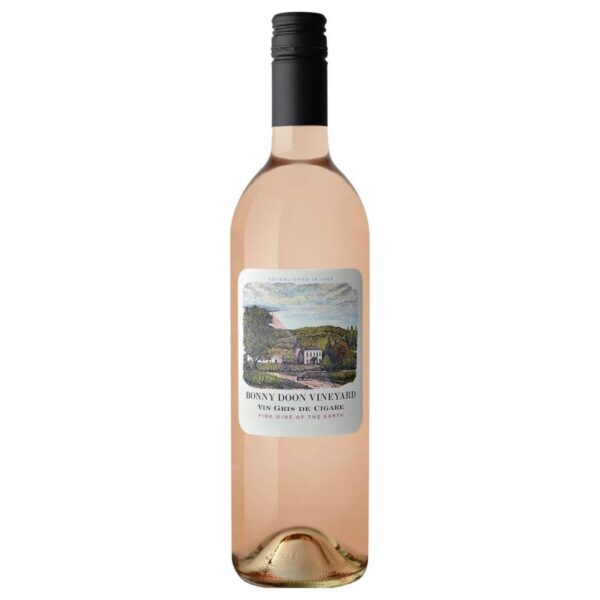
Bonny Doon “Vin Gris de Cigare” Rosé
Shipped by
Wines By Cellars
$50.00
$12.50
/ bottle
$150.00 for a case of 12
 $16.67
/ bottle
$100.00 for a case of 6
$16.67
/ bottle
$100.00 for a case of 6
 $20.83
/ bottle
$250.00 for a case of 12
$20.83
/ bottle
$250.00 for a case of 12
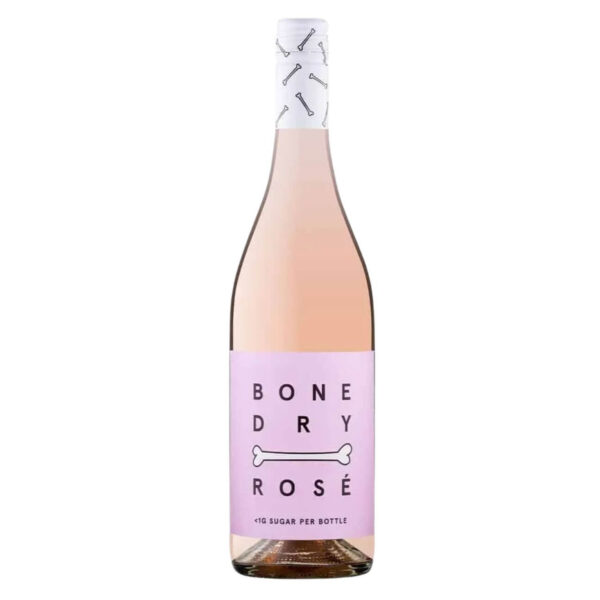
Tumblong Hills Table of Plenty Nebbiolo Rosé
Shipped by
Wine Cellars
$20.83
/ bottle
$250.00 for a case of 12
 $23.83
/ bottle
$286.00 for a case of 12
$23.83
/ bottle
$286.00 for a case of 12
 $30.17
/ bottle
$181.00 for a case of 6
$30.17
/ bottle
$181.00 for a case of 6
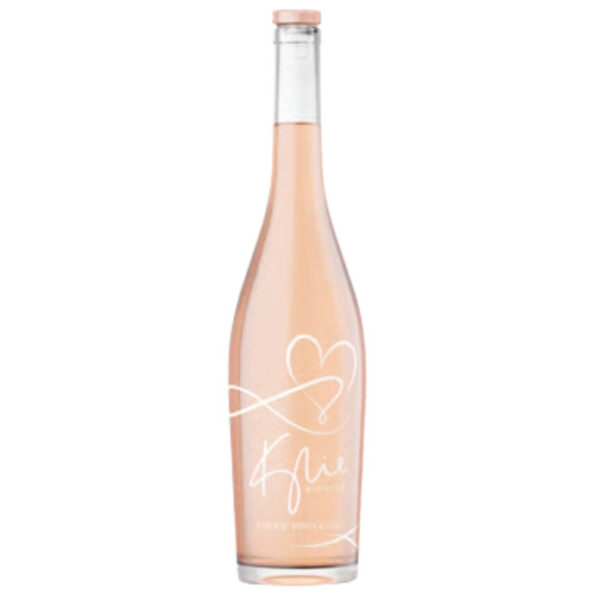
Kylie Minogue Vin de Provence Rosé
Shipped by
Oatley Fine Wine Merchants
$30.17
/ bottle
$181.00 for a case of 6
 $24.33
/ bottle
$146.00 for a case of 6
$24.33
/ bottle
$146.00 for a case of 6


 $57.00
/ bottle
$342.00 for a case of 6
$57.00
/ bottle
$342.00 for a case of 6
 $24.17
/ bottle
$145.00 for a case of 6
$24.17
/ bottle
$145.00 for a case of 6
 127 pts
 The Power Dynamic: Why Cheese Often Wins
An underappreciated truth about cheese-and-wine pairings is that cheese typically dominates. “I find that the cheese is the more powerful in that duo. And so, it’s more common I find that the cheese harms the wine than the other way around. So, I’m trying to protect the wine,” explains Janet Fletcher during a tasting session exploring these dynamics.
This power imbalance explains why rosé succeeds where many red wines fail. A delicate Pinot Noir can be utterly obliterated by a pungent washed-rind cheese. A light Beaujolais disappears against aged Gouda. But rosé’s acidity and structural balance allow it to hold its own without requiring the aggressive tannin structure that makes many reds clash with cheese in the first place.
The key becomes selecting cheeses that enhance rather than destroy the wine. With light Provence rosé, this means avoiding intensely pungent washed-rind cheeses like Époisses or aggressive blue cheeses like Roquefort. These cheeses require wines with more weight and structure. But with a darker, more concentrated rosé like Bandol, suddenly those more assertive cheeses become viable. The wine’s structure provides genuine counterpoint rather than being overwhelmed.
When Geography Aligns: The Terroir Argument
An elegant principle underlies the best rosé-and-cheese combinations: products from the same region harmonise beautifully. This isn’t mysticism. It’s practical reality. Grapes and milk are influenced by identical terroir factors (soil, climate, water, altitude). The acidic profiles, mineral characters, and stylistic conventions that define a region’s wines often parallel those defining its cheeses.
Pairing a Côtes de Provence rosé with fresh Provençal goat cheese isn’t merely convenient. It’s logical. The wines and cheeses evolved together, shaped by the same limestone soils, the same Mediterranean climate, the same cultural traditions. They’re supposed to work together.
Seasonality reinforces this logic. Spring brings young goat cheeses to market precisely when fresh, newly bottled Provence rosés are arriving at wine shops. Summer calls for soft, washed-rind cheeses with bloomy rinds (the very category that rosé addresses most elegantly). Autumn and winter shift toward aged cheeses with greater intensity and complexity, at which point you either gravitate toward more structured rosés like Bandol or return to established pairings with still wines.
Building a Cheese Board Around Rosé: Three Approaches
The Light Rosé Strategy involves selecting a pale pink Provence rosé and building around fresh, young cheeses. Burrata, fresh mozzarella, chèvre, Camembert, Brie, and similarly soft, creamy varieties all perform beautifully. The wine’s brightness doesn’t threaten these cheeses’ delicate textures; instead, it enhances them. Add fresh bread, cured meats, and ripe berries. This approach is straightforward, endlessly refreshing, and the default choice for entertaining without stress.
The Intensity-Matching Strategy involves selecting the wine first, then matching cheeses to its weight. A full-bodied Bandol or Spanish Rosado demands cheeses capable of standing up to its concentration. Aged Gouda, Manchego, Comté, or hard Alpine cheeses provide the necessary intensity. This approach requires more thought but rewards genuine attention to the interaction between elements.
The Regional Strategy involves selecting products from a specific wine region. Provence rosé with Provençal goat cheese. Spanish Rosado with Spanish cheese. Corsican rosé with Corsican sheep’s cheese. This approach removes guesswork and aligns with the proven principle that terroir creates natural affinity.
The Freedom to Experiment: What Experts Actually Recommend
Importantly, the most respected voices in cheese and wine pairing resist prescriptive advice. “I believe that we often look for the single best pairing partners for cheese: wines, beers, other foods and beverages. When instead I would like to invite people to enjoy cheese without relying on other people’s recommendations or mandates for the ideal successes in pairing partners,” explains Max McCalman, America’s first restaurant-based Maître Fromager and one of the country’s foremost cheese authorities.
This philosophy extends to rosé-and-cheese pairing. While certain combinations work reliably, experimentation and personal preference ultimately matter more than formulaic advice. Eric Asimov, the New York Times wine critic, puts it bluntly: “With wine and food, rules are made to be broken.” His broader point about wine pairing applies perfectly to rosé and cheese: “Most food and wine pairings are not perfect. But even if a bottle and a dish do not meld synergistically, they can still enhance one another.”
The goal isn’t perfection. It’s pleasure. And even when a pairing doesn’t create transcendent harmony, you’re still left with good wine and good cheese. That’s hardly a failure.
Australian Rosé Meets Australian Cheese
Australian winemakers increasingly craft serious rosés in regions like Adelaide Hills, Margaret River, and the Barossa. These wines typically exhibit brighter acidity and more tropical fruit character than Provence examples, reflecting cooler vintage conditions and earlier picking protocols. Paired with Australian cheeses, they create compelling local alternatives to European combinations.
Australian cheese production has similarly evolved dramatically. Boutique operations throughout Tasmania, Victoria, South Australia, and Western Australia now produce cheeses of genuine distinction: aged goat cheeses rivalling French examples, Alpine-style cheeses reflecting cool-climate milk’s particular characteristics, and innovative creations drawing on both tradition and experimentation. Pairing these cheeses with local rosés creates a compelling argument for supporting Australian producers across both categories.
 Shiraz
 Cabernet Sauvignon
 Pinot Noir
 Grenache
 Merlot
 Red Wine Blends
 Chardonnay
 Riesling
 Pinot Gris
 Semillon
 Viognier
 Grenache Rosé
 Pinot Noir Rosé
 Shiraz Rosé
 Sangiovese Rosé
 Aglianico Rosé
 Clairette Rose
 Champagne
 Prosecco
 Sparkling Shiraz
 Blanc de Blanc
 Blanc de Noir
 Pet Nat
 Moscato
 Topaque
 Port
Port Sherry (dry & sweet)
 Muscat & Tokay
 Vermouth