 0473 644 098 · Mon–Fri 9am–5pm AESTHelp & FAQ


Canadian Wine Lovers Turn to Australia: How Premium, Regional Aussie Wines Are Surging in the Canadian Market


Australian wine is quietly having a moment in Canada. While global demand for Aussie bottles has softened overall, Canada is heading in the opposite direction, with imports of Australian wine jumping sharply in both value and volume over the past year. That makes this one of the most important “good news” stories for Australian producers right now.
Australian wine exports to Canada: what the new numbers show
Recent export data from Wine Australia shows that in the 12 months to March 2026, Australian wine exports to Canada rose 24 per cent in value to about $188 million and 15 per cent in volume to roughly 69 million litres. At the same time, the number of Australian producers active in the market climbed to around 220, indicating that this is not just one or two big brands expanding but a broadening of the exporter base.
This growth is striking because it comes against a difficult global backdrop. Over the same period, Australian wine exports worldwide fell 14 per cent in value and 7 per cent in volume, with key markets such as China, the UK and the US all in decline as consumers drink less and trade down. Canada, by contrast, has become a rare bright spot: not only are shipments increasing, but the average price per litre has also edged higher, which suggests a tilt toward more premium, regionally distinctive wines rather than bulk.
Why Canadian demand for Australian wine is rising
Several factors sit behind this Canadian upswing, and one of the most important is trade policy. In early 2025, the United States imposed 25 per cent tariffs on a range of Canadian goods, prompting Canada to retaliate with its own 25 per cent tariffs on US wine and other alcoholic drinks. Provincial liquor boards in major provinces then went further, removing many US wines from their government-run shelves, effectively creating gaps where American labels used to sit.
Wine Australia’s market bulletins note that this shift opened space for domestic Canadian producers but also for exporters from countries such as Australia to step in. South Australian trade figures show how quickly that opportunity was seized: within five months of the tariff changes and a focused promotional campaign in Ontario’s LCBO stores, South Australian wine sales in Canada rose by more than 15 per cent, adding $6.4 million in revenue, with Australian wines capturing most of the US category’s lost share.
Beyond tariffs, Canada is structurally an import-heavy wine market. Around three-quarters of the red and nearly two-thirds of the white wine sold in Canada is imported, and the domestic industry is too small to satisfy total demand. That makes Canada naturally receptive to strong, recognisable import brands, especially when they offer consistent quality and good value, something Australian producers have long been known for.
Featured Wines
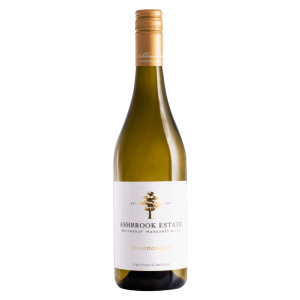
Ashbrook Margaret River Chardonnay 2025 (12 Bottles) Wilyabrup, WA
Add to Cart
$37.00
/ bottle
$444.00 for a case of 12

Ben Murray Barossa Shiraz 2023 (6 Bottles) Barossa Valley, SA
Add to Cart
$44.00
/ bottle
$264.00 for a case of 6
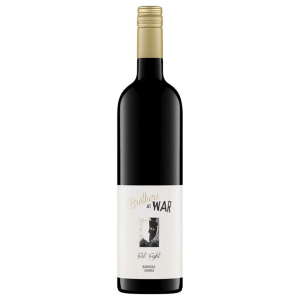
Brothers at War Fist Fight Barossa Shiraz 2024 (6 Bottles) Barossa Valley, SA
Add to Cart
$39.00
/ bottle
$234.00 for a case of 6
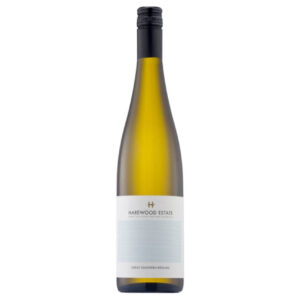
Harewood Estate Great Southern Riesling 2025 (12 Bottles) Great Southern, WA
Add to Cart
$19.42
/ bottle
$233.00 for a case of 12
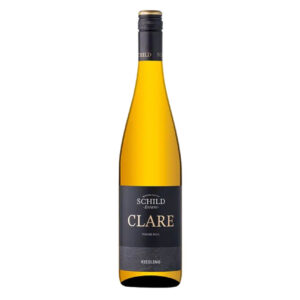
Schild Estate Clare Valley Riesling 2024 (12 Bottles) Barossa Valley, SA
Add to Cart
$22.00
/ bottle
$264.00 for a case of 12
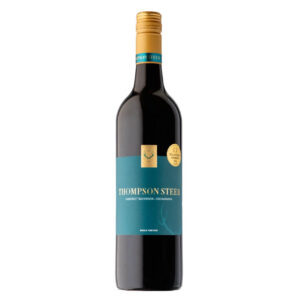
Thompson Steer Coonawarra Cabernet Sauvignon 2020 (6 Bottles) Coonawarra, SA
Add to Cart
$80.00
$60.00
/ bottle
$360.00 for a case of 6
What types of wine Canadians are drinking more of
Red wine remains the dominant choice for Canadian consumers, accounting for close to 60–68 per cent of total wine consumption depending on the source. Within that, Cabernet Sauvignon is the single most popular grape, but Shiraz (Syrah) sits alongside it as one of the key imported red varieties, exactly where Australian strengths lie. Blended reds are also significant, which again suits Australia’s deep bench of GSM and Cabernet–Shiraz blends. For those wanting to see why this wine sits on such a high percentage, browse our Cabernet Sauvignon range.
On the white side, Pinot Gris/Grigio, Chardonnay and Sauvignon Blanc are the main drivers, with each showing steady growth, and there is emerging interest in aromatic whites more generally. Canada is already one of the strongest export markets for Australian premium white wines, and it is now the number one market for Australian white wine overall, which means Clare and Eden Valley Riesling, Hunter Valley Semillon and cool‑climate Chardonnay are increasingly part of the conversation.
At the same time, sparkling wines and rosé are seeing some of the fastest growth, particularly among younger drinkers who associate them with a modern, social, aspirational lifestyle. Australian producers with serious sparkling programs or dry, pale rosé – especially from regions like Tasmania, Adelaide Hills and Yarra Valley – are therefore well positioned.
Premium and regional Australian wines in the Canadian market
Perhaps the most encouraging trend for Australian producers is Canada’s growing appetite for premium, regionally distinct wines. Market reports show that premium wines (typically defined as mid‑to‑higher price tiers) already account for about one-third of the Canadian wine market and are projected to reach 37 per cent by 2026, growing roughly 2 per cent per year. That shift is particularly pronounced in urban centres, where consumers are keen to trade up for perceived quality, authenticity and sustainability.
Wine Australia notes that Canadian importers and monopoly buyers are specifically looking for wines that “tell a regional story” – Barossa Shiraz rather than generic “Australian red,” Clare Valley or Great Southern Riesling rather than anonymous white. Recent buyer tours organised by Wine Australia have brought senior LCBO and SAQ staff to regions such as Barossa, McLaren Vale, Margaret River and Tasmania to taste in situ and deepen their understanding of subregions, varieties and producers. That kind of deep engagement normally precedes more targeted listings on provincial shelves.
In practice, this means Canadian shelves are increasingly dotted with labels that highlight both varietal and origin: Barossa Valley Shiraz, Coonawarra Cabernet, Clare Valley Riesling, Margaret River Chardonnay, cooler‑climate Pinot Noir from Yarra Valley or Tasmania, and even alternative varieties like Fiano and Tempranillo from warmer Australian regions. For Canadian consumers, this replaces the old stereotype of “big, heavy Aussie red” with a more nuanced map of styles and price points.
How Canadian buying behaviour has changed since COVID
COVID‑19 also reshaped how Canadians buy and consume wine, in ways that ended up favouring established import categories like Australia. During 2020, as restaurants and tasting rooms were restricted, wine sales through provincial liquor boards rebounded strongly and off‑trade retail became the main channel. Wine Australia’s analysis shows that Australian wine sales through these retail channels rose despite earlier declines, and that the growth spanned multiple price points, not just entry level.
Since then, Canadian consumers have become much more comfortable with online ordering, click‑and‑collect and direct‑to‑consumer club models where provincial rules allow. This matters for Australian producers, because it allows niche, premium and limited‑release wines to find their audience without relying solely on brick‑and‑mortar shelf space. It also makes it easier for importers to tell the stories behind regionally distinctive Australian wines through digital content, virtual tastings and mixed discovery packs.
Why this momentum in Canada is good news for Australian producers
Taken together, these threads – tariffs reshaping shelf space, a premiumising consumer base, and a taste for reds and aromatic whites – explain why Canada has emerged as one of the very few genuine growth stories for Australian wine exports. Importantly, the growth is not only about selling more volume; average prices are rising and there is clear evidence that Canadian buyers are seeking more premium, sustainable and story‑driven wines.
For Australian producers, this offers several opportunities:
-
To pivot away from oversupplied, price‑squeezed markets and invest in a country where consumers are still willing to pay for quality.
-
To highlight regional signatures – Barossa and McLaren Vale for Shiraz, Coonawarra for Cabernet, Clare and Eden for Riesling, Margaret River for Cabernet and Chardonnay, Tasmania and Adelaide Hills for sparkling and Pinot.
-
To experiment with lower‑alcohol, organic and sustainable bottlings that align with Canadian interest in environmentally conscious, “better for you” wines.
All of this sits in sharp contrast to China, the UK and the US, where volume declines and trading down have made life much harder for Australian exporters. In that sense, Canada is not just another market; it is a crucial part of how Australian wine can rebalance its global footprint toward places where premium, regionally expressive styles still have room to grow.












 Shiraz
 Cabernet Sauvignon
 Pinot Noir
 Grenache
 Merlot
 Red Wine Blends
 Chardonnay
 Riesling
 Pinot Gris
 Semillon
 Viognier
 Grenache Rosé
 Pinot Noir Rosé
 Shiraz Rosé
 Sangiovese Rosé
 Aglianico Rosé
 Clairette Rose
 Champagne
 Prosecco
 Sparkling Shiraz
 Blanc de Blanc
 Blanc de Noir
 Pet Nat
 Moscato
 Topaque
 Port
Port Sherry (dry & sweet)
 Muscat & Tokay
 Vermouth