 0473 644 098 · Mon–Fri 9am–5pm AESTHelp & FAQ


How Climate, Soil, Oak and Grape Variety Change the Taste of Wine

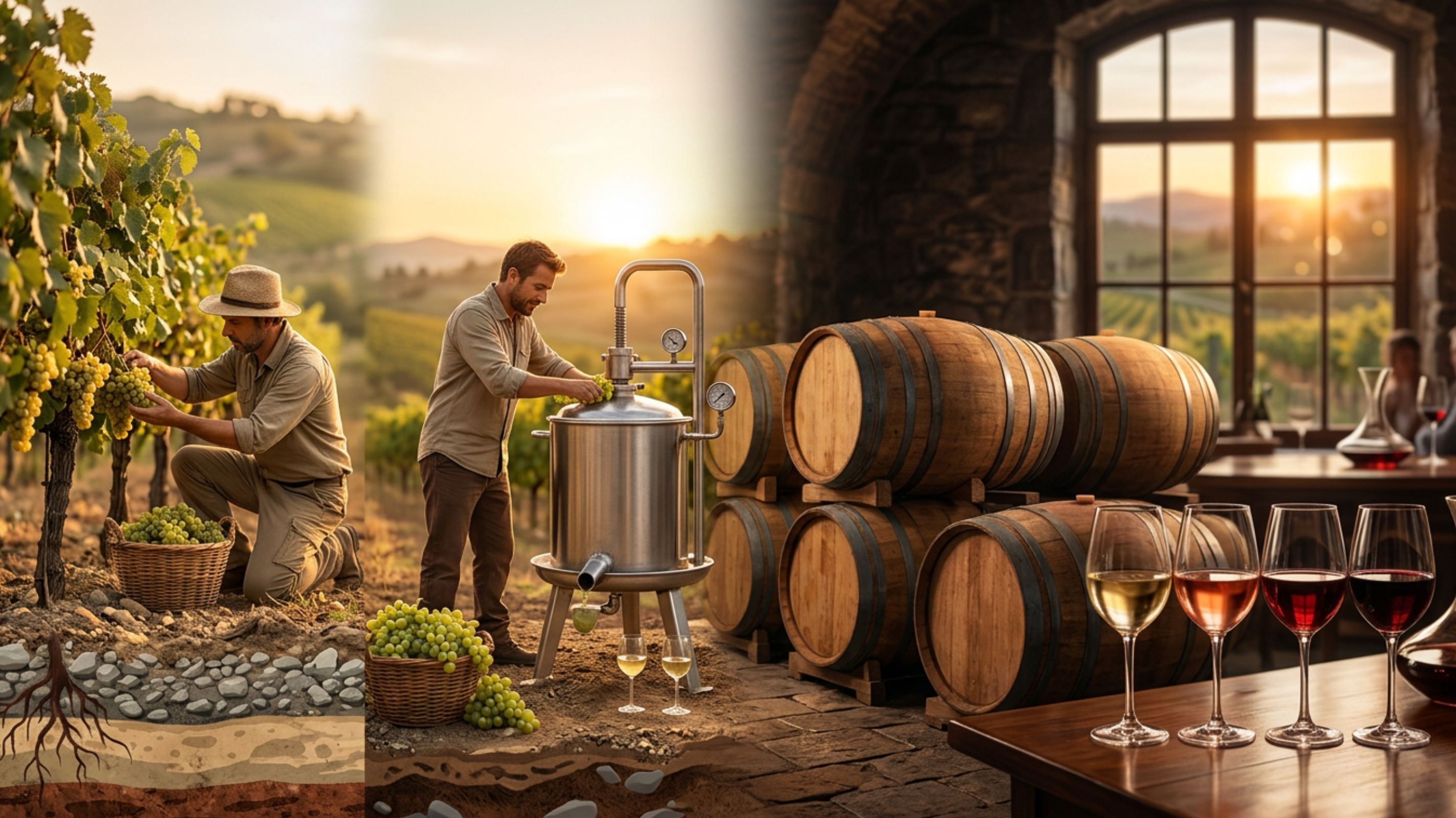
How Climate Shapes Wine Style And Flavour
Climate is the starting point for every wine, and it is one of the biggest reasons that a Shiraz from Barossa tastes different to a Pinot Noir from Burgundy. Warm climates give grapes more sunshine and heat, so they ripen more fully and build higher sugar levels, which later become higher alcohol and riper, fuller flavours in the glass. Cooler climates slow ripening, so grapes keep more natural acidity and produce lighter‑bodied wines with fresher, more savoury characters.
When people talk about a “cool‑climate Chardonnay” or a “warm‑climate Cabernet,” they are really talking about how temperature and sunlight have influenced flavour ripeness, acidity, and alcohol. For drinkers, climate is a useful clue: cooler sites often mean crisp, bright wines; warmer regions tend to give richer, more powerful styles.
Why Soil And Vineyard Site Matter So Much
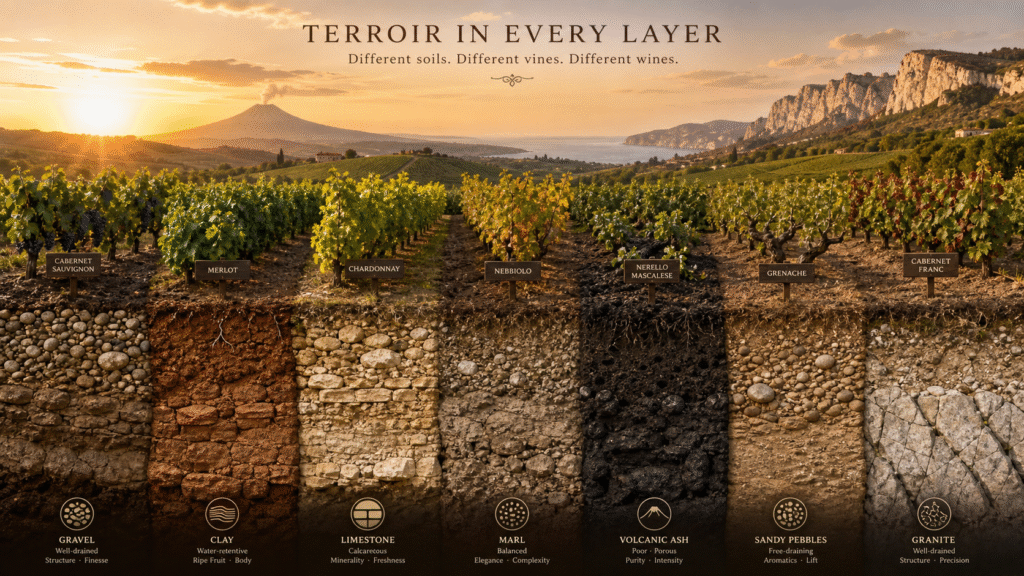
Beneath the vines, soil quietly shapes wine long before harvest. Different soil types regulate how water drains away, how nutrients move through the profile, and how deep roots need to travel, all of which influence how grapes ripen. Free‑draining, rocky soils often produce smaller, more concentrated berries, while heavier clay can hold more water and promote vigorous growth if not carefully managed.
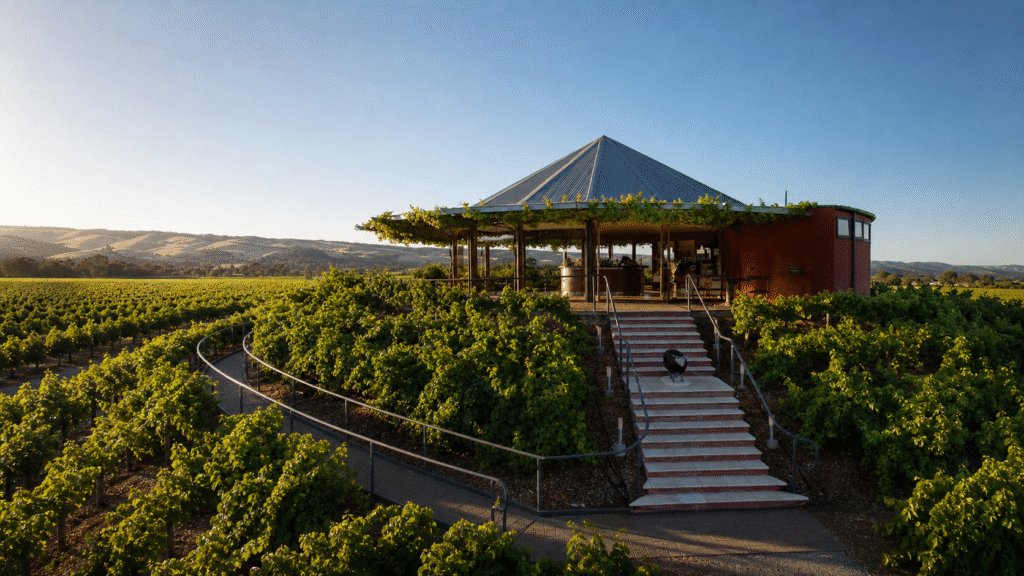
When winegrowers talk about “terroir,” they are describing this mix of soil, climate and site that gives wines a sense of place. In practice, well‑balanced soils help vines struggle just enough to focus energy on fruit rather than leafy growth, leading to flavours that feel more intense and structured in the finished wine.
Harvest Time And Grape Ripeness
The moment grapes are picked is one of the most powerful levers in the whole winemaking process. Earlier harvest keeps natural acidity high and sugar levels lower, giving lighter‑bodied wines with fresher, more citrus‑driven profiles. Later harvest allows sugars to climb and flavours to deepen into riper fruit characters, but acidity falls, so the resulting wines feel rounder, richer and potentially higher in alcohol.
In simple terms, “harvest time” is the winemaker deciding exactly what balance of sugar, acidity and flavour they want. That is why the same grape variety can taste zesty and lean in one bottle, yet plush and almost sweet‑fruited in another: they were picked at different points on the ripeness curve.
Featured Wines
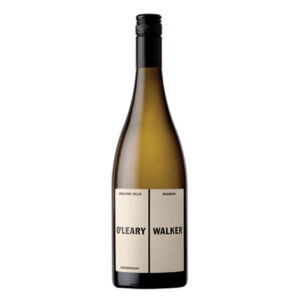
O'Leary Walker Adelaide Hills Chardonnay 2025 (6 Bottles) Adelaide Hills, SA
Add to Cart
$30.50
/ bottle
$183.00 for a case of 6
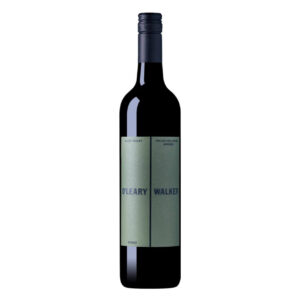
O'Leary Walker Clare Valley Shiraz 2023 (6 Bottles) Clare Valley, SA
Add to Cart
$40.00
$25.50
/ bottle
$153.00 for a case of 6
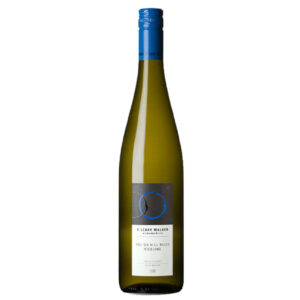
O'Leary Walker Polish Hill River Museum Release Riesling 2013 (6 Bottles) Clare Valley, SA
Add to Cart
$35.00
/ bottle
$210.00 for a case of 6
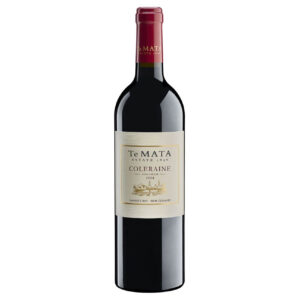
Te Mata Coleraine Cabernet Merlot 2024 (6 Bottles) Hawke's Bay, NZ
Add to Cart
$150.00
/ bottle
$900.00 for a case of 6
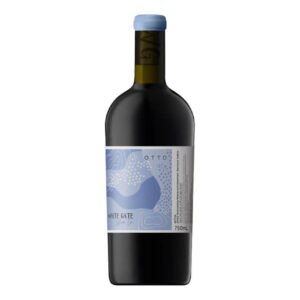
White Gate Otto 2023 (6 Bottles) Barossa Valley, SA
Add to Cart
$34.00
$24.17
/ bottle
$145.00 for a case of 6
Yeast And Fermentation: Turning Grapes Into Wine
Once the grapes are picked and crushed, yeast begins the transformation from grape juice to wine. Yeast consumes grape sugars and converts them into alcohol and carbon dioxide, a process known as fermentation. Different yeast strains can highlight different aroma compounds, adding layers of fruit, floral or spice character, and they can also influence texture, making wines feel creamier or more linear.
“Fermentation” is simply this sugar‑to‑alcohol conversion, but winemakers can choose whether to rely on ambient “wild” yeasts from the vineyard and cellar, or inoculate with selected cultured yeasts for more predictable results. Both approaches can make excellent wine; the choice changes how complex, rustic, clean or polished the final style may be.
Sugar, Dryness And Sweetness In Wine
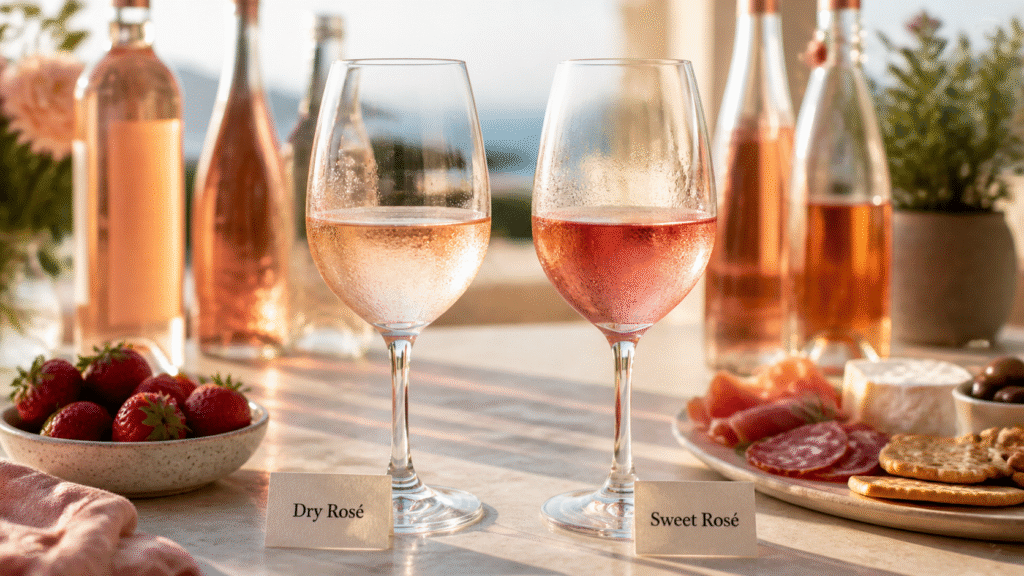
Sugar plays more than one role in winemaking. As fermentable sugar in the grape, it is the fuel that becomes alcohol. As residual sugar left over after fermentation, it becomes sweetness in the finished wine. If a winemaker lets fermentation run until yeast has consumed almost all sugars, the wine will taste “dry,” meaning there is no obvious sweetness on the palate.
If fermentation is stopped early, or if very ripe grapes are used, more sugar can remain, giving wines that taste off‑dry, medium or fully sweet, depending on how much is left. This is why a Riesling can be razor‑dry and limey, while another Riesling tastes gently sweet and succulent: the winemaker made a deliberate decision about how much sugar to leave behind.
Alcohol Level And Body
Alcohol is not just a number on the label; it has a direct impact on how wine feels. Higher alcohol usually comes from riper grapes with more sugar, which ferment into a fuller‑bodied wine with more warmth and weight on the palate. Lower alcohol wines tend to feel lighter, fresher and more delicate, often reflecting cooler climates or earlier harvest.
For many drinkers, “body” is an easy way to think about this. Light‑bodied wines (often lower in alcohol) feel more like skim milk in texture, while full‑bodied wines (often higher in alcohol) feel closer to whole milk in richness. Alcohol, tannin and glycerol together create that sense of volume in the mouth.
Acidity: The Spine That Keeps Wine Lively
Acidity is the backbone of a wine, the element that makes it taste fresh rather than flat. Grapes grown in cooler climates or picked earlier generally retain higher natural acidity, which translates into wines that feel bright, crisp and mouth‑watering. Higher acidity helps white wines taste zesty and vibrant, and in red wines it can make fruit flavours feel juicier and more lifted.
By contrast, lower acidity gives a softer, rounder impression. This can be very pleasant in richer, barrel‑aged whites or plush reds, but if acidity drops too low, wines risk tasting heavy or dull. When wine professionals talk about “balance,” they are often thinking about how acidity, alcohol, tannin and flavour intensity all sit together.
Fermentation Temperature And Aromatic Profile
Fermentation temperature is a quieter but very important tool for winemakers. Cooler fermentation, particularly for white and rosé wines, helps preserve delicate fruit and floral aromatics, giving bright, clean, fruity styles. Warmer fermentation can create more complex, savoury notes and a broader texture, which is often sought after in serious reds and some fuller‑bodied whites.
In reds, slightly warmer fermentations also help extract colour and tannin from skins, deepening both hue and structure. When you read that a winemaker uses “cool fermentations” for aromatic whites or “warm fermentations” for structured reds, this is what is being described: temperature as a flavour‑shaping control dial.
Oak Ageing, Flavour And Structure
Oak plays a dual role in changing wine. Firstly, it adds flavour: depending on the type of oak and how heavily the barrel has been toasted, it can contribute notes of vanilla, clove, coconut, smoke or sweet spice. Secondly, it affects structure, as oak tannins gently integrate with grape tannins to change how smooth or firm the wine feels.
Ageing in older, neutral barrels will add less overt flavour and instead encourages gradual oxygen exposure, helping wines soften and develop more complex secondary notes, such as nuts, honey or dried fruits. For drinkers, seeing “oak aged” on a label signals that the wine may be rounder, spicier and more textural than one raised entirely in stainless steel.
Tannin: Texture, Grip And Ageing Potential
Tannins are natural compounds found in grape skins, seeds and stems, and they also come from oak barrels. They are responsible for that drying, slightly gripping sensation on the gums and tongue, particularly noticeable in many red wines. Higher tannin levels can make young wines feel firm or even austere, while lower tannin wines feel softer and easier‑drinking.
Crucially, tannins act as a preservative, helping structured red wines age gracefully, softening over time as flavours evolve into more savoury, complex notes. When someone describes a wine as “chewy,” “firm” or “silky,” they are describing tannin quality, not flavour as such. Understanding tannin helps explain why a young Barossa Shiraz might need hearty food, whereas a light Beaujolais feels perfectly at home slightly chilled on its own.
Time In Bottle And Wine Evolution
Even after bottling, wine remains alive. Given time, the flavours inside a bottle can blend, mellow and evolve, often gaining extra layers of savoury, earthy or nutty complexity. Fruit notes may shift from fresh berries or citrus into dried fruits, marmalade, tobacco or leather, depending on the style and grape variety.
Not every wine is designed for long ageing, of course. Many modern wines are made to be enjoyed within a few years of release, when their fruit character is at its most vibrant. But for age‑worthy styles, time can transform structure and flavour into something far more intricate than the young wine initially suggested.
Grape Variety: The DNA Of Wine Character
Finally, grape variety provides the core identity of a wine. Each variety carries its own typical flavour range, natural acidity level and tannin profile, which winemaking can shape but not completely erase. Sauvignon Blanc tends towards citrus, herbs and high acidity; Shiraz leans into dark fruit and spice; Pinot Noir often shows red fruits and more delicate tannin.
Even within the same climate and soil, two varieties will behave very differently in the vineyard and in the winery. That is why understanding grape variety is such a powerful tool for drinkers: it gives a first expectation of flavour, body and structure before the bottle is opened, while the other factors (climate, soil, harvest time, oak and so on) refine and complicate that picture.
Taken together, these twelve elements show that wine is not one thing but the sum of many small, deliberate choices. From climate and soil through harvest, fermentation, oak and bottle age, every decision creates another possible version of the same grape. This is why two bottles that look similar on the shelf can taste utterly different in the glass, and why understanding these levers turns casual tasting into something far more interesting.
 Shiraz
 Cabernet Sauvignon
 Pinot Noir
 Grenache
 Merlot
 Red Wine Blends
 Chardonnay
 Riesling
 Pinot Gris
 Semillon
 Viognier
 Grenache Rosé
 Pinot Noir Rosé
 Shiraz Rosé
 Sangiovese Rosé
 Aglianico Rosé
 Clairette Rose
 Champagne
 Prosecco
 Sparkling Shiraz
 Blanc de Blanc
 Blanc de Noir
 Pet Nat
 Moscato
 Topaque
 Port
Port Sherry (dry & sweet)
 Muscat & Tokay
 Vermouth