 0473 644 098 · Mon–Fri 9am–5pm AESTHelp & FAQ


Valdespino Pedro Ximénez El Candado NV: The Fortified Sherry Australians Are Finally Discovering

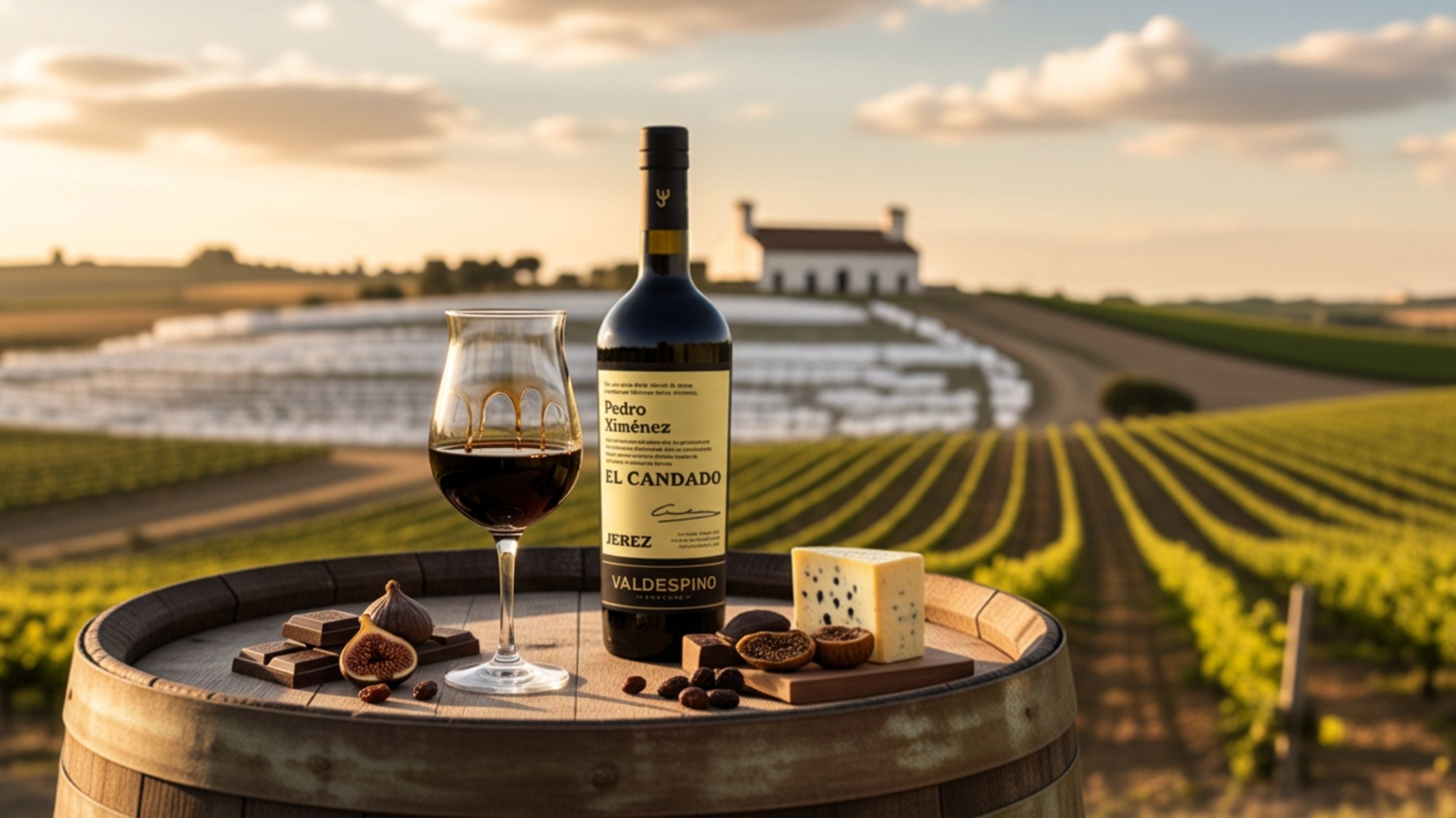
Valdespino Pedro Ximénez El Candado NV is one of those rare fortified wines that manages to be both gloriously indulgent and quietly educational, showing exactly why Pedro Ximénez Sherry still matters in a market obsessed with dry styles and table wines. For Australian readers, it is also a practical gateway into understanding fortified wine’s past and its surprisingly bright future, especially as more drinkers start to seek out complex, contemplative bottles to enjoy by the glass rather than by the case.
How a padlock and a solera turned into a cult PX
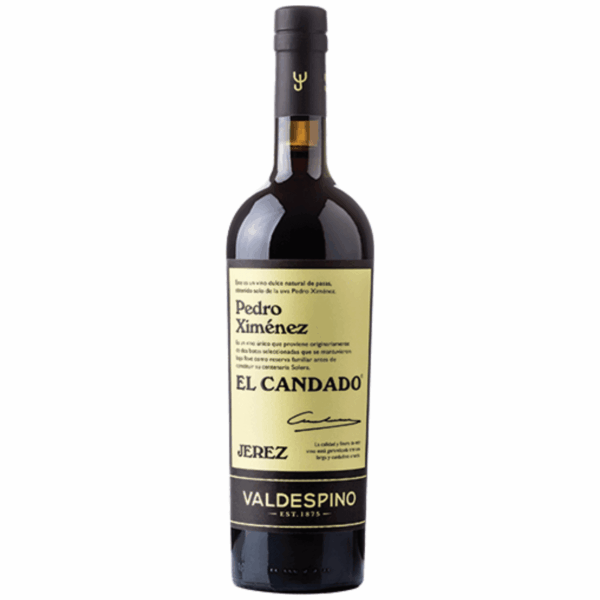
Here is something genuinely fascinating about Valdespino Pedro Ximénez El Candado NV: the wine itself is centuries in the making, yet the branding feels immediately accessible. The name “El Candado” means “the padlock”, a nod to the small padlock attached to the half-bottle that signals this is a wine to be guarded, poured selectively and savoured rather than splashed about.
Behind the charming gimmick sits one of Jerez’s oldest bodegas, with references to the Valdespino family’s involvement in Sherry production going back around 700 years, and documented commercial activity from at least the fifteenth century. That continuity matters because, in fortified wine, house style is not marketing language; it is the living memory of how earlier generations treated their soleras, handled maturation and decided what “sweetness with freshness” should actually taste like.
When Pedro Ximénez grapes become liquid raisins
Valdespino Pedro Ximénez El Candado NV is a textbook demonstration of what happens when Pedro Ximénez grapes are pushed to their hedonistic limit without tipping into cloying excess. The fruit is sourced from the hotter, drier Montilla–Moriles region rather than directly from Jerez, precisely because the inland climate is better suited to the traditional practice of sun-drying the grapes on esparto grass mats after harvest.
As water evaporates from the berries, sugars, acids and flavour compounds concentrate, turning whole bunches into something very close to raisins before pressing. The resulting must is so sweet that fermentation is limited, and the wine is fortified to around 17 percent alcohol, then aged oxidatively in solera for roughly eight to ten years until it reaches a syrup-like density of around 400 grams of residual sugar per litre.
What it actually tastes like in the glass
Critics consistently describe Valdespino Pedro Ximénez El Candado NV as dark mahogany in colour, with a texture somewhere between dessert wine and sauce, yet far more complex than that comparison suggests. Properly served, it shows layers of dried fruits and sweets: macerated dates, figs, raisins, molasses, candied orange peel, toffee, dark chocolate, coffee and warm spice notes such as clove and caraway.
One respected retailer calls it “liquid raisins”, though others emphasise how the savoury and smoky edges keep it from feeling like simple syrup. Wine Spectator praised its “layers of macerated date, ganache, warm caraway, buckwheat honey and chocolate-covered orange peel” and noted that the obvious power is matched by a subtler range and definition, which helps explain why scores in the mid-90s are common for this wine.


 $80.42
/ bottle
$965.00 for a case of 12
$80.42
/ bottle
$965.00 for a case of 12
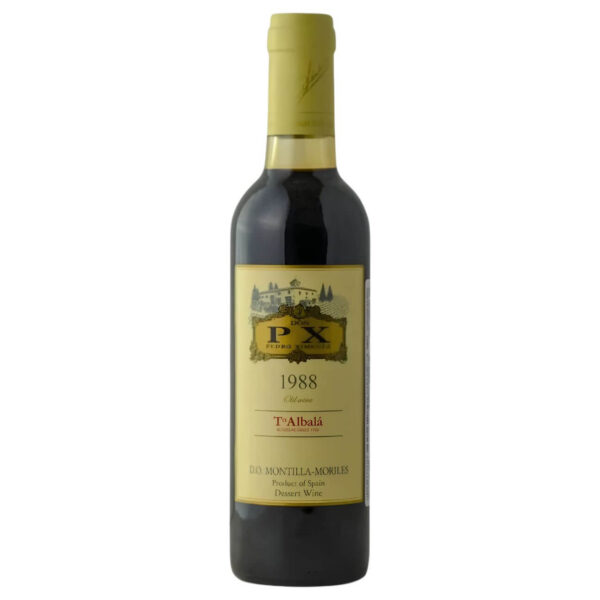
Toro Albala Don PX Gran Reserva 375ml
Shipped by
Fine Wine Cellars
$80.42
/ bottle
$965.00 for a case of 12
 $60.00
/ bottle
$180.00 for a case of 3
$60.00
/ bottle
$180.00 for a case of 3
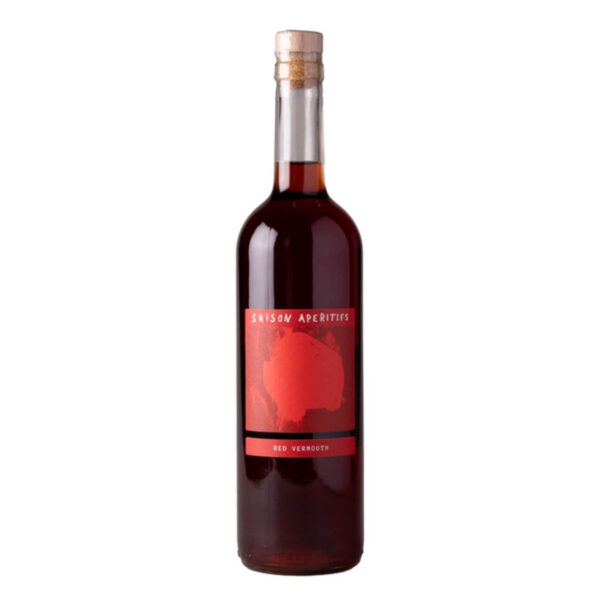
Payten and Jones Fot-li Vermut Antiga
Shipped by
Payten and Jones
$60.00
/ bottle
$180.00 for a case of 3
 $72.00
/ bottle
$72.00 for a case of 1
$72.00
/ bottle
$72.00 for a case of 1

 $138.00
/ bottle
$414.00 for a case of 3
$138.00
/ bottle
$414.00 for a case of 3
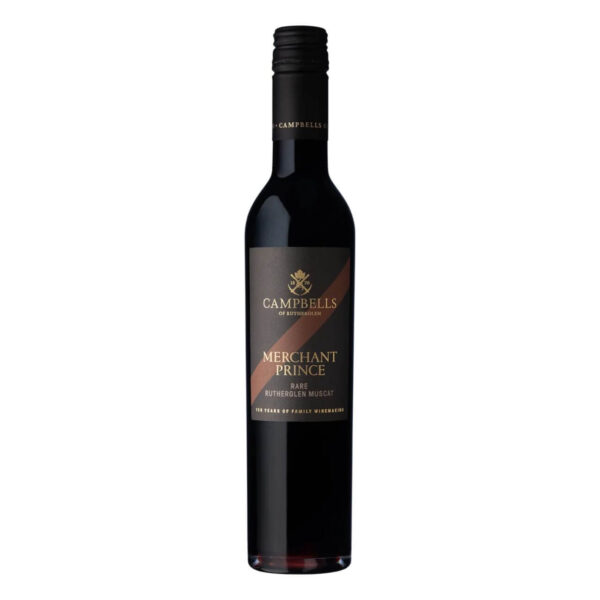
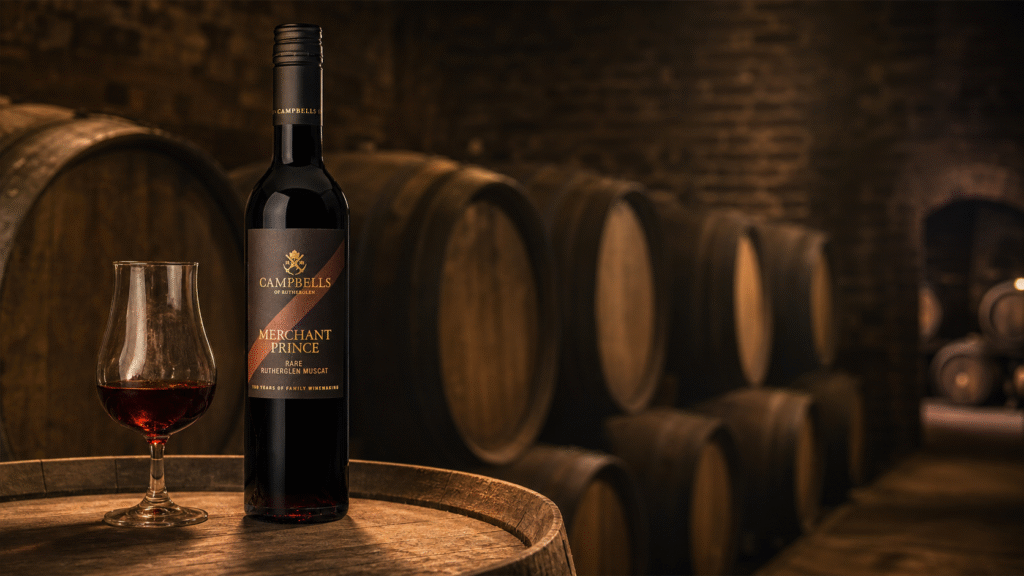
Campbells Merchant Prince Rare Muscat 375ml
Shipped by
Campbells of Rutherglen
$138.00
/ bottle
$414.00 for a case of 3

 $51.33
/ bottle
$308.00 for a case of 6
$51.33
/ bottle
$308.00 for a case of 6
Valdespino Pedro Ximénez El Candado NV
Shipped by
Wines Australia
$51.33
/ bottle
$308.00 for a case of 6

 $61.00
/ bottle
$366.00 for a case of 6
$61.00
/ bottle
$366.00 for a case of 6
Toro Albala Poley Fino del Lagar 10 Años NV (500ml)
Shipped by
Fine Wine Cellars
$61.00
/ bottle
$366.00 for a case of 6
 965 pts
 Why the sweetness never feels vulgar
The crucial reality with Valdespino Pedro Ximénez El Candado NV is that all that sugar is structurally balanced by acidity, alcohol and oxidative complexity. The oxidative ageing builds rancio notes of nuts, leather and dried fruit skins, which add a slightly bitter edge and savoury lift at the back of the palate.
This interplay is what separates serious Pedro Ximénez like this from cheaper supermarket versions that can feel like melted caramel without any tension. The finish is remarkably long, with a lingering echo of raisins, figs and molasses wrapped around hints of spice and coffee, and several critics have remarked that it feels moreish rather than tiring, which is no small achievement at this level of sweetness.
A 96-point wine that remains strangely undervalued
Fortified wines, particularly Sherry, still occupy an odd space in the global fine-wine conversation, and that plays into the hands of drinkers who care more about flavour than fashion. When a bottle with eight to ten years of ageing, meticulous fruit selection and solera management attracts mid-90s scores yet remains modestly priced, it underlines how irrationally undervalued the category can be compared to dry reds or fashionable whites.
Interestingly, some critics have highlighted that wines in this style can age gracefully in bottle for many years, with sugar and acidity acting as natural preservatives, so serious collectors looking beyond the usual Barolo, Bordeaux and high-end Rieslings may find that fortified wines offer some of the most reliable long-term drinking options in their cellar. This is not party wine; this is wine demanding respect and consideration, ideally served in small glasses with proper attention.
How Australians might actually drink this wine
From an Australian perspective, Valdespino Pedro Ximénez El Candado NV slots into that post-dinner niche where Port, Rutherglen Muscat and the occasional Topaque usually live. The classical pairings remain compelling: sticky toffee pudding, rich chocolate desserts, Christmas pudding and strong blue cheeses all play beautifully with its combination of sweetness, acidity and savoury depth.
There is also the increasingly popular idea of pouring a little over good-quality vanilla ice cream or using it as a drizzle for panna cotta, something several merchants explicitly recommend because the wine’s texture and flavour intensity stand up to being used almost like a dessert sauce. For Australians already exploring local fortified classics, this style provides a useful benchmark, showing just how far old-world Pedro Ximénez can go in terms of richness whilst remaining balanced.
What the padlock says about modern Sherry culture
The padlock on Valdespino Pedro Ximénez El Candado NV might seem like a gimmick, yet it quietly communicates a philosophy that resonates with modern fortified drinkers. It suggests that this is a bottle to open on special occasions, to share in small pours, and to protect in between, a reminder that half-bottle formats make sense when the wine is so concentrated that a little goes a very long way.
In an age where wine is often framed as a casual, everyday commodity, here is a style that deliberately slows the pace, encouraging drinkers to savour one glass over a long evening rather than racing through a standard bottle. For many enthusiasts in Australia who increasingly buy fortified wine online in Australia, this cultural shift towards considered, smaller-format indulgence is part of the appeal.
Fortified wine’s quiet resurgence
The broader context around Valdespino Pedro Ximénez El Candado NV is that fortified wines are enjoying a quiet, quality-led resurgence. Producers who survived the lean years, when fashion moved towards light, crisp whites and aromatic reds, are now being reassessed by a new generation of drinkers who appreciate depth, complexity and tradition.
Guides to fortified styles now routinely highlight Sherry alongside Port, Madeira and Australian Rutherglen Muscat, emphasising that these wines can be every bit as terroir-driven, ageworthy and food-friendly as more fashionable categories. For those who like to explore crowd-favourite fortified wines without losing sight of authenticity, Valdespino offers a bridge between centuries-old practice and contemporary expectations of quality and transparency.
Where this wine fits in a serious cellar
Collectors in Adelaide and across Australia, used to thinking in terms of cellaring windows for Barossa Shiraz or Tasmanian Pinot Noir, are often surprised by how forgiving top-quality fortified wines can be once opened. Thanks to the combination of fortification, sugar and oxidative ageing, a carefully stored, opened bottle of Valdespino Pedro Ximénez El Candado NV can remain in good condition for weeks, which makes it a practical addition to a home bar or serious cellar where not every bottle needs to be finished in one sitting.
For those who already compare Australian Pinot Noir wines online when researching their next purchase, shifting some of that research energy towards fortified wines opens up a different sort of drinking pleasure: wines that comfort as much as they challenge, that speak of history as much as terroir, and that reward slow, mindful consumption. In that sense, this particular Sherry is not just a dessert wine, but a quietly persuasive argument for why fortified styles deserve a permanent place in the modern Australian wine conversation.

 Shiraz
 Cabernet Sauvignon
 Pinot Noir
 Grenache
 Merlot
 Red Wine Blends
 Chardonnay
 Riesling
 Pinot Gris
 Semillon
 Viognier
 Grenache Rosé
 Pinot Noir Rosé
 Shiraz Rosé
 Sangiovese Rosé
 Aglianico Rosé
 Clairette Rose
 Champagne
 Prosecco
 Sparkling Shiraz
 Blanc de Blanc
 Blanc de Noir
 Pet Nat
 Moscato
 Topaque
 Port
Port Sherry (dry & sweet)
 Muscat & Tokay
 Vermouth