 0473 644 098 · Mon–Fri 9am–5pm AESTHelp & FAQ


Dry Rosé vs Sweet Rosé – Colour Myths, Sugar Levels, and How to Choose the Best Rosé Online in Australia

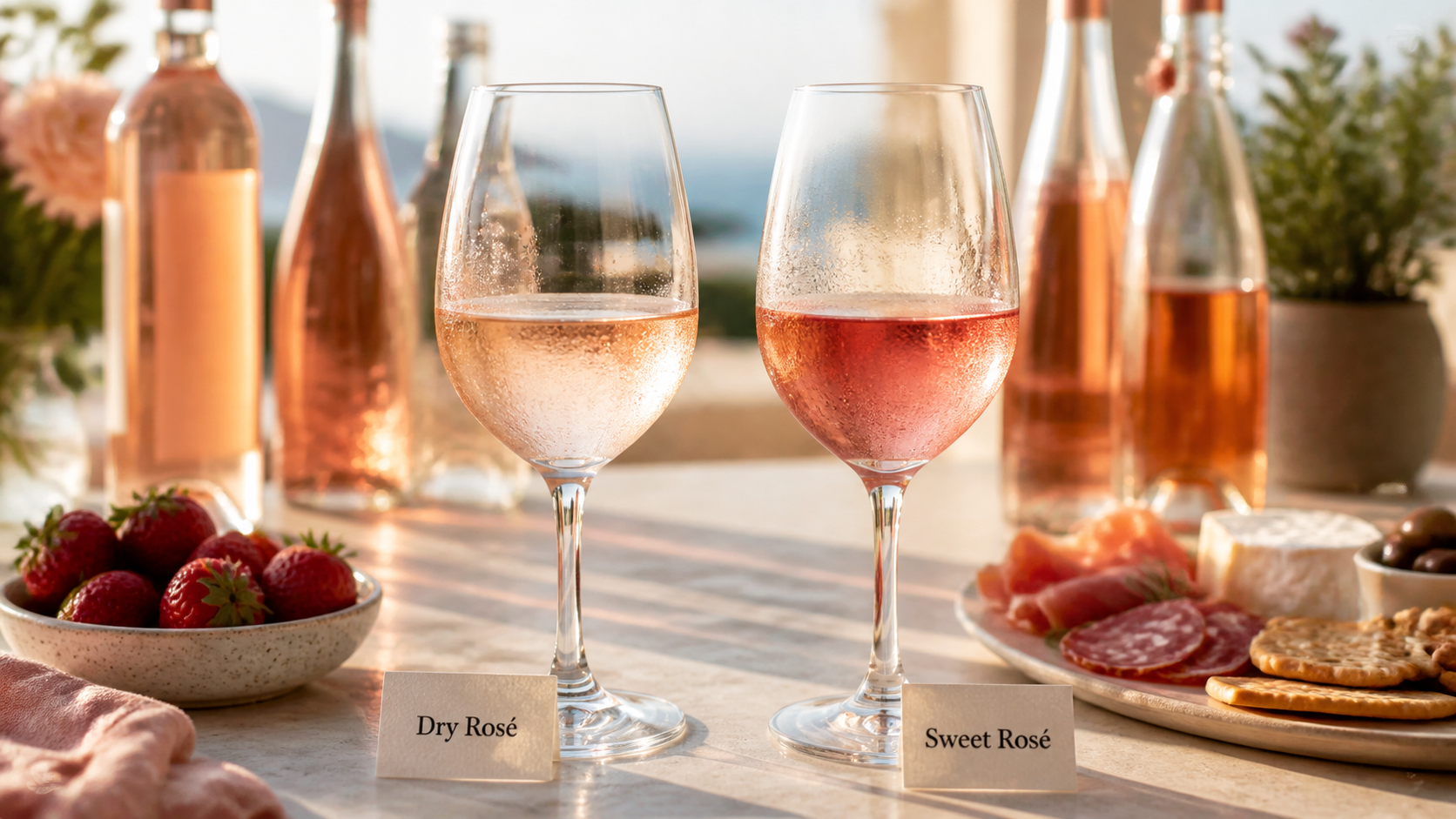
What is rosé wine and why is it sometimes dry, sometimes sweet?
Rosé is simply wine made from dark‑skinned grapes where the juice has only brief contact with the skins, so it picks up a pink colour without becoming full red wine. Winemakers can make rosé by directly pressing red grapes, using a short maceration, or bleeding juice (saignée) off a red ferment, and any of these techniques can produce either dry or sweet wines depending on how much sugar is left at the end.
The key concept is residual sugar, the grape sugar that remains once fermentation stops. Dry rosé usually has very little residual sugar, often under about 4 grams per litre, so it tastes crisp and refreshing, whilst sweeter styles may hold significantly more sugar, making them softer, fruitier and sometimes almost dessert‑like.
Dry rosé vs sweet rosé: understanding sugar levels
Most guides define dry rosé as containing very low residual sugar, sometimes less than 4 grams per litre, which gives a fruity but clean, mouth‑watering finish. Sweet rosé, by contrast, can range from “off‑dry” (just a hint of sweetness) through to overtly sweet styles that may carry anywhere from around 4 up to 45 grams per litre depending on the region and style.
One useful way to picture it is the sweetness spectrum used in many rosé charts: bone‑dry, dry, off‑dry, sweet and very sweet, each step up representing more sugar and rounder texture in the glass. For anyone starting to discover the best rosé wines online, knowing that most European appellations aim for bone‑dry or dry styles whilst some New World and mass‑market labels lean sweet can already narrow the field before even reading the fine print.
Why rosé colour does not reliably predict sweetness
Here is where many drinkers get tripped up. There is a common myth that very pale rosé is always bone‑dry and darker rosé is always sweet, but the reality is more complicated. Colour is primarily about how long the juice sat on the skins and which grape varieties were used, not how much sugar remains in the finished wine.
A Provence rosé can be very pale and dry, but so can a lightly handled Australian rosé; equally, a vivid, hot‑pink rosé might be fully fermented to dryness if the winemaker opted for more skin contact but no residual sugar. This is why colour alone is a poor guide in a bottle shop; someone who wants a dry style and simply grabs the palest bottle on the shelf may still end up with an off‑dry wine if the producer has deliberately left a little sugar for roundness.
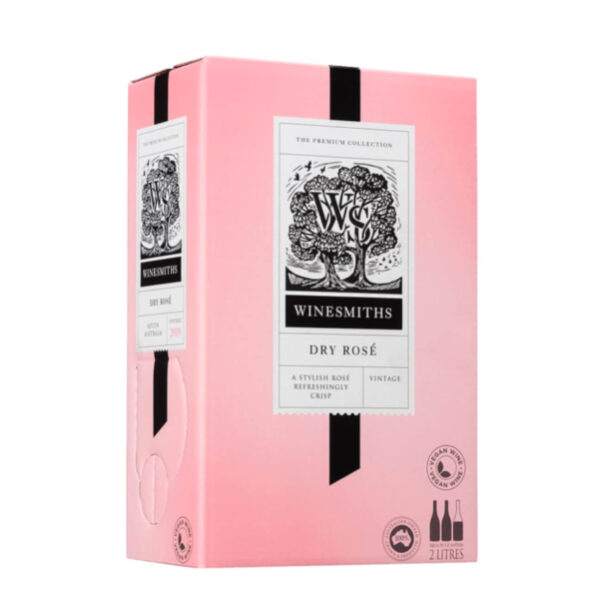 $21.17
/ bottle
$127.00 for a case of 6
$21.17
/ bottle
$127.00 for a case of 6
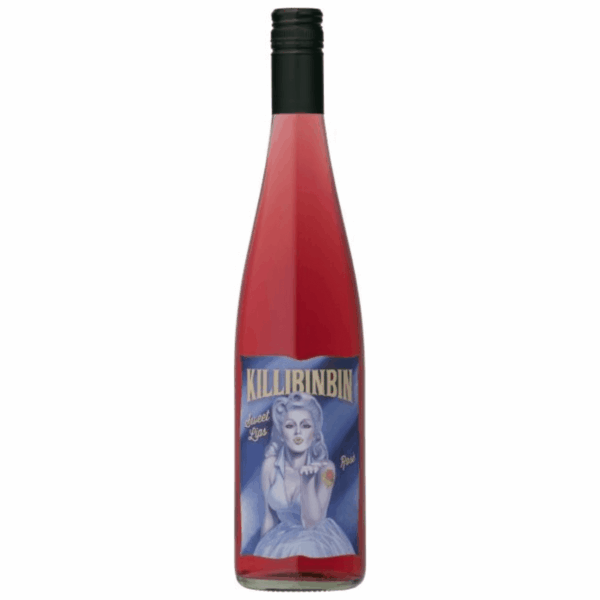 $17.42
/ bottle
$209.00 for a case of 12
$17.42
/ bottle
$209.00 for a case of 12
Killibinbin Sweet Lips Rosé
Shipped by
Oatley Fine Wine Merchants
$17.42
/ bottle
$209.00 for a case of 12

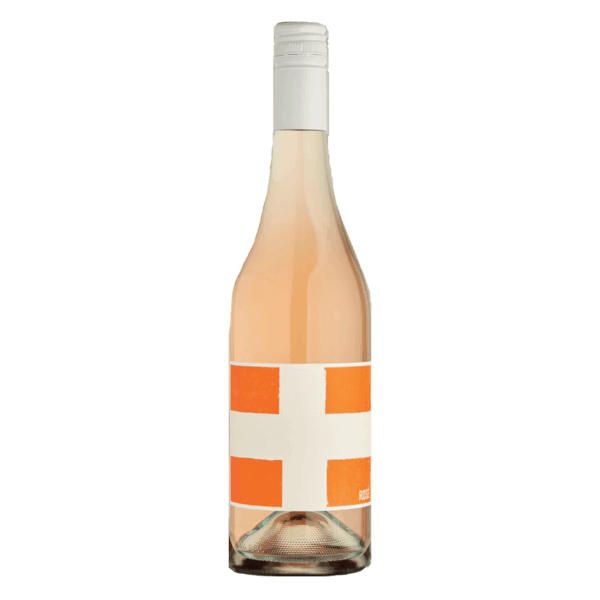 $22.33
/ bottle
$268.00 for a case of 12
$22.33
/ bottle
$268.00 for a case of 12
 $27.67
/ bottle
$166.00 for a case of 6
$27.67
/ bottle
$166.00 for a case of 6
Collector Wines Shoreline Sangiovese Rosé
Shipped by
Wines Australia
$27.67
/ bottle
$166.00 for a case of 6
 $450
off RRP
-75% Hot
$450
off RRP
-75% Hot
 $50.00
$12.50
/ bottle
$150.00 for a case of 12
$50.00
$12.50
/ bottle
$150.00 for a case of 12
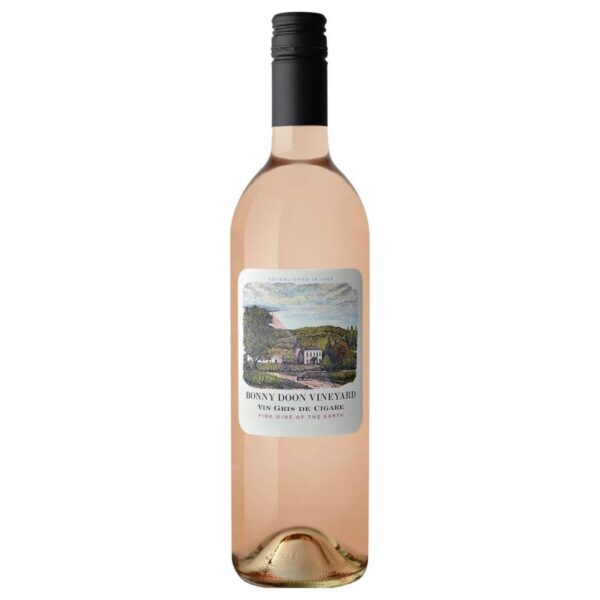
Bonny Doon “Vin Gris de Cigare” Rosé
Shipped by
Wines By Cellars
$50.00
$12.50
/ bottle
$150.00 for a case of 12
 $16.67
/ bottle
$100.00 for a case of 6
$16.67
/ bottle
$100.00 for a case of 6
 127 pts
 How to tell if rosé is dry or sweet from the label
Because most wine laws do not require sugar levels to appear on labels, drinkers need to rely on a few simple clues to work out sweetness. The first is style wording: terms like “dry rosé,” “brut rosé” (especially for sparkling) or “crisp and refreshing” on the back label usually indicate low sugar, whereas phrases such as “luscious,” “juicy and sweet,” “off‑dry,” or references to sweetness with desserts hint at higher residual sugar.
Second, region matters. Provence, many parts of southern France and northern Spain are traditionally producers of dry rosé; styles such as White Zinfandel from California or some branded New World rosés are more likely to be sweet. Finally, a quick look at alcohol can offer a rough clue. Very low alcohol rosés (for example under about 11 percent) are sometimes sweeter because fermentation was stopped early, leaving more sugar behind.
Common dry rosé styles and where they come from
When people browse our rosé wine range looking for dry options, they are often pointed towards classic regions like Côtes de Provence, Bandol, Tavel and some Spanish rosados. These areas have long traditions of producing bone‑dry or dry rosé built on grapes such as Grenache, Cinsault, Mourvèdre and Tempranillo, prioritising freshness and savoury complexity over sweetness.
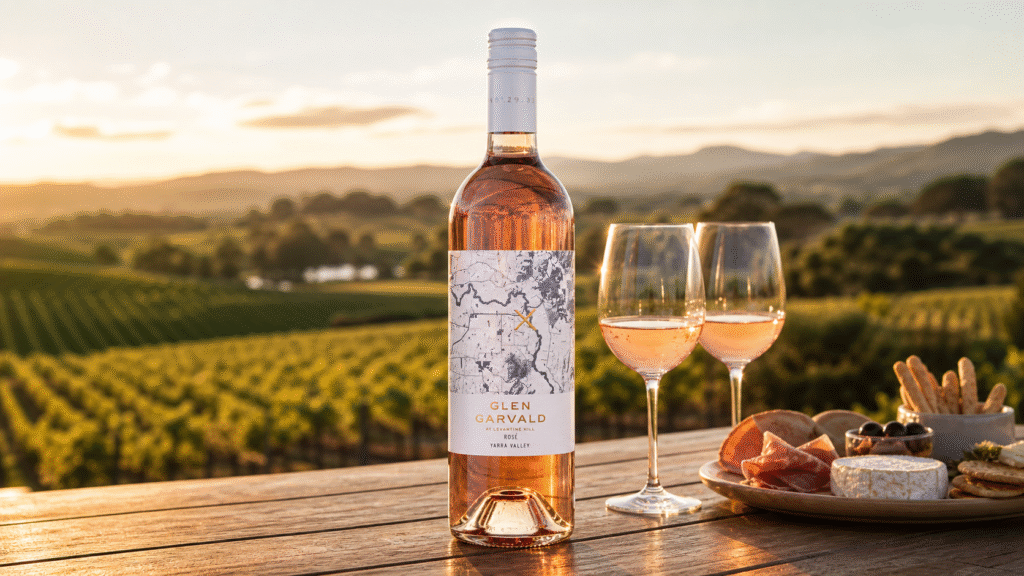
In Australia, many producers have moved decisively towards dry rosé styles too, particularly in regions like McLaren Vale, Barossa, Adelaide Hills and Tasmania, often using Grenache, Sangiovese or Pinot Noir to produce pale, crisp wines built for food. These are ideal choices for drinkers who want to shop Australian rosé wine that feels grown‑up and versatile rather than simple and sugary.
Popular sweet rosé styles and why people like them
Sweet rosé should not be dismissed; when well‑made, it can be delicious and very approachable, especially for newer wine drinkers. Well‑known examples include White Zinfandel from the United States and some fruit‑driven, off‑dry rosés that emphasise ripe strawberry, watermelon and candy‑like notes, sometimes with a noticeable residual sweetness on the finish.
These styles tend to feel softer, lower in tannin and more overtly fruity, which is a big part of their appeal at parties, picnics and casual gatherings. When someone sets out to buy popular rosé brands online for a mixed crowd, including at least one sweeter rosé alongside drier options can make sure everyone finds something in their comfort zone.
Simple ways to taste the difference at home
Once the bottle is open, a few easy checks can help confirm whether a rosé is dry or sweet. First, pay attention to the very first impression. Dry rosé will usually feel crisp and mouth‑watering, with acidity that makes you want another sip; sweet rosé will taste rounder and softer, and that sense of sweetness will usually linger even after swallowing.
Second, notice the finish. If the wine leaves your mouth feeling refreshed, almost slightly salty or savoury, it is likely dry; if the aftertaste feels fruity and a little sticky on the lips, there is probably more sugar involved. Trying two bottles side by side, one known dry and one clearly labelled sweet, is one of the quickest ways to train the palate, and something easily done when you buy rosé online in Australia and can choose exactly which styles to compare.
How to choose the right rosé for food pairings
Dry rosé behaves much like a light red with higher acidity, which makes it a brilliant partner for grilled seafood, charcuterie, salads with vinaigrette and Mediterranean dishes full of herbs and olive oil. Its lack of sweetness means it will not clash with salty, savoury flavours, and the freshness helps cut through richer foods.
Sweeter rosé, on the other hand, shines with spicy dishes, lightly sweet glazes and fruit‑based desserts, where a touch of sugar in the wine can echo the sweetness in the food and soften chilli heat. When customers browse our rosé wine range with a particular meal in mind, simply asking whether the dish is savoury or leans sweet will often point them towards the right end of the rosé spectrum.
Using online shops and filters to find your ideal rosé
The good news is that online retailers often make it easier to sort dry from sweet than a physical bottle shop shelf does. Many sites now let shoppers filter by sweetness level, style description or region, and tasting notes usually mention whether a rosé is crisp and dry or juicy and off‑dry, even if the label itself does not.
For drinkers in Australia, this means that taking a few minutes to discover the best rosé wines online can be far more effective than guessing in front of a fridge door. Whether the goal is to shop Australian rosé wine from cool‑climate producers, or to buy popular rosé brands online to keep everyone happy at a summer barbecue, using those filters and reading a couple of tasting notes is often all it takes to land on exactly the right style.


 Shiraz
 Cabernet Sauvignon
 Pinot Noir
 Grenache
 Merlot
 Red Wine Blends
 Chardonnay
 Riesling
 Pinot Gris
 Semillon
 Viognier
 Grenache Rosé
 Pinot Noir Rosé
 Shiraz Rosé
 Sangiovese Rosé
 Aglianico Rosé
 Clairette Rose
 Champagne
 Prosecco
 Sparkling Shiraz
 Blanc de Blanc
 Blanc de Noir
 Pet Nat
 Moscato
 Topaque
 Port
Port Sherry (dry & sweet)
 Muscat & Tokay
 Vermouth