 0473 644 098 · Mon–Fri 9am–5pm AESTHelp & FAQ


Big Wine Questions Everyone Asks: Headaches, Sulphites, Open Bottles, Decanting and Why Restaurant Wine Tastes Better

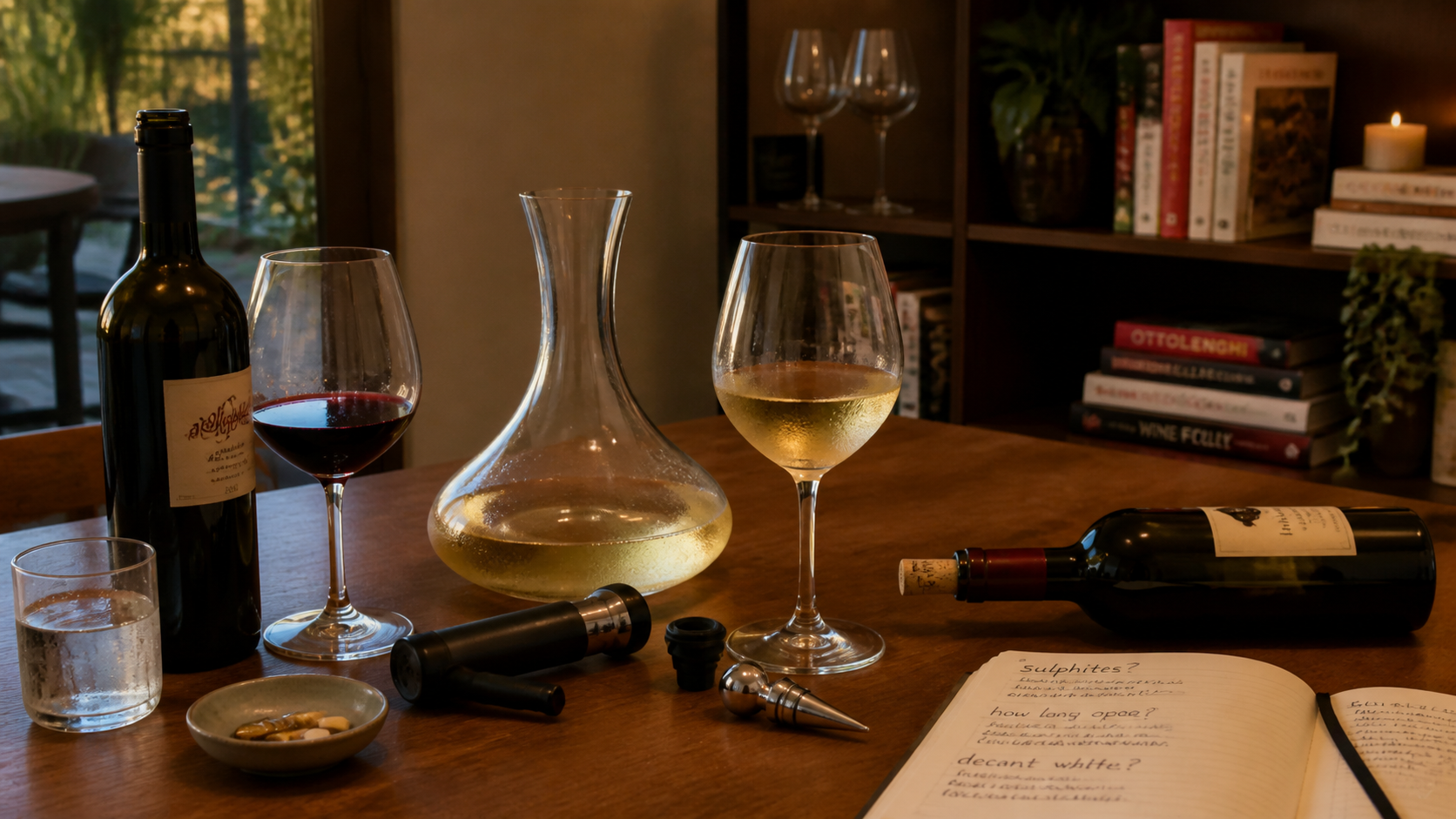
Wine attracts more recurring questions than almost any other drink. Why does one bottle leave someone feeling fresh and another feeling foggy? Do sulphites deserve their bad reputation? How long can an opened bottle really survive in the fridge before it turns tired and dull? And why does a wine that feels magical in a restaurant sometimes seem much less impressive when opened at home? These are not niche concerns. They are some of the most common things everyday drinkers search online, and for good reason.
The reassuring part is that most of these mysteries have sensible explanations. Some are about chemistry, some are about storage and temperature, and some are simply about context. Once those factors are understood, wine becomes much easier to enjoy with confidence rather than second-guessing every glass.
Why do some wines give headaches more than others?
Wine headaches are real, but they are rarely caused by one single thing. Alcohol itself is one of the main culprits because it dehydrates the body and dilates blood vessels, both of which can contribute to headache symptoms. Red wines can be more problematic for some people because they also contain higher levels of compounds such as histamine and tannins, both of which have been linked to headaches in susceptible drinkers.
That helps explain why one person may feel perfectly fine after a fresh, lower-alcohol red yet feel dreadful after a rich, heavily extracted bottle. The style of wine matters. A lighter, more fragrant red often feels easier on the system than a big, dense wine with elevated alcohol and strong tannin. This is one reason many drinkers who struggle with heavier reds find more comfort when they buy Pinot Noir online and start exploring softer, more lifted red styles rather than automatically reaching for the boldest bottle on the shelf.
Food and timing matter just as much. Drinking wine quickly, drinking on an empty stomach, or skipping water between glasses can make even a well-made wine feel punishing. In practical terms, the safest approach is simple: eat properly, pace the wine, drink water alongside it and notice which styles feel best. Wine is highly personal, and learning those triggers is often more useful than blaming every unpleasant reaction on the same ingredient.
Do wine sulphites really matter, or is it mostly myth?
Few wine topics are more misunderstood than sulphites. Sulphur dioxide, or SO2, is used in winemaking because it protects wine from oxidation and spoilage, helping it stay fresh and stable in bottle. Sulphites also occur naturally during fermentation, so even wines with no added sulphur are not truly sulphite-free in absolute terms.
The common belief that sulphites are the main reason people get wine headaches does not stand up especially well. Medical and wine sources consistently point out that true sulphite sensitivity is uncommon and is more likely to trigger asthma-like or allergy-like symptoms than the classic pounding red wine headache. In fact, many white wines contain more sulphites than red wines, while red wines are often blamed more often because they contain more histamine and tannins.
That does not mean sulphites are irrelevant. Some drinkers simply feel more comfortable choosing wines made with minimal additions, especially if they are already drawn to lower-intervention styles. If that is part of the appeal, this is a natural place in the article to guide readers toward exploring fresher styles and more transparent producers, for example by encouraging them to buy Sauvignon Blanc online from quality-focused producers who make clean, vibrant wines with a lighter touch in the cellar. The important distinction is that sulphites are generally there to preserve wine, not to sabotage the drinker.
How long does wine actually last once opened, and which tools are worth buying?
Once a bottle is opened, oxygen immediately begins changing it. A small amount of air can help wine open up and become more expressive, but too much over time causes oxidation, which dulls fruit, flattens aroma and eventually leaves the wine tasting tired or stale. The question is not whether an opened wine changes, but how quickly.
As a general rule, white wines and rosés usually last around two to three days in the fridge once opened and resealed, while most reds hold for roughly three to five days if stored well. Sparkling wines have the shortest life because they lose pressure and fizz rapidly after opening, although a proper sparkling stopper can buy a little more time. Fuller-bodied whites, especially oaked styles, can sometimes fade faster than expected, which surprises many people who assume whites are always more delicate in a simple way.
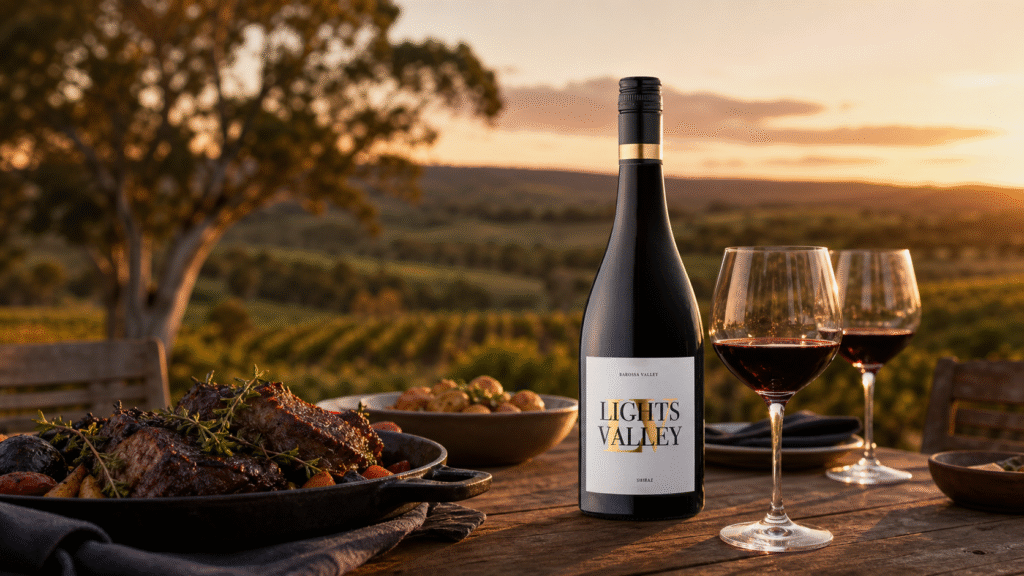
Basic preservation tools are often worth the money, particularly for households that like a glass or two rather than finishing a bottle in one sitting. Vacuum pumps can slow decline to a degree, and Decanter notes that they may give an extra one to two days of life beyond simply replacing the cork. Other products using inert gas can go further. The point is not to preserve wine forever. It is to give a good bottle a fair chance. This is especially useful when someone decides to purchase Shiraz wine online or open a more serious bottle for a quiet night at home and wants it to remain fresh for another evening rather than feeling forced to finish it too quickly.


 $36.17
/ bottle
$434.00 for a case of 12
$36.17
/ bottle
$434.00 for a case of 12
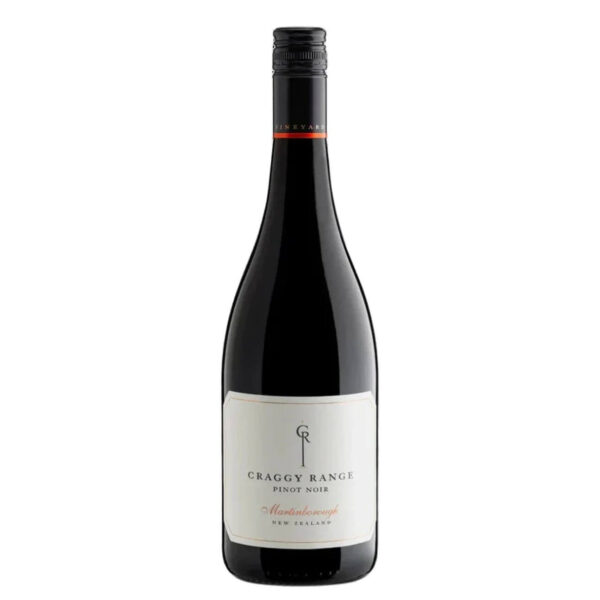
Craggy Range Martinborough Pinot Noir
Shipped by
Joval Wines
$36.17
/ bottle
$434.00 for a case of 12

 $25.33
/ bottle
$304.00 for a case of 12
$25.33
/ bottle
$304.00 for a case of 12

 $54.67
/ bottle
$656.00 for a case of 12
$54.67
/ bottle
$656.00 for a case of 12
 $46.00
/ bottle
$276.00 for a case of 6
$46.00
/ bottle
$276.00 for a case of 6
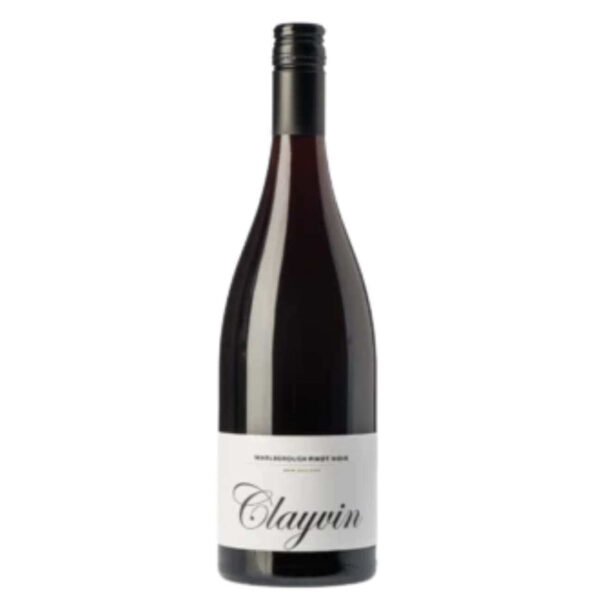
Giesen Single Vineyard Clayvin Pinot Noir
Shipped by
Oatley Fine Wine Merchants
$46.00
/ bottle
$276.00 for a case of 6

 $32.83
/ bottle
$197.00 for a case of 6
$32.83
/ bottle
$197.00 for a case of 6
Palliser Estate Pencarrow Pinot Noir
Shipped by
Wines Australia
$32.83
/ bottle
$197.00 for a case of 6
 $30.50
/ bottle
$366.00 for a case of 12
$30.50
/ bottle
$366.00 for a case of 12
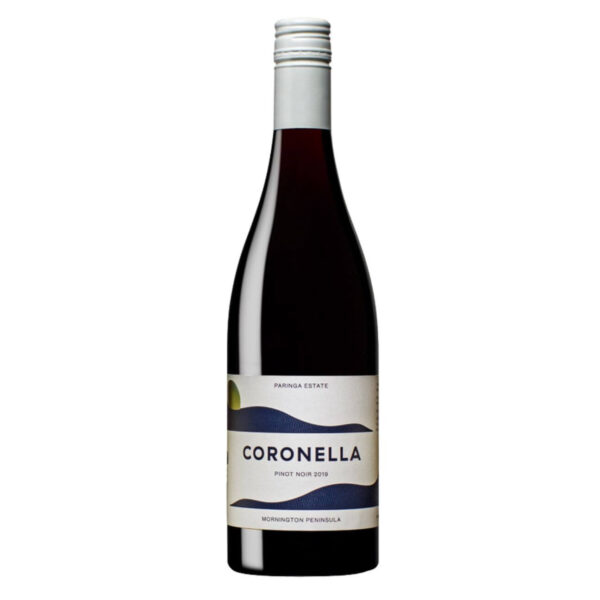
Paringa Estate Coronella Pinot Noir
Shipped by
Chace Agencies
$30.50
/ bottle
$366.00 for a case of 12
 434 pts
 Is decanting white wine a thing, and when does it help more than hurt?
Decanting is one of those subjects that sounds far more intimidating than it needs to be. Most people associate it with old red Bordeaux and thick sediment, but white wine can benefit from air as well, particularly when it is young, tight and slightly closed on opening. A carefully made white with texture and structure may show far more aromatic detail after a little time in a decanter or simply a generous pour in a large glass.
This is especially true of modern Chardonnay. Many high-quality examples are built with tension, acidity and subtle winemaking influence, which can make them seem shy in the first few minutes after opening. When readers shop Australian Chardonnay online, they are often buying wines that are much more refined and mineral than the buttery caricatures that once dominated the market. Those wines can absolutely benefit from some air, especially if they initially smell a little muted or reductive.
That said, decanting white wine is not always a good idea. Older whites and delicate aromatics can fall apart more quickly if they are overexposed to air. The safer way to think about it is this: young and tightly wound whites may open beautifully with oxygen; older and fragile whites usually need a gentler touch. Decanting should never be a performance. It should simply be a practical decision based on how the wine is behaving in the glass.
Why do some wines taste better in restaurants than at home?
This is one of the easiest wine mysteries to explain because so many small factors stack in the restaurant’s favour. Temperature is a major one. Restaurants that care about wine usually serve whites cool but not icy, and reds slightly cooler than most Australian living rooms. That balance helps aromas show more clearly and keeps alcohol from dominating the palate.
Glassware also matters more than many people think. A good glass directs aroma properly, gives the wine room to breathe and shapes the way it lands on the palate. Then there is food. Wines can feel sharper, rounder, fruitier or more savoury depending on what is on the plate beside them. Warm dishes, salt, fat and umami all change the experience of the wine, often dramatically. A wine that feels fairly ordinary on its own can suddenly seem complete and harmonious with the right dish.
Context plays its part too. Restaurants offer atmosphere, anticipation, company and a sense of occasion, all of which affect perception. Yet much of that magic can be recreated at home. Serve wine at the right temperature, use proper glasses, and think about food as part of the bottle rather than something separate from it. The result is often surprisingly close to a restaurant experience. For readers who want to experiment with this at home, a simple suggestion such as choosing to buy Pinot Noir online for roast chicken or mushroom dishes, or to purchase Shiraz wine online for grilled lamb or richer braises, makes the advice feel immediately practical rather than abstract.
Why these wine questions matter more than people think
These common questions are not signs that drinkers know too little. They are signs that people want to enjoy wine better and understand why one experience feels effortless while another feels frustrating. The truth is that many wine problems are not really problems at all once the basics are explained. Headaches are often about alcohol, histamine, tannin and dehydration rather than a simple sulphite story. Open bottles do not last indefinitely, but a little care and the right tool can buy useful time. White wine can benefit from air, and restaurant wine usually tastes better because the environment is helping it show at its best.
That is the real appeal of understanding wine. It turns vague worry into practical knowledge. And once readers grasp those small but important details, wine becomes less intimidating and much more enjoyable, which is exactly what it should be.




 Shiraz
 Cabernet Sauvignon
 Pinot Noir
 Grenache
 Merlot
 Red Wine Blends
 Chardonnay
 Riesling
 Pinot Gris
 Semillon
 Viognier
 Grenache Rosé
 Pinot Noir Rosé
 Shiraz Rosé
 Sangiovese Rosé
 Aglianico Rosé
 Clairette Rose
 Champagne
 Prosecco
 Sparkling Shiraz
 Blanc de Blanc
 Blanc de Noir
 Pet Nat
 Moscato
 Topaque
 Port
Port Sherry (dry & sweet)
 Muscat & Tokay
 Vermouth