 0473 644 098 · Mon–Fri 9am–5pm AESTHelp & FAQ


Wine and Cheese Pairings – Beyond the Basics to Genuine Understanding

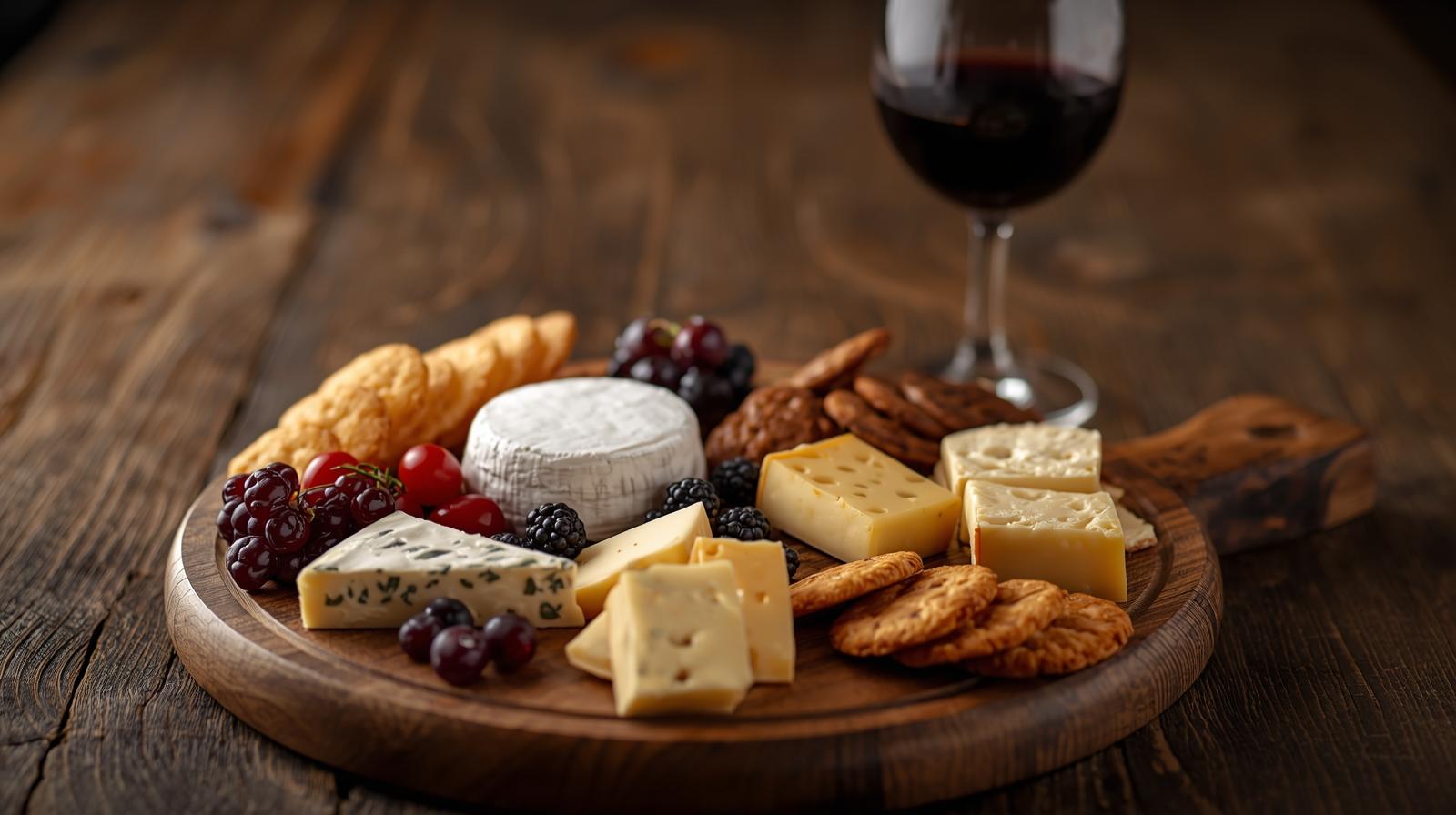
Wine and cheese pairing represents one of gastronomy’s most celebrated traditions, yet most guidance offers platitudes rather than practical understanding. The usual advice, match intensity, complement or contrast, stick to regional pairings, sounds sophisticated until you’re standing in front of your cheese counter or wine shelf wondering which actual bottles and wedges will create memorable experiences rather than awkward mouthfuls.
The relationship between wine and cheese works physiologically. Fat in cheese coats the palate, softening wine’s tannins and acidity. Proteins in cheese bind to tannins, preventing harsh astringency. Salt in cheese enhances wine’s fruit character while tempering bitterness. These chemical reactions happen regardless of whether you understand them, but knowing why certain pairings succeed allows you to experiment confidently rather than memorizing arbitrary rules.
The Foundation: Understanding What You’re Actually Tasting
Before diving into specific pairings, grasp what makes cheese and wine distinct from each other. Cheese varies across texture (soft, semi-firm, hard), intensity (mild, medium, strong), moisture content (fresh, aged), and fat levels (low-fat, double cream, triple cream). Wine varies across body (light, medium, full), tannin structure (low, moderate, high), acidity (crisp, balanced, soft), and residual sugar (bone dry through dessert sweet).
These variables create infinite pairing possibilities, which sounds overwhelming until you recognize patterns. Light-bodied wines with soft cheeses. Full-bodied wines with aged cheeses. Sweet wines with salty blue cheeses. Sparkling wines with creamy triple creams. Once you internalize these patterns, improvisation becomes intuitive rather than intimidating.
Fresh and Soft Cheeses: Delicate Requires Delicate
Fresh cheeses including Mascarpone, Ricotta, Feta, and young goat cheese possess mild flavors, creamy textures, and high moisture content. These characteristics demand wines that complement rather than overwhelm.
Sauvignon Blanc represents the textbook pairing. The wine’s crisp acidity cuts through cream’s richness, providing refreshment between bites. The citrus and herbaceous notes complement rather than clash with cheese’s delicate dairy character. Adelaide Hills Sauvignon Blanc, with its distinctive minerality and bright acidity, works particularly well with fresh cheeses, creating balance that makes both elements shine.
Semillon, particularly Hunter Valley expressions, offers alternative approach. Young Semillon’s lemon zest and lemongrass characters enhance fresh cheese without overwhelming it. The wine’s characteristic zing provides lift while maintaining enough weight to avoid disappearing against the cheese.
Sparkling wine cuts beautifully through rich, soft cheeses. The bubbles scrub the palate clean between bites, preventing cream from coating your mouth excessively. Traditional method Australian sparkling from Tasmania or Adelaide Hills provides sufficient complexity to remain interesting alongside simple cheeses while maintaining refreshment.
For those preferring red wine, Pinot Noir represents the only viable option with fresh cheeses. The variety’s light body, soft tannins, and bright acidity won’t overwhelm delicate dairy flavors. Yarra Valley or Mornington Peninsula Pinot Noir, with their characteristic restraint and elegance, work beautifully with soft, fresh cheeses where bolder reds would dominate completely.
Soft-Ripened Cheeses: Navigating Cream and Funk
Soft-ripened cheeses including Brie and Camembert present unique pairing challenges. The bloomy rind contributes earthy, mushroomy notes while the paste offers buttery richness. Young examples taste mild and creamy. Aged versions develop ammonia notes and intense flavors that demand careful wine selection.
Chardonnay, particularly lightly oaked expressions from Margaret River or Adelaide Hills, complements Brie’s buttery character beautifully. The wine’s texture matches cheese’s creaminess while acidity provides necessary balance. Oak’s vanilla and toast notes echo mushroom and earth from the rind, creating harmonious complexity.
Champagne and traditional method sparkling represent classic Brie pairings for good reason. The combination of richness and refreshment, complexity and cleansing bubbles creates something genuinely memorable. Australian sparkling from Tasmania’s Coal Valley or Yarra Valley’s cooler sites provides similar sophistication at more accessible pricing.
Pinot Noir works particularly well with slightly aged Brie beginning to develop funk. The wine’s earthy undertones mirror cheese’s savory character while soft tannins and bright acidity provide structure without harshness. Cool-climate Australian Pinot from regions like Adelaide Hills or Alpine Valley offers sufficient delicacy to avoid overwhelming the cheese.
Fruity Merlot, softer and less tannic than Cabernet, can work with younger Brie. The wine’s plush texture and ripe fruit complement cheese’s creaminess without the astringency that makes some reds difficult with soft-ripened varieties.
Hard and Aged Cheeses: When Bold Meets Bold
Aged Cheddar, Parmesan, aged Gouda, Comté, and similar cheeses possess robust flavors, firm textures, and often crystalline crunch from tyrosine and calcium lactate crystals. These characteristics demand wines with sufficient body and complexity to match their intensity.
Barossa Shiraz represents Australia’s natural answer to aged Cheddar. The wine’s bold fruit, moderate tannins, and spicy complexity match Cheddar’s sharp, nutty character beautifully. The tannins bind to cheese’s proteins and fats, softening while the cheese tempers wine’s power. This is pairing at its most symbiotic, where both elements improve through combination.
Cabernet Sauvignon, particularly from regions like Coonawarra or Margaret River, works exceptionally with aged Cheddar and Parmesan. The wine’s structured tannins require protein and fat to shine, which aged cheeses provide abundantly. Young Cabernet can taste harsh alone but becomes approachable and fruit-forward alongside proper cheese. Aged Cabernet’s softened tannins and developed tertiary complexity create sophisticated pairings with complex aged cheeses.
Clare Valley Riesling offers alternative approach to aged cheeses. The wine’s vibrant acidity and citrus-lime character cut through richness while residual sweetness (in off-dry styles) balances saltiness. This pairing emphasizes contrast rather than complement, creating dynamic tension that keeps palates engaged.
Aged Gouda pairs beautifully with medium-bodied reds including Merlot and Grenache. The cheese’s caramel notes and crystalline crunch match wine’s ripe fruit while sufficient structure prevents the cheese from dominating completely.
Blue Cheese: When Opposites Attract
Blue cheeses including Roquefort, Stilton, Gorgonzola, and Australian blues present unique pairing challenges through intense saltiness, pungent aromatics, and crumbly textures. The traditional approach emphasizes sweet wines creating dramatic contrast, though bold reds offer alternative path.
Fortified wines including Port, Tawny, and Tokay represent classic blue cheese companions. The combination of saltiness and sweetness creates explosive flavor contrast that somehow works beautifully. Australian fortified wines from producers like Seppeltsfield (100-year-old Tawny) or Rutherglen Muscats provide sufficient intensity and complexity to stand alongside aggressive blues.
Dessert wines including Sauternes-style stickies and late-harvest Riesling balance blue cheese’s salt and funk through concentrated sweetness and vibrant acidity. The sugar tempers salt while acidity prevents the combination from becoming cloying.
Bold reds including Barossa Shiraz, Amarone, and Cabernet Sauvignon can work with blue cheese when the cheese isn’t excessively salty. The wine’s dark fruit and substantial tannins provide sufficient power to avoid being overwhelmed, while the cheese’s creaminess softens harsh tannins. This pairing requires experimentation to find specific combinations that work, as failure results in metallic, bitter flavors.
Malbec, with its dark fruit intensity and moderate tannins, works particularly well with Roquefort and Stilton. The wine’s plush texture and fruit-forward character complement blue cheese’s creamy paste while sufficient structure prevents the cheese from dominating completely.
Semi-Firm Cheeses: The Versatile Middle Ground
Semi-firm cheeses including Gruyère, Manchego, Swiss, and Jarlsberg occupy middle ground between fresh softness and aged hardness. Their moderate intensity, nutty flavors, and pleasant textures pair successfully with wide range of wines.
Chardonnay, particularly barrel-fermented expressions, complements Gruyère’s nutty complexity beautifully. The wine’s buttery texture and subtle oak notes mirror cheese’s characteristics while sufficient acidity provides balance.
Tempranillo and Rioja represent classic Manchego pairings, demonstrating how regional combinations typically work harmoniously. The wine’s moderate tannins, bright acidity, and savory character match cheese’s nutty sweetness perfectly.
Pinot Noir works beautifully with Swiss and Gruyère. The wine’s delicate fruit, earthy undertones, and silky tannins complement without overwhelming cheese’s subtle complexity.
Shiraz, when not excessively extracted or high-alcohol, can pair successfully with semi-firm cheeses. The wine’s spicy character and dark fruit complement cheese’s nutty notes while moderate tannins provide structure.
Regional Pairings: Why Geography Matters
The guidance to pair regional wines with regional cheeses isn’t mere romanticism. Wines and cheeses from the same area evolved together, shaped by identical climatic conditions, similar microbial populations, and shared cultural preferences. These factors create natural affinity.
French Champagne with French Brie works because both developed in regions favoring richness tempered by refreshing acidity. Italian Chianti with Parmigiano-Reggiano succeeds because both emphasize savory, umami-rich complexity over overt fruitiness. Spanish Rioja with Manchego harmonizes through moderate intensity and nutty, earthy character.
Australian equivalents follow similar logic. McLaren Vale Shiraz with aged Australian Cheddar works because both emphasize bold, fruit-forward character balanced by structured tannins or sharp flavors. Adelaide Hills Sauvignon Blanc with Australian goat cheese succeeds through shared bright acidity and delicate flavor profiles. Tasmania sparkling with Tasmanian washed-rind cheese creates harmony through regional terroir expression and similar intensity levels.
Common Mistakes Worth Avoiding
The most frequent error involves pairing overly tannic red wines with soft, creamy cheeses. High tannins clash with cream, creating astringent, unpleasant metallic flavors. If you prefer red wine with soft cheese, choose varieties with soft tannins including Pinot Noir, Merlot, or Grenache.
Serving wine at incorrect temperatures dulls both wine and cheese flavors. White wines served too cold lose aromatic complexity. Red wines served too warm taste flabby and alcoholic. Cheese served cold from refrigerator lacks flavor and aroma. Allow cheese to reach room temperature (18-22°C) and serve wines at appropriate temperatures for optimal experiences.
Ignoring intensity matching creates one-sided pairings where either wine or cheese dominates completely. Delicate fresh goat cheese with powerful Barossa Shiraz means you taste only wine. Pungent aged blue cheese with delicate Pinot Grigio means you taste only cheese. Both elements should contribute equally to the experience.
Building Thoughtful Cheese Boards
Successful cheese boards include variety across textures, intensities, and milk types. Start with fresh or soft cheese, include semi-firm option, add aged hard cheese, and finish with blue cheese if your guests appreciate funk. This progression allows exploration from mild through intense, accommodating varying palates.
Pair multiple wines with your cheese selection rather than committing to single bottle. Light white wine suits fresh cheeses. Medium-bodied red complements semi-firm varieties. Bold red or sweet fortified wine matches aged and blue cheeses. This approach ensures appropriate pairings across the board while encouraging experimentation.
Include accompaniments that enhance rather than distract. Fresh fruit, nuts, honey, and quality bread all contribute without overwhelming. Avoid strongly flavored crackers, chutneys, or jams until you understand how they interact with your specific wines and cheeses.
Where Experimentation Beats Rules
Wine and cheese pairing ultimately depends on personal preference more than universal truths. Some combinations that experts dismiss as failures might deliver exactly what you seek. The only way to discover your preferences involves tasting thoughtfully and critically, noting what works and what doesn’t based on your own palate rather than received wisdom.
Start with classic pairings to understand why they work, then begin experimenting based on principles rather than prescriptions. If you know soft tannins work better with creamy cheeses, you can explore various soft-tannin reds rather than limiting yourself to Pinot Noir exclusively. If you understand acidity cuts richness, you can try various crisp whites with fatty cheeses rather than defaulting to Sauvignon Blanc automatically.
The goal isn’t memorizing rules. It’s developing intuition based on understanding why certain combinations succeed. That knowledge transforms wine and cheese pairing from intimidating minefield into genuine pleasure, where discovery and experimentation enhance rather than diminish your confidence.
 Shiraz
 Cabernet Sauvignon
 Pinot Noir
 Grenache
 Merlot
 Red Wine Blends
 Chardonnay
 Riesling
 Pinot Gris
 Semillon
 Viognier
 Grenache Rosé
 Pinot Noir Rosé
 Shiraz Rosé
 Sangiovese Rosé
 Aglianico Rosé
 Clairette Rose
 Champagne
 Prosecco
 Sparkling Shiraz
 Blanc de Blanc
 Blanc de Noir
 Pet Nat
 Moscato
 Topaque
 Port
Port Sherry (dry & sweet)
 Muscat & Tokay
 Vermouth