 0473 644 098 · Mon–Fri 9am–5pm AESTHelp & FAQ


Dessert Wine – Understanding Australia’s Sweetest Achievement and Why Complexity Matters More Than Sweetness

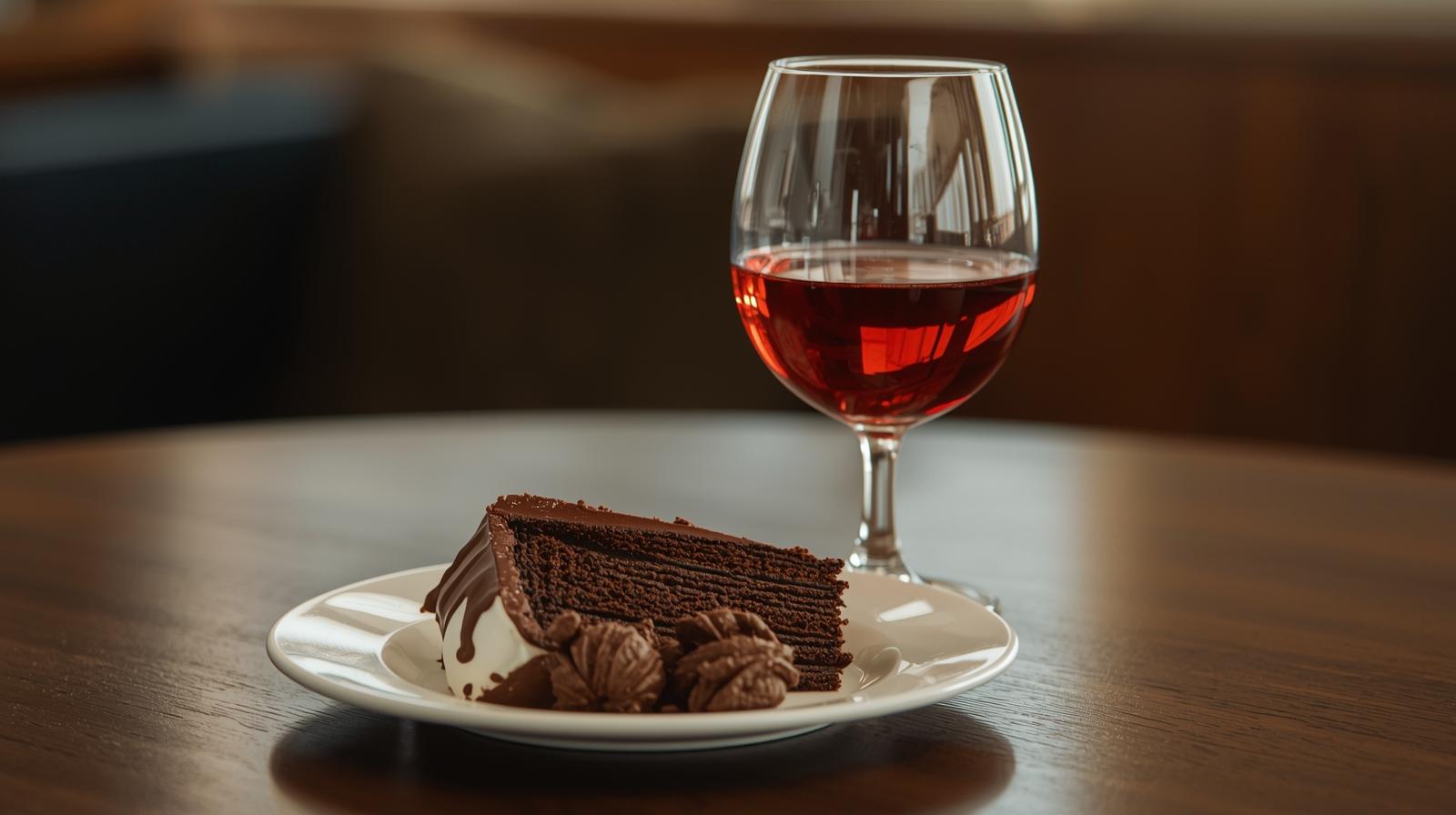
Dessert wine occupies a curious space in Australian wine culture. Many people assume it represents wine for those with unsophisticated palates, something you drink if you can’t handle dry wine. Yet dessert wine, made with genuine care and expertise, represents some of the most complex winemaking Australia produces. Understanding dessert wine means distinguishing between genuinely excellent bottles like De Bortoli Noble One and cheap, cloying alternatives flooding supermarket shelves.
What Dessert Wine Actually Is: Sweetness by Design
Dessert wine is fundamentally defined by residual sugar: natural grape sugars that remain in the wine after fermentation. Most table wine ferments completely, converting all sugar into alcohol, leaving virtually no residual sweetness. Dessert wine deliberately preserves sugar through various techniques, creating wines that taste noticeably sweet on the palate.
Wine law defines sweet wine as containing minimum forty-five grams of residual sugar per litre. For context, Coca-Cola contains approximately one hundred grams per litre. So even very sweet wine can be less sugary than common soft drinks. However, the key difference involves balance. A well-made dessert wine combines that sweetness with acidity, complexity, and structure that prevents cloyingness. A poorly made version tastes like cordial in a wine glass.
The Three Main Techniques: How Winemakers Achieve Sweetness
Late Harvest represents the simplest approach. Grapes remain on the vine longer than normal, allowing continued ripening that concentrates natural sugars. An ordinary Riesling might get picked at twenty-two percent potential alcohol. A late harvest Riesling picks at twenty-five or twenty-six percent, concentrating sugars dramatically. The winemaker then ferments this high-sugar must partially, stopping before yeast converts all sugar to alcohol. The result contains both substantial residual sugar and reasonable alcohol, typically ten to thirteen percent.
Botrytis, commonly called “noble rot,” represents Australia’s greatest dessert wine achievement. The fungus Botrytis cinerea infects grapes under specific conditions: humid mornings encouraging fungal growth, sunny afternoons preventing destructive rot. The fungus punctures grape skins, allowing water to evaporate whilst sugar remains, concentrating flavours and sugars dramatically. A normal Semillon might produce wine with perhaps one hundred grams residual sugar. A botrytised Semillon concentrates to two hundred, three hundred, or even higher. Simultaneously, botrytis develops distinctive aromas and flavours: honeysuckle, marmalade, caramel, spice.
Fortification adds distilled spirit to fermenting wine, raising alcohol to seventeen to twenty-two percent and killing yeast, preserving whatever sugar remains. Port, Madeira, Sherry, and Australian Muscat all use this approach.
These techniques create entirely different wines. Late harvest presents immediate, elegant sweetness. Botrytis wines develop extraordinary complexity through noble rot interaction. Fortified wines gain richness from spirit addition. Each style deserves different understanding and appreciation.
Australian Botrytis Wine: The Riverina Revolution
Australia’s botrytis dessert wine tradition began essentially in 1982 when Darren De Bortoli, fresh from winemaking studies, recognised that Riverina’s misty autumn mornings created ideal botrytis conditions. He created De Bortoli Noble One Botrytis Semillon, initially convinced by colleagues that nobody would want sweet wine.
De Bortoli proved them spectacularly wrong. Noble One became one of the most awarded wines in history, establishing both De Bortoli as a winery and Australian botrytis wine as a genuine category. The wine exemplifies what botrytis can accomplish: luscious sweetness balanced by vibrant acidity, complexity emerging from multiple layers of fruit and aromatic character.
Julie Mortlock, who stewarded Noble One for thirty-five years as De Bortoli’s senior winemaker, became known as the “Queen of Botrytis” for her meticulous work maintaining consistency and quality across decades. When she retired in 2024, her departure marked the end of an era, highlighting how fortified and dessert winemaking depends on accumulated expertise.
James Halliday, Australia’s most influential wine critic, captures what makes exceptional botrytis wine remarkable. Describing the 2018 Lethridge Botrytis Riesling, he wrote: “One of the best examples of this style I have tasted. Extraordinarily rich and intense; the acidity not searing as so often is the case, just balancing the sublime concentration of dried and sugar-coated fruit.” This observation highlights the crucial balance: acidity preventing cloying sweetness whilst still delivering genuine intensity.
The Botrytis Character: Why It Matters
Botrytis creates distinctive flavours that differentiate these wines from simple late harvest. The fungus develops unique aromatic compounds that register as honeysuckle, marmalade, apricot, and complex spice notes. These aromas represent botrytis itself, not just the grape variety.
A botrytis Semillon smells and tastes completely different from late harvest Semillon. Botrytis brings honeyed character and caramel notes impossible to achieve through ripening alone. This is why authentic botrytis wine costs more and commands serious attention. You’re tasting something genuinely different, something that only emerges when nature cooperates and winemakers execute perfectly.
The concentration botrytis creates means a small glass delivers substantial satisfaction. You don’t pour six-ounce glasses of botrytis wine. Instead, you savour three or four ounces, allowing the complexity to emerge rather than overwhelming your palate. This makes these wines economical. A single bottle lasts much longer than table wine because you consume less quantity at each sitting.
Late Harvest: The Elegant Alternative
Late harvest dessert wines represent a different philosophy. Rather than waiting for botrytis, winemakers simply extend ripening, allowing grapes to concentrate sugars naturally. Riesling excels at this approach. A late harvest Riesling presents lighter, fresher character than botrytis versions. The wine tastes more immediately like wine, less like concentrated essence.
Late harvest works brilliantly for cool climate regions where grapes require extended ripening to achieve adequate sweetness. In marginal vintages where botrytis fails to develop, late harvest provides backup strategy, allowing winemakers to create quality dessert wine even without noble rot.
James Halliday noted that late harvest expressions demonstrate particular elegance: “Riesling sweet wines achieve intensity of flavour without loss of varietal character and without ultra-sweet cordial flavours.” This captures late harvest’s strength: genuine wine character enhanced rather than masked by sweetness. You taste Riesling first, sweetness second.
Price and Value: What You’re Actually Paying For
Entry-level botrytis wines cost fifteen to twenty-five dollars for five hundred millilitre bottles. De Bortoli Noble One, the benchmark Australian botrytis, costs approximately twenty dollars for three-seventy-five millilitre half-bottles. For this price, you get one of the world’s most awarded wines, made with decades of accumulated expertise, from fruit requiring specific climate conditions and careful winemaking execution.
Premium botrytis or late harvest wines run twenty-five to forty dollars. These often come from single vineyards, limited production, or particularly exceptional vintages. You’re paying for scarcity combined with quality.
International equivalents cost substantially more. A Sauternes of comparable quality runs thirty-five to fifty dollars. German Beerenauslese or Trockenbeerenauslese cost forty to one hundred dollars. Hungarian Tokaji Aszú reaches similar prices. Australian dessert wine delivers equivalent or superior quality at dramatically lower prices.
Food Pairing: When Dessert Wine Transforms Meals
Traditional dessert wine pairing involves serving the wine with dessert. This remains valid. A botrytis Semillon with apple pie, a late harvest Riesling with crème brulee, fortified Muscat with chocolate cake all work beautifully.
Yet sophisticated pairing recognises that dessert wine’s acidity and complexity create unexpected affinities. Blue cheese represents a classic pairing with botrytis Semillon. The wine’s sweetness complements cheese’s saltiness. The acidity cuts through richness. The complexity stands up to cheese’s intensity. This pairing feels counterintuitive until you taste it.
Pâté pairs brilliantly with botrytis wine. The wine’s richness matches the food’s intensity whilst acidity prevents the pairing from becoming heavy. Spiced Asian desserts find natural affinity with aromatic late harvest wines.
Campbell Mattinson, wine writer for The Wine Front, notes the versatility emerging through contemporary understanding: “Emerging wine trends reveal that drinkers are increasingly drawn to balance, favouring wines that deliver richness without being cloying. Australian dessert wine, especially those produced in boutique regions, offers precisely that.”
The Crucial Balance: Acidity Prevents Cloying
The difference between great dessert wine and mediocre versions centres entirely on acidity. High residual sugar without adequate acidity creates something unpleasant: syrupy, cloying, more cordial than wine. Conversely, high sugar balanced by vibrant acidity creates something genuinely delicious.
This explains why botrytis development matters so much. The fungus simultaneously concentrates sugars and preserves acidity. A grape with twelve grams of acidity that concentrates to one hundred grams residual sugar still carries that acidity, now proportionally higher relative to liquid volume. This creates wines tasting intensely sweet yet finishing fresh rather than sticky.
Late harvest Riesling similarly succeeds because the grape naturally maintains high acidity even at extreme ripeness. A Riesling at ultimate ripeness still carries the acidity that defines the variety. This is why Riesling dominates dessert wine production globally. The grape achieves necessary sugar concentration whilst retaining the acidity that makes sweet wine drinkable.
Aging Potential: When Dessert Wine Improves
Quality dessert wine improves with bottle age, sometimes dramatically. A botrytis Semillon from twenty years ago tastes noticeably different and often better than when released. The honey and caramel characters develop deeper complexity. The acidity becomes more integrated. The wine approaches a state of perfect harmony.
This creates collecting opportunity. A botrytis wine from an excellent vintage costs similar to contemporary equivalent. Yet in fifteen or twenty years, as supply dwindles and the wine matures, the bottle appreciates. Unlike dry wines, which face real oxidation risk after extended aging, dessert wine’s sugar and acidity create conditions allowing decades or longer of graceful aging.
Late harvest wines age more briefly, typically reaching peak maturity within five to ten years. The fresher character that defines them gradually mellows. This isn’t deterioration, merely evolution from fresh youth to more complex maturity.
Why Australian Dessert Wine Deserves Recognition
Australia produces exceptional dessert wine consistently, yet these achievements remain underappreciated compared to international prestige wines. A De Bortoli Noble One represents world-class winemaking by any measure, yet costs a fraction of equivalent French, German, or Italian equivalents.
This reflects partly anonymity and partly marketing. Australian dessert wines simply don’t carry the prestige attached to centuries-old European traditions. Yet objectively, Australian botrytis wine rivals anything produced elsewhere. The Riverina’s climate creates ideal botrytis conditions. De Bortoli’s expertise, accumulated across generations, produces consistency and quality rivals recognize globally. The wines win international competition after international competition.
Understanding this means appreciating that excellence doesn’t always announce itself loudly. Sometimes the world’s greatest expressions emerge quietly in regional areas, earning accolades through genuine quality rather than marketing budgets.
The Honest Assessment: Start Small, Build Understanding
For those new to dessert wine, the practical approach involves beginning with accessible entry-level examples. A De Bortoli Noble One costs approximately twenty dollars. For this investment, you taste one of the world’s greatest botrytis wines. You experience what proper balance between sugar and acidity creates. You understand why these wines matter.
From there, explore late harvest Riesling, which presents lighter, fresher character. Then investigate premium botrytis wines from boutique producers. Finally, consider fortified Muscat from Rutherglen, which represents another Australian dessert wine tradition entirely.
Each reveals different aspects of what sophisticated sweetness can accomplish. None tastes like cordial. All demonstrate that sweetness, balanced by skill and acidity, creates something genuinely remarkable.
 Shiraz
 Cabernet Sauvignon
 Pinot Noir
 Grenache
 Merlot
 Red Wine Blends
 Chardonnay
 Riesling
 Pinot Gris
 Semillon
 Viognier
 Grenache Rosé
 Pinot Noir Rosé
 Shiraz Rosé
 Sangiovese Rosé
 Aglianico Rosé
 Clairette Rose
 Champagne
 Prosecco
 Sparkling Shiraz
 Blanc de Blanc
 Blanc de Noir
 Pet Nat
 Moscato
 Topaque
 Port
Port Sherry (dry & sweet)
 Muscat & Tokay
 Vermouth