 0473 644 098 · Mon–Fri 9am–5pm AESTHelp & FAQ


Five Perfect Wine Pairings for Fish – And the Surprising Match No Sommelier Ignores

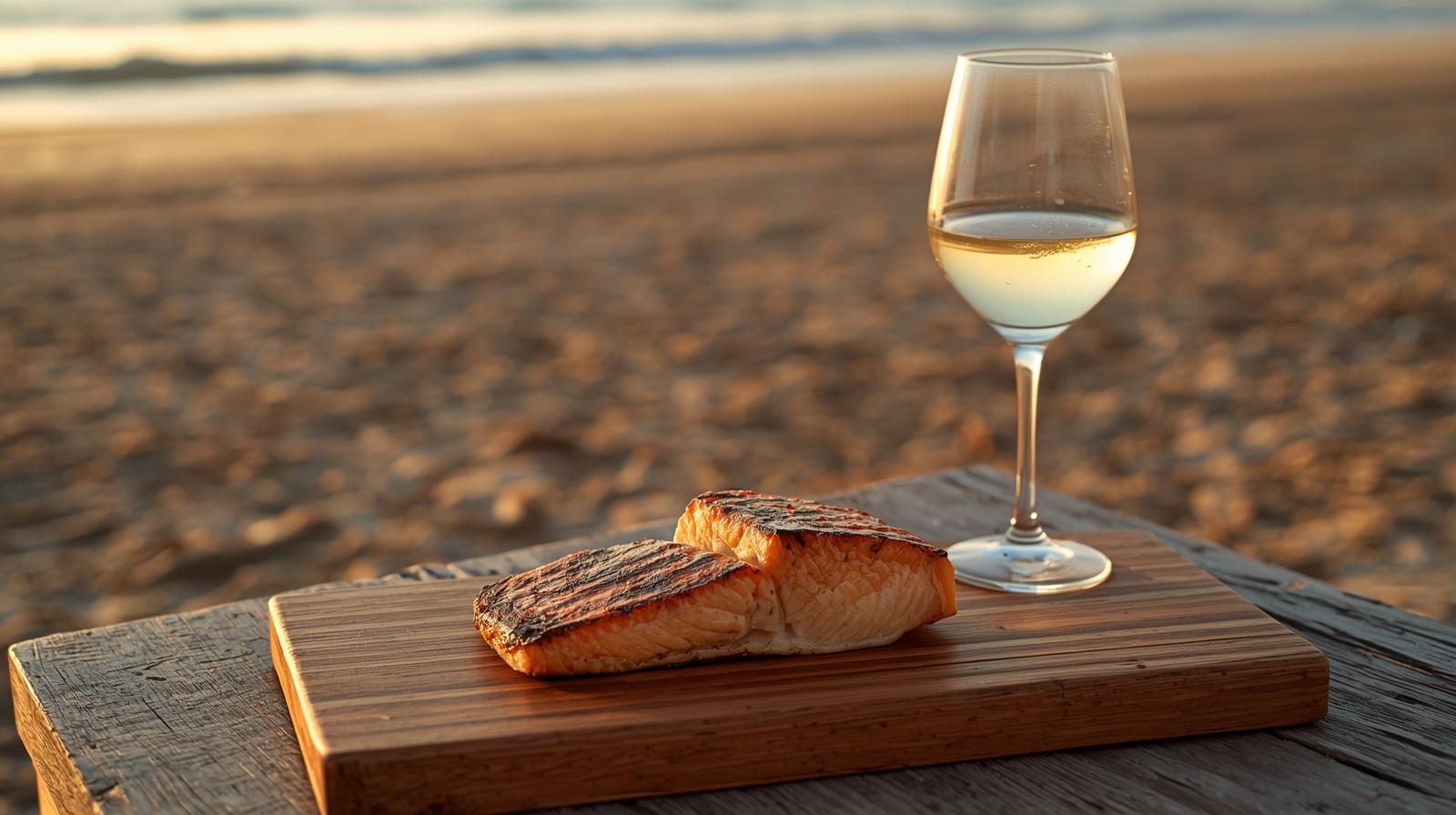
Fish and wine share a relationship far more nuanced than the tired maxim “white wine with fish” suggests. The chemistry between seafood and wine depends on more than just colour. Texture, preparation method, accompanying sauces, and the fish’s natural oil content all determine which wines transform a meal from ordinary to unforgettable.
Jancis Robinson, wine critic for Jancis Robinson Wine Reviews, notes, “Rules are meant to be broken, aren’t they? And certainly, with fish I wouldn’t limit anyone to white wine. I think there are lots of fish dishes that are really good with a fairly light red. Particularly Pinot Noir is lovely with salmon or tuna.” Understanding why specific pairings succeed requires examining the fundamental chemistry at play. Red wine tannins interact with fish oils, often creating metallic aftertaste that diminishes both wine and food. Yet this doesn’t mandate white wine exclusivity. Rather, it demands thoughtful selection considering tannin levels, acidity, and flavour intensity alongside the specific fish preparation.
Why Fish and Wine Pairing Matters
The old rule about white wine with fish emerged from genuine chemical interaction rather than arbitrary convention. Tannins in red wine bind with fish proteins and oils, creating unpleasant metallic or bitter sensations on the palate. This interaction proves particularly pronounced with delicate white fish and lighter preparations where the metallicness dominates overall experience.
Yet understanding this principle reveals exceptions rather than reinforcing dogma. Low-tannin red wines avoid problematic interaction whilst providing structure and complexity unavailable through white alternatives. Similarly, oilier fish like salmon or tuna possess sufficient richness to stand alongside moderate tannins without the metallicness appearing.
The best fish pairings balance multiple considerations simultaneously: matching weight and intensity between wine and dish, ensuring sufficient acidity to cut through richness, avoiding aggressive tannins with delicate fish, and selecting wines whose flavour profiles complement rather than compete with the fish’s natural character and accompanying preparations.
Muscadet with Oysters and Delicate Shellfish
When oysters arrive at the table, reach for Muscadet from the Loire Valley. This pairing represents one of wine’s most perfect marriages, a combination where geography and gastronomy evolved together across centuries. Muscadet emerges from the Loire’s Atlantic coast, where the same briny waters nurturing oysters also influence vineyard character through maritime climate and mineral-rich soils.
The wine’s bone-dry profile, bracing acidity, and subtle mineral salinity create seamless integration with raw oysters’ delicate brininess. Muscadet works because it refuses to compete. The wine’s neutral fruit character allows oyster flavour to dominate whilst providing textural contrast through acidity and subtle effervescence from Sur Lie ageing.
Look for bottles marked ‘Sur Lie’, indicating wines aged on yeast lees following fermentation. This traditional technique adds subtle richness and creaminess to the wine’s texture whilst maintaining characteristic freshness. The result creates perfect foil for oyster’s silky texture without overwhelming delicate maritime flavours.
This pairing extends beyond oysters to encompass raw shellfish preparations broadly. Ceviche, crudo, and sashimi all find sympathetic partnership with Muscadet’s restrained character. The wine’s high acidity mirrors citrus marinades common in these preparations whilst its mineral character echoes oceanic salinity.
Quality Muscadet from producers like Domaine de l’Ecu or Luneau-Papin demonstrates remarkable complexity beneath apparent simplicity. These expressions reveal why serious sommeliers consistently recommend this pairing despite the wine’s modest pricing and humble reputation. Prices remain remarkably accessible, typically ranging from 12 to 28 dollars, making Muscadet one of wine’s greatest values for fish pairing.
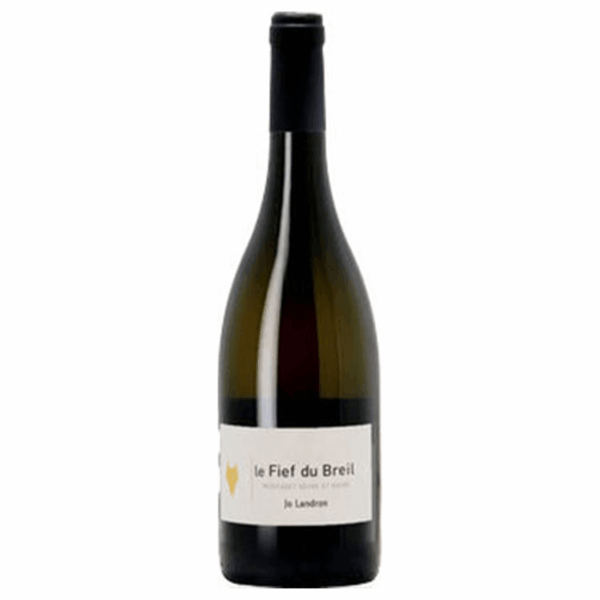 $400.00
$66.67 / bottle
Jo Landron Muscadet Sèvre et Maine Le Fief du Breil 2018 (6 Bottles) Muscadet, France
$400.00
Shipped by
Fine Wine Cellars
$66.67 / bottle
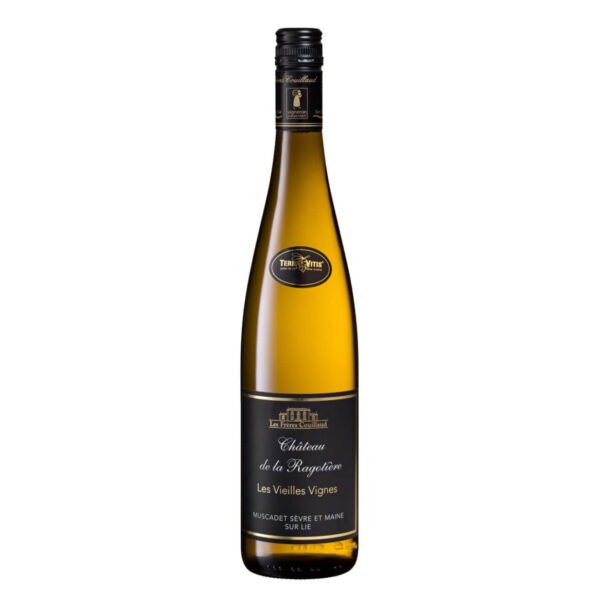 $330.00
$27.50 / bottle
Château de la Ragotière Muscadet Sevre et Maine Sur Lie 2024 (12 Bottles) Loire Valley, France
$330.00
Shipped by
Ergo Wines
$27.50 / bottle
 $243.00
$40.50 / bottle
Eric Chevalier Clos de la Butte Muscadet 2022 (6 Bottles) Loire Valley, France
$243.00
Shipped by
World Wine Estates
$40.50 / bottle
Chablis with Dover Sole and Delicate White Fish
Nothing flatters simply prepared Dover sole, turbot, or other delicate white fish like fine Chablis. The wine represents unoaked Chardonnay at its most refined, producing expressions of crystalline purity ideally suited to subtle, sweet-fleshed fish.
The wine’s characteristic minerality, often described as flinty or chalky, creates remarkable synergy with the sweet, subtle flesh of premium white fish. This mineral character derives from Chablis’ distinctive Kimmeridgian limestone soils, ancient seabeds rich in fossilised oyster shells. The terroir quite literally connects wine to maritime origins, creating genuine affinity with ocean-dwelling fish.
Valentin Mouillard, sommelier at L’Enclume, emphasises preparation consideration: “When it comes to pairing wine with fish, always consider the cooking technique and especially the sauce.” This observation proves particularly relevant for Chablis, whose high acidity works brilliantly with butter-based preparations like sole meunière whilst maintaining enough restraint for simply grilled fish with lemon.
The classic Dover sole meunière pairing showcases why Chablis succeeds so brilliantly. The wine’s acidity cuts through butter richness, preventing the dish from becoming cloying or heavy. Its mineral character complements the fish’s delicate sweetness without competing for attention. Its absence of oak ensures nothing interferes with subtle flavours requiring delicate treatment.
Premier Cru and Grand Cru Chablis from producers like William Fèvre, Jean-Paul & Benoît Droin, or Domaine Christian Moreau bring additional complexity without sacrificing the focused character making this pairing successful. These elevated expressions show greater depth and ageing potential whilst maintaining the transparency and precision essential for white fish pairing.
Quality Chablis ranges from 25 to 55 dollars for village-level expressions, with Premier Cru commanding 40 to 75 dollars and Grand Cru significantly higher. The investment proves worthwhile for those seeking perfect alignment between wine and fish, particularly for special occasions or premium fish preparations.
 $596.00
$49.67 / bottle
Vincent Tremblay Chablis 2023 (12 Bottles) Burgundy, France
$596.00
Shipped by
Principal Wines
$49.67 / bottle
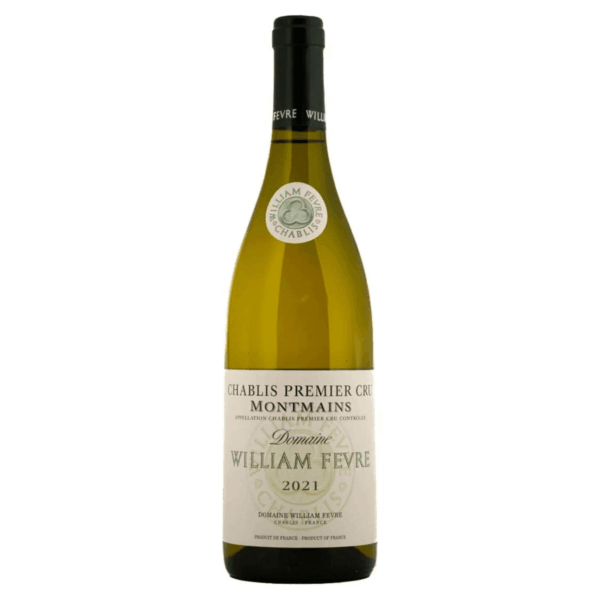 $787.00
$131.17 / bottle
Domaine William Fevre Montmains Premier Cru 2022/2023 (6 Bottles) Chablis, France
$787.00
Shipped by
Wines Australia
$131.17 / bottle
 $424.00
$70.67 / bottle
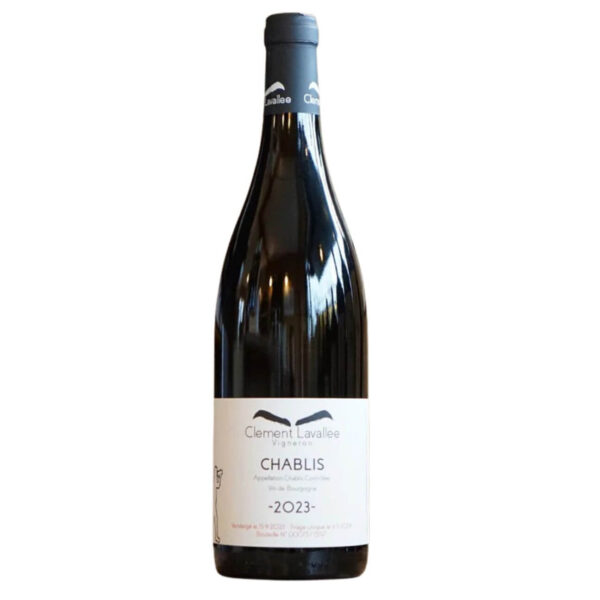
Clément Lavallée Chablis 2023 (6 Bottles) Burgundy, France
$424.00
Shipped by
Principal Wines
$70.67 / bottle
Albariño with Grilled Sea Bass and Mediterranean Fish
Spain’s Albariño, from coastal Rías Baixas in Galicia, produces wines of distinctive salinity and citrus character ideally suited to Mediterranean fish preparations. The variety’s natural affinity for seafood reflects its coastal origins, where Atlantic influence shapes both vineyard and fishing traditions that evolved together across centuries.
The wine’s aromatic complexity distinguishes it from simpler alternatives. Peach, apricot, and citrus fruit combine with distinctive mineral salinity and herbal undertones, creating wines of genuine interest beyond mere food compatibility. This complexity permits pairing with more elaborate preparations where simpler wines might disappear beneath bold flavours.
Albariño’s textural richness provides substance matching grilled or roasted fish whilst maintaining the acidity necessary for tomato-based preparations and olive oil dressings common in Mediterranean cuisine. The wine shows sufficient body to stand alongside substantial fish like sea bass, bream, or snapper without becoming heavy or losing refreshing character.
Grilled sea bass with herbs exemplifies Albariño’s ideal partnership. The wine’s citrus character echoes lemon commonly accompanying grilled fish. Its herbal undertones complement Mediterranean herb preparations featuring rosemary, thyme, and oregano. Its textural richness matches the fish’s substantial flesh whilst acidity cuts through olive oil richness. The result creates genuine synergy rather than mere compatibility.
The pairing extends to preparations featuring tomatoes, peppers, and other Mediterranean vegetables. Albariño’s acidity handles tomato beautifully, avoiding the flatness that plagues many wines alongside acidic preparations. Similarly, the wine’s fruit character complements rather than conflicts with sweet roasted peppers or aubergine.
Quality Rías Baixas Albariño typically ranges from 15 to 35 dollars, with premium single-vineyard expressions commanding 40 to 60 dollars. Producers like Pazo de Señorans, Do Ferreiro, and Zárate consistently deliver quality worthy of serious fish preparations. These expressions demonstrate what Albariño achieves when producers respect the variety rather than merely pursuing commercial approachability.
 $207.00
$34.50 / bottle
 $336.00
$28.00 / bottle
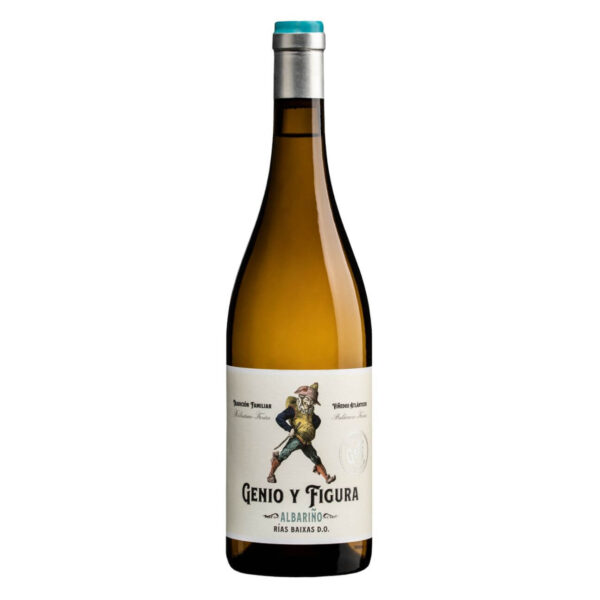
Genio Y Figura Albariño 2021 (12 Bottles) Rias Biaxas, Spain
$336.00
Shipped by
Vintage House Wine & Spirits
$28.00 / bottle
 $268.00
$22.33 / bottle
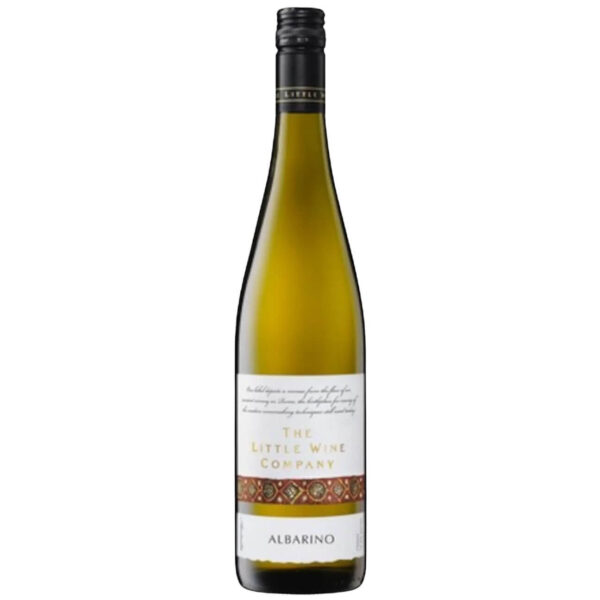
The Little Wine Company Albarino 2025 (12 Bottles) Hunter Valley, NSW
$268.00
Shipped by
Single Vineyard Sellers
$22.33 / bottle
Sancerre and Pouilly-Fumé with Goat Cheese-Crusted Fish
Loire Valley Sauvignon Blanc, particularly from Sancerre and Pouilly-Fumé, offers distinctive pairing potential with preparations featuring goat cheese, herbs, or acidic accompaniments. The wine’s characteristic herbaceous aromatics and racy acidity create natural affinity with dishes where traditional choices might struggle.
The pairing works particularly brilliantly with preparations featuring goat cheese crusts or accompaniments, a combination celebrating regional traditions where wine and cheese evolved together. The wine’s grassy, herbal character complements rather than conflicts with goat cheese’s distinctive tang, whilst sufficient acidity prevents richness from becoming overwhelming.
Beyond cheese, Loire Sauvignon Blanc works beautifully with herb-crusted fish preparations or dishes featuring acidic elements like capers, pickled vegetables, or citrus-forward sauces. The wine’s natural herbaceousness echoes fresh herbs, creating integrated flavours rather than competing elements.
Quality Sancerre and Pouilly-Fumé from producers like François Cotat, Alphonse Mellot, or Didier Dagueneau demonstrate remarkable complexity and ageing potential beyond commercial Sauvignon Blanc’s simple fruit-forward character. These expressions reveal mineral depth, textural richness, and aromatic complexity justifying premium pricing.
Expect to invest 25 to 45 dollars for quality Sancerre or Pouilly-Fumé, with premium single-vineyard expressions commanding 50 to 85 dollars. The investment delivers genuine sophistication suitable for elaborate fish preparations requiring wines of equivalent quality.
 $729.00
$60.75 / bottle
Pierre Morin Sancerre Vieilles Vignes 2023 (12 Bottles) Loire Valley, France
$729.00
Shipped by
World Wine Estates
$60.75 / bottle
 $631.00
$105.17 / bottle
Domaine Alphonse Mellot Sancerre La Moussière 2024 (6 Bottles) Sancerre, France
$631.00
Shipped by
Fine Wine Cellars
$105.17 / bottle
 $1,793.00
$149.42 / bottle
Domaine Gérard Boulay Sancerre La Côte 2023 (12 Bottles) Sancerre, France
$1,793.00
Shipped by
Fine Wine Cellars
$149.42 / bottle
Pinot Noir with Salmon and Meaty Fish
Step away from white entirely for richer, oilier fish preparations. Salmon, tuna, swordfish, and other substantial fish demand wines capable of matching rich texture without overwhelming delicate flavour. Pinot Noir, particularly from cooler climates like Burgundy, Oregon, or New Zealand, provides ideal partnership through moderate body, soft tannins, and complementary flavour profile.
The pairing succeeds because Pinot Noir’s tannins remain sufficiently soft to avoid metallic interaction with fish oils whilst providing structure unavailable through white alternatives. Simultaneously, the wine’s red fruit character and subtle earthiness complement salmon’s rich texture and distinctive flavour. The combination feels natural rather than forced, both elements enhancing rather than competing.
Andrea Robinson, Master Sommelier and wine educator, explains, “A Pinot Noir from Burgundy can be medium bodied and pair perfectly with a medium bodied fish like salmon. Pairing medium body with medium body really works.” This principle of matching intensity levels proves fundamental to successful pairing regardless of specific wines or dishes involved.
The pairing extends beyond salmon to encompass tuna, particularly seared or grilled preparations where Pinot Noir’s subtle smokiness and earthy undertones echo charred elements. Swordfish, monkfish, and other meaty fish similarly benefit from Pinot Noir’s structure and complexity.
Service temperature matters considerably for this pairing’s success. Serving Pinot Noir slightly cool, around 14 to 16 degrees Celsius, emphasises freshness and fruit character whilst minimising any tannic harshness that might create problematic interaction. This temperature range creates optimal conditions for successful red wine and fish pairing.
The key involves selecting lighter-styled Pinot Noir rather than powerful, extracted examples whose concentrated tannins might create the metallic interaction problematic with fish. Burgundian village wines, Oregon Willamette Valley expressions, or New Zealand Central Otago bottlings typically show appropriate style for fish pairing.
Quality Pinot Noir for fish pairing ranges widely in price. Village-level Burgundy typically starts around 30 to 50 dollars, whilst Oregon and New Zealand alternatives offer excellent quality from 25 to 45 dollars. The investment permits exploring red wine with fish without risking the metallic disappointment accompanying poorly chosen alternatives.
 $227.00
$37.83 / bottle
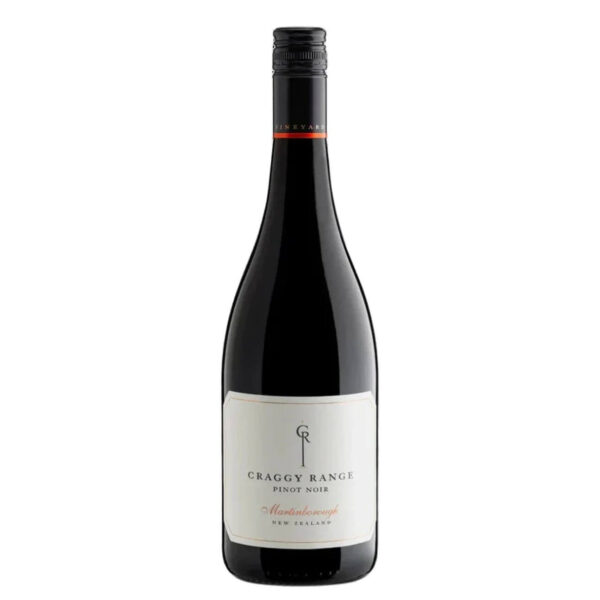
Craggy Range Martinborough Pinot Noir 2025 (6 Bottles) Martinborough, NZ
$227.00
Shipped by
Joval Wines
$37.83 / bottle
 $463.00
$77.17 / bottle
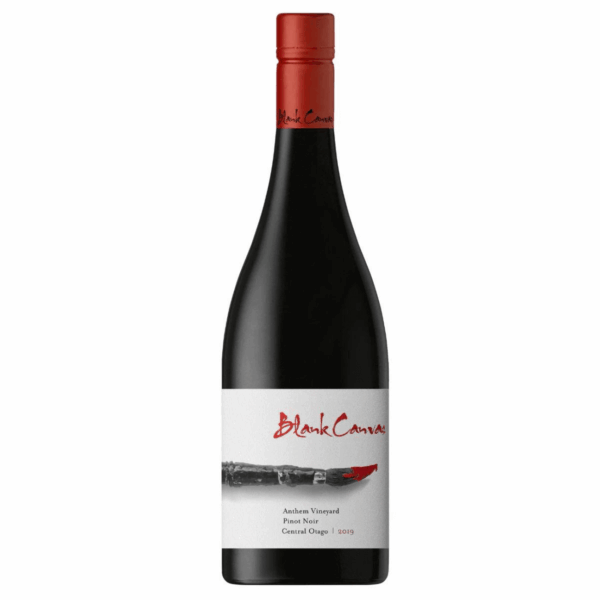
Blank Canvas Anthem Pinot Noir 2023 (6 Bottles) Central Otago, New Zealand
$463.00
Shipped by
World Wine Estates
$77.17 / bottle
 $305.00
$25.42 / bottle
Warramunda Estate Liv Zak Pinot Noir 2024 (12 Bottles) Yarra Valley, VIC
$305.00
Shipped by
BWM
$25.42 / bottle
Vintage Champagne with Smoked Salmon and Luxurious Seafood
If genuine luxury appears on the menu, nothing surpasses vintage Champagne with smoked salmon, crab terrine, lobster, or other elaborate seafood preparations. The wine’s complexity and textural richness match even the most refined seafood whilst its effervescence provides palate-cleansing contrast preventing richness from becoming overwhelming.
The interaction between Champagne’s bubbles and smoked salmon’s unctuous texture creates particularly remarkable sensation. Each sip refreshes the palate, preparing it for the next bite whilst the wine’s toasty, brioche character echoes smokiness. The wine’s acidity cuts through richness, preventing palate fatigue across extended dining.
Belinda Chang, sommelier and food writer, observes, “The fruitiness in rosé Champagne balances the bitterness of toppings and complements the briny notes of the fish, while the acidity keeps your palate alive for the next forkful.” This observation captures how Champagne’s complexity permits matching dishes whose elaboration might overpower simpler wines.
The pairing extends beyond smoked salmon to encompass lobster thermidor, rich crab preparations, elaborate seafood terrines, and even caviar. Vintage Champagne’s complexity permits matching dishes whose richness demands wine of equivalent substance and sophistication.
Blanc de Blancs Champagne, produced entirely from Chardonnay, shows particular aptitude for delicate seafood preparations where its precision and minerality complement subtle flavours. Conversely, Blanc de Noirs expressions, made from Pinot Noir and Pinot Meunier, provide sufficient body for richer preparations requiring greater substance.
Quality vintage Champagne ranges from 70 to 150 dollars for serious expressions, with prestige cuvées commanding 200 to 400 dollars or beyond. The investment represents genuine value for special occasions where seafood deserves wine of equivalent distinction. Houses like Bollinger, Pol Roger, and Krug consistently deliver quality justifying premium positioning.
 $153.00
$25.50 / bottle
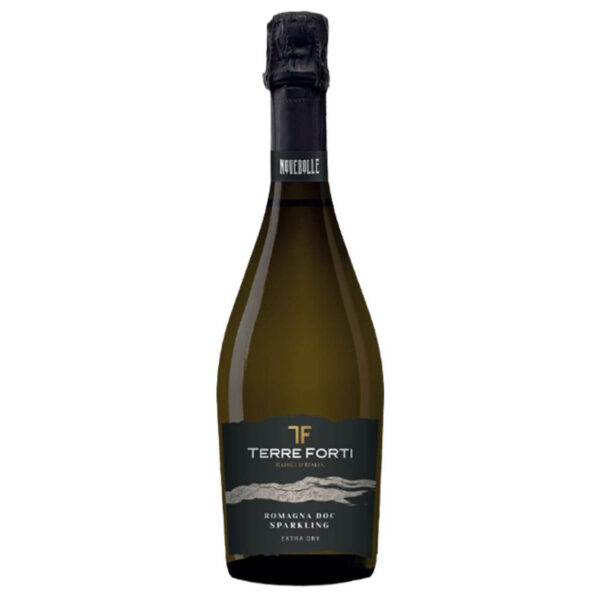
Terre Forti Novebolle Sparkling NV (6 Bottles) Emilia Romagna, Italy
$153.00
Shipped by
BWM
$25.50 / bottle
 $712.00
$118.67 / bottle
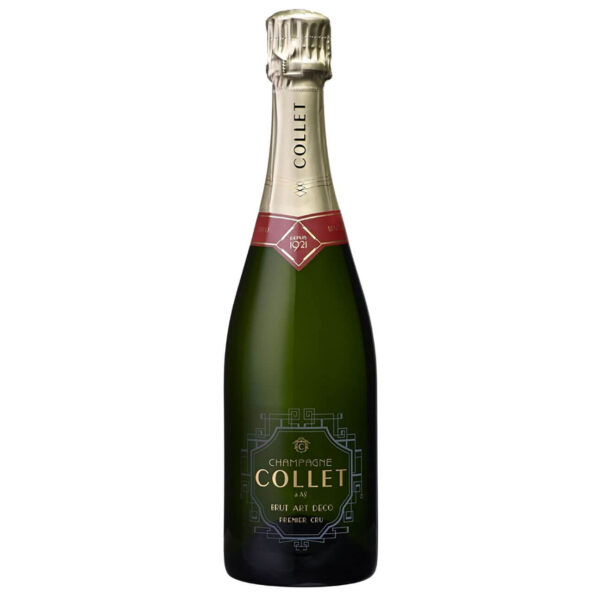
Champagne Collet Art Deco 1er Cru NV (6 Bottles) Aÿ-Champagne, France
$712.00
Shipped by
BWM
$118.67 / bottle
 $1,075.00
$179.17 / bottle
Pierre Gimonnet & Fils Special Club Grand Terroirs de Chardonnay 2015/2016 (6 Bottles) Champage, France
$1,075.00
Shipped by
Wines Australia
$179.17 / bottle
Grüner Veltliner with Vegetable-Accompanied Fish
Austria’s Grüner Veltliner offers distinctive pairing potential with fish preparations emphasising vegetables, particularly asparagus, artichokes, or green vegetables that challenge many wines. The variety’s characteristic white pepper spice and mineral expression work naturally with vegetable elements whilst maintaining sufficient acidity and body for fish itself.
The wine’s peppery character creates particularly interesting interaction with black pepper-crusted fish or preparations featuring peppercorns. This echo of similar flavours between wine and dish creates integrated experience rather than competing elements. Similarly, Grüner Veltliner’s herbal undertones complement dishes featuring fresh herbs or green vegetables.
Quality Grüner Veltliner from Wachau, Kamptal, or Kremstal demonstrates remarkable complexity and ageing potential beyond commercial expressions’ simple fruit-forward character. Producers like Franz Hirtzberger, Emmerich Knoll, and Nikolaihof craft expressions showing mineral depth, textural richness, and aromatic complexity suitable for serious fish preparations.
The wine’s moderate alcohol, typically 12 to 13%, creates refreshing character preventing heaviness even alongside rich preparations. This restraint makes Grüner Veltliner particularly suitable for lunchtime dining or warm-weather meals where heavier wines might prove overwhelming.
Quality Austrian Grüner Veltliner ranges from 18 to 35 dollars for Klassik expressions, with Smaragd designations from premium producers commanding 40 to 75 dollars. The investment delivers genuine sophistication and distinctive character unavailable through more mainstream alternatives.
 $296.00
$49.33 / bottle
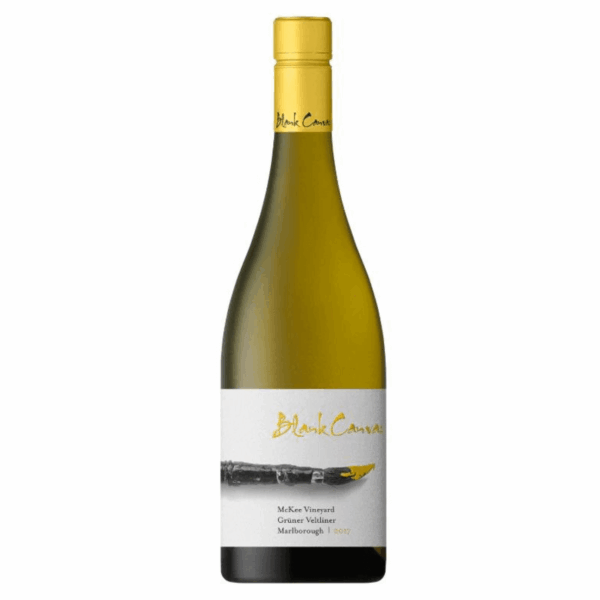
Blank Canvas Gruner Veltliner 2024 (6 Bottles) Marlborough, New Zealand
$296.00
Shipped by
World Wine Estates
$49.33 / bottle
 $191.00
$31.83 / bottle
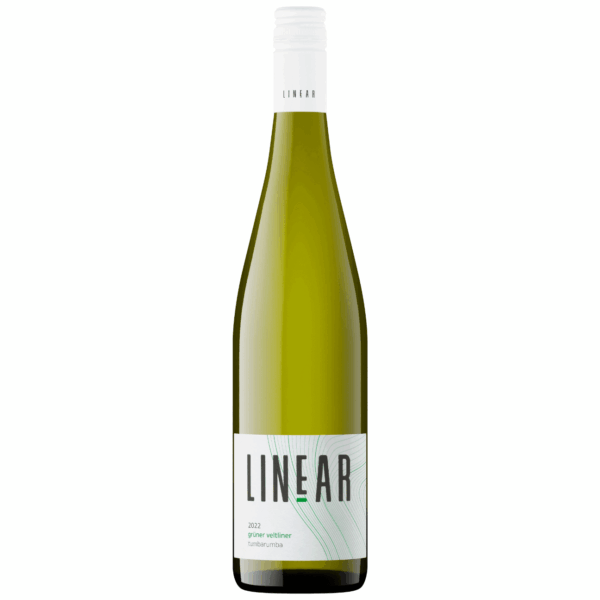
Linear Grüner Veltliner 2023 (6 Bottles) Tumbarumba, NSW
$191.00
Shipped by
Principal Wines
$31.83 / bottle
 $320.00
$53.33 / bottle
Hahndorf Hill Reserve Gruner Veltliner 2023 (6 Bottles) Adelaide Hills, SA
$320.00
Shipped by
Hahndorf Hill Winery, Adelaide Hills SA
$53.33 / bottle
The Surprising Match: Light Red Wine with Substantial Fish
While the classics consistently deliver satisfaction, the genuine “sommelier secret” involves understanding when light red wines work beautifully with fish if chosen wisely. Beaujolais with chargrilled octopus, Cinsault with Mediterranean tuna, or Schiava with swordfish demonstrate how low-tannin reds bring satisfaction well beyond traditional pairings.
The principle involves selecting reds with minimal tannin whilst maintaining sufficient acidity for fish compatibility. Gamay from Beaujolais, particularly from serious Cru villages like Morgon or Fleurie, shows soft tannins and bright acidity permitting pairing with substantial fish. Serve slightly cool, around 13 to 15 degrees Celsius, to emphasise freshness and minimise any tannic perception.
As Robinson writes, “Delicate foods such as sashimi, sushi, white fish, mozzarella and burrata call for delicate wines. Meatier, chewier fish such as tuna, octopus, char-grilled squid and salmon are perfectly happy with Pinot Noir, Beaujolais, Cinsault or Mencía from northwest Spain.” This observation captures how matching intensity levels matters more than following colour-based rules.
Cinsault from Provence or South Africa offers another distinctive alternative, showing bright fruit and soft tannins alongside sufficient structure for grilled or roasted fish. The variety’s natural elegance prevents overwhelming fish whilst providing complexity unavailable through white alternatives.
Spanish Mencía from Bierzo or Italian Schiava from Alto Adige similarly demonstrate low-tannin reds’ potential with fish. These varieties share characteristic bright acidity, soft tannins, and refreshing character making them surprisingly compatible with substantial fish preparations where traditional choices might seem predictable.
Understanding the Principles
Successful fish pairing extends beyond memorising specific combinations to understanding fundamental principles permitting confident selection across diverse preparations. Match intensity levels between wine and dish, ensuring neither element dominates. Consider preparation method and accompanying sauces as carefully as the fish itself, recognising that butter, citrus, herbs, or tomatoes fundamentally alter pairing requirements.
Prefer wines with sufficient acidity to cut through richness whilst avoiding aggressive tannins creating metallic interaction with fish oils. This principle explains why high-acid whites consistently succeed with fish whilst also revealing when low-tannin reds work beautifully with substantial preparations.
Temperature management proves crucial for successful fish pairing. Serving whites at 10 to 12 degrees Celsius emphasises crispness and acidity essential for food compatibility. Light reds benefit from modest chill at 13 to 15 degrees, preventing tannins from becoming prominent whilst maintaining refreshing character.
Understanding these principles transforms fish pairing from mysterious art into confident practice. The best fish wines emphasise acidity, restraint, and complementary flavour profiles over power or complexity. This approach creates partnerships where both wine and fish achieve greater expression together than either manages alone.
Pairing fish with wine is both art and science. The results, when done right, deliver that rare “wow” moment at the table, transforming simple seafood into contemplative culinary experiences. Ready to discover what your next seafood course can become? Find your perfect bottle and experience the difference a thoughtful wine match makes.
 Aglianico
 Barbaresco
 Barbera
 Beaujolais
 Blaufrankisch
 Bourgogne
 Burgundy
 Cabernet
 Cabernet Franc
 Cabernet Malbec
 Cabernet Merlot
 Cabernet Sauvignon
 Cabernet Sauvignon Merlot
 Cabernet Sauvignon Shiraz
 Carignan
 Chateauneuf du Pape
 Chianti
 Cinsault
 Corvina
 Dolcetto
 Gamay
Gamay Gamay Noir
 Grenache
 Lagrein
 Malbec
 Mataro
 Mencia
 Merlot
 Monastrell
 Montepulciano
 Mourvèdre
 Nebbiolo
 Nero D’Avola
 Pinot
Pinot Pinot Meunier
 Pinot Nero
 Pinot Noir
 Primitivo
 Red Wine Blend
 Rosso
Rosso Rouge
Rouge Sangiovese
 Saperavi
 Shiraz
 Shiraz Cabernet
 Shiraz Malbec
 Shiraz Mataro
 Shiraz Tempranillo
 Shiraz Viognier
 Syrah
Syrah Tempranillo
 Touriga
 Zweigelt
 Albariño
 Arneis
 Blanc
Blanc Botrytis
 Chablis
 Chardonnay
 Chenin Blanc
 Clairette
 Fiano
Fiano Friulano
 Garganega
 Gewurztraminer
 Grenache Blanc
 Grùner Veltliner
 Muscadet
 Pinot Grigio
 Pinot Gris
 Riesling
 Roussanne
 Sauvignon Blanc
 Sauvignon Blanc Semillon
 Savagnin
 Semillon
 Semillon Sauvignon Blanc
 Sweet Semillon
 Verdelho
 Vermentino
 Viognier
 Vouvray
 Grenache Rosé
 Mataro Rosé
 Rosato
 Sangiovese Rosé
 Tempranillo Rosé
 Blanc de Blanc
 Brut
Brut Brut Cuvee
 Champagne
 Methode Traditionelle
 Pet Nat
 Prosecco
 Sparkling Chardonnay
 Sparkling Chardonnay Pinot Noir
 Sparkling Cuvee
 Sparkling Red
 Sparkling Pinot Noir
 Sparkling Riesling
 Sparkling Rosé
 Cuvée Rosé
 Sparkling Pinot Rosé
 Sparkling Shiraz
 Moscato
 Muscat
 Topaque
 Port
Port Tawny Port
 Sherry
 Tawny
Tawny Vermouth
 Gin
Gin