 0473 644 098 · Mon–Fri 9am–5pm AESTHelp & FAQ


Understanding Wine Acidity – Why It Matters More Than You Think

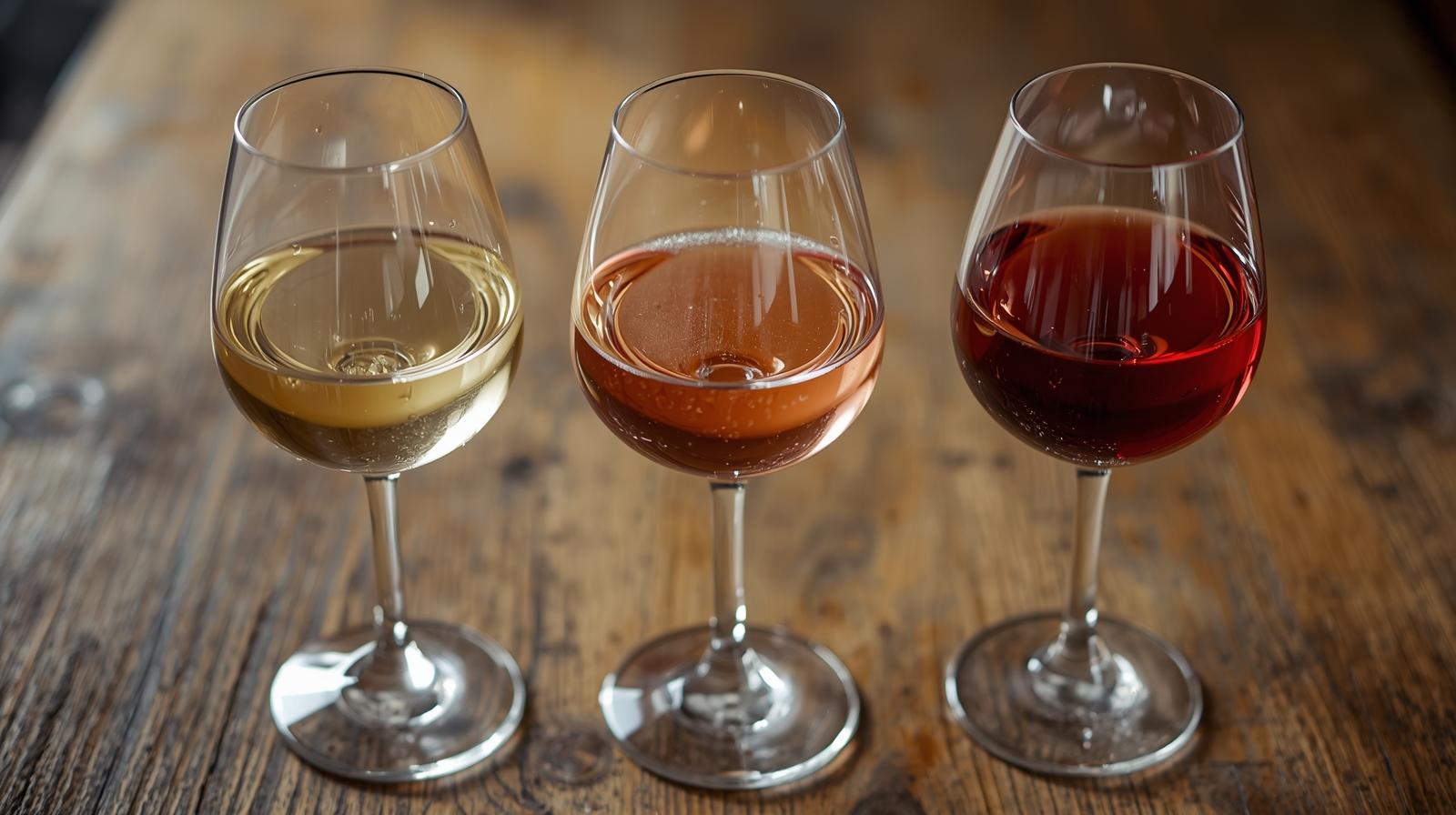
Most wine enthusiasts talk confidently about tannins, oak influence, and body. Yet acidity, arguably the most important structural element in wine, remains poorly understood and frequently overlooked. This invisible backbone determines whether a wine tastes fresh or flabby, whether it ages gracefully or collapses within years, and whether it enhances food or fights against it at the dinner table.
Understanding acidity transforms wine appreciation. It explains why certain bottles improve for decades whilst others fade within months. It reveals why specific pairings succeed brilliantly whilst others fail miserably. It provides vocabulary for articulating what makes wines genuinely compelling rather than merely pleasant.
The Science Behind Wine Acidity
All wines sit firmly on the acidic side of the pH scale, typically ranging from 2.5 to about 4.5 pH (neutral being 7). This acidity derives primarily from three acids present in grapes: tartaric, malic, and citric, each contributing distinct character to finished wine.
Tartaric acid represents wine’s primary acid and distinguishes grape-based beverages from other fermented drinks. This acid provides the characteristic “vinous” quality associated with wine, contributing crispness and structure whilst helping maintain chemical stability. Tartaric acid also causes the harmless “wine diamonds” or tartrate crystals occasionally found in bottles, particularly those stored at cold temperatures.
Malic acid derives its name from malum, Latin for apple, and contributes sharp, green-apple character common in wines from cooler climates. Many winemakers convert malic acid to softer lactic acid through malolactic fermentation, a secondary process that transforms aggressive acidity into rounder, creamier character. This explains why some Chardonnays taste creamy and rich whilst others remain crisp and citric.
Citric acid appears in smaller quantities, providing fresh, bright character associated with citrus fruits. Winemakers sometimes add citric acid during production to enhance freshness, though excessive addition can create unbalanced, artificial character.
The interplay between these acids creates wine’s fundamental structure. High-acid wines taste crisp, fresh, and vibrant. Low-acid wines feel soft, round, and sometimes flat or “flabby” if acidity drops too low. Neither extreme represents inherent quality. Rather, appropriate acidity depends on wine style, grape variety, and intended food pairings.
How to Identify Acidity When Tasting
Acidity represents one of wine’s easiest elements to identify once you know what to look for. The sensation manifests physically rather than requiring complex flavour identification.
The salivation test provides the most reliable indicator. Take a small sip of wine, hold it in your mouth briefly, then swallow. Pay attention to how much your mouth waters afterwards. High-acidity wines trigger significant salivation as your body’s natural response to acid. The more your mouth waters, and the longer this sensation continues, the higher the acidity. Low-acid wines produce minimal salivation, leaving the mouth feeling relatively dry or unchanged.
The sides of your tongue provide another reliable indicator. Acidity typically produces tingling or puckering sensation along the tongue’s sides, similar to the feeling after biting into a tart lemon or green apple. This physical response helps distinguish acidity from tannin, which produces drying sensation across the entire mouth.
Visual clues offer preliminary assessment before tasting. In red wines, brighter, more ruby colours often indicate higher acidity, whilst darker, more purple hues may suggest richer, potentially lower-acid wines. This correlation isn’t absolute but provides useful initial guidance.
Aromatic associations connect smell and taste. High-acid wines typically show citrus, green apple, or other tart fruit aromas that prepare the palate for acidic sensation. Wines emphasising ripe stone fruit, tropical notes, or jammy character often possess lower acidity.
Why Acidity Determines Ageing Potential
Perhaps acidity’s most important function involves determining how gracefully wines age over time. Wines with sufficient acidity can improve for decades, developing complexity and nuance impossible to achieve through any other means. Wines lacking adequate acidity often fade quickly, losing fruit character without developing compensating complexity.
Acidity acts as preservative, creating an environment hostile to spoilage bacteria whilst slowing oxidation processes that degrade wine over time. Low pH (high acidity) wines demonstrate remarkable longevity, with certain German Rieslings, Burgundian whites, and Loire Valley Chenin Blancs improving across 30, 50, or even more years.
Hugh Johnson, wine author and founder of The World Atlas of Wine, captures this principle eloquently: “Acidity is the preservative that allows wines to age for decades. Without it, even the finest grapes produce wines that tire quickly.” His observation explains why cool-climate regions consistently produce wines with greater ageing potential than their warm-climate counterparts.
Structure and balance shift as wines age. Tannins soften, fruit character evolves from fresh to dried, and secondary aromas emerge. Throughout this evolution, acidity remains relatively stable, providing consistent backbone that keeps wines lively and interesting. Without sufficient acidity, aged wines taste hollow and lifeless, as if something essential has disappeared.
The perception of acidity changes even when actual acid levels remain stable. Young wines with prominent fruit may hide high acidity behind flavour intensity. As fruit fades with age, acidity becomes more apparent. This explains why certain wines that seem balanced young can taste overly acidic decades later, their fruit having dissipated whilst acid levels remained unchanged.
Understanding this dynamic helps predict which wines warrant cellaring versus immediate consumption. Wines showing good acidity, concentrated fruit, and balanced structure typically possess ageing potential. Wines already tasting flat or flabby rarely improve with time.
Climate, Terroir, and Acidity
Geography fundamentally shapes acidity levels in wine. Understanding this relationship helps predict wine character before tasting and explains regional style differences that define wine’s remarkable diversity.
Cool climate regions produce grapes with higher natural acidity. Shorter growing seasons and lower temperatures preserve the acids present in grapes, as warmer conditions cause acid degradation during ripening. This explains why German Riesling, Champagne, and New Zealand Sauvignon Blanc show characteristic brightness and crispness. These wines taste fresh and energetic precisely because their growing conditions preserved natural acidity.
Warm climate regions typically produce lower-acid wines with riper fruit character. Extended sunshine and higher temperatures allow grapes to ripen fully whilst breaking down natural acids. This creates wines with generous fruit, higher alcohol, and softer structure. Australian Shiraz, California Cabernet, and Southern Rhône Grenache exemplify this warm-climate style.
Climate change increasingly impacts wine acidity globally. Cécile Ha, spokesperson for the Bordeaux Wine Council, identifies the key concern: “That’s an undesirable trend for the region’s consumers, especially since it’s accompanied by a drop in acidity. Acidity affords a fresh fruitiness and ensures that wines last for years in the cellar.” Rising temperatures mean earlier harvests, riper grapes, and lower natural acidity, challenging traditional wine styles across Europe’s classic regions.
Winemaker intervention can compensate for climate effects. Acidification, the addition of tartaric acid during winemaking, represents common practice in warm regions seeking to maintain freshness and balance. Conversely, deacidification removes excess acidity in cool regions producing overly tart wines. These interventions remain controversial, with traditionalists preferring wines expressing natural terroir character whilst pragmatists argue that balanced wines serve drinkers better regardless of intervention.
Acidity and Food Pairing
Acidity’s importance becomes most apparent at the dinner table. High-acid wines pair successfully with far broader food range than their lower-acid counterparts. Understanding this relationship transforms casual meals into genuinely contemplative experiences.
The fat-cutting principle explains why wine and food work together so brilliantly. Acidic wines slice through rich, fatty foods, cleansing the palate between bites and preventing flavours from becoming overwhelming. This explains traditional pairings like Champagne with buttery brioche, Chablis with cream-sauced fish, or Barbera with rich Italian preparations. The wine’s acidity resets the palate, preparing it to appreciate the next bite fully.
Tim Hanni MW, wine researcher and educator, explains the science directly: “Acidity in wine triggers salivation which cleanses the palate and prepares it for the next bite. This is why high-acid wines work so brilliantly with rich, fatty foods.” His research demonstrates that successful pairing relies more on structural elements like acidity than on flavour matching.
Matching acidity levels creates harmony between wine and food. Tomato-based preparations, vinaigrette-dressed salads, and citrus-accented dishes require wines with equivalent acidity. Low-acid wines taste flat and lifeless alongside acidic foods, as if the dish has stripped away the wine’s character. This principle explains why Italian wines, with their characteristic high acidity, pair so naturally with Italian cuisine’s tomato-rich preparations.
Avoiding clashes proves equally important. Highly acidic wines can overwhelm delicate foods, their brightness dominating subtle flavours. Similarly, heavily oaked or tannic wines often fight against acidic preparations rather than complementing them. Successful pairing requires considering both wine and food acidity levels, seeking balance rather than competition.
Practical application becomes straightforward once principles are understood. When pairing wine with food, consider: does this dish contain significant fat or richness? If so, reach for higher-acid wines. Does the dish contain significant acidity itself? Match that acidity in your wine selection. Does the dish feature delicate flavours requiring gentle treatment? Avoid aggressively acidic wines that might overwhelm.
High-Acid Varieties Worth Exploring
Certain grape varieties consistently produce high-acidity wines regardless of growing location. Understanding these varieties helps navigate wine selections when seeking fresh, vibrant character.
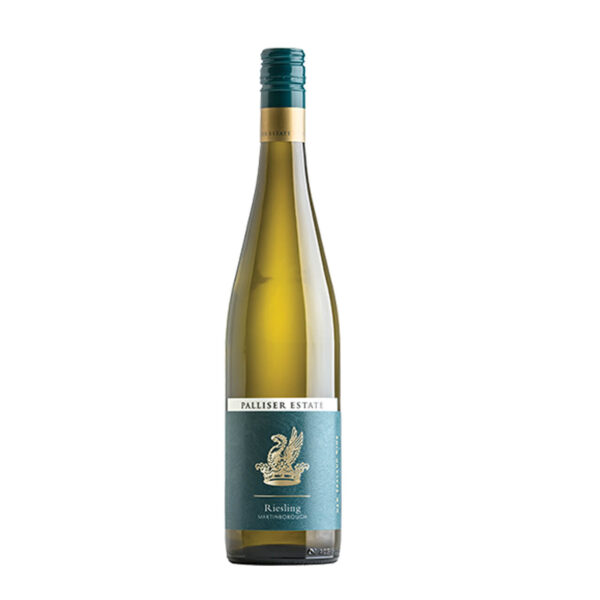
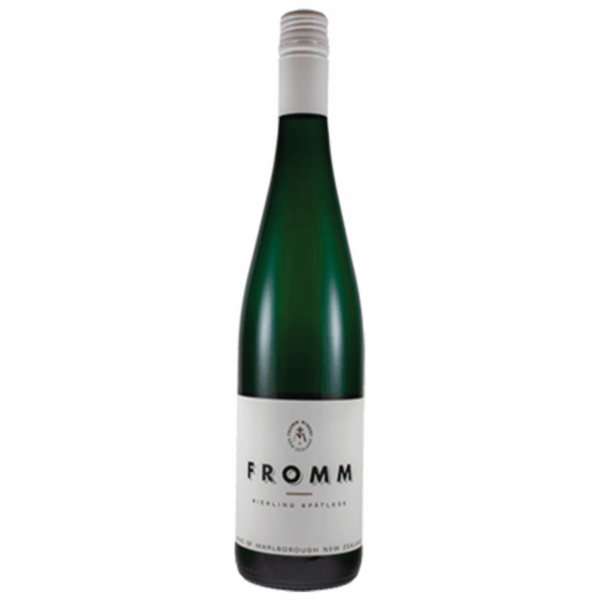
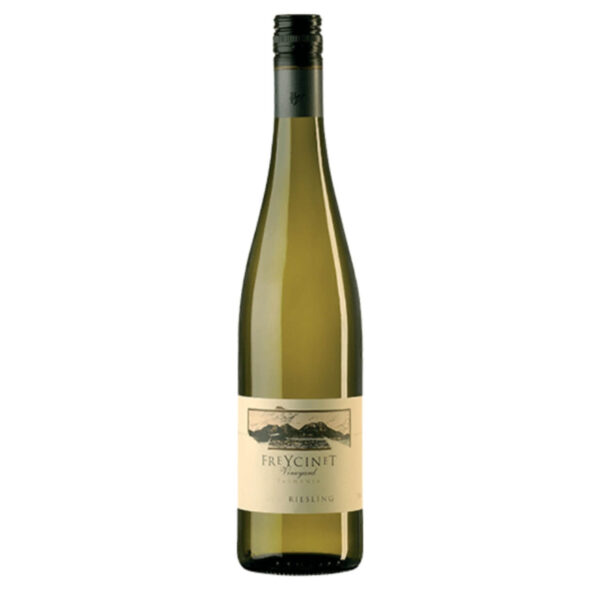
Riesling epitomises high-acidity winemaking, producing wines of remarkable brightness and longevity. German Riesling particularly demonstrates how acidity creates ageworthy wines, with examples from Mosel, Rheingau, and Pfalz improving across decades. The variety’s natural acidity permits residual sweetness without wines tasting cloying, as acid balances sugar creating harmonious results.
Stuart Pigott, wine writer for Wine Spectator and James Suckling, describes Riesling’s acidity as “the variety’s secret weapon, allowing German winemakers to create wines that balance sweetness with freshness in ways no other grape achieves.” This balance explains Riesling’s remarkable versatility across dry, off-dry, and sweet styles.

 $31.25
/ bottle
$375.00 for a case of 12
$31.25
/ bottle
$375.00 for a case of 12
 $38.83
/ bottle
$233.00 for a case of 6
$38.83
/ bottle
$233.00 for a case of 6

 $31.25
/ bottle
$375.00 for a case of 12
$31.25
/ bottle
$375.00 for a case of 12
 375 pts
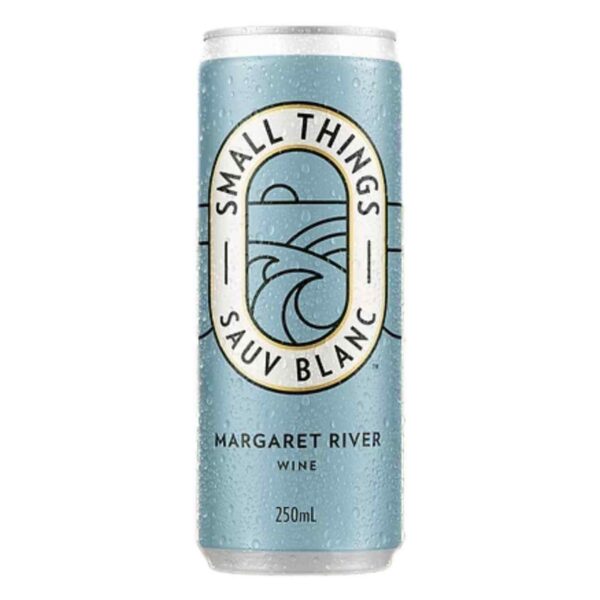
 Sauvignon Blanc shows characteristic racy acidity alongside herbaceous aromatics. Loire Valley expressions from Sancerre and Pouilly-Fumé demonstrate how acidity creates refreshing wines of genuine complexity. New Zealand Marlborough expressions show similar brightness with more tropical fruit character.
 $24.58
/ bottle
$295.00 for a case of 12
$24.58
/ bottle
$295.00 for a case of 12
 $8.13
/ can
$130.00 for a case of 16
$8.13
/ can
$130.00 for a case of 16
Small Things Wine Sauvignon Blanc 2025 (16 x 250ml Cans) Margaret River, WA
Shipped by
Small Things Wine
$8.13
/ can
$130.00 for a case of 16
 $22.33
/ bottle
$268.00 for a case of 12
$22.33
/ bottle
$268.00 for a case of 12
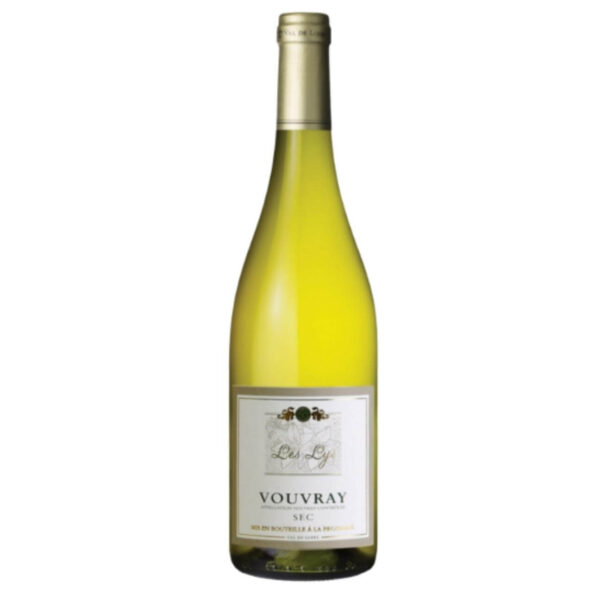
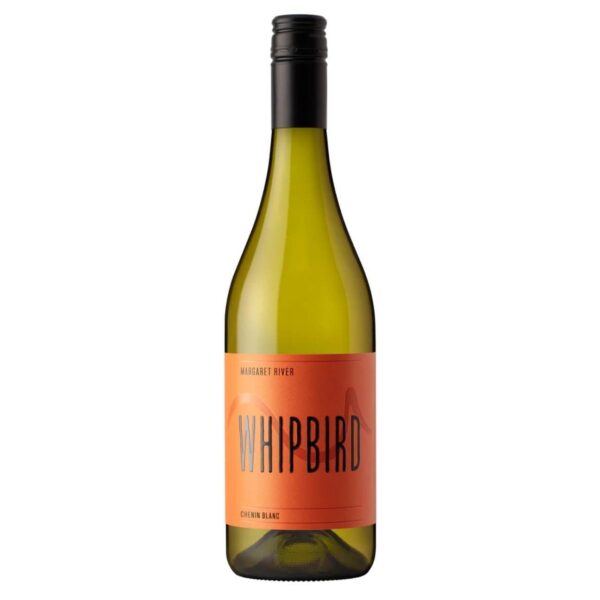
Chenin Blanc combines high acidity with remarkable versatility, producing dry, sweet, and sparkling wines of genuine distinction. Loire Valley Vouvray and Savennières demonstrate the variety’s ageing potential, with serious examples improving across 20, 30, or more years.
 $38.83
/ bottle
$233.00 for a case of 6
$38.83
/ bottle
$233.00 for a case of 6
 $34.92
/ bottle
$419.00 for a case of 12
$34.92
/ bottle
$419.00 for a case of 12
 $23.83
/ bottle
$143.00 for a case of 6
$23.83
/ bottle
$143.00 for a case of 6
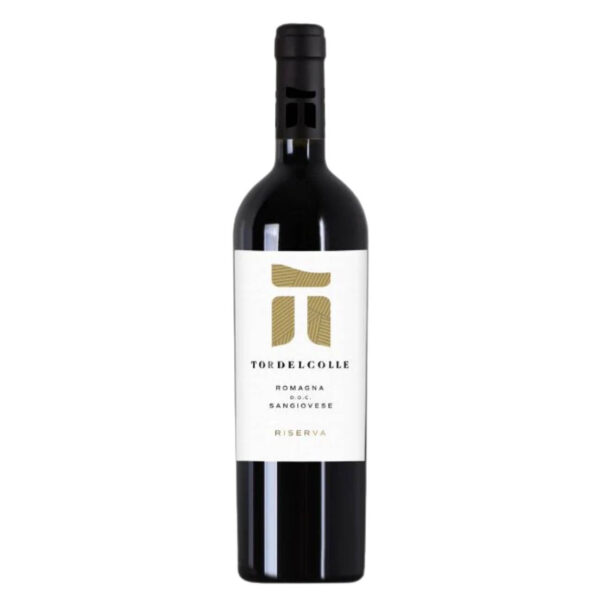
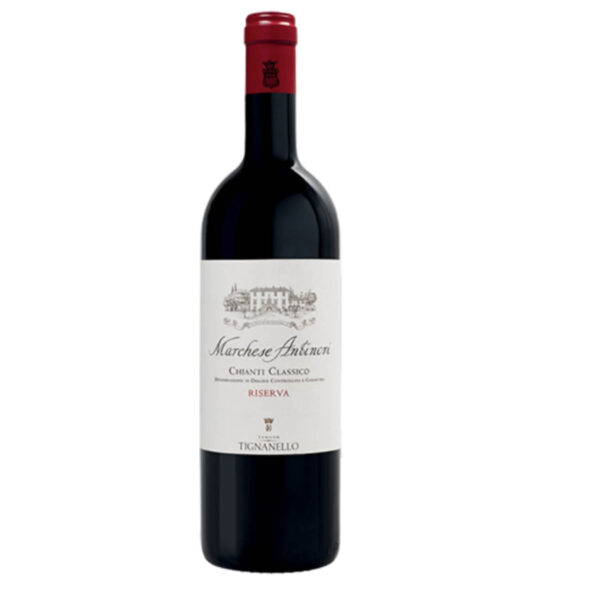
Sangiovese represents Italy’s high-acid red variety, providing structure and food compatibility to Chianti, Brunello di Montalcino, and Vino Nobile di Montepulciano. The variety’s natural acidity explains Italian wine’s legendary food-pairing versatility.
 $31.33
/ bottle
$188.00 for a case of 6
$31.33
/ bottle
$188.00 for a case of 6
 $21.00
/ bottle
$126.00 for a case of 6
$21.00
/ bottle
$126.00 for a case of 6
 $90.50
/ bottle
$543.00 for a case of 6
$90.50
/ bottle
$543.00 for a case of 6
Marchese Antinori Chianti Classico Riserva Tenuta Tignanello DOCG /23
Shipped by
Wines Australia
$90.50
/ bottle
$543.00 for a case of 6
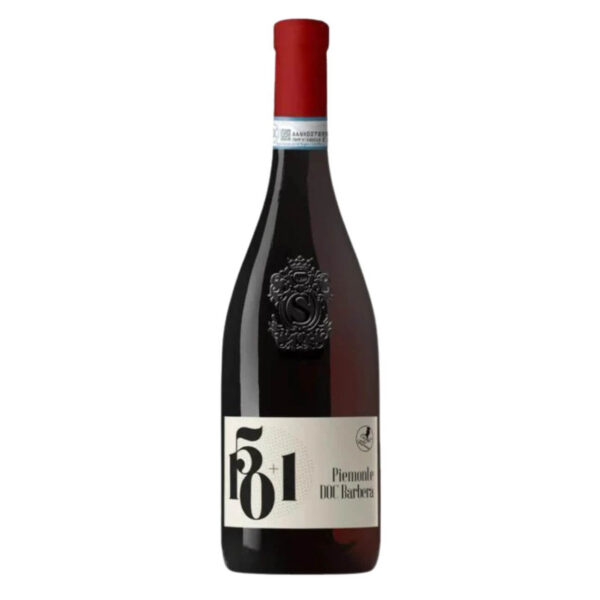
Barbera shows even higher acidity than Sangiovese, creating wines of remarkable brightness and freshness despite deep colour and fruit intensity. Piedmontese Barbera d’Asti and Barbera d’Alba demonstrate how high acidity creates food-friendly wines without sacrificing flavour.
 $26.08
/ bottle
$313.00 for a case of 12
$26.08
/ bottle
$313.00 for a case of 12
 $19.42
/ bottle
$233.00 for a case of 12
$19.42
/ bottle
$233.00 for a case of 12
 $20.83
/ bottle
$250.00 for a case of 12
$20.83
/ bottle
$250.00 for a case of 12
Tumblong Hills Table of Plenty Barbera
Shipped by
Wine Cellars
$20.83
/ bottle
$250.00 for a case of 12
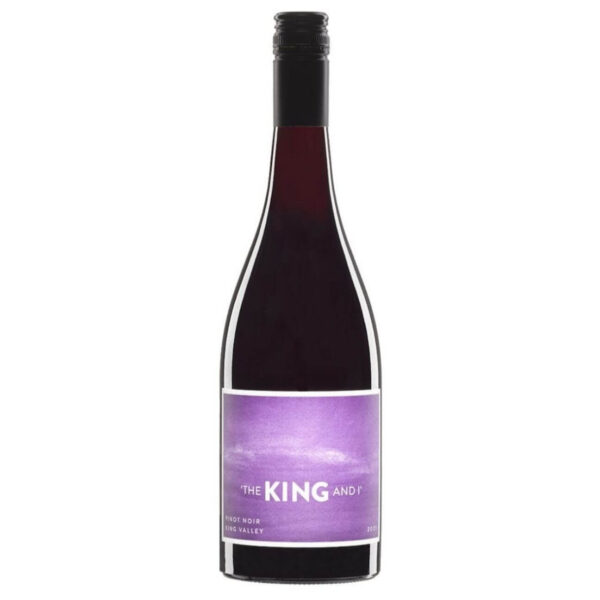
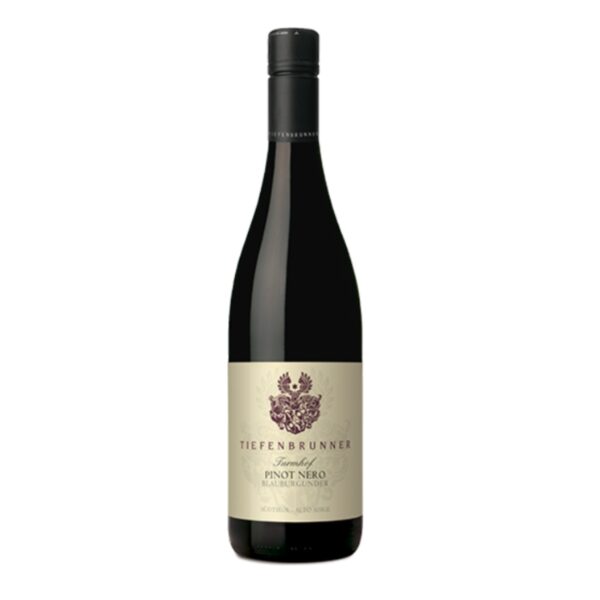
Pinot Noir typically shows moderate to high acidity depending on growing location, contributing to the variety’s elegant, refined character. Burgundian Pinot Noir demonstrates how acidity creates wines of remarkable subtlety and ageing potential.
 $57.00
/ bottle
$342.00 for a case of 6
$57.00
/ bottle
$342.00 for a case of 6
 $22.33
/ bottle
$268.00 for a case of 12
$22.33
/ bottle
$268.00 for a case of 12
 $55.33
/ bottle
$332.00 for a case of 6
$55.33
/ bottle
$332.00 for a case of 6
Tiefenbrunner Turmhof Pinot Nero /23
Shipped by
Wines Australia
$55.33
/ bottle
$332.00 for a case of 6
When Acidity Goes Wrong
Like all wine components, acidity requires balance. Too much or too little creates problems that diminish enjoyment regardless of other wine qualities.
Excessive acidity makes wines taste harsh, aggressive, and unpleasant. Extremely high-acid wines cause mouth-puckering discomfort rather than pleasant freshness. This often results from grapes picked before full ripeness, creating wines with green, unripe character alongside piercing acidity. Such wines rarely improve with age, their harsh acidity remaining prominent as other elements fade.
Insufficient acidity creates “flabby” or “flat” wines lacking energy and structure. These wines taste dull and lifeless, their fruit character seeming disconnected and hollow. Without acidity’s lift, wines feel heavy and one-dimensional regardless of fruit quality. Low-acid wines also age poorly, lacking the preservative qualities that allow wines to develop complexity over time.
Matt Kramer, wine columnist for Wine Spectator, describes the problem succinctly: “A wine without sufficient acidity is like a body without bones. It simply cannot stand up.” His observation captures how fundamental acidity remains to wine’s basic structure.
Volatile acidity represents a specific wine fault caused by acetic acid formation, essentially creating vinegar within the wine. Small amounts contribute complexity, and many celebrated wines show slight volatile acidity deliberately. Excessive amounts create obvious vinegar or nail polish remover aromas that render wines undrinkable. This fault typically results from poor winemaking hygiene or excessive oxygen exposure.
Perception versus measurement creates occasional confusion. Wines can taste more or less acidic than their actual pH levels suggest due to interactions with other components. Residual sugar masks acidity perception, explaining why some technically high-acid wines taste soft and approachable. Similarly, tannins can emphasise or diminish perceived acidity depending on balance. This complexity means that tasting remains more important than technical analysis when assessing wine quality.
Changing Your Relationship with Acidity
Most wine drinkers instinctively appreciate what acidity provides whilst remaining suspicious of the word itself. Changing this relationship opens appreciation for wine styles that might otherwise seem challenging or inaccessible.
Temperature affects perception significantly. Serving wines too warm diminishes acidity’s refreshing character, making wines taste heavy and alcoholic. Proper serving temperatures, around 10 to 12 degrees Celsius for whites and 14 to 16 degrees for lighter reds, emphasise acidity’s positive contributions.
Context matters enormously. High-acid wines that seem aggressive on their own often transform with food, their brightness becoming essential counterpoint to rich preparations. Tasting wines without food creates incomplete picture of their potential, particularly for varieties bred across centuries specifically for table service.
Vocabulary helps articulate preferences more precisely. Rather than describing wines as simply “too acidic,” consider whether you prefer wines with softer, rounder character, or whether the specific wine simply lacks balance. Understanding component parts permits more precise communication with wine merchants and sommeliers, leading to better recommendations.
Exploration expands horizons. Deliberately seeking high-acid wines from cool climate regions reveals what acidity contributes at its best: freshness, energy, food compatibility, and ageing potential unavailable through any other means. German Riesling, Loire Valley Chenin Blanc, and traditional Chianti demonstrate acidity’s positive contributions brilliantly.
Acidity represents wine’s most underappreciated component, providing structure, longevity, and food compatibility that define truly great bottles. Understanding acidity transforms casual drinking into genuine appreciation, revealing why certain wines age gracefully whilst others fade, why specific pairings succeed brilliantly whilst others fail, and why the world’s most celebrated wines consistently demonstrate balance between acidity and other structural elements. The knowledge changes not just what you taste, but how deeply you appreciate wine’s remarkable complexity.
 Shiraz
 Cabernet Sauvignon
 Pinot Noir
 Grenache
 Merlot
 Red Wine Blends
 Chardonnay
 Riesling
 Pinot Gris
 Semillon
 Viognier
 Grenache Rosé
 Pinot Noir Rosé
 Shiraz Rosé
 Sangiovese Rosé
 Aglianico Rosé
 Clairette Rose
 Champagne
 Prosecco
 Sparkling Shiraz
 Blanc de Blanc
 Blanc de Noir
 Pet Nat
 Moscato
 Topaque
 Port
Port Sherry (dry & sweet)
 Muscat & Tokay
 Vermouth