 0473 644 098 · Mon–Fri 9am–5pm AESTHelp & FAQ


What You Need to Know About French Wine (And Why It Still Matters)

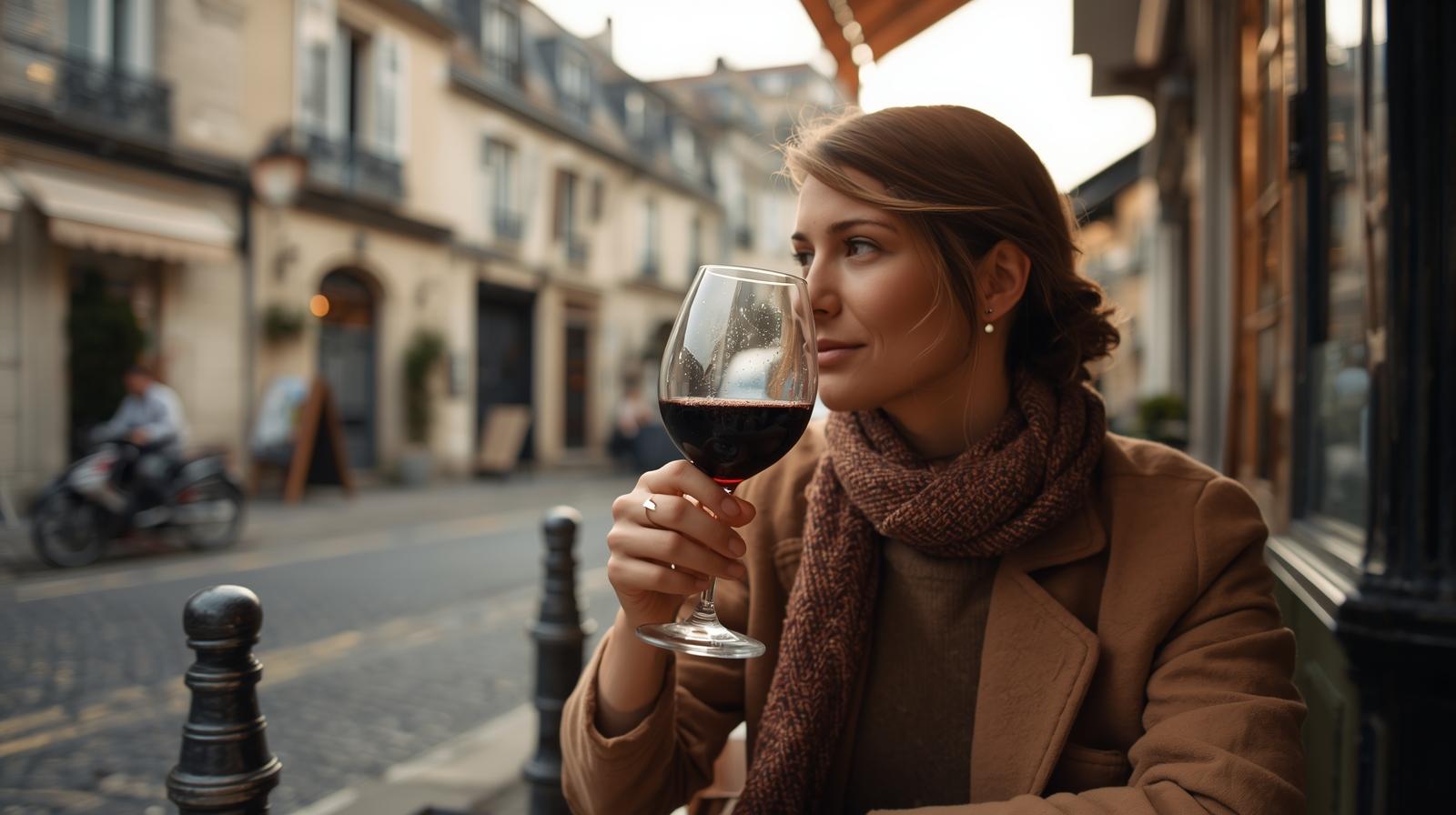
French wine remains the global benchmark for what wine culture can achieve. Whilst other countries have made remarkable progress, France continues defining excellence through centuries of refined tradition and genuine regional identity. Understanding French wine doesn’t require obsessive study, but it does require recognising something fundamental: wine doesn’t exist separate from place, history, and philosophy.
Jancis Robinson, the world’s most influential wine writer, captures this perfectly. “France has an extraordinary position in the world of wine. To many of us, France is wine, and a certain sort of wine, not always the easiest to appreciate but often the most rewarding.” That last part matters. French wine sometimes demands patience and contemplation. It doesn’t always prioritise immediate gratification. Yet the rewards for that patience prove genuine and substantial.
France encompasses far more wine diversity than most drinkers recognise. The popular perception limits itself to Bordeaux and Burgundy, yet the Loire Valley produces sophisticated expressions rivalling both. Alsace, Champagne, Rhône, Provence, and Languedoc-Roussillon all deserve serious consideration from anyone genuinely interested in understanding wine.
Burgundy: Where Wine Gets Philosophical
Burgundy represents the most prestigious region globally and remains viticulture’s ultimate expression of how place genuinely shapes wine character. The region covers approximately 100 kilometres from north to south, yet produces wines of such distinctive quality and diversity that collectors spend lifetimes exploring its complexity without ever feeling they’ve exhausted the possibilities.
Burgundy’s greatest wines come from the Côte d’Or (the “golden slope”), divided into two distinct areas. The Côte de Nuits in the north specialises in red wine, particularly Pinot Noir. The Côte de Beaune in the south produces both reds and whites, with Chardonnay reaching its absolute pinnacle. Burgundian Chardonnay displays remarkable precision and elegance. The wines combine richness with acidity, fruit with mineral complexity, creating something genuinely sublime.
The classification system deserves serious explanation. Burgundian wines follow a tier system where generic “Bourgogne” represents entry-level quality. Village-level wines (like Gevrey-Chambertin or Pommard) offer greater specificity and quality. Premier Cru parcels within villages deliver pronounced terroir expression. Grand Cru vineyards represent the absolute apex, with only thirty-one Grand Cru vineyards existing across the entire region. This restrictive classification ensures prestige whilst guaranteeing that serious quality comes with premium pricing.
Recent vintages have garnered enthusiastic critical reception. Burgundy critic Jasper Morris MW notes that “2023 presents a bright contrast, with plenty of plentiful crops of excellent wines that ripened well.” He adds that “the wines are typically delicious, fruit-forward wines for medium-term ageing, and many are destined for the very long haul.”
Burgundian reds age beautifully, developing into wines of remarkable complexity over twenty, thirty, or more years. Young bottles display primary fruit character. Aged examples develop tertiary notes including leather, tobacco, earth, and game that suggest a completely different wine than what was bottled decades earlier.
Bordeaux: The World’s Most Legendary Region
Bordeaux encompasses approximately 247,000 acres, making it three times larger than Burgundy, yet its reputation arguably surpasses even Burgundy’s established prestige. The region’s legendary status derives from its consistent ability to produce world-class wine across difficult vintages. The Left Bank, comprising appellations including Pauillac, Saint-Julien, Margaux, and Saint-Estèphe, specialises in Cabernet Sauvignon-based wines of remarkable structure and aging potential. The Right Bank, particularly Pomerol and Saint-Émilion, emphasises Merlot, producing rounder, more voluptuous expressions.
Bordeaux wines display remarkable balance. The finest examples combine power with elegance, fruit with structure, accessibility with aging potential. Young Bordeaux tastes austere, showing pencil lead, blackcurrant, cedar, and mineral notes. Aged examples develop extraordinary complexity, with leather, earth, cigar box, and game character emerging over decades.
Wine expert Karen MacNeil emphasises how Bordeaux demonstrates fundamental pairing principles. “A powerful Bordeaux wine with roasted lamb is perhaps the most perfect marriage of wine and food,” she notes. MacNeil adds that “great with great, humble with humble” remains the fundamental rule. An expensive crown rib roast calls for Bordeaux’s power and structure.
The classification system works differently from Burgundy. Rather than subdividing specific parcels, Bordeaux’s 1855 classification designated entire châteaux into “growths” (crus), ranging from First Growth (Premiers Crus) down to Fifth Growth (Cinquièmes Crus). This château-based system means individual producers’ reputations remain comparatively stable, allowing serious collectors to build collections with genuine confidence.
First Growth Bordeaux commands extraordinary pricing, with bottles from excellent vintages frequently selling for AU$300-plus. Yet serious quality exists throughout Bordeaux at far more accessible pricing. Saint-Julien and Margaux offer consistent excellence at AU$100-200. Excellent Cru Bourgeois (unclassified but quality-focused) wines deliver serious quality at AU$50-100.
Loire Valley: The Beautiful Alternative
Loire Valley produces some of the world’s finest dry white wines alongside elegant reds and delicate rosés. The region stretches for several hundred kilometres along the Loire River, creating four distinct subregions, each with distinctive terroir and wine styles.
The Upper Loire (Centre-Loire) produces world-benchmark Sauvignon Blanc from appellations including Sancerre and Pouilly-Fumé. These wines display crisp acidity, vibrant citrus and green apple character, and flinty minerality. The soil composition determines character dramatically. Kimmeridgian limestone produces richer, more textured wines. Portlandian limestone produces leaner, earlier-drinking expressions. Flint (silex) soils produce the most mineral-driven wines.
Touraine produces diverse wines including Cabernet Franc reds, Chenin Blanc whites, and Sauvignon Blancs. The region encompasses world-class châteaux as tourist attractions alongside serious winemaking operations. Chenin Blanc from Vouvray demonstrates the variety’s remarkable versatility, appearing in styles ranging from bone-dry through to lusciously sweet depending on harvest conditions and winemaker intention.
Anjou-Saumur specialises in Chenin Blanc and sparkling Crémant, with the Layon River valley creating conditions for noble rot dessert wines. Western Loire’s Pays Nantais produces Muscadet, a light, crisp, mineral white wine traditionally enjoyed with seafood and particularly prized with oysters.
Loire Valley wines consistently deliver sophisticated quality at reasonable pricing. Where equivalent Burgundy or Bordeaux commands premium pricing, Loire Valley offers similar or superior quality at substantially reduced cost. For serious collectors seeking value, Loire represents genuine opportunity.
Champagne: The Celebration Standard
Champagne occupies the northernmost wine region of France, providing a climate so cool that still wine would struggle to ripen adequately. Yet this challenging environment creates precisely the conditions necessary for sparkling wine greatness. The chalky soils, cool temperatures, and natural acidity create Champagne’s distinctive character.
Champagne’s production involves secondary fermentation inside the bottle, creating those characteristic bubbles and the complex, toasty character that separates traditional method sparkling from simpler alternatives. The process requires meticulous attention, with bottles aged on their lees for years before release, developing complexity unavailable from quicker methods.
Champagne blends typically combine Chardonnay (providing elegance, finesse, citrusy notes), Pinot Noir (providing structure, depth, red fruit character), and Pinot Meunier (providing fruitiness and spice). The finest examples display remarkable precision, with bubbles of remarkable fineness and flavours spanning from citrus through to brioche and butter.
Champagne’s prestige pricing reflects genuine quality and scarcity rather than mere marketing. Premium bottles command AU$80-150, with vintage releases and prestige cuvées reaching substantially higher pricing. Yet respectable entry-level Champagne exists at AU$50-80, offering genuine quality for those unwilling to pursue absolute top-tier expressions.
Alsace: The Aromatic Frontier
Alsace produces exceptional white wines accounting for approximately ninety percent of regional production. The region’s distinctive position between France and Germany influences its wine character, producing wines displaying German aromatics combined with French dry sensibility and structure.
Alsatian wines display abundant aromatics: rose petals, lychee, stone fruit, and spice character. Riesling, Gewürztraminer, Pinot Gris, and Muscat represent the signature varieties. Modern Alsatian winemakers increasingly produce dry or off-dry expressions rather than the sweet wines that dominated earlier production. This shift emphasises aromatic character alongside food-friendliness.
Alsace also produces Crémant d’Alsace, traditional method sparkling wine made according to strict regulations. The region represents France’s most important Crémant production centre, selling over forty million bottles annually. These offer excellent value compared to Champagne whilst delivering serious sparkling wine quality.
Rhône Valley: The Diversity Engine
The Rhône stretches from Switzerland to the Mediterranean, encompassing northern and southern regions with completely different characters. Northern Rhône specialises in Syrah-based wines of remarkable power and complexity. Southern Rhône emphasises Grenache-based blends with Mourvèdre, Syrah, and other Mediterranean varieties.
Châteauneuf-du-Pape, the region’s most celebrated appellation, produces bold, full-bodied wines from thirteen permitted varieties. The distinctive “galets,” rounded stones covering vineyard floors, heat during the day then release warmth during cooler nights, contributing to the wines’ ripe fruit character. Aged examples develop remarkable complexity, with leather, earth, game, and spice character emerging alongside the initial fruit.
Tavel produces what many consider the world’s finest rosé, displaying deeper colour and greater structure than Provençal equivalents. The wines prove serious enough for food pairing rather than mere aperitif consumption.
Provence: The Rosé Specialist
Provence means rosé wine to most casual drinkers. The signature style accounts for the majority of regional production and, when produced thoughtfully, represents something genuinely sophisticated. Provence rosés display pale salmon colour, delicate fruit character (raspberry, strawberry, citrus), and crisp acidity providing refreshment without heaviness.
Yet Provence produces excellent reds and whites alongside rosé. The red wines, crafted from traditional Rhône varieties including Syrah and Mourvèdre, prove more substantial than stereotypes suggest. Whites, predominantly Rolle (Vermentino) and Clairette, display fresh, aromatic character with mineral precision.
Languedoc-Roussillon: The Hidden Giant
Languedoc-Roussillon represents France’s largest wine region by production volume, yet receives far less international attention than prestige regions. The region specialises in red wines from Grenache, Syrah, Mourvèdre, and Carignan, producing full-bodied, fruit-forward expressions. Modern producers here increasingly demonstrate quality rivalling more celebrated regions, offering exceptional value for astute purchasers.
Understanding French Wine Classification
The AOC system (Appellation d’Origine Contrôlée, now AOP) represents France’s fundamental approach to wine regulation. The system establishes rules regarding permitted grape varieties, maximum yields, minimum alcohol levels, and winemaking techniques. The philosophy prioritises terroir protection and consistency over innovation. This regulatory approach ensures French wines maintain recognisable character whilst limiting experimentation that might damage regional reputation.
The AOC system works hierarchically, with generic regional appellations at the bottom, subregional classifications in the middle, and prestigious Grand Cru or Premier Cru designations at the apex. This structure means consumers can assess quality tier through label designation alone.
Getting Started With French Wine
Begin with accessible Loire Valley whites to understand how French wine prioritises balance and terroir over obvious fruit. Progress toward Burgundy to experience how place genuinely shapes wine character. Explore Bordeaux to discover structured, age-worthy expressions. Taste across regions to appreciate how climate, soil, grape variety, and philosophy combine to create distinctive wines.
French wine represents viticulture’s greatest cumulative achievement. Spending time understanding French regions remains one of wine education’s most rewarding pursuits. As Jancis Robinson observes, “France supplies the benchmarks by which almost all wines are judged.” Understanding those benchmarks means understanding wine itself.
 Shiraz
 Cabernet Sauvignon
 Pinot Noir
 Grenache
 Merlot
 Red Wine Blends
 Chardonnay
 Riesling
 Pinot Gris
 Semillon
 Viognier
 Grenache Rosé
 Pinot Noir Rosé
 Shiraz Rosé
 Sangiovese Rosé
 Aglianico Rosé
 Clairette Rose
 Champagne
 Prosecco
 Sparkling Shiraz
 Blanc de Blanc
 Blanc de Noir
 Pet Nat
 Moscato
 Topaque
 Port
Port Sherry (dry & sweet)
 Muscat & Tokay
 Vermouth