 0473 644 098 · Mon–Fri 9am–5pm AESTHelp & FAQ


Wine Decanters – When They Matter and When They’re Just Expensive Glass

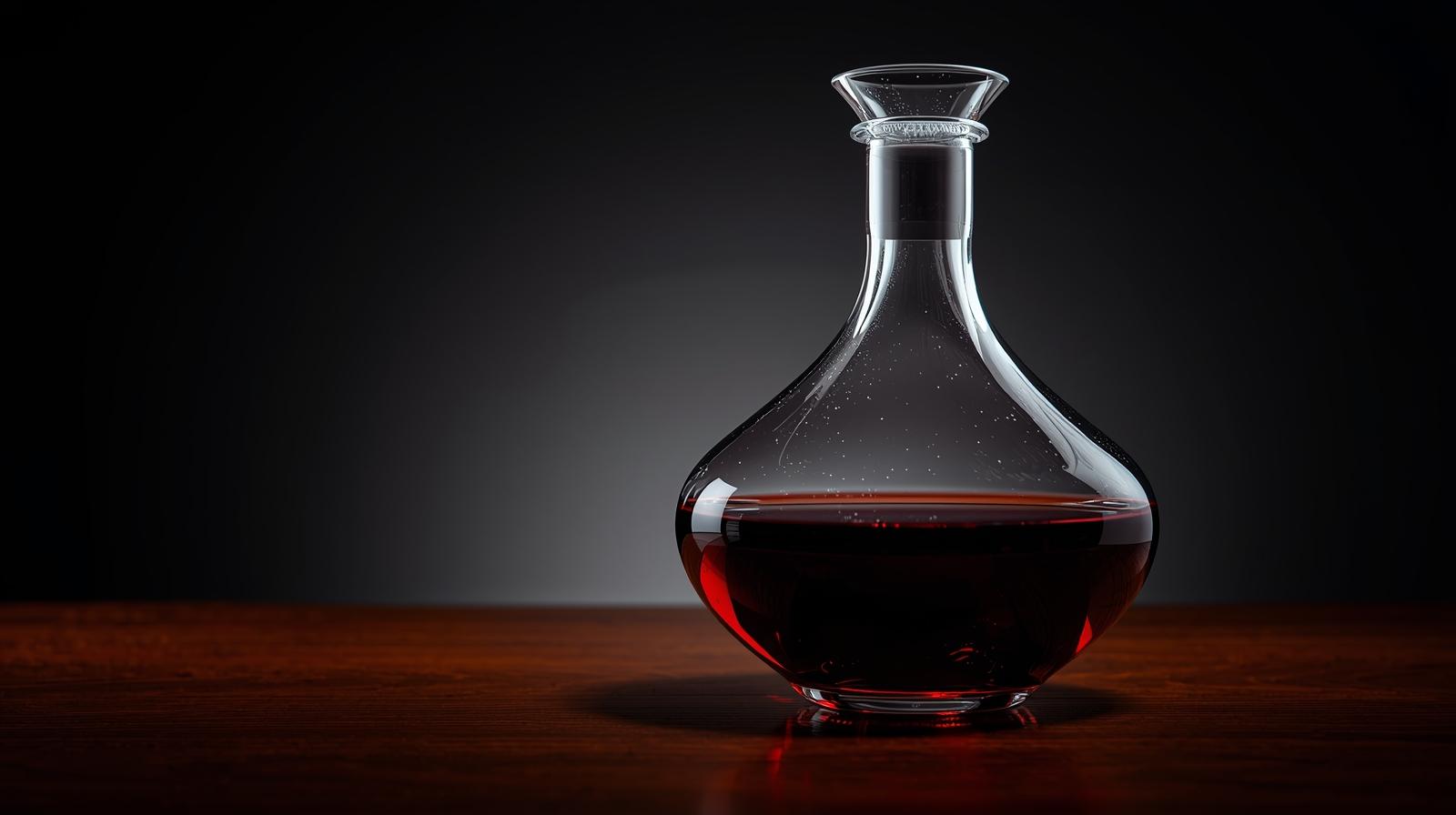
A wine decanter sits in many Australian homes, rarely used, occasionally brought out for special occasions as a performative gesture. People assume they’re pretentious or unnecessary. Wine websites assure you that decanters represent tradition rather than function. Yet the truth about wine decanters is far more practical than fashion. A decanter genuinely transforms certain wines into better versions of themselves. Understanding which wines benefit, why, and how long to decant separates genuine knowledge from wine snobbery.
What Decanting Actually Does: Two Completely Different Functions
Decanting serves two distinct purposes, and conflating them creates confusion. Understanding the difference changes how you approach the practice entirely.
The first purpose involves removing sediment from aged wines. Over years and decades, tannins, colour pigments, and other compounds gradually precipitate out of solution, settling as sediment at the bottle’s bottom. This sediment is harmless, but it tastes bitter and gritty. When you decant carefully, you separate the clear wine from the sediment, ensuring a clean, smooth pour into your glass.
The second purpose involves aeration. When wine is sealed in a bottle, it remains in an oxygen-deprived environment. Many wines develop volatile compounds and closed characteristics during this sealed period. Exposure to air gradually helps these compounds dissipate and aromatic complexity emerge. The wine “opens up,” revealing flavours previously masked. Tannins soften as oxygen interacts with them, reducing harshness and creating smoother mouthfeel.
These two functions demand different approaches. Sediment removal requires careful decanting immediately before serving, particularly for fragile older wines. Aeration allows extended time in the decanter, often one to two hours for young, bold red wines.
When Sediment Matters: The Aged Wine Situation
Vintage ports, older reds, and wines that have aged ten years or more frequently develop sediment. Most winemakers deliberately leave these wines unfined and unfiltered to preserve complexity, and this decision inevitably leads to sediment formation over time.
Before decanting a mature wine, let the bottle stand upright for twenty-four hours or longer. This allows sediment to slide completely to the bottom, making separation easier. When decanting, hold the bottle up to light, ideally a candle or flashlight. Pour slowly and deliberately, watching for sediment approaching the bottle’s neck. Stop pouring immediately before sediment reaches the neck. Done correctly, the sediment remains in the bottle whilst the clear wine transfers to the decanter.
Huon Hooke, wine critic writing for The Real Review, discusses sediment regularly in his work. When describing the challenges of decanting older wines, he notes that “the late Professor Émile Peynaud was not a fan of aerating wine by decanting it, claiming that the action of oxygen dissolved in a sound wine when ready to serve is usually detrimental. The longer the period between decanting the greater the loss of aroma intensity.”
Peynaud’s observation highlights an important distinction. For wines with sediment, you should decant shortly before serving, perhaps ten to thirty minutes beforehand. The wine benefits from sediment removal without experiencing excessive oxidation. This contrasts sharply with young wine decanting, where extended air exposure deliberately encourages the aeration process.
Aeration: When Younger Wines Need To Breathe
Young red wines often taste closed and austere when first opened. The tannins feel harsh, the aromatics seem muted, the overall impression feels tight rather than expressive. Given time in a decanter, these wines transform.
This transformation happens through chemical processes. Oxygen reacts with tannins, reducing their harsh, drying sensation. Volatile compounds escape upward, allowing aromatics to become more noticeable. Certain compounds that register as faults in sealed bottles, such as sulphides, dissipate into the air. The wine essentially ages rapidly in the decanter, reaching a state of openness that might take days in the bottle.
The decanter’s shape influences this process significantly. A wide base with sloping sides exposes maximum wine surface area to air. A narrow decanter with minimal surface exposure allows slower, more gradual aeration. Some winemakers deliberately use traditional decanter shapes specifically to control aeration speed.
Bold reds with high tannin levels benefit most from extended decanting. A Cabernet Sauvignon from Bordeaux benefits from sixty minutes to two hours in a decanter. A Barossa Shiraz often improves dramatically after ninety minutes to two hours. A Margaret River Merlot typically responds well to forty-five minutes to one hour.
Campbell Mattinson, wine writer for The Wine Front, emphasises the practical benefits of understanding when decanting helps. “Deciding whether or not to decant, and choosing appropriate glassware for optimal enjoyment are some considerations for showcasing a bottle of wine at its best.” This captures the reality that decanting represents practical service technique rather than pretentious ritual.
Medium-Bodied Reds and Lighter Styles: The Practical Middle
Not all reds benefit equally from extended decanting. Medium-bodied wines like Grenache, Dolcetto, or lighter Pinot Noir benefit from brief decanting, typically thirty to forty-five minutes. This provides enough aeration to open the wine without stripping away fragile fruit character.
Lighter reds like younger Pinot Noir or Grenache occasionally need only twenty to thirty minutes. The goal becomes gently exposing the wine to air rather than aggressive aeration. Some producers deliberately make wines that show well immediately from opening, requiring little to no decanting.
The practical test involves opening the wine and tasting it. Does it taste closed, with harsh tannins and muted aromas? Decant for the full recommended period. Does it taste already open and expressive? Decant briefly or skip decanting entirely. Wine serves no fixed rules. Individual bottles vary.
White Wine and Decanting: The Surprising Truth
Most white wine decanters don’t exist in home collections, yet some white wines benefit from decanting remarkably. Campbell Mattinson writes about decanting an Arlewood Sussex Loc Semillon Sauvignon Blanc blend: “I decanted the wine to let it breathe. Yes, many white wines also benefit from decanting. Indeed, it opened up nicely with a sherbet of grapefruit, lemon zest and scents of kiwi fruit, evolving to a more exotic melange of guava, ripe peaches and custard.”
Older white wines, particularly those sealed with screwcaps, sometimes develop reductive characters that smell like struck matches or boiled eggs. Brief decanting for fifteen to thirty minutes often corrects this problem as volatile sulphide compounds dissipate into air. Full-bodied whites like aged Burgundy Chardonnay occasionally benefit from gentle aeration that opens their complexity without stripping delicate aromatics.
Most young white wines don’t benefit from decanting. High-acid whites like Sauvignon Blanc particularly resist decanting, as extended air exposure only diminishes their defining crisp quality. Exception proves the rule, but generally white wine decanting addresses specific problems rather than representing standard practice.
How Long to Decant: A Practical Guide
The fundamental rule: younger, more robust wines tolerate longer decanting. Older, more fragile wines require brief exposure.
For young bold reds under ten years old, decant sixty to one hundred twenty minutes. Cabernet Sauvignon, Syrah, Merlot, and other high-tannin varieties benefit from this extended aeration. The wine transforms from harsh to harmonious as tannins soften.
For aged reds over fifteen years old, decant only ten to thirty minutes. These wines have already undergone years of bottle age evolution. Extended oxidation risks flattening and tiring the wine. Decant shortly before serving, remove the sediment, then pour immediately.
For medium-bodied reds, decant thirty to sixty minutes depending on how open the wine tastes when first opened. Pinot Noir often needs only thirty minutes. Grenache might benefit from forty-five minutes. Taste periodically to judge progression.
For white wines, decant only if the wine shows reduction characters (match stick or egg aromas). In that case, fifteen to thirty minutes resolves the problem. Otherwise, skip white wine decanting.
The Decanter Vessel: What Actually Matters
Expensive crystal decanters look beautiful but offer no functional advantage over basic glassware. What matters is surface area. A wide, shallow decanter exposes wine to maximum air contact. A narrow, tall decanter restricts aeration. A funky artistic decanter that looks like modern art might limit wine contact with air entirely.
The stopper matters primarily as decoration. Whilst stoppers slow oxidation once the wine has reached desired openness, they matter little during the actual decanting and aeration window. Honestly, many of the most experienced wine drinkers use basic jugs rather than named decanters.
Budget decanters cost five to fifteen dollars and perform identically to expensive ones. If aesthetics matter to you, invest in something beautiful. If function is your only concern, any reasonably wide-mouthed vessel works perfectly.
Huon Hooke’s Practical Perspective: When Decanting Actually Helps
Huon Hooke captures the practical reality of decanting philosophy perfectly: “I estimate that decanting wine can improve its quality by between 10 and 50 percent. That rule applies as much to the cheap and cheerful as it does to venerable old bottles from a great vintage.” He adds crucial nuance: “The important question is not whether to decant but when to decant, for how long and into what.”
This framework eliminates much confusion. Decanting isn’t about whether or not. It’s about timing, duration, and purpose. Understanding these distinctions means you decant strategically rather than habitually.
Australian Wine and Decanting: The Modern Screwcap Advantage
Australian winemakers’ embrace of screwcaps changed the decanting equation. Screwcaps create nearly airtight seals, meaning wines aged under screwcap in the bottle experience minimal oxidation. When decanted, these wines respond dramatically to sudden air exposure.
Hooke notes: “Changes in intensity and complexity are particularly noticeable in wines sealed with a screwcap. Screwcaps are a nearly airtight seal so the sudden exposure to air has an immediate and beneficial effect.”
This means Australian reds with screwcaps often benefit more from decanting than European equivalents sealed with cork. The dramatic change in oxidation level creates more noticeable transformation. A screw-capped Margaret River Cabernet might shift from closed to open in just thirty to forty-five minutes, whilst a Bordeaux might require ninety minutes due to prior cork-related micro-oxidation.
The Common Mistakes: What Not To Do
Never decant fragile old wines excessively. A forty-year-old bottle can collapse entirely within thirty minutes of opening if oxidation accelerates too rapidly. These wines demand brief decanting for sediment removal only, then immediate service.
Never store wine in a decanter for extended periods. Once you’ve achieved desired aeration, pour the wine into glasses. Extended time in a decanter continues oxidation beyond the beneficial point, eventually deteriorating the wine.
Never heat the wine whilst decanting. Avoid decanters sitting in direct sunlight or near heat sources. Temperature stability matters as much as aeration.
Never decant without tasting the wine first. Open the bottle and taste it. If it’s already open and expressive, skip decanting or decant minimally. If it tastes closed and harsh, decant for the full duration.
The Modern Alternative: Aeration Devices
Wine aerators attempt to accomplish in seconds what decanters accomplish in minutes. These devices allow wine to fall through screens or baffles as it pours, rapidly exposing the wine to maximum air contact. Some modern systems operate remarkably well, producing similar results to thirty to sixty minutes of traditional decanting.
However, they cannot remove sediment from older wines. If your goal is purely aeration, aeration devices work. If you need sediment removal, traditional decanting remains necessary.
The Honest Assessment: Decanting Isn’t Essential But It Helps
Decanting doesn’t represent a requirement for wine enjoyment. You can enjoy excellent wine without ever decanting. Yet the practice remains genuinely useful for specific wine types and situations.
For young bold reds with aggressive tannins, decanting transforms the experience noticeably. For aged wines with sediment, decanting improves clarity and smoothness. For wines showing reductive characters, decanting solves a problem efficiently.
For casual wine drinking where you want immediate pleasure without ceremony, decanting adds unnecessary complexity. Not every bottle merits the effort.
The practical approach involves understanding your wines. Bold Australian Shiraz from Barossa? Decanting helps significantly. Fresh Adelaide Hills Sauvignon Blanc? Skip it. Vintage port with visible sediment? Decant carefully. Entry-level red wine you’re drinking immediately? Probably unnecessary, but wouldn’t hurt.
Decanting represents a tool, not a ritual. Like all tools, it serves specific purposes and becomes unnecessary when those purposes don’t apply. Use it strategically rather than habitually, and both your wines and your entertaining experience improve.
 Shiraz
 Cabernet Sauvignon
 Pinot Noir
 Grenache
 Merlot
 Red Wine Blends
 Chardonnay
 Riesling
 Pinot Gris
 Semillon
 Viognier
 Grenache Rosé
 Pinot Noir Rosé
 Shiraz Rosé
 Sangiovese Rosé
 Aglianico Rosé
 Clairette Rose
 Champagne
 Prosecco
 Sparkling Shiraz
 Blanc de Blanc
 Blanc de Noir
 Pet Nat
 Moscato
 Topaque
 Port
Port Sherry (dry & sweet)
 Muscat & Tokay
 Vermouth