 0473 644 098 · Mon–Fri 9am–5pm AESTHelp & FAQ


Fiano vs Sauvignon Blanc – Which White Wine Deserves Your Attention?

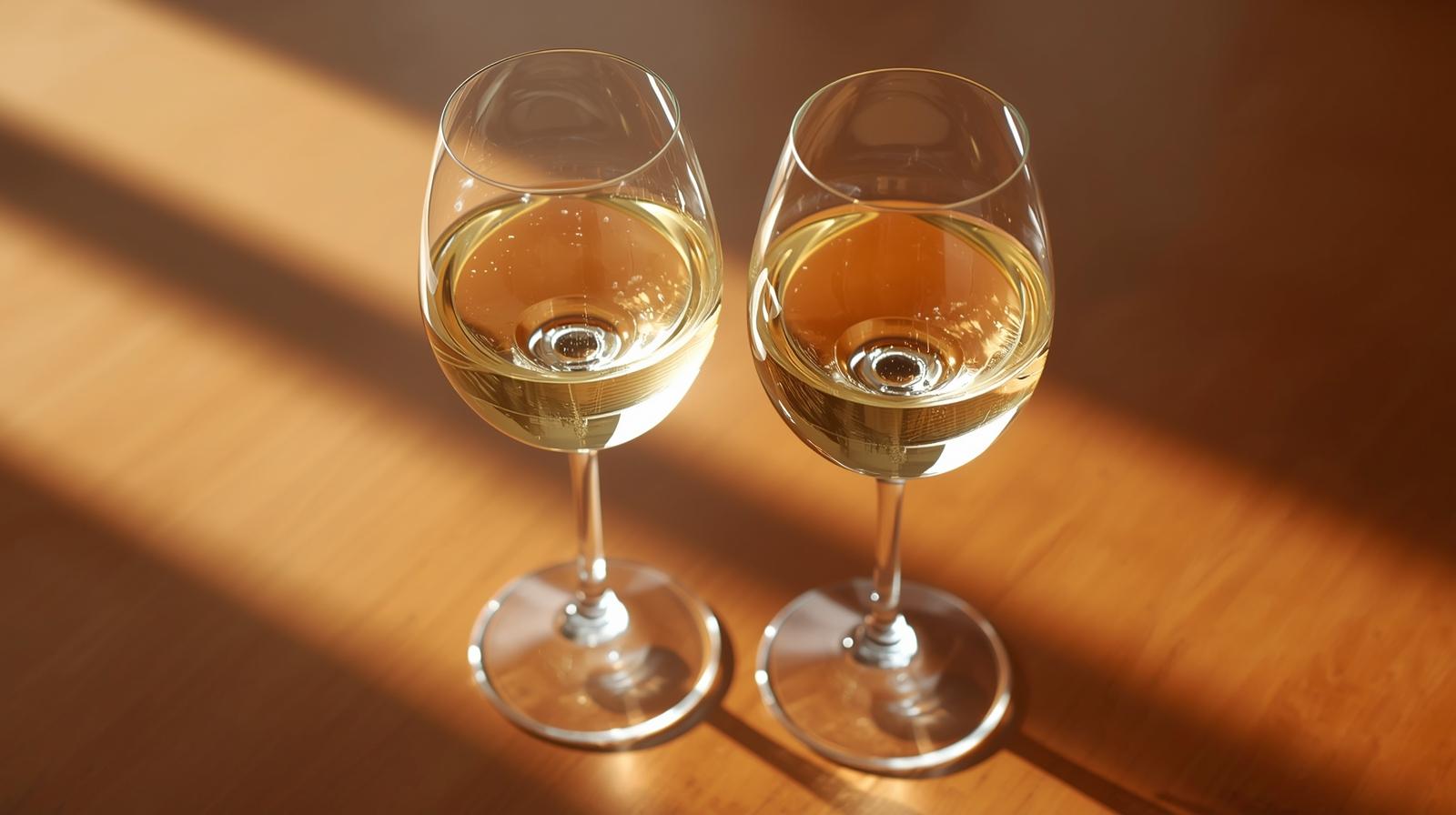
White wine lovers face a genuine dilemma. Sauvignon Blanc dominates wine lists, offering reliable crisp refreshment across various regions and price points. Yet Fiano, the ancient Italian variety thriving in Australian vineyards, promises something distinctly different: richer texture, broader flavours, and remarkable food versatility. Understanding how these varieties compare helps you choose wines that genuinely suit your palate and dining preferences rather than defaulting to familiar names.
The Origins: Ancient Italy Meets Global Domination
Fiano traces back to ancient Rome, where it comprised the primary variety in Apianum, a Roman wine meaning “bees” in Latin. Even today, swarms of bees flock to the sugary pulp of Fiano grapes in Avellinese vineyards. The variety hails from the hills surrounding Avellino in Italy’s Campania region, where it’s produced exceptional wine for millennia. Fiano nearly disappeared during the mid-1800s due to low yields, replaced by the higher-yielding but less characterful Trebbiano. Thankfully, modern viticulture and renewed quality focus have sparked Fiano’s 21st-century revival.
Sauvignon Blanc originated in France’s Loire Valley and Bordeaux regions, achieving global recognition through consistent quality and remarkable versatility. The variety now grows extensively across New Zealand (particularly Marlborough), California, Chile, South Africa, and Australia. Sauvignon Blanc’s immediate commercial success stems from its distinctive aromatics, crisp acidity, and ability to express terroir clearly across diverse regions.
Climate and Growing Conditions: Where They Thrive
Fiano loves hot, dry climates, making it extraordinarily suited to Australian conditions. “Its ability to handle the increasing heat spikes we’re experiencing during vintage also means it’s a very environmentally friendly variety – it requires far less water than most other varieties,” explains Adam Walls, Wine Selectors Co-Chair. “What’s more, Fiano retains its acidity in the heat. So, while other whites like Sauvignon Blanc and Chardonnay often lose their acidity when the temperature rises, Fiano can be made into a beautifully balanced, refreshing wine.”
This heat tolerance proves crucial as climate change impacts viticulture. Corrina Wright, Winemaker at Oliver’s Taranga in McLaren Vale and often known as “The Queen of Fiano,” emphasises the variety’s resilience. “Fiano is very drought and heat tolerant and has lovely natural high acidity, it is also disease resistant and has great thick skins.”
Sauvignon Blanc, conversely, achieves greatest expression in cooler climates where extended ripening preserves characteristic acidity and aromatics. In warm regions, Sauvignon Blanc frequently loses acidity, producing flabby, unbalanced wines lacking refreshment. This climate sensitivity limits where Sauvignon Blanc thrives, whilst Fiano’s heat tolerance opens broader viticultural possibilities.
Tasting Profile: The Fundamental Differences
Fiano displays remarkable diversity depending on winemaking choices. “The style in which it is made is determined by the winemaker. For example, if a winemaker decides to pick the grapes later in the season and/or uses lees during fermentation, their Fiano will be a richer, more textured style,” notes Adam Walls.
Lighter Fiano styles emphasise citrus fruits (particularly lemon and lime), white pear, honeydew melon, and refreshing acidity. These prove similar in weight to Pinot Grigio or Semillon. Richer Fiano expressions display pronounced stone fruit characters including white peach and apricot alongside distinctive nutty notes (hazelnuts, toasted almonds), honeyed aromatics, and waxy, substantial texture. Wine Folly identifies primary flavours as honeydew, Asian pear, hazelnut, orange peel, and pine.
Oz Clarke describes Fiano as “floral with notes of honey and spice.” The variety typically shows straw yellow colour (deeper if allowed skin contact), balanced acidity and body, and neither excessively acidic nor overly rich character.
Sauvignon Blanc presents more consistent flavour profiles across regions, though terroir influences specific expressions. Primary notes include vibrant green apple, lime, grapefruit, passion fruit (particularly from New Zealand), gooseberry, and herbaceous elements including freshly cut grass and bell pepper. Secondary notes develop floral characteristics alongside subtle tropical hints. Tertiary notes from aged examples show honey, toast, and developed complexity.
Sauvignon Blanc’s defining characteristic remains its piercing acidity and immediate aromatic intensity. The wines taste crisp, refreshing, and vibrantly fruit-forward with light to medium body. Where Fiano emphasises texture and weight, Sauvignon Blanc prioritises brightness and vivacity.
Body and Texture: A Critical Distinction
This represents perhaps the most significant difference between varieties. “Fiano is either lighter in body with dominant citrus fruit flavours, or richer with more weight and pronounced stone fruit characters,” explains Adam Walls. “So, if you’re a fan of Sauvignon Blanc or Pinot Grigio, you’ll likely enjoy the lighter styles, while lovers of modern Chardonnay will find much to enjoy in the richer examples.”
Fiano’s characteristic “waxy” mouthfeel distinguishes it from Sauvignon Blanc’s leaner profile. This textural richness stems from grape composition and winemaking techniques including lees aging and later harvesting. The wines feel substantial without heaviness, providing genuine palate presence.
Sauvignon Blanc maintains lighter, crisper profile emphasising refreshment over texture. The wines scrub the palate clean through aggressive acidity and bright fruit rather than coating it with rich texture. This fundamental difference determines ideal serving contexts and food pairings.
Food Pairing: Where Each Excels
Fiano’s textural richness and balanced acidity create remarkable food versatility. “Given that Fiano hails from a region that is coastal bound, it makes sense it is a wine that works well with seafood including raw and baked fish, shellfish, and molluscs,” explains Adam Walls. The variety proves particularly successful with creamy preparations where its texture matches richness whilst acidity provides balance.
Classic Fiano pairings include creamy risottos and cheesy pasta dishes where the wine’s body stands up to rich sauces. Chicken casseroles, pork in cream and herb sauces, chicken and leek puff pastry pies all work brilliantly. Spicy Asian cuisine benefits from Fiano’s slight richness balancing heat, whilst fried foods including fish and chips find ideal complement in the wine’s ability to cleanse oily preparations.
Sauvignon Blanc excels with lighter preparations emphasising freshness over richness. Raw oysters, sushi, sashimi, and ceviche prove ideal matches where the wine’s crisp acidity and clean flavours complement delicate protein. Goat’s cheese salads, fresh vegetables, and vinaigrette-dressed preparations work beautifully given Sauvignon Blanc’s ability to mirror acidic components.
Grilled white fish, light seafood preparations, and herb-forward dishes showcase Sauvignon Blanc’s herbaceous character. The wine struggles with creamy, rich preparations where its lean profile disappears against heavy sauces.
Aging Potential: Long-Term Prospects
Fiano demonstrates surprising aging potential rare among white wines. Wine Folly suggests cellaring five to ten years, whilst Italian examples age gracefully, developing honeyed complexity and deeper nutty characteristics. “Fiano is a rare example of a white wine with ageing potential,” notes Svinando UK. The variety’s natural acidity and textural structure provide foundation for extended development.
Sauvignon Blanc typically emphasises immediate consumption over aging potential. Most examples drink best within two to three years of vintage, displaying vibrant primary fruit and aromatics. Extended aging softens acidity and mutes aromatics, generally diminishing rather than enhancing quality. Exceptions exist, particularly from premium Loire Valley producers, yet the variety fundamentally prioritises youth over development.
Australian Success: Fiano’s Rising Star
Australia now grows over 100 hectares of Fiano across diverse regions including McLaren Vale, Clare Valley, Hunter Valley, Riverland, Riverina, Heathcote, Adelaide Hills, King Valley, and Murray Darling. Coriole in McLaren Vale released Australia’s first Fiano in 2005, signalling exciting evolution for white wine lovers.
“When deciding if we should plant Fiano here in the Granite Belt, we tasted as many different styles from Australia and Italy as we could,” recalls Dylan Rhymer of Ballandean Estate Wines. “A lot of the Aussie ones were more fruit-driven, in the style of Sauvignon Blanc, while the Italian examples were more complex at higher alcohols, which we preferred.”
This observation captures Fiano’s Australian evolution. Early examples mimicked Sauvignon Blanc’s fruit-forward approachability. Contemporary producers increasingly pursue Italian-inspired complexity through later picking, lees aging, and restrained oak influence.
Which Wine Suits You?
Choose Sauvignon Blanc when seeking immediate refreshment, bright acidity, and crisp fruit without textural weight. The variety excels as aperitif, pairs beautifully with light seafood and fresh preparations, and delivers consistent quality across price points. If you prefer wines emphasising brightness over richness, Sauvignon Blanc remains ideal.
Choose Fiano when seeking greater textural interest, food versatility with richer preparations, and wines demonstrating aging potential. The variety provides Sauvignon Blanc’s refreshing acidity whilst offering substantially greater palate presence and complexity. If you appreciate wines bridging the gap between lean Sauvignon Blanc and rich Chardonnay, Fiano deserves exploration.
Ultimately, both varieties offer compelling qualities through different approaches. Sauvignon Blanc’s global success reflects genuine quality and remarkable consistency. Fiano’s Australian emergence demonstrates that ancient varieties possess relevance for contemporary wine culture, particularly as climate change demands heat-tolerant, drought-resistant alternatives delivering genuine quality without compromise.
 Shiraz
 Cabernet Sauvignon
 Pinot Noir
 Grenache
 Merlot
 Red Wine Blends
 Chardonnay
 Riesling
 Pinot Gris
 Semillon
 Viognier
 Grenache Rosé
 Pinot Noir Rosé
 Shiraz Rosé
 Sangiovese Rosé
 Aglianico Rosé
 Clairette Rose
 Champagne
 Prosecco
 Sparkling Shiraz
 Blanc de Blanc
 Blanc de Noir
 Pet Nat
 Moscato
 Topaque
 Port
Port Sherry (dry & sweet)
 Muscat & Tokay
 Vermouth