 0473 644 098 · Mon–Fri 9am–5pm AESTHelp & FAQ


Chardonnay versus Sauvignon Blanc – When Two White Grapes Go Head-to-Head

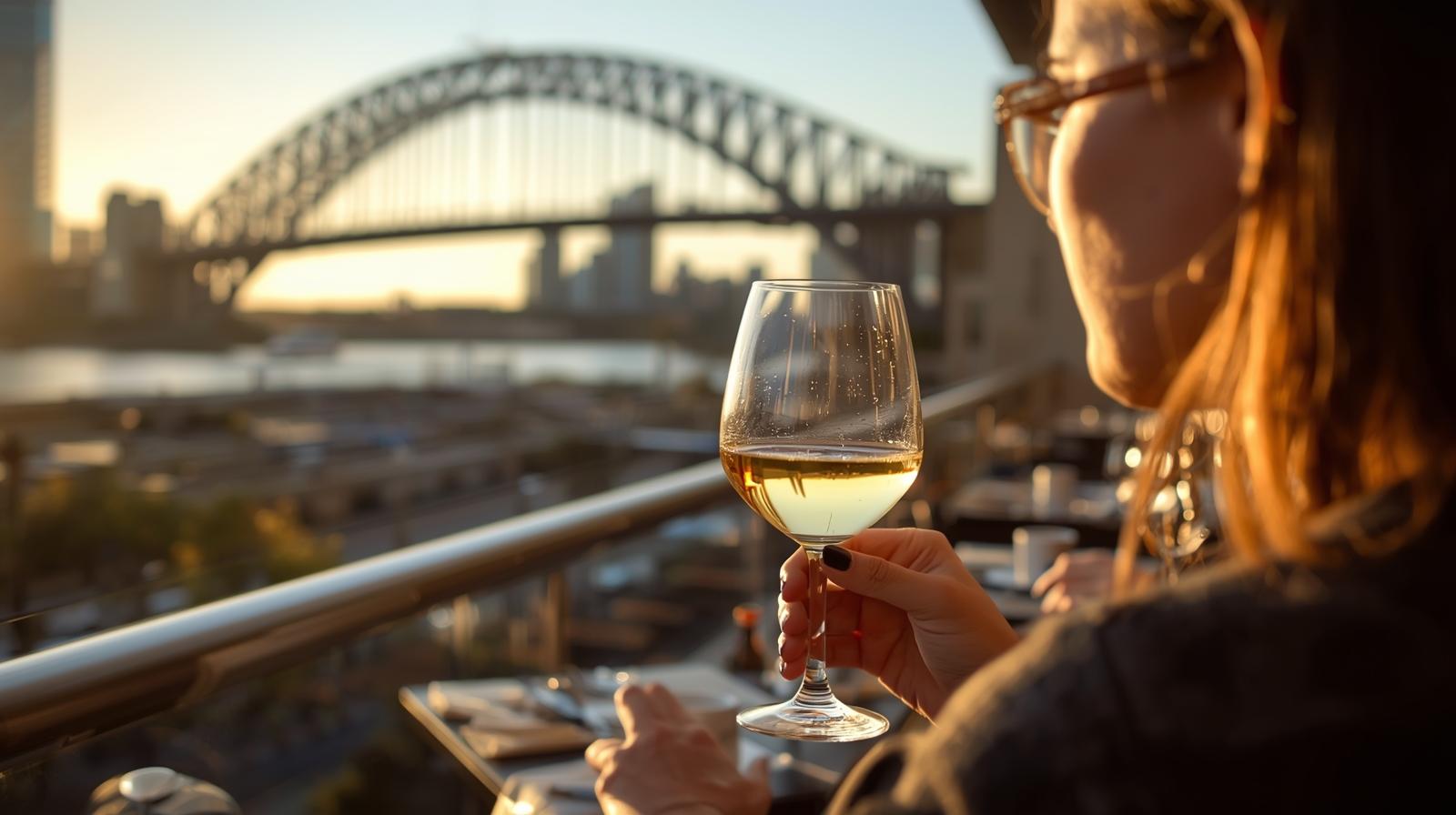
Australia’s relationship with these two white varieties tells a story of evolution, terroir expression, and what you actually want from your glass. One grape built its reputation on richness and complexity, capable of transforming through oak and time. The other carved out territory through vibrancy and immediacy, delivering refreshment rather than contemplation. Understanding their differences means grasping not just flavour profiles but entire winemaking philosophies.
Why Your Mouth Feels Different: The Acidity Story
The most fundamental distinction between Chardonnay and Sauvignon Blanc manifests in acidity structure, and this is where you’ll notice the biggest difference when you taste them. Sauvignon Blanc typically registers higher natural acidity, creating that mouth-watering, sharp quality that makes the wine feel crisp and zesty. Your tongue feels the tingle, your cheeks activate with saliva, and the whole experience feels refreshing and energetic.
Chardonnay presents moderate acidity, contributing to a rounder, smoother profile that feels different in your mouth. Instead of that sharp bite, Chardonnay delivers something closer to a caress. Nick Stock, wine critic and writer for Easy Drinking and various Australian publications, captures what makes Adelaide Hills Sauvignon Blanc exceptional when he writes that it’s “textured, edgy, vibrant and dry with exceptional fruit definition, length and crispness.” That’s the acidity doing the talking, creating texture and tension that keeps the wine fascinating from first sip to finish.
Think of it this way: Sauvignon Blanc tastes like biting into a Granny Smith apple. Chardonnay tastes like eating a perfectly ripe Bosc pear. Both are excellent. Both are completely different experiences.
What Rich Actually Means: Body and Texture
Wine body describes how wine feels in your mouth, its weight, viscosity, and texture. Chardonnay occupies the medium to full-bodied spectrum, creating sensations ranging from crisp and light to rich and creamy depending on how the winemaker chose to treat it. Sauvignon Blanc remains consistently light to medium-bodied, presenting a crisp, clean texture with vibrant acidity delivering that refreshing mouthfeel.
Huon Hooke, Australian wine broadcaster and critic, describes Chardonnay as “the richest and most full bodied of white wines. Some people say it’s the red drinker’s white wine because it’s full bodied, rich, generous and complex.” He notes Chardonnay’s distinctive viscosity: “When you swirl it in the glass it tends to have an oily texture compared to riesling. That’s partly because of the alcohol, partly because of the glycerol.”
This textural difference stems partly from alcohol levels. Chardonnay typically weighs in at 13 to 14.5 percent alcohol, whilst Sauvignon Blanc hovers around 12 to 13 percent. Combined with winemaking techniques, particularly oak ageing for Chardonnay versus stainless steel fermentation for Sauvignon Blanc, these factors create entirely different tactile experiences. Pour a glass of each, hold them up to the light, and you’ll actually see the difference. Chardonnay looks slightly thicker, slightly more golden.
Flavour: What You Actually Taste
This is where the real magic happens, and this is where Chardonnay and Sauvignon Blanc become completely different wines in your glass.
Chardonnay’s versatility means it tastes dramatically different depending on where it’s grown and how the winemaker worked with it. In cooler Australian regions like Yarra Valley, Tasmania, and Adelaide Hills, Chardonnay presents crisp acidity with flavours leaning toward green apple, lemon, and mineral precision. These wines feel like they’re from somewhere cool and serious. Margaret River’s warmer maritime influence produces richer profiles showing tropical fruits like pineapple and mango, balanced by refreshing acidity and creamy texture. These wines feel generous and warm.
Campbell Mattinson, former editor of the Halliday Wine Companion and founder of The Wine Front, emphasises the transformative nature of excellent Chardonnay. When he discovered standout Adelaide Hills Chardonnay from recent vintages, he immediately recognised something special: wines that demonstrate “brilliant intensity, character and length,” with a sense of place that elevates them beyond mere pleasure into something worth sitting with and contemplating.
Sauvignon Blanc delivers an entirely different flavour experience. The variety’s signature characteristics include citrus notes like green apple, lime, and grapefruit, with herbal undertones such as bell pepper, grass, and nettle. Adelaide Hills produces what many consider Australia’s benchmark Sauvignon Blanc style: textured, edgy, vibrant, and dry with exceptional fruit definition, length, and crispness. These wines marry intensity with refreshment, creating wines with what Nick Stock describes as “a terrific sense of vitality and freshness.”
If Chardonnay asks you to sit down and listen, Sauvignon Blanc demands you stand up and pay attention. One invites contemplation. The other invites immediacy.
The Oak Question: When Winemakers Get Creative
Oak treatment separates these varieties dramatically in how they finish up in your glass. Chardonnay often ferments and matures in barrels, a process that introduces vanilla, butter, toast, and spice notes whilst adding tannin structure that contributes to ageing potential. Malolactic fermentation, common in Chardonnay production, converts sharp malic acid into softer lactic acid, creating that signature buttery mouthfeel many associate with the variety. Pour some oaked Chardonnay and you smell butter and toast before the wine even touches your lips.
James Halliday, Australia’s most influential wine critic and creator of the Halliday Wine Companion, observes that modern Australian Chardonnay aims for “elegance, balance and understated power with oak, extract and alcohol all under tight control, allowing the sense of place maximum opportunity to express itself.” He notes concern when “ultra-refined, low-alcohol versions threaten to cross over into Sauvignon Blanc territory,” suggesting a stylistic boundary that shouldn’t be blurred. When Chardonnay becomes too restrained, it loses what makes it Chardonnay.
Sauvignon Blanc typically ferments in stainless steel tanks at cool temperatures to preserve its fresh, zesty character. Winemakers deliberately avoid oak to maintain the bright acidity and vibrant aromatics that define the variety. You don’t want oak mucking about with Sauvignon Blanc’s immediate appeal. Some producers experiment with barrel ageing or lees contact to add texture and complexity, but these remain exceptions rather than the rule. The point of Sauvignon Blanc is to taste like Sauvignon Blanc: fresh, immediate, alive.
Where These Wines Come From: Australian Regional Expressions
Australia’s diverse wine regions produce distinctly different expressions of both varieties, and this is crucial information when you’re shopping for a bottle.
For Chardonnay, Margaret River stands as one of the country’s premier regions, benefiting from cooling ocean influences that create ideal conditions for slow ripening. The gravelly loams over clay produce concentrated, high-quality fruit showing rich tropical flavours balanced by lime-like acidity and creamy texture. Margaret River Chardonnay tastes luxurious and accomplished: wines with real presence.
Yarra Valley Chardonnay offers a contrasting style with high natural acidity, long ripening, wines marked by juicy citrus, stone fruit, and distinctive flinty minerality. The region’s grey sandy loams and rich volcanic clays influence style variations, but collectively Yarra Chardonnays demonstrate textural elegance and mouthwatering acidity. These are wines that feel sophisticated and restrained, wines that reward close attention.
Adelaide Hills emerged as Australia’s definitive Sauvignon Blanc region, producing wines that are textured, edgy, vibrant and dry with exceptional fruit definition, length and crispness. The cool climate at elevation promotes slow grape ripening, creating white wines with intense fruit flavours and high acidity. Shaw + Smith, founded by Master of Wine Michael Hill Smith and Martin Shaw in 1989, essentially established the benchmark Australian Sauvignon Blanc style from this region. If you want to understand what Australian Sauvignon Blanc can be, Shaw + Smith is the blueprint.
What to Pair Them With: Food Matters
This is practical information that changes how you think about these wines. The structural differences between Chardonnay and Sauvignon Blanc dictate entirely different food pairing approaches.
Chardonnay’s fuller body and moderate acidity suit richer preparations. Oaked Chardonnay pairs beautifully with butter-based seafood like lobster with garlic butter, pan-seared scallops, and salmon with cream sauce. The wine’s creamy texture complements creamy dishes, whilst its acidity cuts through richness without disappearing. Unoaked Chardonnay works with lighter fare like grilled chicken, fresh oysters, and shrimp cocktail, where the wine’s citrus and green apple notes enhance rather than compete with delicate flavours. In Australian contexts, full-bodied Chardonnay handles light lamb dishes, roasted poultry, and surprisingly, even pie floaters, where the wine’s weight matches flaky pastry and pea soup.
Sauvignon Blanc’s high acidity makes it the natural partner for dishes needing refreshment and cut-through. Seafood like grilled fish, oysters, and shellfish with citrus or herbal sauces works brilliantly. The classic Loire pairing of Sauvignon Blanc with goat cheese translates beautifully to Australian contexts. Green vegetables, particularly asparagus, peas, and dishes featuring fresh herbs like basil, parsley, or coriander, echo the wine’s own herbaceous character.
Think about the season too. Summer demands Sauvignon Blanc. Winter contemplates Chardonnay. Spring and autumn can go either way depending on what you’re cooking.
How Long They’ll Keep: The Cellaring Question
This matters if you’re thinking about buying bottles to age. Chardonnay’s structure gives it considerably greater ageing potential than Sauvignon Blanc. Top examples from Margaret River, Yarra Valley, or Tasmania can develop for ten to twenty years, evolving complex layers of honey, hazelnut, brioche, and dried fruit. The combination of balanced acidity and oak-derived tannins creates structure that allows gradual evolution. A great Margaret River Chardonnay from ten years ago tastes completely different: deeper, richer, more sophisticated, than it did when first released.
Sauvignon Blanc, by contrast, expresses itself best within one to three years of bottling, when zesty acidity, vibrant aromatics, and herbal freshness remain most pronounced. The variety doesn’t typically benefit from long cellaring. Exceptions exist in cool-climate examples that are barrel-aged or blended with Sémillon, which can age five to ten years, but generally speaking, buy Sauvignon Blanc to drink now, not to lay down.
Price and What You’re Actually Paying For
Chardonnay occupies diverse price points, from inexpensive commercial examples to collectible single-vineyard bottlings commanding premium prices. Oak barrel costs significantly impact pricing. Premium French oak barrels cost around two thousand dollars versus six hundred dollars for American oak, and these costs concentrate into three hundred to four hundred bottles per barrel. Wines using new oak, extensive lees contact, and extended barrel maturation inevitably cost more than stainless steel-fermented examples.
Sauvignon Blanc typically positions at more accessible price points, partly because stainless steel fermentation requires less investment than barrel programmes. The variety’s drink-now nature also means producers don’t absorb holding costs for extended cellar ageing before release. You’re paying for immediate pleasure rather than future complexity.
What Moves You: Making Your Choice
Here’s the honest truth: choosing between Chardonnay and Sauvignon Blanc comes down to what you actually want from wine at that particular moment.
Chardonnay suits moments when you want to sit with your wine. You’re having dinner at a nicer restaurant, or you’ve cooked something special, or you simply want to experience wine as a complete thought rather than a refreshing beverage. You might be pairing it with something rich and buttery. You might just want to experience complexity and texture. Chardonnay rewards attention. Pour it, smell it properly, notice how it changes as it warms slightly in the glass, appreciate the layers of flavour that develop through the experience.
Sauvignon Blanc suits moments when you want immediate pleasure. You’re having a casual dinner with friends. You’re eating light food. You want refreshment without contemplation. You want a wine that tastes alive and energetic. Sauvignon Blanc demands nothing except that you enjoy it now, in this moment, with these people, with this food.
Think about your dinner. Think about the season. Think about what you cooked. Think about whether you want a wine that’s the main event or a wine that’s the perfect accompaniment. Think about whether you want texture and richness or brightness and vitality.
Both varieties achieve world-class expression across Australia’s diverse regions. Both can offer genuine pleasure and genuine complexity. The question isn’t which variety deserves preference. The question becomes: what does this moment call for? What are you eating? Who are you eating with? What kind of experience do you want?
Once you answer those questions, the wine practically chooses itself.
 Aglianico
 Barbaresco
 Barbera
 Beaujolais
 Blaufrankisch
 Bourgogne
 Burgundy
 Cabernet
 Cabernet Franc
 Cabernet Malbec
 Cabernet Merlot
 Cabernet Sauvignon
 Cabernet Sauvignon Merlot
 Cabernet Sauvignon Shiraz
 Carignan
 Chateauneuf du Pape
 Chianti
 Cinsault
 Corvina
 Dolcetto
 Gamay
Gamay Gamay Noir
 Grenache
 Lagrein
 Malbec
 Mataro
 Mencia
 Merlot
 Monastrell
 Montepulciano
 Mourvèdre
 Nebbiolo
 Nero D’Avola
 Pinot
Pinot Pinot Meunier
 Pinot Nero
 Pinot Noir
 Primitivo
 Red Wine Blend
 Rosso
Rosso Rouge
Rouge Sangiovese
 Saperavi
 Shiraz
 Shiraz Cabernet
 Shiraz Malbec
 Shiraz Mataro
 Shiraz Tempranillo
 Shiraz Viognier
 Syrah
Syrah Tempranillo
 Touriga
 Zweigelt
 Albariño
 Arneis
 Blanc
Blanc Botrytis
 Chablis
 Chardonnay
 Chenin Blanc
 Clairette
 Fiano
Fiano Friulano
 Garganega
 Gewurztraminer
 Grenache Blanc
 Grùner Veltliner
 Muscadet
 Pinot Grigio
 Pinot Gris
 Riesling
 Roussanne
 Sauvignon Blanc
 Sauvignon Blanc Semillon
 Savagnin
 Semillon
 Semillon Sauvignon Blanc
 Sweet Semillon
 Verdelho
 Vermentino
 Viognier
 Vouvray
 Grenache Rosé
 Mataro Rosé
 Rosato
 Sangiovese Rosé
 Tempranillo Rosé
 Blanc de Blanc
 Brut
Brut Brut Cuvee
 Champagne
 Methode Traditionelle
 Pet Nat
 Prosecco
 Sparkling Chardonnay
 Sparkling Chardonnay Pinot Noir
 Sparkling Cuvee
 Sparkling Red
 Sparkling Pinot Noir
 Sparkling Riesling
 Sparkling Rosé
 Cuvée Rosé
 Sparkling Pinot Rosé
 Sparkling Shiraz
 Moscato
 Muscat
 Topaque
 Port
Port Tawny Port
 Sherry
 Tawny
Tawny Vermouth
 Gin
Gin