 0473 644 098 · Mon–Fri 9am–5pm AESTHelp & FAQ


Christmas Dinner Wine Pairings – From First Sip to Last

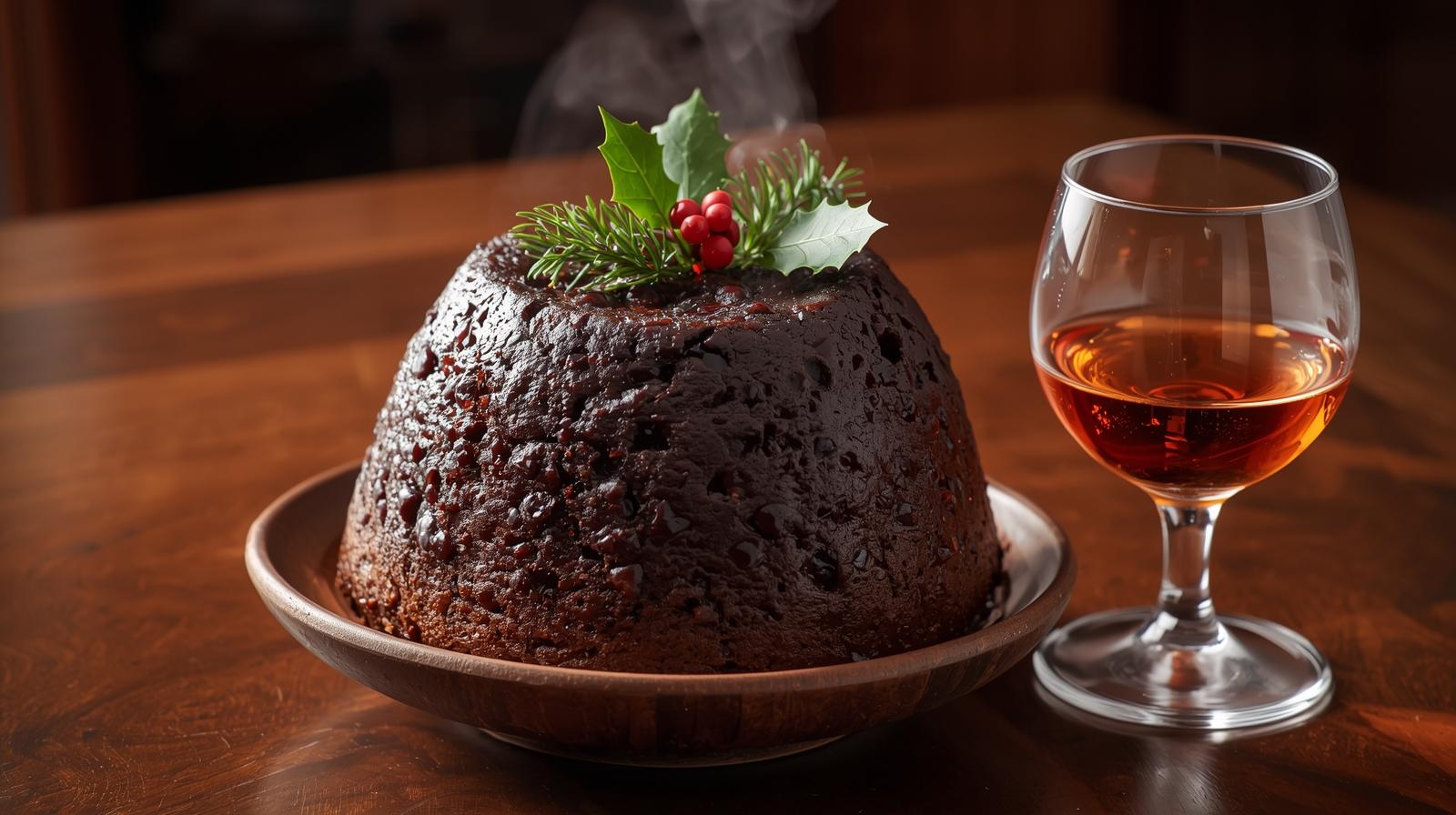
Christmas dinner demands more than just wine. It demands strategy. You’ve got seven or eight different flavors stacked onto one plate, each screaming for something different from your glass. Smoked salmon needs brightness. Turkey needs versatility. Cranberry sauce needs freshness. Dessert needs complexity. The answer isn’t choosing one wine and hoping it works. The answer is having the right bottle at each moment, ensuring every course tastes better because of what you’re drinking alongside it. This guide walks you through each stage of your Christmas meal with options that work for every guest at your table, from serious wine drinkers to people who claim they don’t really like wine.
Starting Strong: What to Pour With Starters
Your opening course sets the tone for everything that follows. Get this right and your guests settle into the meal feeling celebratory. Get it wrong and the wine either overwhelms delicate flavors or disappears entirely.
For Smoked Salmon and Seafood Starters
Champagne remains the festive default, and it works beautifully. The fine bubbles and toasty notes create elegance that matches smoked salmon perfectly. The acidity cuts through rich cream cheese or smoked oyster stuffing without hesitation. However, if you want something equally effective at a fraction of the price, reach for a crisp Sauvignon Blanc or dry Pinot Grigio. Both deliver the acidity you need with enough character to stand alongside cured fish. Australian options like a Margaret River Sauvignon Blanc or King Valley Pinot Grigio punch above their price point whilst impressing knowledgeable drinkers.
As renowned food critic and cookbook author Jill Dupleix notes about Australian cuisine, “what Australia does terribly well is really exquisite food in a very informal, relaxed setting.” Your starter wine should reflect that same philosophy: excellent without requiring anybody to overthink it.
Order multiple bottles of whichever direction you choose. Starters linger, and guests will want refills before moving to the main course.
For Prawn Cocktail and Seafood Appetizers
The traditional prawn cocktail with its sharp, tangy sauce needs a wine that won’t apologize. An off-dry Riesling from Australian Clare Valley or Eden Valley regions cuts through the richness whilst complementing the subtle sweetness of the sauce. Alternatively, stick with Champagne or a Pinot Grigio. The key is choosing something with pronounced acidity and moderate alcohol content. Avoid heavily oaked whites or wines with high tannin levels. These clash with seafood.
For Cheese and Charcuterie Boards
If you’re starting with a cheese and cured meat selection, broaden your thinking beyond traditional starter wines. A young, fruity Beaujolais or a light Pinot Noir works beautifully with salty prosciutto and rich cheeses. A Prosecco or Australian sparkling wine offers freshness without overwhelming delicate flavors. Chenin Blanc from the Loire Valley provides enough body to match cheese whilst staying crisp enough to prepare the palate for what follows.
Budget approximately one glass per guest at this course. Plan for multiple bottles if you’re serving eight or more people.
The Main Course: Where Versatility Becomes Essential
Christmas dinner’s complexity demands wine that navigates multiple flavors without getting lost. This is where most people stumble. They choose one wine and hope it handles turkey, stuffing, vegetables, gravies, and cranberry sauce equally well. There’s a better approach: choose wines with enough versatility to work across the board whilst having enough character to matter.
The Safe Choice: Pinot Noir
Pinot Noir is the most versatile wine at Christmas dinner. Full stop. It’s light enough that bold tannins won’t overwhelm lean turkey meat. It’s flavorful enough to stand alongside rich gravies and herb filled stuffing. Its natural acidity cuts through fatty elements like sausage meat without becoming aggressive. Australian Pinot Noir from Tasmania or the Yarra Valley offers bright red fruit flavors, silky tannins, and earthiness that complements roasted poultry beautifully. Oregon and California Pinot Noir provide similar characteristics with slightly riper fruit profiles.
For maximum versatility, choose Pinot Noir from cooler climates. These deliver the acidity you need without high alcohol that might feel heavy during a long meal. Budget two to three bottles per six guests, accounting for the fact that some people will switch wines mid course.
The White Wine Option: Chardonnay
Don’t dismiss white wine for the main course. A full bodied Chardonnay from Burgundy, California, or Australian regions like Margaret River handles roast turkey with remarkable elegance. The creamy richness pairs beautifully with gravy. The acidity cuts through fatty elements. The subtle oak complements herb based stuffing. If you’re serving smoked oyster stuffing or other more adventurous preparations, choose a Chardonnay with more pronounced oak character. The charry notes will complement smoky elements perfectly.
Australian Chardonnay punches above its price point for Christmas entertaining. Margaret River Chardonnays deliver complexity that rivals Burgundy at half the cost.
The Adventurous Choice: Beaujolais or Gamay
Beaujolais remains one of Christmas’s most underrated wines. Its herbaceous character and light body make it ideal for vegetable focused Christmas meals. The natural tannins complement red meat elements without dominating. The fresh fruit flavors work beautifully with cranberry sauce. If you’re serving a more casual Christmas dinner with less formal sides, Beaujolais offers genuine charm without pretension.
The beauty of Beaujolais is its food friendliness. It works with nearly everything on your Christmas table without demanding attention. If your guests are mixed in their wine preferences, Beaujolais pleases everyone without requiring wine knowledge to enjoy. According to acclaimed chef Neil Perry, “I love some of the really classic Australian reds; they’re not outrageously expensive,” a philosophy that extends beautifully to including approachable reds like Beaujolais alongside premium bottles.
For Ham and Pork Centered Meals
If you’re deviating from traditional turkey and serving glazed ham or pork as your Christmas main, reconsider your wine strategy. These proteins demand wines with more weight and complexity. A Rhone red like Châteauneuf du Pape, a mature Bordeaux, or a full bodied Barolo from Italy handles rich pork beautifully. The tannins provide structure that matches the meat’s richness. The complexity doesn’t get lost alongside bold preparation methods.
Australian options include full bodied Shiraz from Barossa Valley or McLaren Vale, which offer power and complexity that complement pork without feeling heavy.
The Vegetables, Sides, and Extras: The Often Forgotten Course
Your vegetables and sides are why a versatile main course wine matters so much. Roasted Brussels sprouts with bacon demand different treatment than mashed potatoes and gravy. Cranberry sauce requires specific acidity levels. Christmas stuffing needs wines that won’t clash with herbs.
If you’ve chosen Pinot Noir or Beaujolais as your main course wine, both handle vegetable sides beautifully. The acidity cuts through creamy potato dishes. The moderate tannin structure complements roasted vegetables. The fruit flavors don’t overpower herb filled stuffing.
For those committed to white wine through the main course, a well balanced Chardonnay remains your best option. The richness matches gravy and creamy sides. The acidity refreshes the palate between bites of vegetables. The subtle oak complements herbs without dominating.
Pro tip: Keep your main course wine flowing through this entire portion of the meal. Don’t switch wines. Let a single bottle handle the complexity of everything on the plate.
Between Courses: The Palate Cleanser Moment
After the main course but before dessert, many Christmas dinners include cheese and biscuits or a palate cleansing course. This represents an opportunity to transition gracefully between savory and sweet without forcing a single wine to handle an impossible range.
For a cheese course, reconsider your main wine. A light Pinot Noir or Beaujolais continues to work beautifully with mild cheeses. For stronger aged cheeses or blue cheese, you have options. A dry Sherry offers complexity that complements aged cheddar or Stilton. A Port adds richness that matches pungent cheeses without overwhelming them.
If you’re not serving cheese and moving directly to dessert, this represents your opportunity to shift wines. Give guests a 10 minute break between courses. Clear the table. Rest the palate. Prepare mentally for the final act of your meal.
Dessert and Sweet Wines: The Grand Finale
Your dessert wine deserves as much consideration as your main course wine. This is where many Christmas dinners stumble. People pour whatever they opened earlier or grab the first sweet wine they find. The result: dessert wines that either overpower delicate puddings or disappear entirely.
For Christmas Pudding and Rich Desserts
Christmas pudding demands a wine with character but not overwhelming sweetness. An aged Tawny Port remains the classic choice. The nuttiness and dried fruit flavors complement the pudding’s spices beautifully. The 10 year or 20 year aged versions offer enough complexity to reward attention whilst remaining approachable. A 10 year old Tawny Port costs around AUD $40 to $60 per bottle and serves six to eight people generously.
Alternatively, choose a fortified wine like Oloroso Sherry. The balanced sweetness and acidity work beautifully with rich pudding. Spanish Pedro Ximenez Sherry offers concentrated sweetness and fig notes that complement traditional Christmas pudding perfectly.
For Lighter Desserts
If you’re serving chocolate desserts, mince pies, or fruit tarts, shift to lighter sweet wines. Moscato d’Asti remains the revelation for most people discovering it for the first time. Only 5.5 percent alcohol, lightly sparkling, and bursting with peach and apricot aromatics, Moscato d’Asti pairs beautifully with fruit desserts and lighter chocolate options. It never feels heavy. It never overpowers. It encourages refills in a way more serious wines don’t.
Late Harvest Riesling from Germany or Australian Clare Valley delivers similar characteristics with pronounced citrus notes that complement fruit based desserts. The acidity prevents these wines from becoming cloying even with sweeter preparations.
For Chocolate and Coffee Desserts
Dark chocolate desserts need wines with enough body to stand alongside cocoa richness. A Banyuls from southern France offers chocolate and dried fruit notes that complement dark chocolate beautifully. A tawny Port works here too, though aged versions offer more complexity than younger styles.
For coffee based desserts, avoid wine altogether if possible. Coffee’s natural bitterness clashes with most sweet wines. If you must pair wine, choose something dry. An Amontillado Sherry or a vintage Port offers enough complexity to work alongside coffee whilst the acidity prevents the combination from becoming cloying.
Budget for Dessert Wines
Plan for small pours. Dessert wines pack more flavor and sweetness than table wines. Most people want between 2 and 3 ounces rather than a full wine glass. A single bottle of Port or Sherry serves 8 to 10 people generously. Budget one bottle for every 8 to 10 guests plus an additional bottle if you’re serving multiple dessert options.
The Cheese Course: Optional But Transformative
Some Christmas dinners end with cheese rather than dessert. Others include both. If cheese follows the main course, return to your main wine or shift to something new depending on the cheese selection.
Hard aged cheeses pair beautifully with medium bodied reds like Pinot Noir or Beaujolais. The tannins structure matches the cheese’s firmness. The acidity cuts through richness.
Soft cheeses benefit from brighter wines. Champagne, Chenin Blanc, or crisp Pinot Grigio offer enough acidity to complement creamy textures without overwhelming delicate flavors.
Blue cheese demands a wine with enough sweetness to contrast the salt and intensity. Tawny Port remains the classic choice. A Sauternes from Bordeaux or an Australian fortified wine offers similar characteristics.
Smoked or heavily flavored cheeses benefit from wines with enough character to stand alongside bold flavors. A dry Sherry or aged Port handles these beautifully.
The Logistics: How Much Wine to Buy
For 8 People
Three bottles for starters (one type, two bottles, plus one backup)
Four bottles for mains (three of your chosen variety, one backup)
One bottle for cheese or palate cleansing
One bottle of Port or dessert wine for 8 to 10 people
Total: approximately 9 bottles for an 8 person Christmas dinner
For 12 People
Four bottles for starters
Six bottles for mains
One bottle for cheese
One to two bottles of dessert wine
Total: approximately 12 to 13 bottles
For 16 People
Five to six bottles for starters
Eight bottles for mains
Two bottles for cheese
Two bottles of dessert wine
Total: approximately 17 to 18 bottles
Always buy more than you think you’ll need. Wine doesn’t spoil. Unused bottles carry forward beautifully. Running short mid meal creates stress nobody needs on Christmas Day.
The Strategy for Mixed Guests
Your Christmas table likely includes wine enthusiasts, casual drinkers, non drinkers, and people who claim they don’t like wine but secretly do. The solution is curating options rather than forcing single choices.
For starters, pour both Champagne and Pinot Grigio. Let guests choose. Some want festivity. Others want simplicity. Both options deliver.
For mains, commit to Pinot Noir but keep Chardonnay available for guests who prefer white. Both work beautifully. Both offer versatility. Both satisfy different preferences without compromise.
For dessert, serve Moscato d’Asti alongside Tawny Port. The Moscato appeals to those who find traditional dessert wines too heavy. The Port satisfies serious wine drinkers seeking complexity.
This approach requires buying slightly more wine than a single strategy would demand. The trade off: every guest enjoys their meal without compromise. Nobody feels forced into a wine they’ll tolerate rather than enjoy.
The Real Point of Christmas Dinner
Here’s what matters on Christmas Day. Melbourne chef Andrew McConnell, who has spent 17 years building some of the country’s most celebrated restaurants, explained his entire restaurant philosophy with one sentence: “There are no rules – I hate rules.” That philosophy belongs on your Christmas table. Choose wines that make sense to you. Choose bottles that your guests will enjoy. Stop worrying about whether you’re doing this “correctly” because there’s no correct way to do Christmas dinner.
The meal succeeds when your family gathers together, when conversation flows, when people linger over courses because they’re enjoying themselves rather than rushing through. Wine serves that gathering. It’s not the centerpiece. It’s the enabler. A good Pinot Noir that everyone loves matters more than a prestigious bottle that nobody finishes. A Prosecco that sparks joy matters more than Champagne served out of obligation.
Order your wines now, ensuring delivery before December 24th. Chill your whites and dessert wines the morning of. Let your reds breathe 30 minutes before opening. Plan for slightly more wine than you think you’ll need. Most importantly, stop overthinking this. If your guests are smiling, if the food tastes good, if everyone feels celebrated and welcomed at your table, you’ve succeeded completely. Everything else is just detail.
 Shiraz
 Cabernet Sauvignon
 Pinot Noir
 Grenache
 Merlot
 Red Wine Blends
 Chardonnay
 Riesling
 Pinot Gris
 Semillon
 Viognier
 Grenache Rosé
 Pinot Noir Rosé
 Shiraz Rosé
 Sangiovese Rosé
 Aglianico Rosé
 Clairette Rose
 Champagne
 Prosecco
 Sparkling Shiraz
 Blanc de Blanc
 Blanc de Noir
 Pet Nat
 Moscato
 Topaque
 Port
Port Sherry (dry & sweet)
 Muscat & Tokay
 Vermouth