 0473 644 098 · Mon–Fri 9am–5pm AESTHelp & FAQ


South Australia’s Wine Regions – Best Wineries & Award Winning Wines

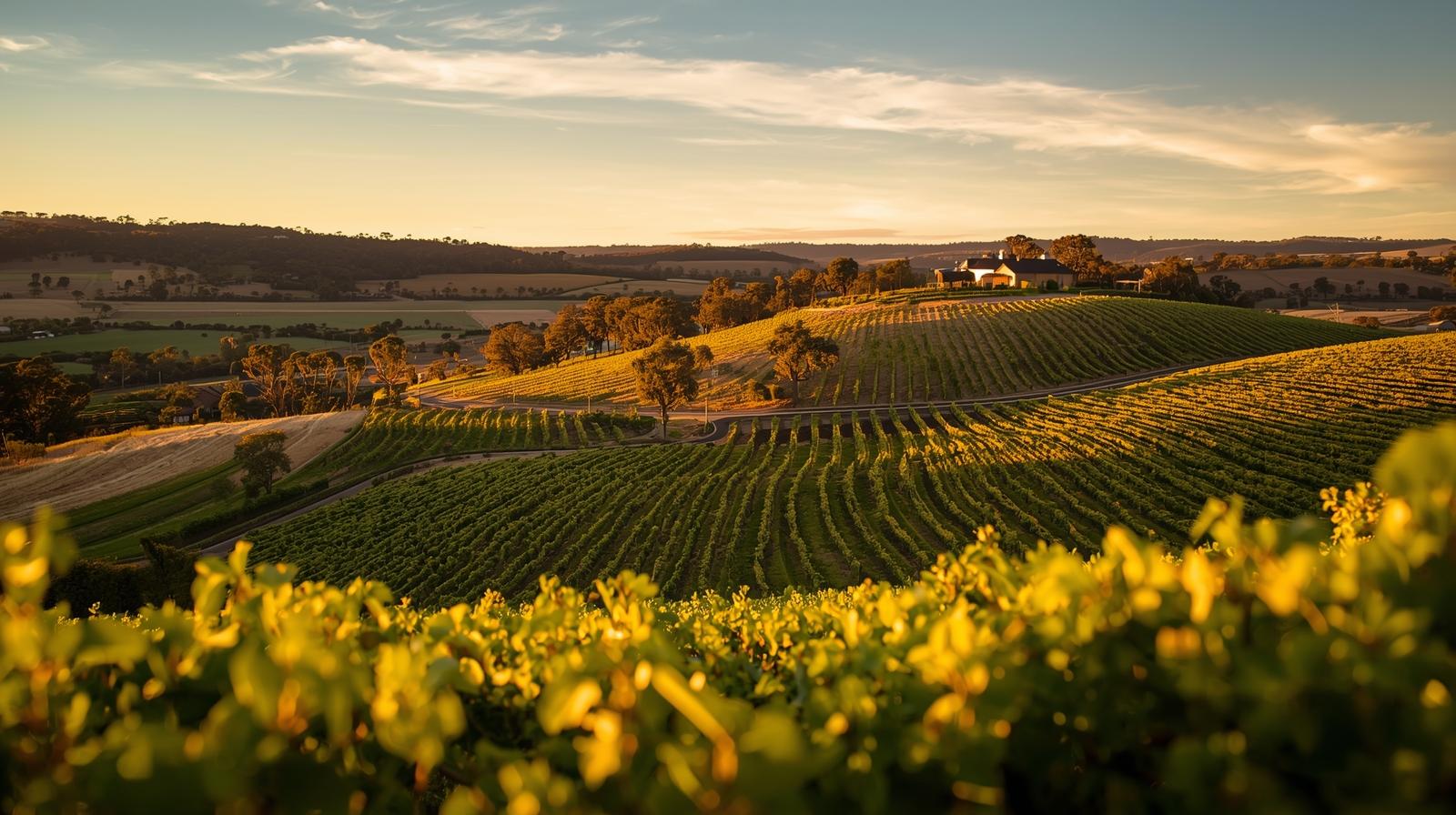
The land that produces nearly half of Australia’s wine is experiencing a golden era of critical acclaim and innovation, with its regions now standing shoulder to shoulder with Bordeaux and Napa Valley on the international stage. South Australia’s eighteen distinct wine regions have collectively earned the title of Great Wine Capital of Australia, a designation that reflects not merely historical significance but a contemporary renaissance in quality, sustainability, and terroir-driven excellence.
“South Australia is home to some of the world’s best wine regions, and wine tourism is a vital part of our economy, supporting regional communities, creating jobs and attracting visitors,” Minister for Primary Industries and Regional Development Clare Scriven noted at the recent Best of Wine Tourism Awards. These words underscore what critics have long observed: this corner of the southern hemisphere has become indispensable to the global fine wine conversation.
The Great Regions and Their Distinctive Voices
| Wine Region | Signature Varieties | Key Characteristics |
|---|---|---|
| Barossa Valley | Shiraz, Grenache, Cabernet Sauvignon | Full-bodied, intense dark fruit, chocolate, liquorice; ancient vines; warm Mediterranean climate |
| McLaren Vale | Shiraz, Grenache, Cabernet Sauvignon | Coastal influence, maritime freshness, concentrated fruit, sustainable practices |
| Coonawarra | Cabernet Sauvignon, Shiraz | Terra rossa soils, structured tannins, blackcurrant, mint, eucalyptus notes |
| Clare Valley | Riesling | Lime and lemon citrus, mineral spine, steel-like acidity, exceptional ageing potential |
| Adelaide Hills | Chardonnay, Sauvignon Blanc, Pinot Noir | Cool-climate elegance, crisp acidity, stone fruit, citrus, elevated vineyards |
| Eden Valley | Riesling, Shiraz | High altitude, delicate florals, refined structure, cooler than Barossa |
Barossa Valley: The Shiraz Kingdom
The Barossa Valley remains Australia’s quintessential wine region, as renowned critic Jancis Robinson aptly declared. This globally celebrated appellation, located just an hour from Adelaide, boasts over 150 wineries and some of the planet’s oldest continuously producing vines. The region’s Shiraz is characterised by deep, inky purple colour, intense dark fruit flavours of blackberry and plum, complemented by notes of dark chocolate, liquorice, and distinctive spice.
“Barossa Shiraz typically presents a deep, inky purple colour, indicating its intensity and concentration,” notes a detailed analysis of the region’s characteristics. The warm Mediterranean climate, combined with significant diurnal temperature variation and diverse soils ranging from deep valley floor loams to gravelly elevated sites, creates wines of remarkable power and longevity.
McLaren Vale: Mediterranean Elegance
Positioned between the Mount Lofty Ranges and the Gulf St Vincent, McLaren Vale has emerged as a leader in both Shiraz and Grenache production. The region’s Mediterranean climate, moderated by cooling sea breezes and varied topography, yields wines of exceptional concentration balanced by remarkable freshness.
“McLaren Vale inherently produces wines of ample concentration and flavour,” industry observers note, though the focus has shifted from merely big wines to those exhibiting elegance and environmental consciousness. The region’s commitment to sustainability is noteworthy, with significant vineyard acreage certified organic or biodynamic.
Coonawarra: The Terra Rossa Triumph
The famed terra rossa soils of Coonawarra, that distinctive crimson earth over limestone, have put this Limestone Coast region firmly on the international fine wine map. Stretching across a compact 20-kilometre strip, Coonawarra’s unique geological makeup produces Cabernet Sauvignon of remarkable structure and longevity.
“The marriage between Coonawarra soils and the noble Cabernet Sauvignon grape have long been known to produce wines of outstanding quality and longevity,” experts observe. The terra rossa soils provide excellent drainage while the limestone subsoil offers water retention during the warm growing season, creating ideal conditions for this noble variety.
Clare Valley: Riesling’s Australian Home
The Clare Valley has established itself as Australia’s premier Riesling region, producing wines that rival the great German expressions. The region’s ancient slate and limestone soils, combined with warm days and cool nights, sometimes experiencing temperature swings of up to 40°C, allow for optimal development of the variety’s characteristic zingy citrus and profound minerality.
“Clare Riesling has a richness and fruit weight that is distinctive and sets it apart from other regions,” explains Kerri Thompson, winemaker at Skillogalee. The purity and expression of lime fruit, coupled with a spine of steel-like acidity wrapped in silk, distinguishes Clare Rieslings from their Eden Valley cousins.
Adelaide Hills: Cool-Climate Sophistication
Just 15 minutes from Adelaide’s central business district, the Adelaide Hills has become renowned for cool-climate varieties including Chardonnay, Sauvignon Blanc, and Pinot Noir. The region’s elevated vineyards, ranging from 350 to 700 metres, benefit from cooler temperatures that preserve natural acidity and develop complex aromatic profiles.
Adelaide Hills Sauvignon Blanc, in particular, has forged a distinctive Australian identity. It is textured, edgy, vibrant and dry with exceptional fruit definition rather than mimicking New Zealand’s more herbaceous style.
The Elite: South Australia’s Top Wineries
The recently announced 2025 Halliday Wine Companion Top 100 Wineries confirmed South Australia’s dominance, with more than thirty estates earning placement on this prestigious list. Leading the South Australian contingent was McLaren Vale’s Yangarra Estate Vineyard at an impressive seventh overall.
“Simply put, this is a great estate,” James Halliday proclaimed of Yangarra, praising winemaker Pete Fraser’s delicate, detail-driven approach and the estate’s biodynamic practices. The property’s 1946-planted High Sands Grenache vines represent viticulture of grand cru-like quality.
Other distinguished South Australian producers in the Top 100 include:
-
Yalumba (11th). A sixth-generation family estate in the Barossa, celebrated for icons The Caley, The Signature, and The Octavius.
-
Henschke (13th). Producer of the legendary Hill of Grace, sourced from vines dating to the 1860s.
-
Penfolds (15th). The iconic Australian producer whose Grange remains one of the world’s most collectible wines.
-
Grosset (23rd). The Clare Valley Riesling specialist whose Polish Hill bottling defines Australian excellence in the variety.
-
Wynns Coonawarra Estate (31st). The standard-bearer for Coonawarra Cabernet Sauvignon.
-
S.C. Pannell (28th). McLaren Vale innovator celebrated for both traditional and alternative varietals.
Award-Winning Wines: The Pinnacle of Achievement
The 2021 Penfolds Grange
The 70th release of Australia’s most iconic wine, the 2021 Grange has been described as potentially “one of the very greatest of all Granges.” Chief winemaker Peter Gago’s multi-regional South Australian Shiraz, aged predominantly in American oak, received enthusiastic critical reception upon release in the 2025 Collection.
“The 2021 vintage release marks 70 unbroken vintages since then-chief winemaker Max Schubert crafted the first ‘experimental red’ in 1951,” notes the estate’s history. Priced at £600 (AU$1,000), it exemplifies Barossa Shiraz at its most concentrated and ageworthy.
Henschke Hill of Grace
Named 2021 New World Winery of the Year by Wine Enthusiast, Henschke’s Hill of Grace represents Australian Shiraz at its most refined. The single-vineyard wine, sourced from Eden Valley vines planted around 1860, consistently receives near-perfect scores from international critics.
“The 2017 vintage of Henschke Hill of Grace and Henschke Mount Edelstone will be released in May 2022,” Wine Enthusiast’s Contributing Editor Christina Pickard noted, praising the estate’s 150-year winemaking tradition and strong environmental values.
Torbreck The Laird and RunRig
Torbreck’s flagship wines have achieved remarkable critical success, with The Laird 2012 receiving a perfect 100-point score from the Wine Advocate. “The Laird is one of those wines you could just go on smelling all day. The finish seems to go on forever, and this is exactly what you want it to do. Stunning,” wrote Lisa Perrotti-Brown.
The 2022 RunRig, 2020 The Forebear, and 2020 The Laird each received 98 points from Erin Larkin in recent tastings. “This is a superb release of wines,” Larkin concluded.
Yangarra Old Vine Grenache
The Yangarra Old Vine Grenache 2021 claimed Wine of the Year, Red Wine of the Year, and Best Grenache at the 2024 Halliday Wine Companion Awards, receiving 99 points. Produced from 1946 Blewitt Springs bush vines, the wine exemplifies McLaren Vale Grenache at its finest.
“We are so very fortunate to work with such a special site that makes a distinctive expression of Grenache,” said winemaker Peter Fraser.
Grosset Polish Hill Riesling
The 2024 vintage was named both White Wine of the Year and Riesling of the Year in Tyson Stelzer’s Top 250 Australian Wines, scoring 98 points. “Thanks to a cool season and biodynamic farming, Jeff Grosset proclaims 2024 as the most pristine fruit he has seen since he first planted in the Clare Valley in the early 1980s,” Stelzer observed.
The wine’s “dainty white lily, granny smith apple and lemon blossom of pinpoint perfection rise in a dramatic crescendo over a powerful core of talcum powder structure, crystalline acidity and ancient slate texture.”
Wynns John Riddoch Cabernet Sauvignon
Senior winemaker Sue Hodder’s 2022 John Riddoch Cabernet Sauvignon received 97 points from Erin Larkin of the Wine Advocate. “The 2022 tastes bloody, meaty and chewy, with sweet roasted marrow and black exotic spices. It’s a thing of inchoate beauty, one that will unfurl over many decades to come,” Larkin noted.
This wine, one of only two Australian wines sold through La Place de Bordeaux, takes less than 1% of the estate’s top-quality Cabernet fruit.
Additional Distinguished Bottlings
Penfolds RWT Barossa Valley Shiraz. The “Red Winemaking Trial” wine, aged in French oak rather than the American oak used for Grange, offers an alternative expression of Barossa Shiraz. The 2017 vintage scored 96 points from Wine Spectator, described as “lush, juicy and very generous.”
S.C. Pannell Arido Rosé. Named Rosé Wine of the Year 2025 by The Real Review, this 88% Grenache Noir and 12% Grenache Gris blend from Blewitt Springs exemplifies Australian rosé at its most refined.
Yalumba The Caley. This flagship blend continues to receive near-perfect scores, with The Caley receiving 99 points in recent vintages.
Why South Australia Matters to the Wine World Right Now
South Australia’s wine industry is not resting on its laurels. The producers here are actively reshaping what Australian wine means on the global stage, moving beyond the big, extracted styles that dominated the 1990s and 2000s. What’s happening in the Barossa, McLaren Vale, and Coonawarra is a quiet revolution focused on balance, precision, and respect for terroir.
The commitment to sustainability has become more than marketing speak. Vineyard managers across the state are investing in organic and biodynamic certification, water conservation strategies, and soil health initiatives. This isn’t about appearing fashionable in London or New York. It’s about ensuring the industry survives the increasing pressures of climate variability and maintaining the vineyards that some families have tended for over 150 years.
What’s particularly compelling for Australian wine drinkers is the accessibility paradox. Yes, the Penfolds Grange at £600 and the Henschke Hill of Grace command serious money. But behind these icons sits an extraordinary depth of quality at every price point. The Melbourne Royal Wine Awards and Halliday Wine Companion recognize wines across the full spectrum, from under AU$25 to museum collections. For those exploring South Australian wines locally, there’s exceptional value to be found in lesser-known producers crafting wines with just as much integrity and craftsmanship as their award-winning cousins.
The story of South Australian wine is fundamentally a story about people. Families like Yalumba and Henschke who’ve navigated wars, depressions, and industry upheavals. Independent winemakers like Jeff Grosset and Pete Fraser who’ve built something meaningful from conviction rather than corporate decree. These are the names that should resonate with anyone genuinely interested in what Australian wine can achieve.
 Aglianico
 Barbaresco
 Barbera
 Beaujolais
 Blaufrankisch
 Bourgogne
 Burgundy
 Cabernet
 Cabernet Franc
 Cabernet Malbec
 Cabernet Merlot
 Cabernet Sauvignon
 Cabernet Sauvignon Merlot
 Cabernet Sauvignon Shiraz
 Carignan
 Chateauneuf du Pape
 Chianti
 Cinsault
 Corvina
 Dolcetto
 Gamay
Gamay Gamay Noir
 Grenache
 Lagrein
 Malbec
 Mataro
 Mencia
 Merlot
 Monastrell
 Montepulciano
 Mourvèdre
 Nebbiolo
 Nero D’Avola
 Pinot
Pinot Pinot Meunier
 Pinot Nero
 Pinot Noir
 Primitivo
 Red Wine Blend
 Rosso
Rosso Rouge
Rouge Sangiovese
 Saperavi
 Shiraz
 Shiraz Cabernet
 Shiraz Malbec
 Shiraz Mataro
 Shiraz Tempranillo
 Shiraz Viognier
 Syrah
Syrah Tempranillo
 Touriga
 Zweigelt
 Albariño
 Arneis
 Blanc
Blanc Botrytis
 Chablis
 Chardonnay
 Chenin Blanc
 Clairette
 Fiano
Fiano Friulano
 Garganega
 Gewurztraminer
 Grenache Blanc
 Grùner Veltliner
 Muscadet
 Pinot Grigio
 Pinot Gris
 Riesling
 Roussanne
 Sauvignon Blanc
 Sauvignon Blanc Semillon
 Savagnin
 Semillon
 Semillon Sauvignon Blanc
 Sweet Semillon
 Verdelho
 Vermentino
 Viognier
 Vouvray
 Grenache Rosé
 Mataro Rosé
 Rosato
 Sangiovese Rosé
 Tempranillo Rosé
 Blanc de Blanc
 Brut
Brut Brut Cuvee
 Champagne
 Methode Traditionelle
 Pet Nat
 Prosecco
 Sparkling Chardonnay
 Sparkling Chardonnay Pinot Noir
 Sparkling Cuvee
 Sparkling Red
 Sparkling Pinot Noir
 Sparkling Riesling
 Sparkling Rosé
 Cuvée Rosé
 Sparkling Pinot Rosé
 Sparkling Shiraz
 Moscato
 Muscat
 Topaque
 Port
Port Tawny Port
 Sherry
 Tawny
Tawny Vermouth
 Gin
Gin