 0473 644 098 · Mon–Fri 9am–5pm AESTHelp & FAQ


Award-Winning Excellence: Why Eisenstone Greenock Shiraz 2022 Captured the Global Fine Wine Trophy

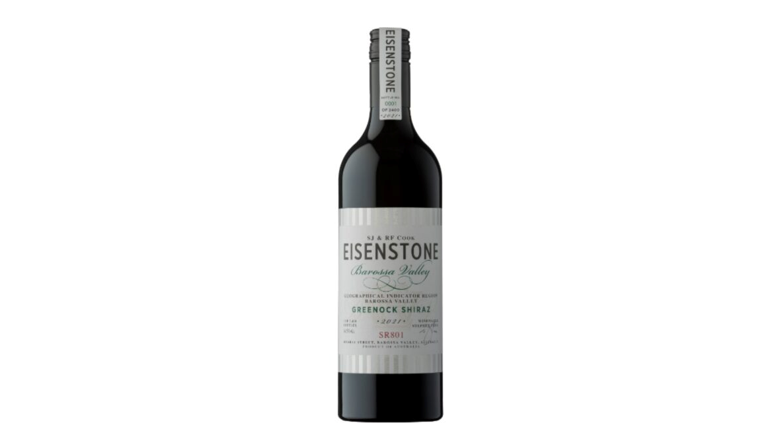
When you open a bottle of Eisenstone Greenock Shiraz 2022 SR801, you are not just uncorking a glass of wine. You are experiencing a wine that has been recognised as one of the finest in the world. Fresh off its victory at the prestigious Global Fine Wine Awards, this exceptional Barossa Valley Shiraz has proven what discerning palates already knew: sometimes brilliance simply cannot be ignored.
But this wine’s accolades tell a much larger story than a single trophy sitting on a winery shelf. The Eisenstone Greenock 2022 represents years of dedication, terroir mastery, meticulous winemaking, and the unwavering commitment to creating wine that transcends expectation. It is a story worth exploring, particularly for anyone who appreciates what truly great Australian wine can achieve on the global stage.
The Trophy That Changes Everything
In 2025, the Global Fine Wine Awards represented what many in the wine industry consider the ultimate litmus test for wine excellence. Competing against thousands of entries from around the world, prestigious European wines, celebrated New World producers, and innovative boutique wineries, the Eisenstone Greenock Shiraz 2022 did not just earn a medal. It captured the Top Trophy, a distinction reserved only for wines that demonstrate exceptional character, technical perfection, and that indefinable quality that separates good wine from transcendent wine.
This was not a regional award. This was not a domestic accolade. This was global recognition that this particular bottle, from this particular vintage, produced in this particular vineyard, represents the pinnacle of what Shiraz can be.
For Eisenstone Wines, founded by Stephen Cook and based in Barossa Valley’s Greenock district, this trophy validates a philosophy that has guided the winery since its establishment: that excellence cannot be compromised. Cook’s decision to focus exclusively on single-vineyard Barossa Shiraz, eschewing the temptation to diversify into whites, rosés, or easier-drinking reds, has proven to be precisely the right call.
Understanding the Eisenstone Difference
To understand why this wine deserves its accolades, it helps to understand what makes Eisenstone fundamentally different from many other Barossa producers.
The winery’s name itself tells part of the story. Eisen, a nod to the German settlers who planted the first vines in Barossa Valley generations ago, combines with stone to reference the distinctive ironstone-rich soils that define Greenock’s terroir. It is not just a name, it is a declaration of intention. This is a winery rooted in understanding the specific place that creates its wine.
Stephen Cook’s approach reflects a philosophy increasingly rare in the modern wine industry: specialisation as a path to mastery. Rather than spreading resources across multiple varietals or regions, Cook has chosen to dig deeper into a single focus, understanding Barossa Valley, mastering Shiraz production, and consistently expressing the unique characteristics of individual vineyard parcels.
This approach explains why each Eisenstone wine carries a designation code, the 2022 Greenock is SR801, indicating its specific vineyard source. It is not about mystery or marketing, it is about honesty and accountability. Cook is saying: this wine comes from this specific place, in this specific year, and I am proud to put my name on it.
The 2022 Vintage: A Perfect Confluence
The 2022 vintage was not a typical year for Australian wine regions. In fact, it might have been one of the most challenging growing seasons in recent memory for many producers. Yet for the best winemakers, those who understand their terroir intimately and possess the technical skill to navigate adversity, difficult vintages often produce the finest wines.
The 2022 growing season in Barossa Valley presented a unique set of conditions: a cool spring that extended flowering and reduced yields, a mild summer that allowed for slow and measured ripening, and a steady autumn that permitted perfect phenolic maturity without excessive alcohol development. For many vineyards, these conditions would have spelled disaster. For Greenock’s premium parcels, managed by a winemaker of Cook’s calibre, these conditions created the perfect storm of quality.
The result was concentrated fruit flavours, achieved not through excessive sugar development but through extended ripening under optimal conditions. Lower yields per vine meant fewer competing grapes for nutrients, resulting in more expressive fruit concentration. Extended ripening meant more developed tannins, better structural integrity, and the kind of complexity that separates merely good wines from truly exceptional ones.
When Huon Hooke, one of Australia’s most respected wine critics, scored the 2022 Eisenstone Greenock Shiraz at 96 points, suggesting a cellaring window extending to 2042, he was recognising a wine built for longevity. This is not a wine designed to be consumed next month or next year. This is a wine constructed on principles of structure and balance that will allow it to develop and evolve gracefully over the next two decades.
What 96 Points Actually Means
In the rarified world of fine wine criticism, a 96-point score from a respected critic like Hooke carries enormous significance. But what does this score actually mean, and why should it matter to the wine drinker?
Point scores, whether from critics like Hooke or review aggregators like Cellar Tracker, represent a standardised attempt to quantify a subjective experience. A 96 out of 100 score suggests a wine that exhibits excellence across multiple dimensions: fruit quality, structure, balance, complexity, and ageing potential.
For the Eisenstone Greenock 2022, Hooke’s score reflects several key factors.
Technical Excellence: The wine has no obvious flaws. Oak integration is seamless. Alcohol is perfectly balanced. Acidity provides structure without astringency. Tannins are ripe but present, suggesting longevity without harshness.
Complexity: Great wines reveal themselves slowly. They are not one-dimensional. The 2022 Greenock exhibits layer upon layer of flavour, blackberry and licorice on entry, graphite and meat juices mid-palate, cocoa and pepper on the finish. These flavours do not compete, they harmonise.
Terroir Expression: The wine tastes like where it comes from. Barossa Shiraz has certain hallmarks, ripeness, generosity, power, and the 2022 Greenock displays these characteristics authentically. Yet it also shows restraint, suggesting that Cook has resisted the temptation to extract excessive power at the expense of elegance.
Ageing Potential: The score of 96 and the cellaring suggestion through 2042 reflect a technical assessment that this wine is structured to improve for two decades. While drinking well now, the wine shows no greenness or harsh edges, it will develop additional complexity as the primary fruit flavours soften and secondary and tertiary flavours emerge, leather, tobacco, truffle.
The Greenock District: Barossa’s Hidden Gem
Part of understanding the 2022 Eisenstone Greenock Shiraz involves understanding the specific district where its grapes were grown. Greenock, within Barossa Valley, has developed a reputation among serious wine enthusiasts as producing some of Australia’s most complex and age-worthy Shiraz, yet it remains less commercially prominent than its more famous neighbours like Tanunda or Nuriootpa.
This relative obscurity is perhaps Greenock’s greatest advantage. While other sub-regions have become victim to their own success, with land prices inflating and production volumes expanding, Greenock has remained a refuge for serious winemakers like Cook who prioritise quality over volume. The district’s red-brown soils, rich in the iron content referenced in Eisenstone’s name, provide ideal drainage while retaining mineral character that contributes to the wine’s distinctive flavour profile.
The elevation of Greenock’s best vineyards, approximately 300 metres above sea level, provides another crucial advantage: temperature moderation. At this altitude, afternoon temperatures are slightly lower than lower-lying Barossa parcels, extending the growing season and allowing for more nuanced ripening.
The result is Shiraz with more freshness and structure than lower Barossa parcels, Shiraz that retains acidity and complexity alongside power and ripeness. It is the difference between a wine that impresses immediately with its intensity and a wine that reveals itself over multiple tastings, that improves with food, that continues to evolve in the glass.
From Vintage to Trophy: How We Got Here
Understanding the journey from harvest to international recognition provides insight into why the 2022 Eisenstone Greenock Shiraz deserves its accolades.
The Harvest: In 2022, Greenock’s Shiraz parcels were harvested at optimal phenolic maturity, the point where grape seeds have turned brown, skins have reached ideal colour saturation, and sugars have achieved the desired balance with acidity. This required precise timing, as conditions during the 2022 vintage made phenological prediction challenging. A harvest too early would have resulted in underdeveloped tannins, too late and alcohol could have become excessive. Cook and his team executed this timing flawlessly.
The Fermentation: The grapes underwent native yeast fermentation, using naturally occurring yeasts rather than commercial strains, a traditional approach that requires confidence in vineyard quality and winemaking technique but rewards the winemaker with greater complexity and specificity of flavour. The fermentation was monitored closely for temperature control, crucial for developing colour and tannin structure without cooking the delicate fruit flavours.
The Ageing: Following fermentation, the wine spent time in carefully selected oak, a portion in French oak, likely a portion in American oak, the proportions determined through Cook’s understanding of how these woods interact with Barossa Shiraz. The oak was not meant to dominate, rather it provided structure and subtle spice that integrated with the wine’s natural character. The wine likely spent 15 to 18 months in barrel before bottling, time that allowed for development, oxidative polymerisation of tannins, and subtle flavour integration.
The Bottling: The wine was bottled with natural cork, not screwcap, and likely released with a few months of bottle age before being submitted for critical evaluation. This suggests a winemaker confident enough to release their wine into the world ready to drink while also confident in its ability to age.
Each of these steps, harvest timing, fermentation management, oak selection, ageing protocol, represented opportunities for compromise, shortcuts, or cost-cutting. The fact that the 2022 Eisenstone Greenock Shiraz achieved a 96-point score and captured the Global Fine Wine Trophy suggests that Cook and his team made the right decision at every juncture.
Why This Matters Beyond Wine Collectors
For wine enthusiasts and collectors, the accolades surrounding the 2022 Eisenstone Greenock Shiraz represent more than just confirmation of what the wine tastes like. They represent validation of a particular philosophy about wine.
In an industry increasingly dominated by large corporate producers, marketing budgets, and brand recognition, the success of a small and single-vineyard, family-focused producer like Eisenstone suggests that excellence and honesty still matter. That consumers and critics alike still recognise and reward wines made with integrity and craftsmanship.
The wine’s trophy also matters to Australian wine’s global standing. For decades, Australian Shiraz has fought against certain stereotypes, powerful but simple, ripe but unsophisticated, high alcohol but lacking finesse. Wines like the 2022 Eisenstone Greenock Shiraz, scoring 96 points and winning international trophies, help reshape this narrative. They demonstrate that Australian winemakers, working with Australian terroir, can produce wines of genuine international standard, not just good wines, but wines that can stand shoulder-to-shoulder with the world’s finest.
Drinking the Trophy: What to Expect
If you manage to acquire a bottle of the 2022 Eisenstone Greenock Shiraz, and at limited production, with global awards driving interest, availability is becoming increasingly scarce, what should you expect when you open it?
Visual: Deep ruby, nearly black at the centre, suggesting significant colour concentration. A wine of this quality will typically show gradual colour transition to the rim, lighter at the edges, suggesting both maturity, some softening of initial intensity, and youth, still tightly wound.
Aromatic: On the nose, expect layers of scent. Initial aromas might include dark fruits, blackberry, plum, black cherry, alongside meat juices, suggesting the Barossa origins. Swirl the glass and additional notes emerge: licorice, graphite, cocoa, perhaps subtle oak-derived spice. The aromatics should feel integrated, not fragmented, a single coherent expression rather than disparate components.
Palate: The entry should be immediate and generous, reflecting the ripeness of the 2022 vintage. However, the wine should not feel flabby or undisciplined. Acidity should provide structure and freshness, Barossa Shiraz without acidity would lack the tension that creates interest. Tannins should be present but not aggressive. A wine scoring 96 points should feel complete, balanced, harmonious, each component supporting the others rather than competing.
Finish: The finish, the flavours that linger after you have swallowed, should be lengthy and evolving. Initial fruit intensity should gradually shift toward secondary flavours: leather, tobacco leaf, perhaps truffle. A great wine’s finish tells you it is structured for ageing, even now, you can sense the wine’s potential to develop.
Temperature: Serve at 16°C, approximately 60°F, rather than warmer. This temperature preserves the wine’s acidity and complexity while allowing the aromatics to open gradually. Serving too warm risks making the wine feel slightly flabby.
Pairing: This is a wine that demands food. The structure and tannins that make it age-worthy make it somewhat austere when drunk alone. Roasted lamb, the classic Barossa pairing, is ideal. Rich meats, game, hard cheeses all work beautifully. The wine’s acidity and structure cut through fatty foods while the wine’s ripeness complements the umami richness of proper meat cookery.
The Investment Case
For wine collectors and investors, the 2022 Eisenstone Greenock Shiraz presents an interesting consideration. Limited to only 800 bottles, indicated by the production code, award-winning, scored at 96 points, with a cellaring window to 2042, these are the characteristics that drive wine investment appreciation.
As the wine ages, bottles will be consumed, reducing supply. Remaining bottles will increase in value as the wine approaches its optimal drinking window, typically 8 to 15 years from vintage for wines of this calibre. The award win and critical acclaim create a narrative around the wine that appeals to collectors, a story of terroir, dedication, and excellence that can be told at a dinner table.
This is not to suggest that the primary motivation for purchasing this wine should be investment returns. Wine is best consumed, not hoarded. But for those considering whether to purchase to drink now or purchase to cellar, the fundamentals suggest that cellaring is the more rewarding path. The wine is built for ageing, it will likely develop additional complexity over the next 10 to 15 years, and supply scarcity will support valuation.
The Larger Narrative
The story of the 2022 Eisenstone Greenock Shiraz’s trophy win is not ultimately about a single bottle of wine, though that bottle is exceptional. It is a story about what is possible when a winemaker commits to mastery of a specific place and varietal, when technical skill combines with quality fruit, when a difficult vintage is managed with precision rather than panic.
In an industry increasingly characterised by mega-corporations and mass production, the success of a small and boutique producer like Eisenstone reminds us that scale and marketing budgets do not determine quality. Integrity, knowledge, skill, and dedication do.
The 2022 vintage may present a challenging year in the vineyards, but in the hands of a master winemaker working with premium fruit from an ideal terroir, adversity becomes opportunity. Challenging growing conditions create concentrated flavours, extended ripening creates complexity, and small yields create intensity.
The result is wine like the 2022 Eisenstone Greenock Shiraz, wine that arrives at the Global Fine Wine Awards not as a newcomer hoping to make an impression, but as a confident statement of excellence that wins the trophy and justifies every bit of the acclaim.
 Shiraz
 Cabernet Sauvignon
 Pinot Noir
 Grenache
 Merlot
 Red Wine Blends
 Chardonnay
 Riesling
 Pinot Gris
 Semillon
 Viognier
 Grenache Rosé
 Pinot Noir Rosé
 Shiraz Rosé
 Sangiovese Rosé
 Aglianico Rosé
 Clairette Rose
 Champagne
 Prosecco
 Sparkling Shiraz
 Blanc de Blanc
 Blanc de Noir
 Pet Nat
 Moscato
 Topaque
 Port
Port Sherry (dry & sweet)
 Muscat & Tokay
 Vermouth