Barbaresco

Barbaresco
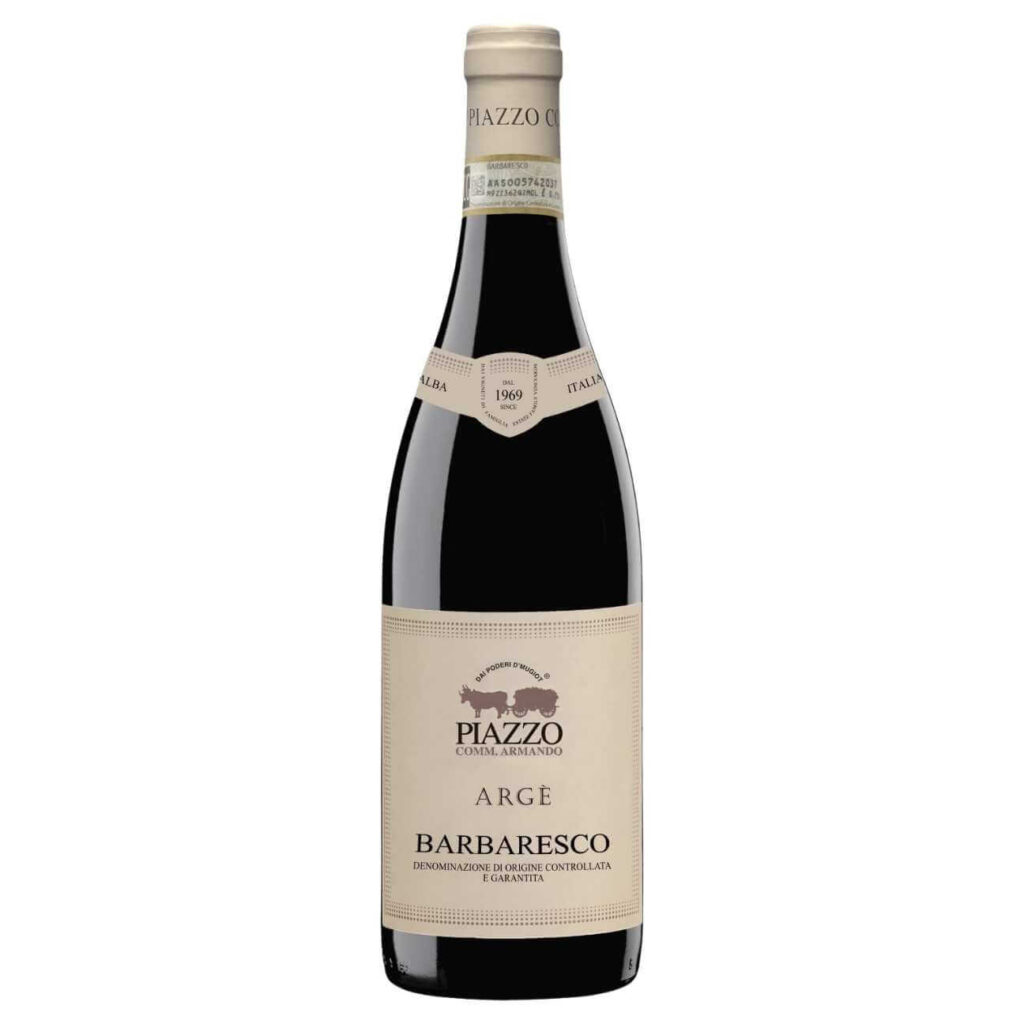
Piazzo Armando Arge Barbaresco DOCG
$871.00
$72.58 / bottle

Piazzo Armando Barbaresco Arge DOCG 2021/2022 (12 Bottles) Alba Piedmont, Italy

$871.00
$72.58 / bottle
Add to cart
Shipped by BWM
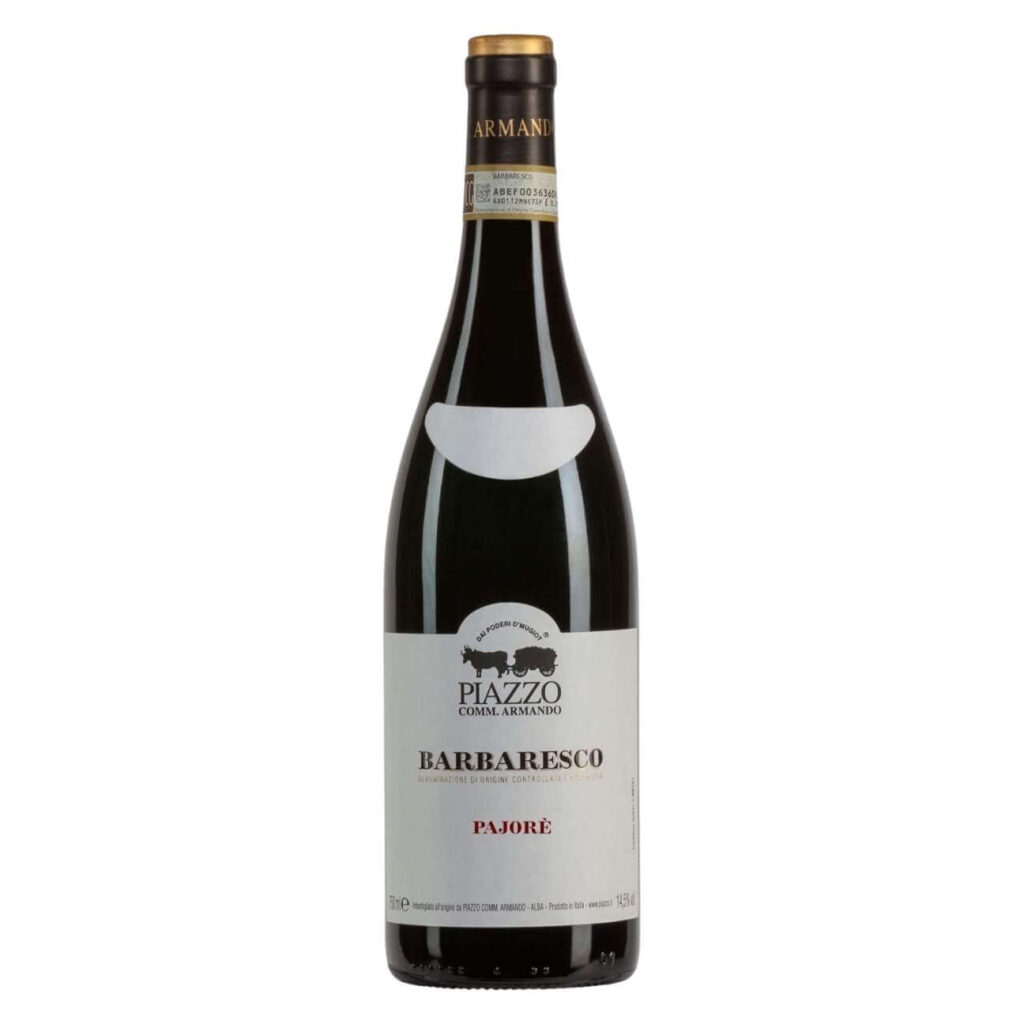
Piazzo Armando Barbaresco “Pajore” D.O.C.G
$650.00
$108.33 / bottle

Piazzo Armando Barbaresco “Pajore” DOCG 2021 (6 Bottles) Piedmont, Italy

$650.00
$108.33 / bottle
Add to cart
Shipped by BWM
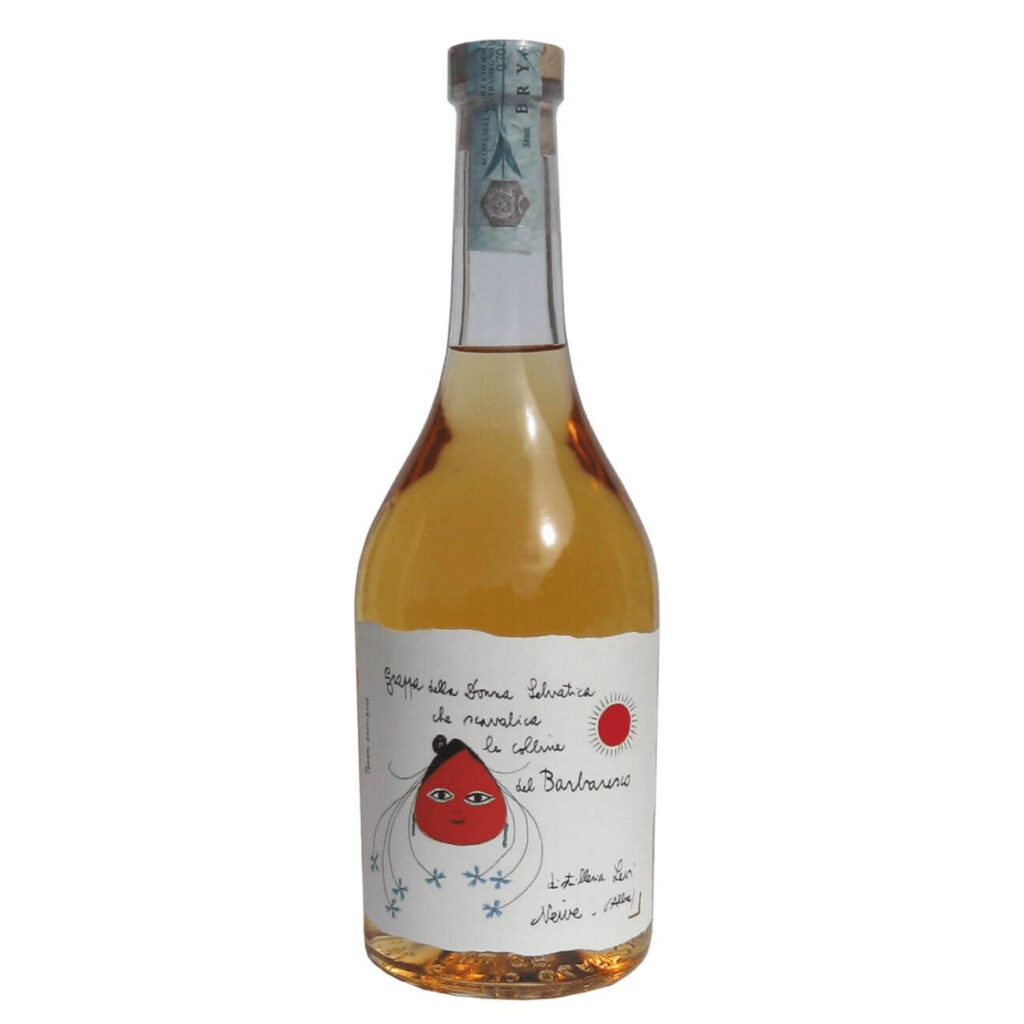
Levi Serafino Grappa di Barbaresco
$189.00
$189.00 / bottle

Levi Serafino Grappa di Barbaresco DOCG (1 Bottle) Piemonte, Italy

$189.00
$189.00 / bottle
Add to cart
Shipped by Principal Wines
$780.00
$130.00 / bottle

Albino Rocca Barbaresco Ronchi 2020 (6 Bottles) Barbaresco, Italy

$780.00
$130.00 / bottle
Add to cart
Shipped by Fine Wine Cellars
$780.00
$130.00 / bottle

Albino Rocca Barbaresco Ovello Vigna Loreto 2020 (6 Bottles) Barbaresco, Italy

$780.00
$130.00 / bottle
Add to cart
Shipped by Fine Wine Cellars
$572.00
$95.33 / bottle

Albino Rocca Barbaresco 2020 (6 Bottles) Barbaresco, Italy

$572.00
$95.33 / bottle
Add to cart
Shipped by Fine Wine Cellars

Buy Barbaresco Red Wine Online

Barbaresco occupies an intriguing position in Italian wine hierarchy. Often positioned as Barolo's gentler, more approachable cousin, the classification deserves recognition as a genuinely distinctive expression rather than merely softer alternative. Piedmont's Barbaresco region produces Nebbiolo of remarkable elegance, wines balancing power with refinement in ways that challenge simplistic comparisons. Australian retailers increasingly stock quality Barbaresco imports, offering enthusiasts access to some of Italy's most sophisticated red wines without requiring Italian travel or specialist sourcing.

Shopping for Barbaresco online connects you with a category of genuine world-class distinction. The wines reward serious attention and cellaring, revealing themselves gradually across years or decades. Understanding what makes Barbaresco special, how it differs from Barolo, and why quality expressions deserve premium pricing transforms appreciation entirely.

Barbaresco Fundamentals: Geography and Classification

Barbaresco represents a specific geographic classification within Piedmont's Nebbiolo-producing regions. The appellation covers a small area encompassing three primary communes: Barbaresco, Neive, and Treiso. This limited geography creates focus and identity, with producers crafting distinctive expressions reflecting specific terroir conditions.

The region sits south of the Tanaro River, which creates slightly different microclimatic conditions compared to Barolo's north-facing slopes. These subtle differences in elevation, aspect, and soil composition create wines showing distinctly different character from their Barolo counterparts despite employing identical grape variety. Barbaresco's slightly warmer position and different soil conditions produce Nebbiolo with slightly softer tannins and earlier approachability compared to Barolo's characteristically powerful structure.

DOCG classification requirements demand minimum 26 months aging prior to release, with at least nine months in wood. This requirement ensures baseline quality standards and consistent character. Producers crafting Barbaresco Riserva must age minimum four years, with at least nine months in wood, producing wines of greater complexity and aging potential. When shopping for Barbaresco online, these classifications provide reliable framework for understanding bottle maturity and intended character.

Understanding Barbaresco's Distinctive Character

Barbaresco Nebbiolo demonstrates remarkable elegance and complexity, offering character distinctly different from Barolo despite identical grape variety.

Color typically shows slightly lighter ruby compared to Barolo, reflecting slightly lower tannin levels and different soil conditions. This visual distinction hints at slightly softer character awaiting in the glass.

Aromatics emphasize rose, tar, leather, and elegant secondary character. Young Barbaresco shows bright red fruit, violet, and floral perfumes alongside earthy, mineral notes. Aged examples develop tertiary character including leather, tobacco, dried fruit, and complex savory complexity. These aromatics distinguish Barbaresco from Barolo's typically more powerful fruit-forward profile.

Palate structure defines Barbaresco's identity within Piedmont's Nebbiolo family. The variety produces high-tannin, high-acid wines, yet Barbaresco's terroir conditions create wines with slightly softer tannin structure compared to Barolo. This difference doesn't indicate lesser quality but rather distinctive regional expression. Young Barbaresco shows firm structure and powerful fruit alongside elegant aromatics. The tannins feel refined and integrated rather than aggressive, creating wines approachable earlier than powerful Barolos whilst maintaining serious aging potential.

Texture tends toward elegant and refined rather than brutally powerful. Barbaresco fills the palate with concentrated fruit and integrated tannins, creating impressive presence without overwhelming power. The high acidity provides lift and energy, preventing wines from becoming flat despite their concentration.

Aging trajectory distinguishes Barbaresco's appeal. Young wines show promise and initial approachability compared to young Barolo, yet improve dramatically over 10 to 20+ years. Aged examples reveal layers of complexity, with original fruit supplemented by leather, terracotta, dried fruit, and sophisticated secondary character. This aging potential creates genuine collecting appeal for enthusiasts building cellars for the long term.

Barbaresco vs. Barolo: Understanding Key Differences

Positioning Barbaresco and Barolo creates useful framework for understanding each region's distinctive character, though the comparison shouldn't imply hierarchy.

Terroir differences create the foundation for distinctive regional expressions. Barolo occupies primarily north-facing slopes with limestone-rich soils, creating conditions producing wines of characteristic power and structure. Barbaresco's slightly warmer position with different soil composition produces Nebbiolo with marginally softer tannins and slightly earlier approachability. These differences remain subtle rather than dramatic, yet cumulative effect creates distinctly different wines.

Aging requirements differ slightly between classifications. Barbaresco requires 26 months aging minimum (nine in wood), whilst Barolo demands 38 months (18 in wood). This longer minimum aging for Barolo reflects the region's expectation of more powerful, more structured wines requiring extended barrel maturation. Barbaresco's shorter requirement doesn't indicate inferiority but rather reflects region's more elegant approach.

Character profile sees Barolo typically described as more powerful, more structured, more demanding of patience. Barbaresco receives description as more elegant, more approachable, more immediately charming. These generalizations contain truth but shouldn't obscure genuine quality and complexity in either category. Serious Barbaresco rivals serious Barolo in complexity; the distinction lies in expression rather than quality hierarchy.

Price positioning typically sees Barbaresco commanding lower prices than comparable-quality Barolo, reflecting lesser international recognition. This pricing creates value opportunity for enthusiasts appreciating Barbaresco's elegant character. When shopping for Barbaresco online, you're often accessing genuine world-class quality at prices lower than equivalent Barolo expressions.

Barbaresco Pricing and Value

Barbaresco pricing reflects relative obscurity outside Italy and wine specialist circles, creating exceptional value.

Entry-Level Barbaresco (30 to 50 dollars) introduces the region without significant investment. These younger releases show characteristic Barbaresco elegance and fruit-forward character, drinking well upon release whilst benefiting from several years cellaring. Online shopping for approachable Barbaresco reveals producers crafting wines emphasizing accessibility alongside genuine quality.

Quality Barbaresco (50 to 80 dollars) represents where Barbaresco becomes genuinely interesting for serious enthusiasts. This bracket features expressions from established producers with genuine credentials, wines showing distinctive character and careful production attention. These bottlings typically possess sufficient complexity and structure for serious appreciation and contemplation. They age beautifully over 10 to 15+ years, developing nuance that younger versions suggest but don't fully deliver. When purchasing Barbaresco online at this level, you're accessing expressions worthy of serious collection and investment.

Premium Barbaresco (80 to 130 dollars) attracts serious collectors and special occasion purchases. Limited production from boutique makers, single-vineyard expressions from renowned sites, and wines with proven aging potential. These bottles demonstrate Barbaresco's genuine sophistication and collection value. Legendary producers' flagship expressions appear here regularly, often showing remarkable consistency across vintages. These wines deserve cellaring and reward patience as they develop extraordinary complexity over years or decades.

Collector Barbaresco (130 dollars and beyond) represents rare, aged bottlings from legendary producers and premium single-vineyard expressions commanding serious collector attention. Vintage Barbaresco with significant bottle maturity occasionally appears, showing remarkable development across decades.

Key Barbaresco Producers Worth Exploring

Understanding important producers helps navigate selections when shopping online, identifying quality and distinctive expressions.

Gaja stands as Barbaresco's most internationally recognized producer, crafting wines of remarkable power and elegance. The estate's commitment to quality and willingness to push boundaries established Gaja's legendary status. Their Barbaresco expressions command premium pricing reflecting genuine quality and international recognition.

Pio Cesare represents traditional Barbaresco values, crafting elegant wines emphasizing finesse over power. The family producer maintains commitment to regional character and time-tested production methods.

Marchesi di Barolo produces serious Barbaresco expressions alongside their famous Barolo, demonstrating commitment to both regions' potential.

Bruno Rocca crafts distinctive Barbaresco showing terroir expression through careful winemaking minimizing intervention.

Roagna represents smaller, quality-focused producers whose serious commitment creates expressions of genuine distinction despite limited availability.

When shopping for Barbaresco online, researching producer philosophy helps identify expressions matching personal preferences. Some emphasize power and structure, whilst others prioritize elegance and aromatic refinement. Both approaches produce legitimate quality.

Serving and Enjoying Barbaresco

Temperature matters considerably for Barbaresco enjoyment. Serve between 16 and 18 degrees Celsius, allowing the wine's elegant structure and complex character to express fully. Excessive chill suppresses aromatics and emphasizes tannin harshness; warmer service allows fruit and tannin to integrate, creating balance.

Decanting benefits young Barbaresco significantly. Aerating the wine for 30 to 60 minutes before service softens tannins and allows aromatics to emerge fully. This simple step transforms potentially challenging young wine into more approachable, enjoyable expressions. Aged Barbaresco occasionally shows sediment requiring careful decanting.

Glassware impacts appreciation considerably. Use generous red wine glasses allowing adequate aeration and aromatic expression. Avoid small glasses emphasizing tannin harshness rather than fruit complexity.

Food pairing showcases Barbaresco's elegant versatility. The wine's refined structure works beautifully with Italian cuisine, particularly dishes featuring tomato, mushroom, and rich sauces. Game, roasted meats, aged cheeses, and truffle-based preparations all pair exceptionally well. Unlike Barolo's need for powerfully flavored dishes, Barbaresco's elegance permits pairing with more delicate preparations whilst maintaining balance.

Cellaring approach differs slightly from Barolo. Young Barbaresco typically shows greater approachability than young Barolo, permitting earlier enjoyment without sacrificing long-term aging potential. Many enthusiasts enjoy Barbaresco across broader drinking windows, from 5 to 10 years onward rather than requiring extended cellaring like Barolo's typical 15+ year minimum.

Storage and Aging Barbaresco

Optimal storage follows standard wine guidelines: maintain consistent temperatures between 10 and 14 degrees Celsius, away from direct light and vibration. Horizontal bottle position keeps corks moist, preventing oxidation across extended cellaring periods.

Aging potential distinguishes Barbaresco's investment appeal. Quality expressions improve dramatically over 10 to 20+ years, with serious bottlings potentially aging 30+ years or longer. This longevity creates genuine collecting appeal whilst permitting earlier enjoyment compared to Barolo.

Vintage variation affects Barbaresco meaningfully. Warm years produce riper, more immediately approachable wines, whilst cooler vintages create more structured, more age-worthy expressions. Understanding vintage character helps cellaring decisions and purchasing choices.

Bottle development reveals transformation across decades. Young wine's firm structure softens, fruit character integrates, and secondary flavors emerge. Aged bottles show leather, dried fruit, and sophisticated complexity supplementing original aromatics. This evolution rewards patient cellaring.

Why Barbaresco Deserves Serious Collection

Barbaresco represents genuine world-class quality at prices lower than comparable Barolo expressions. This value proposition attracts serious collectors willing to appreciate the region's elegant rather than powerful expression. The wines age beautifully, developing complexity over years or decades, creating genuine long-term investment appeal.

Barbaresco's relative obscurity outside Italy and wine specialist circles means quality expressions remain undervalued compared to international recognition they deserve. Enthusiasts willing to explore the region often discover personal preferences running toward Barbaresco's elegant character over Barolo's characteristic power.

Shopping for Barbaresco Online at Cellars

Quality Barbaresco demands proper storage and thoughtful sourcing, requirements online shopping fulfills. Our Barbaresco selection features imports from established producers alongside emerging voices, offering diverse expressions reflecting the region's character.

Browse classic releases from legendary producers alongside less-familiar bottlings offering genuine quality, access detailed tasting notes describing flavor profiles and cellaring potential, compare vintages and producers across diverse selections, and trust that proper storage ensures bottles arrive in pristine condition. Whether exploring Barbaresco for the first time or building a serious collection, our online selection offers quality and diversity worth investigation.

Barbaresco delivery direct to your home combines specialist retailer knowledge with convenience. Shop for Barbaresco online at your leisure, access descriptions guiding confident purchasing, discover producers and expressions not widely available through traditional retail, and have everything delivered safely. Online Barbaresco shopping reveals a category of genuine distinction to enthusiasts appreciating elegant expressions of Nebbiolo.

Barbaresco represents Italian wine at its most sophisticated, offering genuine world-class quality reflecting centuries of Piedmont tradition. Quality expressions reward serious cellar investment and patient appreciation. Start shopping for Barbaresco online today and discover why this elegant classification increasingly attracts serious collectors willing to move beyond Barolo's mainstream recognition toward Piedmont's most refined and undervalued treasures.

Read More