 0473 644 098 · Mon–Fri 9am–5pm AESTHelp & FAQ


Nebbiolo Beyond Barolo – Why Barbaresco, Langhe, and Roero Deserve Your Attention

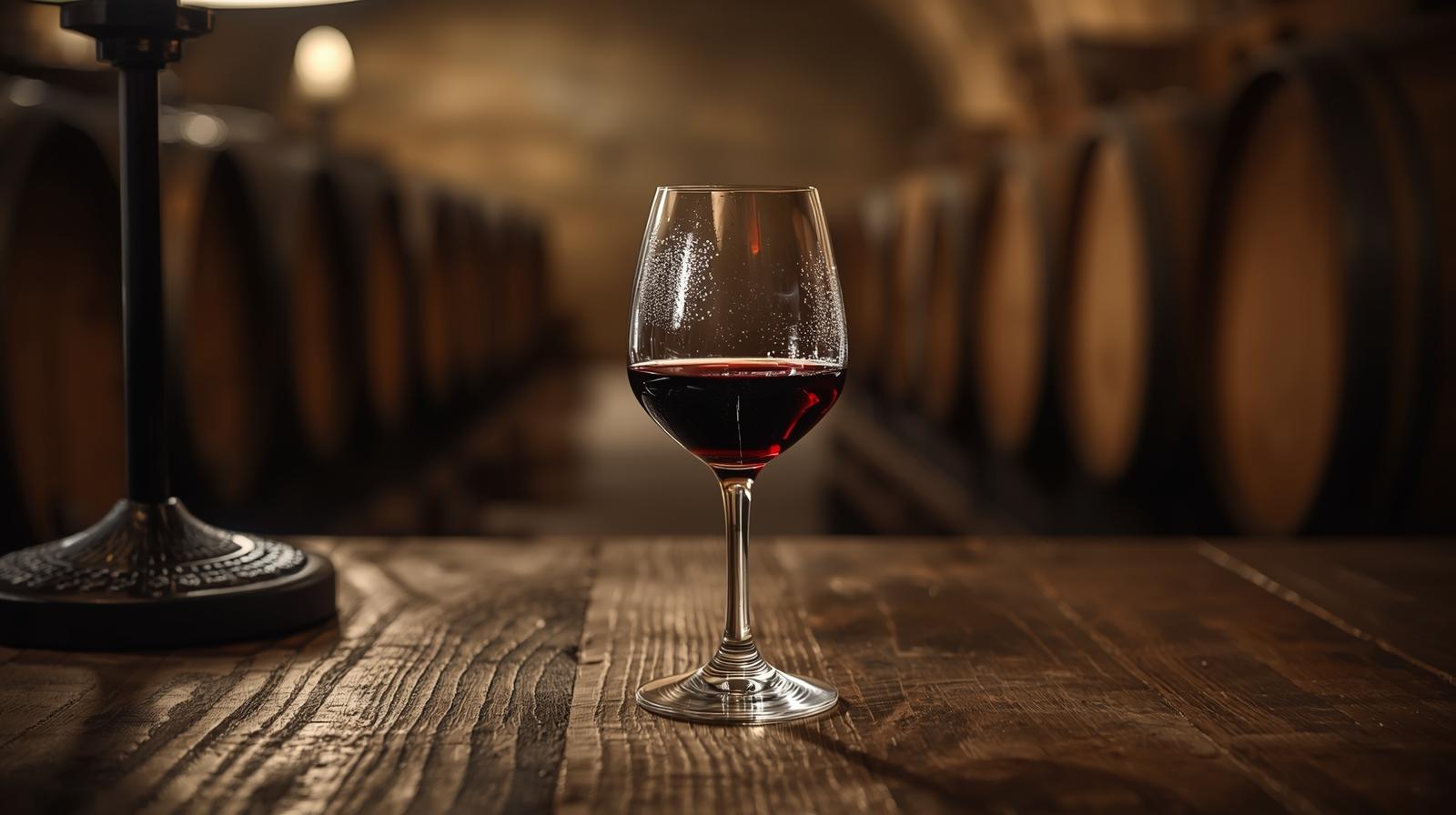
Barolo commands the spotlight. The “King of Wines” attracts collectors, demands premium prices, and dominates conversations about Piedmont’s finest expressions. Yet focusing exclusively on Barolo means missing some of Nebbiolo’s most compelling, approachable, and genuinely rewarding wines. Barbaresco, Langhe Nebbiolo, and Roero offer distinct expressions of this noble grape, often at prices that make regular enjoyment possible rather than reserved for special occasions.
Understanding these alternatives transforms Nebbiolo appreciation. Where Barolo demands patience and investment, Langhe Nebbiolo rewards immediate pleasure. Where Barolo shows power, Barbaresco reveals elegance. Where both command premium pricing, Roero delivers remarkable quality at accessible cost. Together, these regions demonstrate Nebbiolo’s remarkable range whilst providing entry points for enthusiasts at every level.
Barbaresco: The Queen Finds Her Voice
For decades, Barbaresco lived in Barolo’s shadow, dismissed as the lighter, lesser sibling. That perception changed dramatically in the 1960s when Angelo Gaja began transforming both his family winery and the region’s reputation. Today, Barbaresco stands as one of Italy’s most celebrated wine regions, producing Nebbiolo of extraordinary elegance and complexity.
The differences between Barbaresco and Barolo begin in the vineyard. Barbaresco’s soils contain more nutrients and slightly more sand than Barolo’s drier, more compact terroir. The result shows in the glass: Barbaresco typically produces wines with softer tannins, more obvious floral character, and earlier accessibility. Where Barolo can taste severe in youth, Barbaresco often charms from release.
Angelo Gaja, the legendary Barbaresco producer, describes his relationship with both regions: “We stayed like that until ’88 when we bought our first vineyard in Barolo. At that time we produced exclusively Barbaresco. We didn’t make Barolo because we did not like to buy grapes.” His eventual expansion into Barolo acknowledged the region’s prestige whilst never diminishing his commitment to Barbaresco’s distinct character.
The regulations reflect these stylistic differences. Barbaresco requires just two years of ageing before release (one year in oak), compared to Barolo’s three years. Barbaresco Riserva demands four years against Barolo Riserva’s five. These shorter requirements acknowledge that Barbaresco’s softer tannins integrate more quickly, though the best examples age magnificently across decades.
The Great Barbaresco Producers
Several producers define Barbaresco’s modern excellence, each bringing distinct philosophy to Nebbiolo expression.
Gaja remains the region’s most famous name, credited with bringing Barbaresco to international attention through quality improvements and shrewd marketing. The single-vineyard wines from Sorì San Lorenzo, Sorì Tildin, and Costa Russi command prices rivalling top Burgundy, though the standard Barbaresco offers more accessible entry to the house style.
Bruno Giacosa produces some of Barbaresco’s most age-worthy expressions. The famous Red Label Riservas from sites like Asili and Rabajà represent pinnacle Nebbiolo, though Giacosa only releases these wines in exceptional vintages. White Label wines offer more regular availability whilst maintaining remarkable quality.
Produttori del Barbaresco deserves particular attention for value-conscious enthusiasts. This cooperative, dating to 1894 and revived in 1958, produces wines from over 100 hectares across Barbaresco’s finest sites. Greg Sherwood MW describes their Langhe Nebbiolo as “one of the greatest and most profound value reds on the international wine market.” The nine single-vineyard Riservas, including Asili, Rabajà, and Rio Sordo, offer serious Barbaresco at prices well below famous estates.
Sottimano and Cigliuti represent the quality available from smaller family producers. Harry Eyres, writing in Country Life, notes that Sottimano’s Langhe Nebbiolo 2018 serves as “in effect, a baby Barbaresco, with enticing violet aromas and a hint of dark chocolate.”
Langhe Nebbiolo: The Gateway Wine
Langhe Nebbiolo represents Piedmont’s most accessible Nebbiolo expression. These wines come from vineyards throughout the Langhe hills, often including declassified fruit from Barolo and Barbaresco producers. The result offers genuine Nebbiolo character at fraction of the flagship price.
The classification serves multiple purposes. Young vines not yet producing fruit worthy of DOCG status contribute to Langhe Nebbiolo. Vineyards on lower slopes or less favoured exposures find expression here. Producers seeking earlier-drinking wines with softer profiles intentionally craft Langhe Nebbiolo for immediate pleasure.
Mike Turner, sommelier writing for The Buyer, explains the category’s appeal: “Langhe Nebbiolo is one of those perfect options for any wine list. The word ‘Nebbiolo’ attracts the attention of those gazing over the menu, and the price (hopefully) doesn’t scare too many away.”
The wines typically spend less time in oak and bottle than their prestigious siblings, emphasising fresh red fruit and floral aromatics over the developed complexity of aged Barolo. Expect rose petal, wild strawberry, cherry, and subtle spice, with tannins present but approachable. These wines drink beautifully young whilst offering glimpse of Nebbiolo’s essential character.
Quality Langhe Nebbiolo from serious producers provides remarkable value. Giuseppe Rinaldi, Bartolo Mascarello, Roberto Voerzio, and Vietti all produce expressions that over-deliver for their modest pricing. The Vietti Perbacco, sourced from 15 different crus across Barolo and Barbaresco, brings genuine complexity to the table at everyday prices.
Roero: The Hidden Treasure
Across the Tanaro River from Barbaresco lies Roero, a region producing distinctive Nebbiolo that remains surprisingly unknown outside specialist circles. The sandy soils here create wines quite different from the calcareous marls of the Langhe, showing elegance and aromatic intensity that can rival Barbaresco at significantly lower prices.
The terroir tells the story. Roero’s hills emerged from the sea between two and three million years ago, leaving sandy marine soils rich in mineral salts but poor in organic matter. These conditions produce Nebbiolo with fine tannic texture, pronounced floral aromatics, and an almost ethereal delicacy quite distinct from the power of Barolo or even the elegance of Barbaresco.
Michael Franz, writing for Wine Review Online, describes Roero’s appeal: “There’s plenty of Nebbiolo ‘grip’ in the finish, and this wine is built to last, but the tannins aren’t coarse or astringent, and they show up late in the wine’s sensory progression rather than terminating the finish prematurely.”
Roero DOCG requires minimum 20 months ageing, including six in wood, before release. The wines must contain at least 95% Nebbiolo, with most producers now using 100%. Riserva expressions demand 32 months total ageing. These requirements acknowledge Roero’s distinct character: wines of finesse rather than power, ready to drink younger than Barolo but still capable of graceful development.
The pricing represents Roero’s most compelling argument. Quality Roero DOCG typically costs 15 to 25 euros, compared to 40 to 80 for comparable Barbaresco and 50 to 150 for Barolo. At these prices, Roero permits regular Nebbiolo enjoyment rather than occasional splurging.
Enrico Serafino, Tenuta Carretta, and Cascina Ca’ Rossa produce excellent Roero expressions. The Carretta Bric Paradiso Riserva shows “the typical traits of Roero: elegance and drinkability,” according to regional experts, with extended ageing ensuring perfectly integrated tannins.
Understanding Nebbiolo’s Character
Regardless of specific appellation, Nebbiolo shares distinctive characteristics that explain both its cult following and its challenges.
The grape ripens late, often not until mid-to-late October, requiring specific conditions to achieve full maturity. It demands south-facing slopes between 250 and 450 metres elevation, with sufficient sunshine for complete ripening. These requirements limit where quality Nebbiolo can grow, concentrating production in specific Piedmont zones.
Britt Karlsson, wine journalist, describes Nebbiolo’s distinctive personality: “When first produced, Nebbiolo wines are light in color, but their aromas—red fruits, cherries, tobacco, forest mushrooms, and violets—can be remarkably vibrant. A premium Nebbiolo is characterized by its elegance, freshness, complexity, and noticeable tannins.”
The “tar and roses” descriptor appears repeatedly in Nebbiolo discussion, capturing the wine’s unusual combination of ethereal floral aromatics and savoury, earthy depth. This duality explains Nebbiolo’s food affinity: the elegance complements rather than overwhelms, whilst structure and acidity cut through rich dishes.
Colour often surprises newcomers. Despite formidable tannins and full body, Nebbiolo shows deceptively pale, translucent ruby that develops orange tints relatively quickly. Blind tasters sometimes mistake aged Nebbiolo for Pinot Noir, though the palate quickly reveals the error.
Modern Winemaking and Earlier Drinking
Contemporary Nebbiolo differs dramatically from historical expressions. Where older vintages required decades of cellaring before tannins softened sufficiently for enjoyment, modern techniques permit earlier drinking whilst preserving ageing potential.
The evolution began with Gaja’s controversial 1960s innovations: shorter skin contact, reduced oak ageing, smaller French barrels alongside traditional large casks. Initial resistance gave way to recognition that the resulting wines showed better fruit expression and approachable tannins without sacrificing longevity.
Karlsson notes the transformation: “Shortened skin contact, reduced oak aging, and the introduction of smaller French oak barrels alongside traditional large casks led to softer tannins and brighter, cleaner fruit. Overall, these changes have been beneficial.”
Today’s Barolo and Barbaresco can be enjoyed within years of release, though the best examples still reward patience. Langhe Nebbiolo and Roero drink beautifully from release, offering immediate pleasure alongside Nebbiolo’s essential character.
Food and Nebbiolo: A Natural Partnership
Nebbiolo’s combination of high acidity, firm tannins, and aromatic complexity makes it extraordinarily food-friendly. The wine’s structure handles rich dishes whilst its elegance complements rather than overwhelms.
Traditional Piedmontese cuisine evolved alongside Nebbiolo, creating natural partnerships. Brasato al Barolo (beef braised in Barolo), tajarin pasta with butter and truffle, agnolotti del plin, and risotto with porcini all find perfect partnership with local Nebbiolo.
The principles extend beyond regional cuisine. Fatty meats balance tannins whilst allowing aromatics to shine. Rich, creamy cheeses like Parmigiano-Reggiano or aged Fontina complement structure without competing. Mushrooms and truffles echo the wine’s earthy dimensions. Even pizza, with its tomato acidity and fatty cheese, works beautifully.
Avoid overly gamey meats that might clash with Nebbiolo’s delicate aromatics. Similarly, very spicy preparations can amplify tannin perception uncomfortably. The wine’s elegance deserves food that complements rather than competes.
Building Your Nebbiolo Collection
Exploring Nebbiolo beyond Barolo requires adjusting expectations and budget accordingly. Each category offers distinct rewards at different price points.
Langhe Nebbiolo provides everyday drinking pleasure at 15 to 30 dollars. Seek producers with serious Barolo or Barbaresco programmes, as their Langhe bottlings often contain declassified fruit of exceptional quality. Vietti Perbacco, Produttori del Barbaresco Langhe Nebbiolo, and Sottimano’s offering all over-deliver.
Roero DOCG represents perhaps Piedmont’s greatest value, offering age-worthy Nebbiolo at 20 to 40 dollars. The sandy soil character differs from Langhe expressions, showing more immediate aromatic appeal and finer tannins. Explore this category before prices inevitably rise.
Barbaresco demands 40 to 80 dollars for village wines, with single-vineyard expressions ranging from 60 to 150 dollars. The elegance and earlier accessibility compared to Barolo makes these wines rewarding purchases for those seeking quality Nebbiolo without decade-long cellaring commitments.
Barolo commands premium pricing starting around 50 dollars for basic expressions and climbing rapidly for cru wines. The investment rewards patience, as even modern Barolo benefits from cellaring. Consider Barolo for special occasions whilst building familiarity through more accessible categories.
Temperature and Service
Proper service temperature affects Nebbiolo dramatically. Serving too warm emphasises alcohol and dulls aromatics, whilst excessive chill suppresses the floral complexity that defines the variety.
Aim for 16 to 18 degrees Celsius, slightly below typical room temperature. Young wines benefit from the cooler end of this range, emphasising freshness and fruit. Aged expressions show better slightly warmer, allowing developed aromatics to emerge.
Decanting helps young Nebbiolo, softening tannins and opening aromatics. An hour or two in decanter transforms recent releases. Older wines require gentler treatment, with careful pouring to avoid disturbing sediment.
Nebbiolo demands attention and rewards contemplation. The variety’s complexity reveals itself gradually across an evening, evolving in glass and showing new dimensions with food. This isn’t wine for casual gulping but for genuine appreciation of what makes Piedmont’s Nebbiolo among the world’s most compelling expressions.
 Shiraz
 Cabernet Sauvignon
 Pinot Noir
 Grenache
 Merlot
 Red Wine Blends
 Chardonnay
 Riesling
 Pinot Gris
 Semillon
 Viognier
 Grenache Rosé
 Pinot Noir Rosé
 Shiraz Rosé
 Sangiovese Rosé
 Aglianico Rosé
 Clairette Rose
 Champagne
 Prosecco
 Sparkling Shiraz
 Blanc de Blanc
 Blanc de Noir
 Pet Nat
 Moscato
 Topaque
 Port
Port Sherry (dry & sweet)
 Muscat & Tokay
 Vermouth