 0473 644 098 · Mon–Fri 9am–5pm AESTHelp & FAQ


Champagne, Chenin Blanc, Gewurztraminer, Grenache, Merlot, Pinot Noir, Prosecco, Red Wine, Riesling, Sparkling Wine, White Wine
Spice, Umami, and the Glass: Why Wine and Asian Food Make a Perfect Match

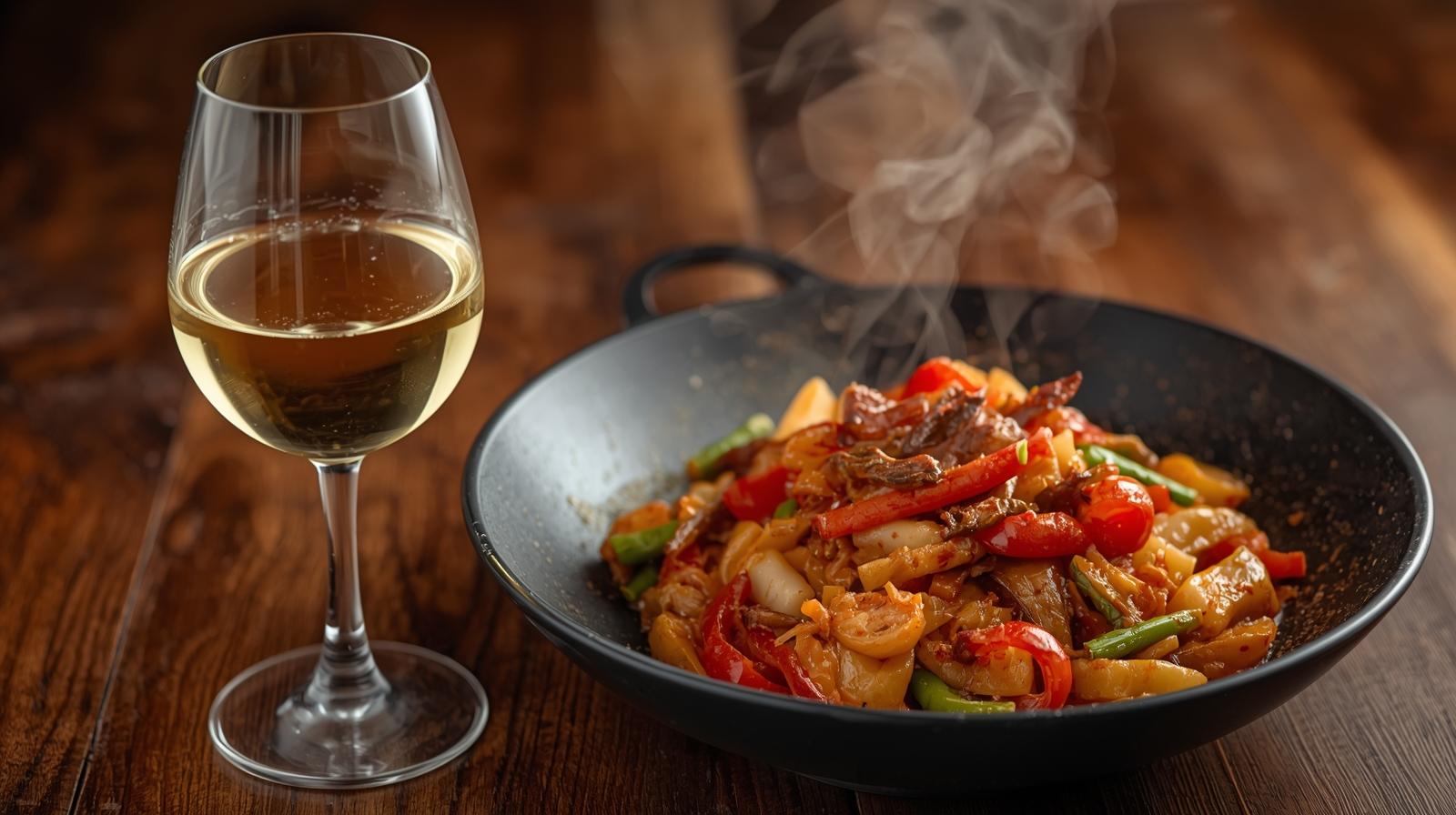
The conventional wisdom that wine and Asian cuisine don’t belong together has never held less weight. As more sommeliers explore the interplay between grape and ginger, chilli and Chardonnay, the old notion that beer or tea are the only accompaniments worth considering is fading fast. The truth is that Asian cuisines, from delicate Japanese sashimi to fiery Thai curries, offer some of the most rewarding pairing opportunities in the wine world, provided you know what to look for.
The challenge is real: chilli heat, fermented funk, layered umami, sour tamarind, palm sugar sweetness. These are elements that trip up tannic Cabernets and oaky Chardonnays. Yet they reward wines with the right balance of acidity, aromatic intensity, and textural finesse. Understanding the principles behind successful pairing opens up a world where Riesling meets pad Thai, Pinot Noir complements pho, and Champagne transforms a plate of dim sum.
The Golden Rules: What Works Across Asian Cuisines
Three core principles guide successful wine and Asian food pairing, regardless of whether the dish hails from Bangkok, Hanoi, Seoul, or Shanghai.
Respect the spice. Chilli heat intensifies with alcohol and tannin. High-alcohol reds with chewy tannins make spicy dishes taste hotter, often uncomfortably so. The solution lies in wines with lower alcohol, soft tannins, and generous fruit. A fruit-forward Riesling or off-dry Gewürztraminer cools the palate rather than fanning flames.
Desiree Chantarasak, sommelier and co-owner of London restaurant AngloThai, explains: “When you’re pairing wine with Thai food, being wary of the spice levels is a good place to start. I tend to look for wines that are slightly lower in alcohol as a lot of spice in the food can be exacerbated by a high ABV wine.”
Embrace acidity. Citrus, pickled vegetables, lime leaves, tamarind: Asian cuisines frequently employ sour elements that demand wines with matching acidity. Low-acid wines taste flat and lifeless beside these preparations. High-acid whites like Sauvignon Blanc, Riesling, and Grüner Veltliner cut through richness whilst harmonising with sour notes.
Balance sweetness. Palm sugar, coconut milk, hoisin, and sweet soy appear throughout Asian cooking. Bone-dry wines can taste harsh and austere alongside these preparations. Off-dry whites, aromatic varieties with residual sugar, and fruit-forward reds find harmony where austere wines struggle.
Thai Cuisine: Heat, Herbs, and Harmony
Thai food presents wine’s most exciting challenge. Sweet, sour, salty, spicy, and umami appear simultaneously, often within a single dish. Yet these very complexities create remarkable pairing opportunities when approached correctly.
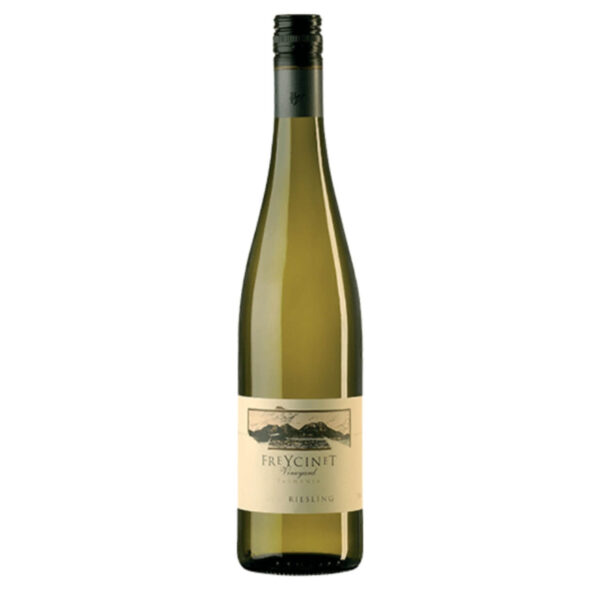
Riesling stands as Thai cuisine’s most versatile partner. The variety’s natural acidity matches lime and tamarind whilst residual sugar (in off-dry styles) tempers chilli heat. German Kabinett or Spätlese Riesling works brilliantly with green curry, tom yum, and pad Thai alike. The wine’s aromatic intensity, showing citrus and tropical notes, echoes lemongrass and kaffir lime without competing.
Gewürztraminer brings lychee and rose petal aromatics that complement Thai desserts and coconut-based curries. The variety’s natural richness and slight sweetness balance spice whilst its exotic character feels entirely at home beside complex Thai preparations.
Pinot Noir offers red wine possibility for those insisting on it. Light-bodied, low-tannin expressions from cooler climates work with coconut curries and milder preparations. Avoid extracted, high-alcohol versions that will clash with spice.
Chenin Blanc deserves particular attention. The variety’s inherent fruitiness and medium-high acidity create natural affinity with Thai preparations. Seek dry, off-dry, and sweet examples for especially flavourful combinations with everything from papaya salad to massaman curry.
Japanese Cuisine: Subtlety and Precision
Japanese food demands restraint from wine. The cuisine’s delicacy, balance, and umami depth require wines that enhance rather than overpower. Heavy oak, aggressive tannins, and high alcohol all disrupt the harmony inherent in Japanese preparations.
Champagne and sparkling wine work remarkably well with sushi and sashimi. The bubbles cleanse the palate between bites whilst acidity cuts through fish oils. Blanc de Blancs Champagne, with its precision and minerality, shows particular aptitude.
Peter McCombie MW, Japanese wine expert, notes that Japan’s indigenous grape Koshu offers ideal sushi pairing: “Koshu is naturally low in acid, which is why it works so well with sushi. You’d expect to need a wine with high acidity to pair with fatty fish such as tuna. But interestingly that’s not the case, as wines with high acid can make fish taste metallic.”
Pinot Noir finds its most elegant Japanese expression alongside raw fish. Shalini Sekhar, winemaker, emphasises the importance of texture: “With delicate fare like sushi or a poached fish in dashi, a lighter touch is needed to accentuate rather than combat the food. Bright acidity as well as balanced alcohol are also important to complement and not overpower dishes.”
Aged Burgundy represents the pinnacle of Japanese wine pairing. Some Tokyo sushi masters trained as sommeliers specifically serve aged Burgundy alongside their omakase courses, demonstrating how transcendent these combinations can become.
 $190.67
/ bottle
$1,144.00 for a case of 6
$190.67
/ bottle
$1,144.00 for a case of 6
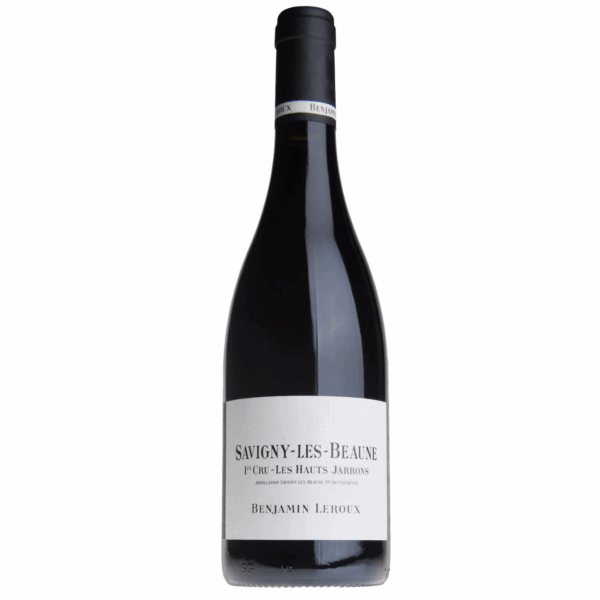
Benjamin Leroux Savigny-lès-Beaune 1er Cru Les Hauts Jarrons
Shipped by
Fine Wine Cellars
$190.67
/ bottle
$1,144.00 for a case of 6


 $267.08
/ bottle
$3,205.00 for a case of 12
$267.08
/ bottle
$3,205.00 for a case of 12
Benjamin Leroux Beaune 1er Cru Les Cent-Vignes
Shipped by
Fine Wine Cellars
$267.08
/ bottle
$3,205.00 for a case of 12
 $87.17
/ bottle
$523.00 for a case of 6
$87.17
/ bottle
$523.00 for a case of 6
Domaine De L Eveche Mercurey Les Ormeaux Chardonnay
Shipped by
PS Wine Selections
$87.17
/ bottle
$523.00 for a case of 6
 1144 pts
 Chinese Cuisine: Regional Diversity Demands Flexibility
Chinese cuisine encompasses such regional diversity that no single wine solution exists. Cantonese delicacy differs entirely from Sichuan fire, Shanghainese sweetness contrasts with northern wheat-based preparations. Successful pairing requires matching wine to specific regional style.
Thomas Ho, consultant sommelier at Mountain And Sea House in Hong Kong, explains his approach: “Since there are so many flavours going on, I think the most important thing is to grasp the general direction, and then eliminate any landmine combinations.” He recommends wines with low tannins, high acidity, slight sweetness, low alcohol, less oak ageing, and capacity for cold serving as safer options for Chinese food pairing.
Champagne works brilliantly with dim sum and fried preparations. Christine Parkinson, wine buyer for Hakkasan Group, confirms: “Champagne works really well. You’ve got the cold temperature, you’ve got the bubbles and a great textural contrast particularly to hot food, particularly with anything that’s fried.”
Alsace Pinot Gris handles Sichuan preparations including kung pao chicken with its traditional off-dry style. The wine’s slight sweetness, rich texture, and aromatic complexity navigate sweet, sour, spicy, and salty elements simultaneously.
Pinot Noir pairs beautifully with duck preparations. Max Allen, Australian wine writer, confirms: “For a long time, I’ve reached for Pinot Noir whenever someone’s ordered duck in a Chinese restaurant: whether it’s the sweet succulence of Peking duck pancakes or the drier texture and perfumed depth of flavour of Sichuan tea-smoked duck, Pinot’s fragrance, lighter body and silky tannins work so well.”
Riesling and Gewürztraminer remain versatile choices across Chinese regional styles, their aromatic intensity and balanced sweetness handling diverse preparations from steamed fish to spicy stir-fries.

 $31.25
/ bottle
$375.00 for a case of 12
$31.25
/ bottle
$375.00 for a case of 12
 $38.83
/ bottle
$233.00 for a case of 6
$38.83
/ bottle
$233.00 for a case of 6

 $31.25
/ bottle
$375.00 for a case of 12
$31.25
/ bottle
$375.00 for a case of 12
Vietnamese Cuisine: Fresh, Light, and Wine-Friendly
Vietnamese cuisine’s emphasis on fresh ingredients, minimal cooking, and abundant herbs creates surprisingly wine-friendly conditions. The cuisine’s French colonial influence also means wine feels historically appropriate alongside traditional preparations.
Yu Yamamoto, Sommelier Award recipient for the MICHELIN Guide Hanoi & Ho Chi Minh City 2023, offers specific recommendations for classic dishes.
Spring rolls with dry German Riesling: The wine’s high acidity and citrusy, herbal notes complement the freshness of rice paper, herbs, vermicelli, and shrimp.
Pho with dry sparkling wine or light Pinot Noir: Low-tannin reds avoid clashing with the broth’s delicate flavours. “Pinot Noir or Gamay wines are light and fruity, making them great pairings for this dish,” Yamamoto explains. Dry sparkling wine refreshes the palate and counterbalances savoury elements.
Banh xeo with Prosecco: The crispy pancake’s texture finds complementary crunch in sparkling wine’s bubbles. Italian Prosecco’s casual, dry character suits the dish’s street-food origins.
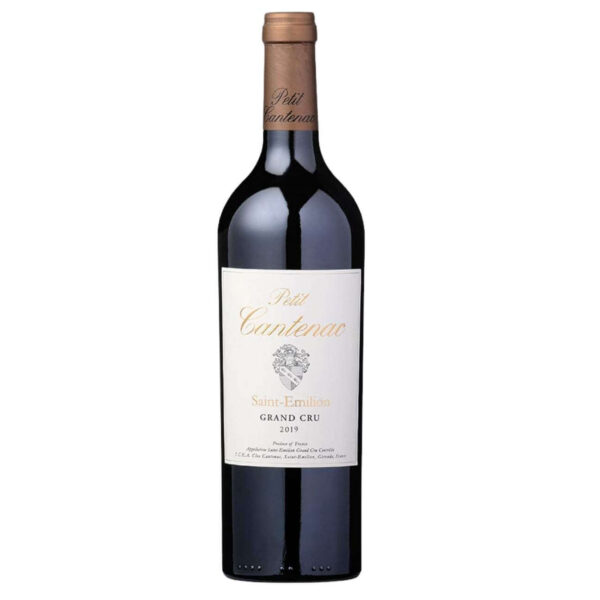
Bo kho with Merlot: This beef stew’s French-influenced aromatics of lemongrass, star anise, and cinnamon call for Bordeaux-style reds. Merlot’s smooth tannins match the rich broth without overwhelming delicate spicing.
 $25.17
/ bottle
$151.00 for a case of 6
$25.17
/ bottle
$151.00 for a case of 6
 $69.00
/ bottle
$414.00 for a case of 6
$69.00
/ bottle
$414.00 for a case of 6
Clos Cantenac Petit Cantenac Saint-Émilion Grand Cru
Shipped by
Oatley Fine Wine Merchants
$69.00
/ bottle
$414.00 for a case of 6

 $90.50
/ bottle
$543.00 for a case of 6
$90.50
/ bottle
$543.00 for a case of 6
Korean BBQ: Smoke, Ferment, and Fire
Korean BBQ combines grilled meats, fermented banchan (side dishes), and often significant spice. The pairing challenge lies in accommodating diverse elements appearing simultaneously on the table.
Grenache and Syrah blends handle smoky, charred meats whilst maintaining sufficient fruit to work with sweet-savoury marinades. Look for expressions from warmer climates showing generous fruit and soft tannins.
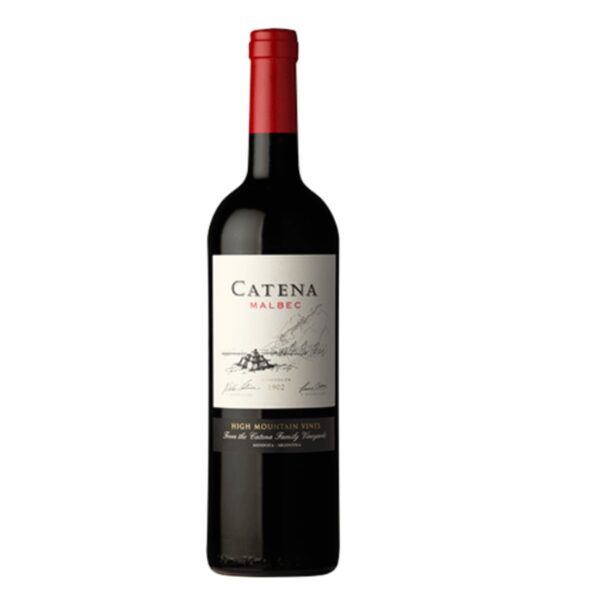
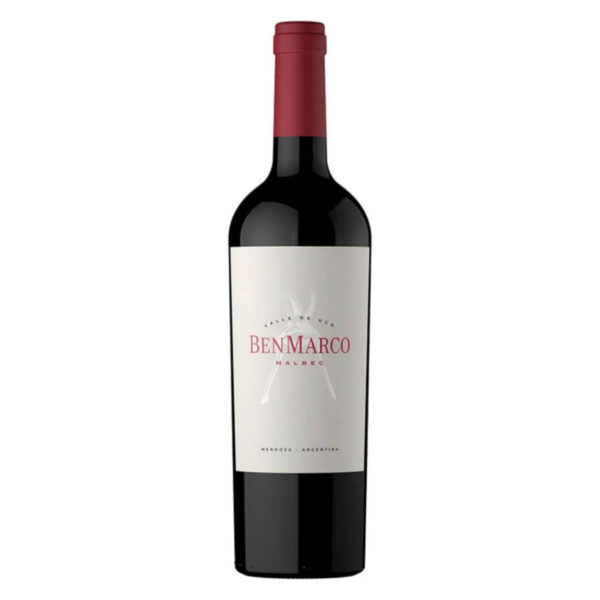
Malbec works particularly well with fatty cuts like galbi (beef short ribs). The wine’s dark fruit, velvety tannins, and smooth finish balance richness whilst tempering spicy dipping sauces.
Riesling remains the banchan solution. Kimchi, pickled vegetables, and fermented preparations challenge most wines, yet Riesling’s acidity and slight sweetness navigate these elements gracefully. When in doubt with Korean food, reach for Riesling.
Zinfandel with its bold fruit and moderate tannins handles bulgogi’s sweet-savoury marinade beautifully. The wine’s spice notes echo Korean preparations whilst fruit intensity stands up to intense flavours.
$25.17
/ bottle
$151.00 for a case of 6
 $40.83
/ bottle
$245.00 for a case of 6
$40.83
/ bottle
$245.00 for a case of 6
Bodega Catena Zapata High Mountain Vines Malbec
Shipped by
Wines Australia
$40.83
/ bottle
$245.00 for a case of 6

 $39.83
/ bottle
$239.00 for a case of 6
$39.83
/ bottle
$239.00 for a case of 6
Building Your Asian Food Wine Toolkit
Rather than memorising specific pairings, building a versatile selection permits confident navigation across diverse Asian cuisines.
Essential whites include off-dry Riesling (German Kabinett or Spätlese), Gewürztraminer (Alsace), Grüner Veltliner (Austria), and Chenin Blanc (Loire Valley). These aromatic, high-acid varieties handle spice, sweetness, and sour elements across cuisines.
Useful reds include light Pinot Noir (Burgundy, Oregon, or New Zealand), Gamay (Beaujolais), and fruit-forward Grenache. These low-tannin varieties work with preparations where red wine feels appropriate without creating uncomfortable spice intensification.
Sparkling options including Champagne, Prosecco, and Crémant provide versatility across fried foods, dim sum, and diverse preparations. Bubbles cleanse palates whilst cold temperature refreshes.
Avoid heavily oaked Chardonnay, tannic Cabernet Sauvignon, and high-alcohol Shiraz. These styles consistently clash with Asian preparations, intensifying spice whilst overwhelming delicate flavours.
Temperature Matters More Than Usual
Serving temperature affects Asian food pairing more dramatically than Western cuisine pairings. Cold wines feel more refreshing alongside spicy preparations, and slight chill tames alcohol’s heat-intensifying effects.
Serve whites at 8 to 10 degrees Celsius, colder than typical Western recommendations. Light reds benefit from 30 minutes refrigeration, arriving at 13 to 14 degrees rather than room temperature. This coolness emphasises freshness and acidity whilst minimising alcohol perception.
Your Next Takeaway Deserves Better
The next time green curry, Peking duck, or a bowl of pho arrives at your table, skip the default beer or tea. Reach instead for Riesling, Pinot Noir, or a chilled glass of Champagne. The principles here work whether you’re ordering delivery on a Tuesday night or planning an elaborate feast.
Asian cuisines have always rewarded curiosity. Wine pairing simply extends that invitation further, revealing combinations that can prove as transcendent as any classical European match. The glass waiting beside your chopsticks might just transform everything you thought you knew about both wine and the food in front of you.
 Shiraz
 Cabernet Sauvignon
 Pinot Noir
 Grenache
 Merlot
 Red Wine Blends
 Chardonnay
 Riesling
 Pinot Gris
 Semillon
 Viognier
 Grenache Rosé
 Pinot Noir Rosé
 Shiraz Rosé
 Sangiovese Rosé
 Aglianico Rosé
 Clairette Rose
 Champagne
 Prosecco
 Sparkling Shiraz
 Blanc de Blanc
 Blanc de Noir
 Pet Nat
 Moscato
 Topaque
 Port
Port Sherry (dry & sweet)
 Muscat & Tokay
 Vermouth