 0473 644 098 · Mon–Fri 9am–5pm AESTHelp & FAQ


Refrigerated Wine: Why Australians Get It Wrong and How to Get It Right

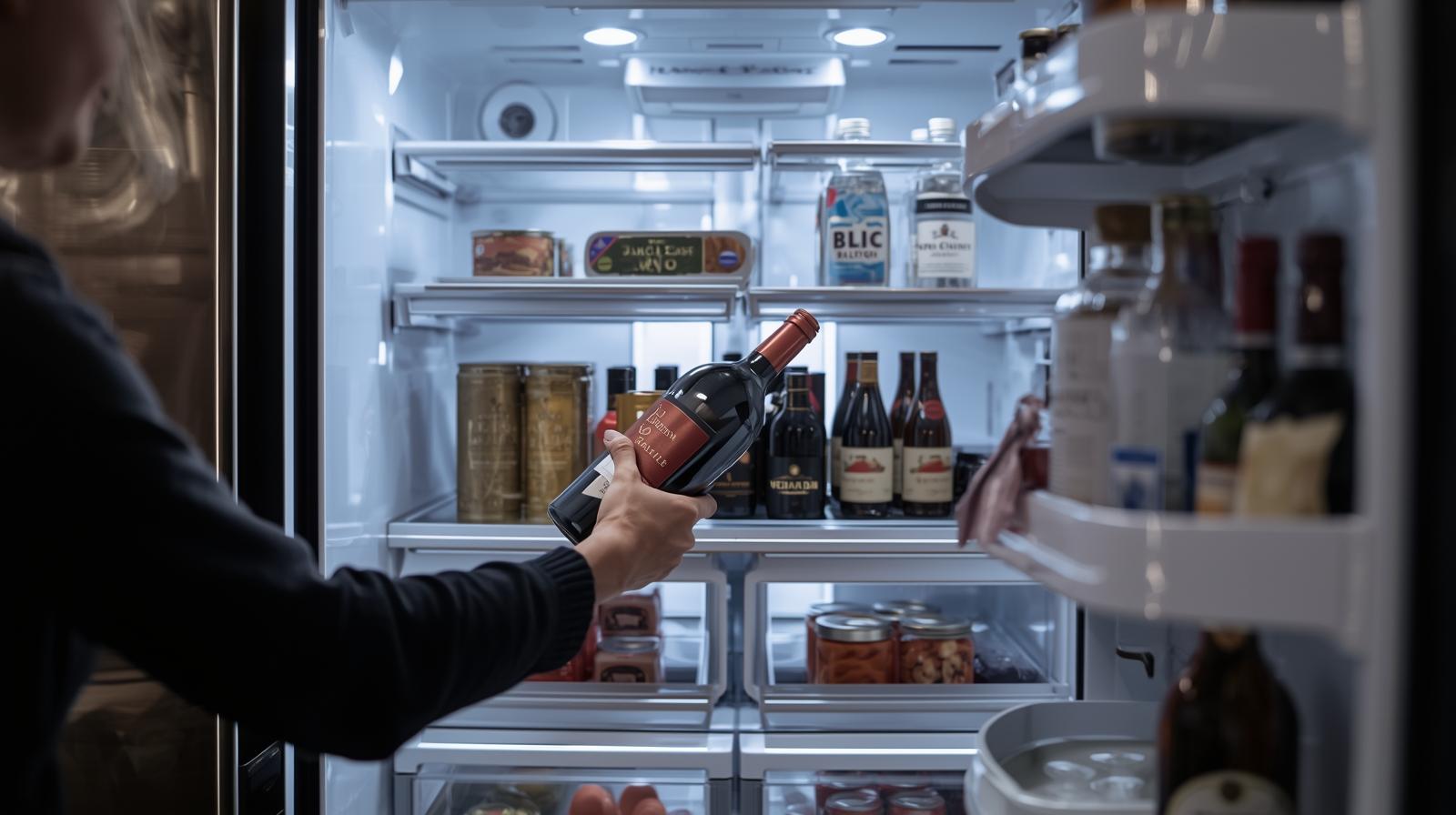
The question seems simple: should wine go in the fridge? The answer, it turns out, is far more nuanced than most Australian drinkers realise. Refrigerated wine isn’t just about chilling a bottle an hour before dinner. It’s about understanding storage temperature, serving temperature, and the particular challenges of keeping wine fresh in a country where room temperature regularly climbs above thirty degrees.
The Room Temperature Myth: Why Australia Invented a Problem
Wine experts have perpetuated a myth for generations that red wine belongs at room temperature. This advice made perfect sense in European cellars where room temperature hovers around fifteen to eighteen degrees Celsius. In Australia, where room temperature regularly reaches twenty-two to twenty-five degrees Celsius during evening entertaining, this advice becomes actively harmful to the wine you’re trying to enjoy.
Nitin Arora, BWS Wine Category Manager, cuts through the confusion by explaining exactly what went wrong: “The general rule of thumb is to serve red wine at room temperature, as red wine can run the risk of tasting too acidic when cooled. However, the average room temperature of 22-23 degrees Celsius in Australia is too warm for red wines, and can actually cause them to lose an awful lot of character, especially with respect to aroma.”
This matters profoundly. When red wine warms to Australian room temperatures, the alcohol dominates your palate, the finesse disappears, and you’re left with a flat, overheated experience that bears little resemblance to what the winemaker intended. The wine doesn’t taste acidic anymore. It tastes damaged.
What Refrigeration Actually Does: Storage Versus Service
Refrigeration serves two entirely different purposes, and conflating them creates confusion. Storage temperature and serving temperature are separate considerations, yet most people treat them as identical.
For long-term storage of wine you plan to age for years, the ideal temperature sits at around twelve to fourteen degrees Celsius. This can be a dedicated wine fridge, a wine cabinet, or in Australia, increasingly, a climate-controlled wine storage facility. This steady temperature allows wine to evolve gracefully without the destruction that comes from heat exposure.
Serving temperature is different. This is the temperature at which you want to drink the wine, and it varies dramatically by wine type. The confusion arises because many Australians keep wine in a regular kitchen refrigerator set to around three to four degrees Celsius, then serve it directly from that fridge without allowing the wine to warm slightly. This over-chilling strips the wine of its flavours and aromatic complexity.
The Problem With Your Kitchen Refrigerator
Your regular kitchen fridge presents several problems for wine beyond just temperature. The thermostat is set to keep food safe, not to preserve wine. Every time someone opens the fridge door to grab butter or leftovers, temperature fluctuates wildly. Wine hates fluctuation.
Additionally, regular refrigerators generate significant vibration from their compressors. Wine doesn’t like vibration. The appliance actively removes humidity, which dries out wine corks, allowing air to seep into the bottle and oxidise the contents. And most importantly, if you’re storing wine on the door or near the compressor, you’re subjecting it to temperature swings that can ruin serious bottles.
The wood shelving and careful vibration dampening found in proper wine fridges doesn’t exist in your kitchen fridge. Neither does the humidity control that wine requires. Wine corks need fifty-five to seventy-five percent humidity to remain pliable and create a proper seal. Your kitchen fridge, through its frost-prevention design, maintains humidity close to zero percent. Over time, this dries corks, allowing wine to seep out and air to seep in.
When Refrigeration Makes Sense: The Immediate Pre-Service Window
Here’s where refrigeration becomes genuinely useful for most Australian drinkers. Rather than storing wine in the fridge for weeks, use your regular refrigerator as a serving temperature tool in the hours before you drink the wine.
For white wines, sparkling wines, and rosé, place the bottle in the fridge approximately two to three hours before serving. This brings the wine to around seven to twelve degrees Celsius, depending on how long you leave it. Two to three hours feels like a long time, but it’s the difference between a wine that tastes alive and a wine that tastes like flavoured icewater.
For red wines, Australian conditions demand a different approach. Put your full-bodied red wine in the fridge for twenty to thirty minutes before serving. This brings it down to approximately fifteen to seventeen degrees Celsius. Lighter reds like Pinot Noir or Grenache can spend forty-five minutes in the fridge, reaching twelve to fifteen degrees. This is counterintuitive to wine tradition, but it’s the reality of Australian entertaining.
Nitin Arora emphasises the specific temperatures: “Light, fruity reds are often served colder than this standard, at 12-15 degrees. Full bodied reds, such as cabernet sauvignon or a Bordeaux, should traditionally be served at cellar room temperature. Lighter reds, such as pinot noir or a Grenache, can use the additional chilling.” He adds that “Nitin suggests keeping these wines in the refrigerator for an hour or more to bring them down to about 15 degrees before serving.”
These brief fridge visits work because they don’t subject the wine to prolonged temperature fluctuation or drying cork conditions. You’re using refrigeration as a temporary tool, not permanent storage.
The Critical Mistake: Over-Chilling
Wine served too cold becomes nearly undrinkable. A white wine pulled straight from your three-degree fridge and poured into a glass becomes acidity and nothing else. All the citrus notes, the stone fruit, the minerality, the complexity you paid good money to experience simply vanishes beneath the sensation of cold.
Similarly, an over-chilled red wine emphasises bitter tannins and sharpness. The wine feels austere and unpleasant instead of smooth and welcoming. If you ever drink white wine directly from the fridge and think the wine tastes thin or one-dimensional, over-chilling is almost certainly the culprit.
The solution sounds counterintuitive but works beautifully: serve your white wine slightly cooler than you think ideal, remove it from the fridge thirty minutes before you plan to drink it, and let it warm slightly on the table. As it warms, the wine opens up. Aromas become apparent. Flavours develop complexity. The wine becomes something worth actually tasting rather than merely consuming.
After Opening: When Refrigeration Preserves
Once you’ve opened a bottle, refrigeration becomes a genuine preservation tool rather than a service temperature question. Opened white wine, rosé, and sparkling wine should go straight into the fridge. Cooler temperatures slow the oxidation process that gradually turns open wine into vinegar.
A properly sealed opened white wine or rosé lasts three to five days in the fridge. Sparkling wine lasts one to two days. Opened red wine can last three to five days, and remarkably, some red wines actually improve on the second day after opening. Cool temperature and a good seal preserve what’s left of the wine far better than leaving it on the counter.
For serious wine drinkers, investing in a vacuum sealing cork makes a genuine difference. These devices remove air from opened bottles and reseal them, extending the life of opened wine by several additional days compared to just recorking the bottle.
Storage Solutions for Australian Homes: When Regular Fridge Isn’t Enough
Most Australian homes lack basements where wine naturally stays cool. You’re storing wine in a garage that swings from cold to baking hot, or in a spare room where summer temperatures climb relentlessly. In these conditions, a dedicated wine fridge makes genuine sense, particularly if you’re collecting wine or buying bottles to age.
A proper wine fridge maintains consistent temperature, controls humidity, minimises vibration, and protects wine from light exposure. For the serious collector, this investment pays dividends. Wine that would be ruined in a garage stays in perfect condition in a wine fridge maintained at twelve to fourteen degrees.
For casual drinkers without the budget for wine fridges, the solution is simpler: buy wine to drink now, not to age. Choose a cool storage location in your home. The south side of the house, away from direct sunlight, away from heat-generating appliances, away from the top of your fridge, works better than you’d expect. A small cupboard or corner pantry in the coolest part of your home can work fine for wine you plan to drink within months.
Summer Heat: The Serious Enemy
Australian summer presents the most serious threat to wine in a typical home. Temperatures climb, sunlight pours through windows, and wine gradually gets cooked in bottles and boxes.
The danger isn’t instantaneous. Wine can survive brief heat exposure. The serious damage happens when wine sits in heat for weeks. The cork dries out, allowing air to seep in. Heat accelerates chemical reactions that prematurely age the wine. Aromas fade. Flavours flatten. The wine becomes something less than what the winemaker created.
The practical solution for summer is simple discipline: never store wine in a hot car, never leave bottles on a sunny windowsill, never stack them in the garage where they’ll bake during afternoon heat. Instead, find the coolest, darkest corner of your home. During Australian summers, even a modest wine collection benefits from a basic wine thermometer that helps you monitor whether your storage location stays reasonably stable.
The Simple Rules for Australian Drinkers
Rather than overthinking refrigeration, apply these straightforward principles. White wines, sparkling wines, and rosé go into the fridge approximately two to three hours before serving. Red wines go into the fridge fifteen to thirty minutes before serving, depending on their body and your room temperature.
After opening any wine, immediately put the bottle in the fridge if you’re not finishing it that evening. Proper storage requires steady, cool conditions. Your kitchen fridge works well for opened wine. For unopened wine you plan to age, you need something better.
And embrace the Australian reality: your room temperature is too warm for wine. This isn’t failure. It’s simply recognising that the European wine tradition needs Australian adaptation. Chilling your reds slightly isn’t wrong. It’s correct for the climate where you actually live.
Once you stop fighting the Australian conditions and instead work with them, wine suddenly tastes better. That’s not coincidence. It’s the winemaker’s intention finally getting a chance to express itself on your palate instead of being destroyed by heat and improper serving temperatures.
 Aglianico
 Barbaresco
 Barbera
 Beaujolais
 Blaufrankisch
 Bourgogne
 Burgundy
 Cabernet
 Cabernet Franc
 Cabernet Malbec
 Cabernet Merlot
 Cabernet Sauvignon
 Cabernet Sauvignon Merlot
 Cabernet Sauvignon Shiraz
 Carignan
 Chateauneuf du Pape
 Chianti
 Cinsault
 Corvina
 Dolcetto
 Gamay
Gamay Gamay Noir
 Grenache
 Lagrein
 Malbec
 Mataro
 Mencia
 Merlot
 Monastrell
 Montepulciano
 Mourvèdre
 Nebbiolo
 Nero D’Avola
 Pinot
Pinot Pinot Meunier
 Pinot Nero
 Pinot Noir
 Primitivo
 Red Wine Blend
 Rosso
Rosso Rouge
Rouge Sangiovese
 Saperavi
 Shiraz
 Shiraz Cabernet
 Shiraz Malbec
 Shiraz Mataro
 Shiraz Tempranillo
 Shiraz Viognier
 Syrah
Syrah Tempranillo
 Touriga
 Zweigelt
 Albariño
 Arneis
 Blanc
Blanc Botrytis
 Chablis
 Chardonnay
 Chenin Blanc
 Clairette
 Fiano
Fiano Friulano
 Garganega
 Gewurztraminer
 Grenache Blanc
 Grùner Veltliner
 Muscadet
 Pinot Grigio
 Pinot Gris
 Riesling
 Roussanne
 Sauvignon Blanc
 Sauvignon Blanc Semillon
 Savagnin
 Semillon
 Semillon Sauvignon Blanc
 Sweet Semillon
 Verdelho
 Vermentino
 Viognier
 Vouvray
 Grenache Rosé
 Mataro Rosé
 Rosato
 Sangiovese Rosé
 Tempranillo Rosé
 Blanc de Blanc
 Brut
Brut Brut Cuvee
 Champagne
 Methode Traditionelle
 Pet Nat
 Prosecco
 Sparkling Chardonnay
 Sparkling Chardonnay Pinot Noir
 Sparkling Cuvee
 Sparkling Red
 Sparkling Pinot Noir
 Sparkling Riesling
 Sparkling Rosé
 Cuvée Rosé
 Sparkling Pinot Rosé
 Sparkling Shiraz
 Moscato
 Muscat
 Topaque
 Port
Port Tawny Port
 Sherry
 Tawny
Tawny Vermouth
 Gin
Gin