 0473 644 098 · Mon–Fri 9am–5pm AESTHelp & FAQ


Wine Glasses: Why Shape Actually Matters and When You Can Stop Caring

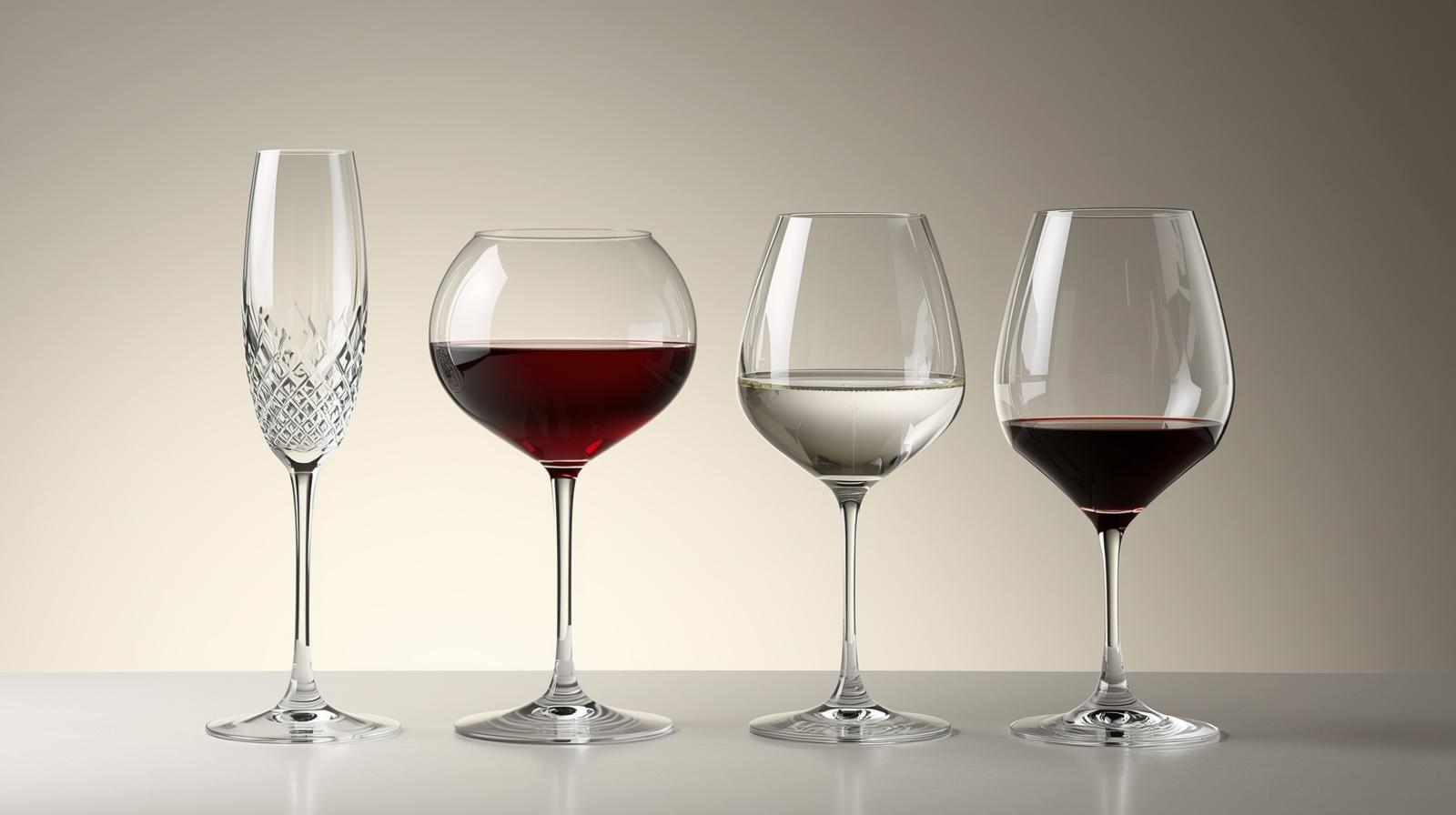
The wine glass sitting in your cabinet might be undoing everything that went into making the wine you’re about to drink. This sounds like marketing nonsense designed to make you buy expensive glassware you don’t need. Yet the relationship between glass shape and wine experience is genuinely scientific, not snobbery. The challenge lies in understanding which differences actually matter for how you drink wine at home in Australia, and which differences represent excessive perfectionism.
How Smell Does Almost All The Heavy Lifting
Here’s the unexpected truth about wine tasting: your taste buds contribute remarkably little to what you perceive as flavour. Research suggests up to eighty percent of what you experience as taste actually comes from your sense of smell. Your tongue detects sweetness, saltiness, bitterness, sourness, and umami. Everything else comes from your nose.
This changes how you think about wine glasses entirely. The glass exists primarily to capture and concentrate aromas, directing those volatile compounds toward your nose. A wine glass acts as an aromatic delivery system. Pour wine into a straight-sided tumbler and the aromas dissipate into the room. Pour the same wine into a properly shaped glass and the aromas concentrate near the rim, where your nose waits to receive them.
The bowl shape controls how much of the wine’s surface area stays exposed to air. A large bowl allows more oxygen to interact with the wine, encouraging volatile compounds to escape upward toward your nose. A narrow bowl keeps those compounds closer to the liquid, concentrating them in a smaller space.
The rim diameter controls how those concentrated aromas reach you. A narrower rim creates a concentration point. As you bring the glass to your face, you get a focused aromatic experience. A wider rim disperses those same aromas across a broader area. Think of it like the difference between a cupped hand directing a scent toward your nose versus waving your hand loosely near your face.
The Three Main Red Wine Glasses: And Why They’re Actually Different
Red wine offers the clearest example of how glass shape changes what you experience. There are three major red wine glass categories, and the differences aren’t decorative.
The Bordeaux glass presents a tall tulip shape with a narrower bowl. Designed for high-tannin reds like Cabernet Sauvignon, Merlot, and traditional Bordeaux blends, this glass delivers wine to the back of your mouth where sweetness receptors dominate. The height allows alcohol vapours to evaporate before reaching your nose, so you experience the fruit and aromas rather than the sharp burn of ethanol. The narrower bowl and opening concentrate aromas that would otherwise scatter.
The Burgundy glass looks completely different: wider, rounder, more balloon-like, with a smaller opening. This glass sits perfectly with Pinot Noir, which features lower tannins but delicate aromatics. The wide bowl exposes more wine surface to air, allowing those subtle aromas to emerge. The tapered rim concentrates them, directing the wine toward the centre of your tongue where fruit-forward sweetness registers most intensely. Pinot Noir enthusiasts specifically want this experience: fruit-forward elegance rather than tannin structure.
The Shiraz/Syrah glass splits the difference. It has an egg-shaped bowl that’s larger than Bordeaux but smaller than Burgundy, with a mid-sized opening. This accommodates medium-bodied reds with moderate tannins and concentrated fruit. It allows enough aeration for the wine to open up without over-exposing delicate aromatics.
Try an experiment if you’re genuinely curious: taste a serious Cabernet Sauvignon from a Burgundy glass. The wine immediately tastes too soft, the tannins feel harsh, the balance feels wrong. The glass is fundamentally misdirecting the tasting experience. Switch to a Bordeaux glass and the same wine suddenly tastes balanced, elegant, and harmonious.
White Wine Glasses: Narrower For Very Good Reasons
White wine glasses appear smaller and narrower than red glasses, and this isn’t arbitrary. White wines sit at lower serving temperatures, typically seven to twelve degrees Celsius. A narrow bowl reduces the wine’s surface area exposure to room temperature air, helping maintain that cool serving temperature. The smaller volume means you drink from the glass faster, before it warms in your hand.
Additionally, white wines often display higher acidity and fresher aromatics that would dissipate rapidly in a large red wine glass. The narrower bowl concentrates these aromatics, and the tapered rim directs them toward your nose at a concentrated intensity.
The Sauvignon Blanc glass presents a diamond-shaped bowl that’s distinctly narrow. This focuses the wine’s intense, herbaceous aromatics. The narrow rim concentration point ensures you experience the full aromatic assault that makes Sauvignon Blanc distinctive.
The Chardonnay glass sits slightly wider than Sauvignon Blanc glasses but remains U-shaped and tapered. This allows Chardonnay’s buttery, oaky characteristics to develop through aeration whilst maintaining the cooler temperature. The wider bowl than Sauvignon Blanc accommodates Chardonnay’s fuller body and allows those rich aromas to emerge.
For Riesling, the glass looks similar to Sauvignon Blanc: narrow and focused. This concentrates Riesling’s aromatic intensity whilst maintaining cool temperatures that preserve the wine’s crisp freshness.
The Question That Actually Matters: Do You Need Specific Glasses
Beverley Blanning, Master of Wine and wine columnist, tested this directly, comparing wines in multiple glasses. She reports finding remarkable differences: “The first wine was a French Sauvignon Blanc. It smelled of nothing at all in a straight sided tumbler, and tasted rather flabby and soft.” The same wine in an ISO glass (International Standards Organisation) suddenly revealed its character.
This matters, but here’s the nuance: you don’t need twenty different glass shapes. Most Australian home drinkers can function admirably with three glasses: one for red, one for white, one for sparkling. If you want to get more specific, add a fourth glass designed for lighter reds.
Maximilian Riedel, representing arguably the world’s most famous glassware company, pushes back against the universal glass concept: “The universal wine glass? It doesn’t exist. Only shortcut-lovers believe in it. For us, wine comes first: the glass exists to enhance its characteristics. By contrast, those offering universal solutions believe a single glass can suit everything but that’s a misleading simplification.” Yet Riedel’s own Grape collection, introduced in 2024, uses just six glasses to cover everything you might drink. So even the expert acknowledges that beyond a certain point, too much specificity becomes impractical.
What Actually Works: The Practical Australian Approach
Here’s what matters for Australian home entertaining: a decent red wine glass with a large bowl, a decent white wine glass with a narrower bowl, and one champagne flute for sparkling wine.
These don’t need to be expensive. Riedel’s Ouverture series costs roughly twenty dollars per glass and genuinely improves on basic glasses without the fragility or expense of hand-blown crystal. Schott Zwiesel provides similar functionality at comparable prices. Between thirty and fifty dollars per glass moves you toward crystal options that sit lighter in your hand, have thinner rims that feel better against your lips, and reveal wine colours more brilliantly. Above that price point, you’re paying for aesthetics and hand-blown craftsmanship rather than functional improvement.
The practical question becomes: how often do you drink wine, and how seriously do you take the experience? If you drink wine multiple times weekly and genuinely notice differences in aroma and flavour, upgrading to decent glasses makes sense. If you drink wine occasionally and primarily want it to taste nice, a basic set of three shapes works perfectly well.
The Real Issue: Most Australians Fill Glasses Wrong
The actual problem with Australian wine glass usage isn’t the glass shape. It’s that most people fill wine glasses far too full. Red wine glasses should be filled to approximately one-third full. White wine glasses perhaps one-half full. Sparkling wine flutes two-thirds full.
Why? When you fill past this point, you eliminate the space where aromas concentrate. You make swirling impossible because the wine spills. You warm your wine because more surface area contacts your warm hand. You reduce the sensory experience to nothing.
That expensive Riedel glass in your cabinet doesn’t improve anything if wine fills it to the brim.
Stem Versus Stemless: The Australian Consideration
Australia’s climate complicates this equation. Stemless glasses save storage space and eliminate breakage risk from stems. They sit more stable on outdoor tables. But they warm wine faster because your hand contacts the bowl directly.
For Australian entertaining, stemless makes sense for casual occasions, outdoor gatherings, and situations where glasses might tip or break. For occasions where temperature control matters, traditional stems keep your hand away from the bowl, maintaining the wine’s serving temperature longer.
The Honest Answer: Diminishing Returns Kick In
Here’s what actual wine science shows: moving from truly terrible glasses to decent glasses produces a noticeable improvement. Moving from decent glasses to premium glasses produces a smaller improvement. Moving from premium glasses to ultra-premium glasses produces almost no improvement discernible to anyone except devoted enthusiasts.
A basic supermarket wine glass versus a forty dollar Riedel glass represents a real difference you’ll notice. A forty dollar glass versus a one hundred dollar hand-blown crystal glass represents a difference primarily experienced as tactile pleasure and aesthetic appreciation rather than functional improvement.
Invest in one decent red wine glass, one decent white wine glass, and one champagne flute. If you entertain regularly, get two or three sets so you have enough glasses without needing to wash between courses. Beyond that, upgrade for aesthetics and luxury rather than function.
What Genuinely Matters
The shape does matter. A proper red wine glass improves your experience noticeably compared to a straight tumbler. The specific price point matters less. An Australian drinker choosing between Riedel, Schott Zwiesel, or similar brands in the thirty to fifty dollar range gets ninety percent of the benefit that ultra-premium options provide.
What matters most is that you actually use these glasses rather than leaving them in the cabinet for special occasions. A good wine glass used regularly beats an expensive glass stored carefully. The experience that counts is the one you actually have, not the one you think you should be having.
When you do use proper wine glasses, fill them properly. Pour to the widest part of the bowl. Leave space for aroma concentration. Swirl gently so the wine coats the glass interior and releases its aromatics. Bring the glass to your nose before tasting.
These practices matter far more than which specific glass brand sits on your table. Once you start doing these things, the wine tastes noticeably better not because the glass miraculously improved the wine but because you’ve given yourself permission to actually pay attention to what you’re drinking.
 Aglianico
 Barbaresco
 Barbera
 Beaujolais
 Blaufrankisch
 Bourgogne
 Burgundy
 Cabernet
 Cabernet Franc
 Cabernet Malbec
 Cabernet Merlot
 Cabernet Sauvignon
 Cabernet Sauvignon Merlot
 Cabernet Sauvignon Shiraz
 Carignan
 Chateauneuf du Pape
 Chianti
 Cinsault
 Corvina
 Dolcetto
 Gamay
Gamay Gamay Noir
 Grenache
 Lagrein
 Malbec
 Mataro
 Mencia
 Merlot
 Monastrell
 Montepulciano
 Mourvèdre
 Nebbiolo
 Nero D’Avola
 Pinot
Pinot Pinot Meunier
 Pinot Nero
 Pinot Noir
 Primitivo
 Red Wine Blend
 Rosso
Rosso Rouge
Rouge Sangiovese
 Saperavi
 Shiraz
 Shiraz Cabernet
 Shiraz Malbec
 Shiraz Mataro
 Shiraz Tempranillo
 Shiraz Viognier
 Syrah
Syrah Tempranillo
 Touriga
 Zweigelt
 Albariño
 Arneis
 Blanc
Blanc Botrytis
 Chablis
 Chardonnay
 Chenin Blanc
 Clairette
 Fiano
Fiano Friulano
 Garganega
 Gewurztraminer
 Grenache Blanc
 Grùner Veltliner
 Muscadet
 Pinot Grigio
 Pinot Gris
 Riesling
 Roussanne
 Sauvignon Blanc
 Sauvignon Blanc Semillon
 Savagnin
 Semillon
 Semillon Sauvignon Blanc
 Sweet Semillon
 Verdelho
 Vermentino
 Viognier
 Vouvray
 Grenache Rosé
 Mataro Rosé
 Rosato
 Sangiovese Rosé
 Tempranillo Rosé
 Blanc de Blanc
 Brut
Brut Brut Cuvee
 Champagne
 Methode Traditionelle
 Pet Nat
 Prosecco
 Sparkling Chardonnay
 Sparkling Chardonnay Pinot Noir
 Sparkling Cuvee
 Sparkling Red
 Sparkling Pinot Noir
 Sparkling Riesling
 Sparkling Rosé
 Cuvée Rosé
 Sparkling Pinot Rosé
 Sparkling Shiraz
 Moscato
 Muscat
 Topaque
 Port
Port Tawny Port
 Sherry
 Tawny
Tawny Vermouth
 Gin
Gin