 0473 644 098 · Mon–Fri 9am–5pm AESTHelp & FAQ


Why The Real Review’s Winery of the Year Title Has Become Essential Reading for Australian Collectors

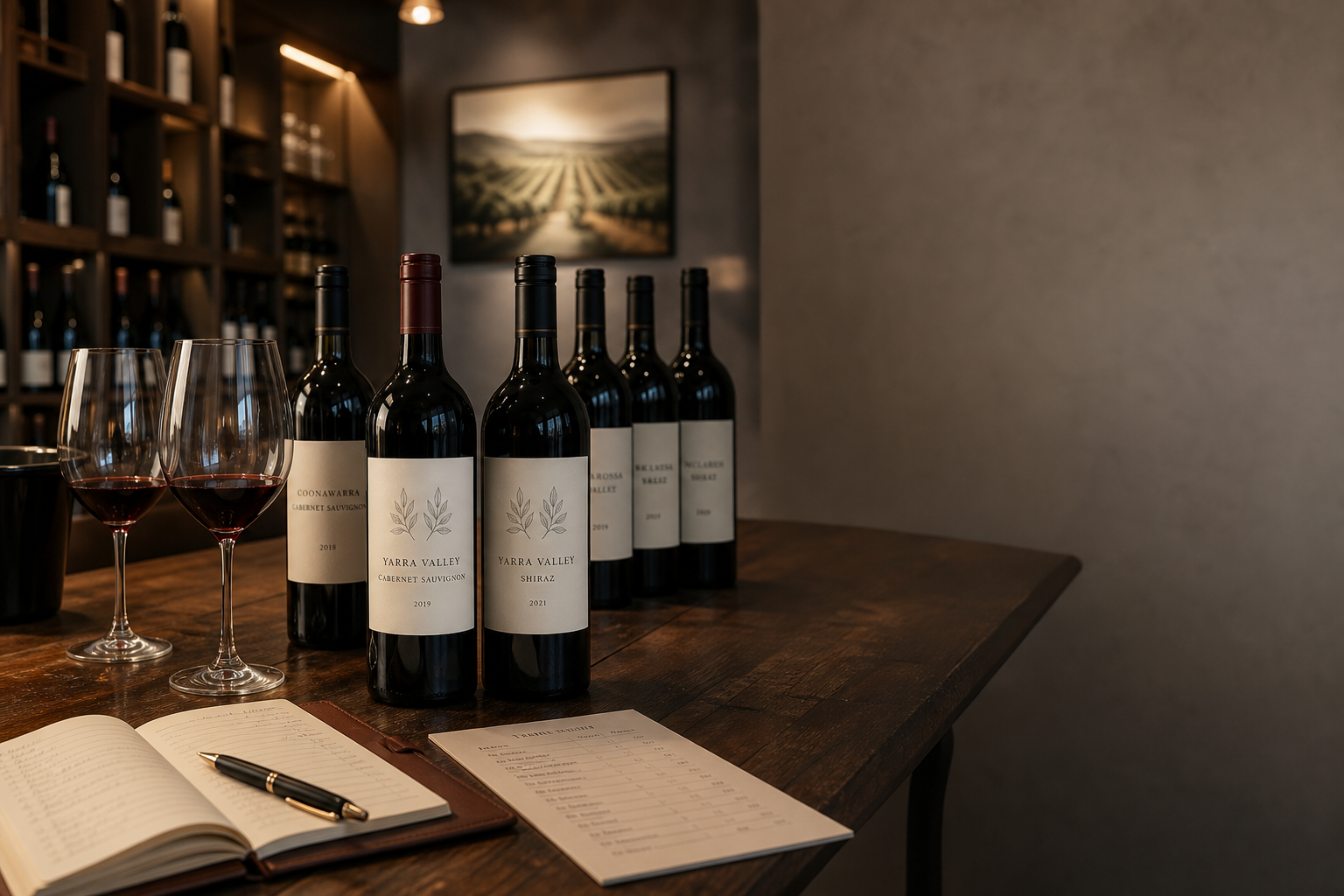
The Real Review’s Winery of the Year title has become one of the clearest signposts for Australian collectors trying to separate short‑term noise from long‑term signal. Since 2018 it has quietly evolved into a kind of rolling Hall of Fame, tracking the estates that are not just fashionable, but consistently excellent across vintages and varieties.
What Is The Real Review Winery of the Year Award?
The Real Review Winery of the Year is awarded annually to the producer that tops the publication’s “Top Wineries of Australia” list for that year. It is not a trophy for one isolated wine. Instead, it reflects a body of work: hundreds of blind‑tasted bottles across styles, reviewed over multiple years, which are then distilled into a ranked list.
For collectors, this methodology matters. It means the title rewards depth of quality through an entire range, not just a single flagship red or limited release. A winery sitting at the top has convinced a panel of experienced tasters that its entry wines, mid‑range labels and icons all reach a very high level, year in, year out. That is precisely the kind of assurance serious buyers look for when deciding where to commit their cellar space and money.
List of Real Review Winery of the Year Winners Since 2018
Anyone considering how important the award has become only needs to look at the roll‑call of winners. Since the title was first introduced in 2018, it has almost read like a guide to the country’s most influential producers of the modern era.
From 2018 onwards the award has recognised a series of benchmark estates across different regions, including leading names from South Australia, Western Australia and New South Wales. More recently, Victoria’s cool‑climate producers have dominated, reflecting the increasingly high regard for regions such as the Yarra Valley and Mornington Peninsula. Across that period, Yarra Yering has now taken the title three times, underscoring just how rarefied the company is at the very top.
For collectors, this brief history serves a useful purpose. It confirms that the award has never been about chasing the newest trend or anointing cult labels without track record. Instead, it has consistently highlighted wineries that already held serious reputations and then reinforced them with rigorous, ongoing assessment.
Past Winner: 2018 – Penfolds (South Australia), 2019 – Penfolds (South Australia), 2020 – Cullen Wines (Margaret River, Western Australia), 2021 – Yarra Yering (Yarra Valley, Victoria), 2022 – Wine by Farr (Geelong, Victoria), 2023 – Oakridge (Yarra Valley, Victoria), 2024 – Yarra Yering (Yarra Valley, Victoria), 2025 – Wine by Farr (Geelong, Victoria), 2026 – Yarra Yering (Yarra Valley, Victoria)
Why This Award Matters To Australian Collectors
Here is the crucial reality: collectors are not just buying wine, they are buying confidence in future performance. The Real Review’s Winery of the Year title functions as an external quality filter, something that sits alongside personal taste and trusted merchant advice.
There are several reasons why this particular accolade has grown in importance.
First, the scale of tasting behind it is substantial. The Real Review team works through thousands of wines each year, from big‑name producers through to emerging labels. When a winery rises to number one against that level of competition, it carries a certain statistical weight that a single 98‑point review does not.
Second, the award is renewed annually. An estate that appears multiple times is not just having one purple patch; it is demonstrating organisational strength in the vineyard and winery. For buyers who like to build verticals of their favourite wines, that continuity is gold.
Third, the list has become a kind of reference point for the trade. Merchants, restaurant buyers and sommeliers frequently use the Top Wineries ranking to guide their own selections. When collectors see a winery sitting at the apex of that hierarchy, they can be confident the wines will also appear in serious cellars and on strong wine lists, which supports long‑term demand and, for those who care about it, resale value.
Featured Wines
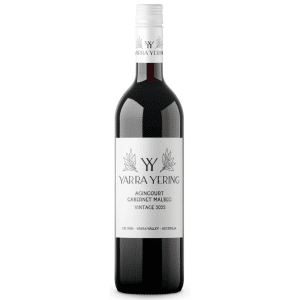
Yarra Yering Agincourt Cabernet Malbec 2024 (6 Bottles) Yarra Valley, VIC
Add to Cart
$103.67
/ bottle
$622.00 for a case of 6
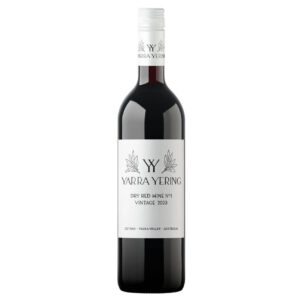
Yarra Yering Dry Red Wine No. 1 2024 (6 Bottles) Yarra Valley, VIC
Add to Cart
$145.17
/ bottle
$871.00 for a case of 6
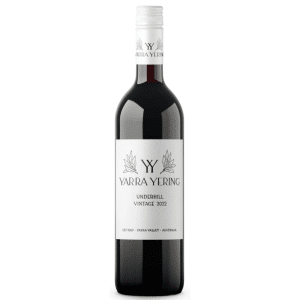
Yarra Yering Underhill Shiraz 2024 (6 Bottles) Yarra Valley, VIC
Add to Cart
$122.17
/ bottle
$733.00 for a case of 6
Yarra Yering: The Triple Crown Winery Collectors Cannot Ignore
Within this framework, Yarra Yering stands out as the first, and so far only, three‑time Winery of the Year winner. That achievement immediately tells collectors two things. One, the estate is performing at or near the top of Australian wine over an extended period. Two, its recent releases deserve particularly close attention.
The 2026 title builds on earlier wins in 2021 and 2024, effectively bookending the first half of the decade. Over those years, Yarra Yering’s performance has been driven not by a single wine, but by a trio of flagships that have defined the modern estate.
Yarra Yering Underhill Shiraz 2023 has been singled out by critics for its blend of cool‑climate perfume and structural finesse. Reviews highlight lifted dark fruit, pepper spice and remarkably fine tannins, the kind of texture that promises long cellaring while remaining immediately engaging in the glass.
Alongside it sits Yarra Yering Dry Red Wine No. 1 2023, a Cabernet‑based blend that traces its history back to the original Block No. 1 plantings in the late 1960s. The 2023 release has attracted a chorus of scores in the very high 90s, praised for its classical blackcurrant, bay leaf and graphite profile wrapped in beautifully balanced acidity and tannin.
Taken together with the broader range, these wines demonstrate why Yarra Yering has risen repeatedly to the top of The Real Review’s rankings. For Australian collectors, they offer both stylistic clarity and provenance, two attributes that sit at the heart of serious cellaring decisions.
How Collectors Can Use The Real Review Rankings
The most obvious way to use the Winery of the Year title is as a buying shortlist: if a producer claims the top spot, its key wines are likely to be safe bets. Yet there are more nuanced ways to fold the rankings into a collecting strategy.
One approach is to view the winner as an anchor in a broader regional exploration. If, for example, the title goes to a Yarra Valley producer, collectors might build a small comparative set of other top‑ranked Yarra wineries from the same list. This creates an instant, high‑quality snapshot of a region and vintage.
Another strategy is to track repeat high performers, not just the outright winners. Producers that sit in the top echelon year after year, even if they do not take the title, are effectively “evergreen” sources of reliable wine. For drinkers who value consistency above cult status, those names can become the backbone of a cellar.
It is also worth watching how different regions rise and fall within the upper tiers. Shifts towards Victorian cool‑climate estates in recent years have mirrored broader critical and consumer enthusiasm for fresher, more finely structured styles. Collectors who pay attention to these patterns can tilt their buying towards the directions in which Australian wine is clearly moving.
Beyond Points: The Cultural Weight Of The Award
There is another layer to this story that goes beyond simple numbers. The Real Review’s Winery of the Year has gained a kind of cultural weight in the Australian fine‑wine conversation. It is the subject of trade chatter, social‑media discussion and, increasingly, front‑of‑house storytelling in restaurants.
When a winery like Yarra Yering collects the title three times, it is not just a pat on the back. It shapes how the estate is perceived by a generation of drinkers and industry professionals. Collectors building cellars that will be opened in ten or twenty years are, in a sense, curating their own piece of this evolving narrative.
For those planning their next moves after reading about Yarra Yering’s latest success, the most useful mindset is simple. Treat The Real Review’s Winery of the Year as a compass rather than a prescription. Let it point towards estates that deserve closer attention, then taste widely and decide which of those wines genuinely resonate. The title narrows the field; the glass makes the final decision.

 Shiraz
 Cabernet Sauvignon
 Pinot Noir
 Grenache
 Merlot
 Red Wine Blends
 Chardonnay
 Riesling
 Pinot Gris
 Semillon
 Viognier
 Grenache Rosé
 Pinot Noir Rosé
 Shiraz Rosé
 Sangiovese Rosé
 Aglianico Rosé
 Clairette Rose
 Champagne
 Prosecco
 Sparkling Shiraz
 Blanc de Blanc
 Blanc de Noir
 Pet Nat
 Moscato
 Topaque
 Port
Port Sherry (dry & sweet)
 Muscat & Tokay
 Vermouth