 0473 644 098 · Mon–Fri 9am–5pm AESTHelp & FAQ


Australian Pinot Noir – Beyond The Obvious


Most people assume Pinot Noir belongs exclusively to France. Burgundy dominates the conversation. Everyone discusses Pinot’s finicky nature and how only cool European climates can produce genuine quality. Australia gets dismissed as too warm, too young, too unsophisticated for serious Pinot production. This narrative proves completely wrong. Australian Pinot Noir produces genuinely excellent wines that challenge every assumption about where this variety actually thrives.
The misconception stems partly from history. Australian winemakers spent decades chasing Shiraz and Cabernet. Pinot Noir received minimal attention until relatively recently. Yet when producers finally committed to the variety with serious intent, the results proved remarkable. Now Australian Pinot competes internationally whilst maintaining distinct regional character. Understanding this diversity completely changes how Australian wine culture actually functions.
Australian Pinot Noir doesn’t replicate Burgundy. It shouldn’t attempt replication. Instead it reveals what this variety produces when grown in different terroir under different conditions. This represents genuine strength rather than limitation. The wines demonstrate that quality Pinot extends far beyond European geography when producers understand their specific vineyards and commit to appropriate techniques.
Yarra Valley: The Established Player
Yarra Valley remains Australia’s most prestigious Pinot region. The cool climate created by elevation and maritime influence produces wines with genuine elegance and complexity. The region’s reputation emerged through decades of consistent quality rather than marketing hype or sudden trends.
Yarra Valley Pinot displays beautiful lifted aromatics with red cherry, forest floor and subtle spice. The structure proves refined without requiring extreme power. Many Yarra Pinots age beautifully, developing secondary flavours over five to ten years. Yet they drink beautifully immediately, creating flexibility impossible with wines demanding patience.
Established producers including Yarra Yering, Coldstream Hills and De Bortoli define regional character through consistent quality. Yet emerging producers demonstrate that Yarra creates space for new voices rather than existing solely through established names. This combination of heritage reputation and emerging talent creates genuinely dynamic scene.
Tasmania: Cool Climate Excellence
Tasmania produces some of Australia’s most elegant and distinctive Pinot Noir. The cool climate creates conditions producing lower alcohol and higher acidity compared to warmer regions. This creates wines of genuine refinement and food-friendliness that surprise people expecting Australian boldness.
Tasmanian Pinot typically displays bright cherry, strawberry and cranberry character. Floral notes emerge alongside subtle spice. The wines possess structure without heaviness. Many Tasmania examples age remarkably well developing complexity and integration over years.
Producers including Dalrymple, Moorooduc Estate and Josef Chromy demonstrate Tasmania’s serious Pinot credentials. The region produces wines that genuinely excite wine professionals and serious enthusiasts without requiring premium pricing. Limited production means availability remains constrained yet quality remains consistently high.
Adelaide Hills: The Surprise Performer
Adelaide Hills often gets overlooked when discussing Australian Pinot yet produces genuinely excellent examples. The region’s elevation and cool nights create conditions producing wines of surprising sophistication. The character differs from Yarra Valley and Tasmania yet demonstrates equal quality credentials.
Adelaide Hills Pinot displays darker fruit character compared to cooler regions. Red and black cherry dominates alongside subtle earth. The wines possess medium weight with fine tannin structure. Many show genuine aging potential whilst drinking beautifully immediately.
Producers including Shaw + Smith and Geoff Weaver pioneered Adelaide Hills Pinot recognition. Yet the region continues producing interesting examples from varied producers approaching the variety through different philosophies. This diversity prevents regional style from becoming formulaic.
 $57.00
/ bottle
$342.00 for a case of 6
$57.00
/ bottle
$342.00 for a case of 6
 $22.33
/ bottle
$268.00 for a case of 12
$22.33
/ bottle
$268.00 for a case of 12
 $55.33
/ bottle
$332.00 for a case of 6
$55.33
/ bottle
$332.00 for a case of 6
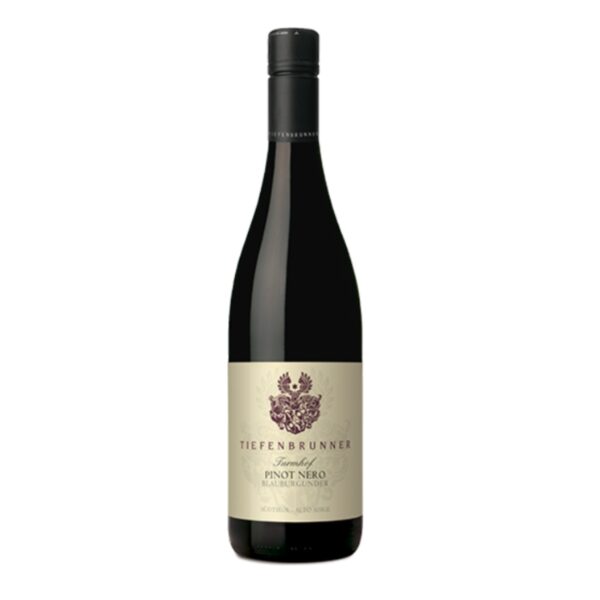
Tiefenbrunner Turmhof Pinot Nero /23
Shipped by
Wines Australia
$55.33
/ bottle
$332.00 for a case of 6
 $36.00
/ bottle
$432.00 for a case of 12
$36.00
/ bottle
$432.00 for a case of 12
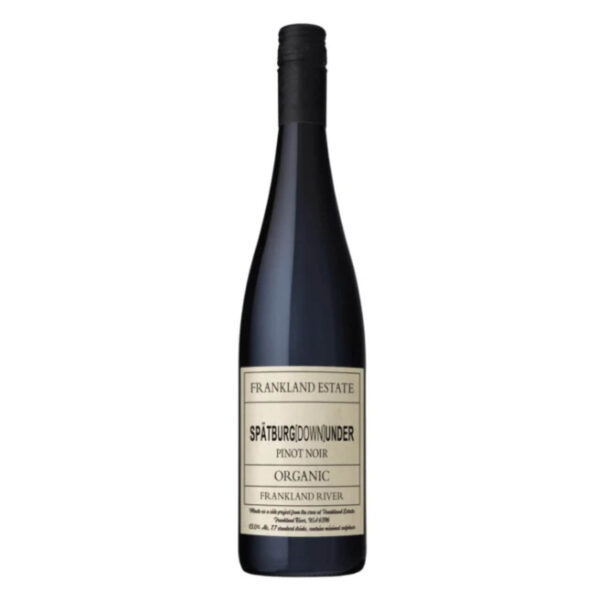
Frankland Estate Spatburg Down Under Pinot
Shipped by
A Good Bunch
$36.00
/ bottle
$432.00 for a case of 12
 $39.50
/ bottle
$474.00 for a case of 12
$39.50
/ bottle
$474.00 for a case of 12
 $44.00
/ bottle
$264.00 for a case of 6
$44.00
/ bottle
$264.00 for a case of 6
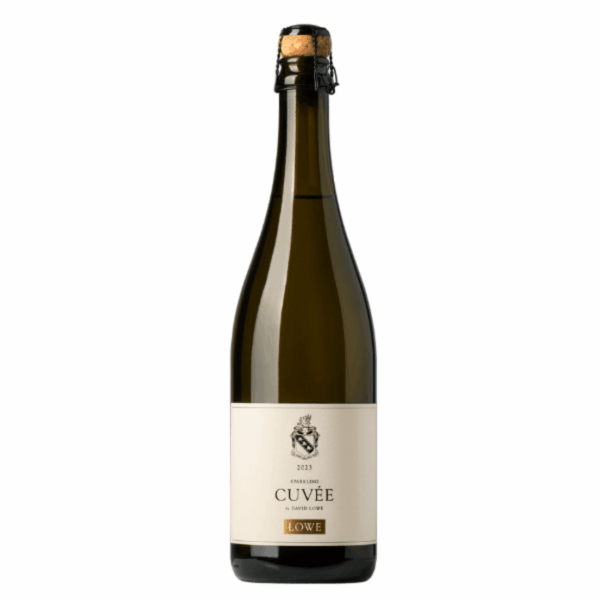
Lowe Wines Sparkling Pinot Cuvee
Shipped by
Lowe Family Wine Co
$44.00
/ bottle
$264.00 for a case of 6

 $90.00
/ bottle
$540.00 for a case of 6
$90.00
/ bottle
$540.00 for a case of 6
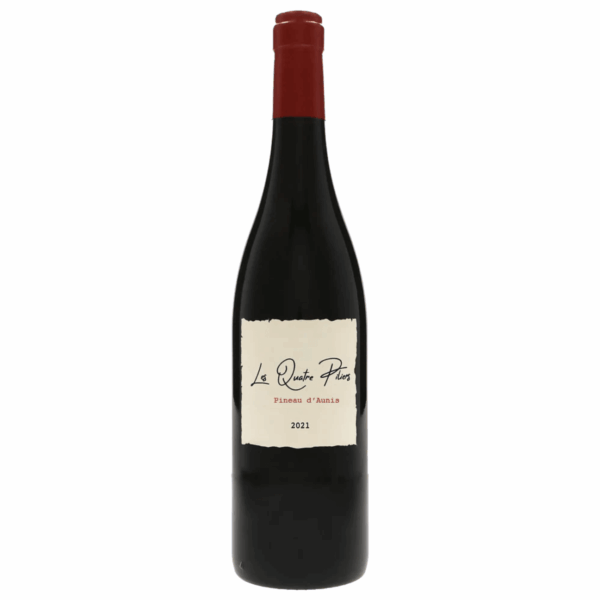
Les Quatre Piliers Touraine Première Cuvée Pineau d’Aunis
Shipped by
Fine Wine Cellars
$90.00
/ bottle
$540.00 for a case of 6
 $32.17
/ bottle
$193.00 for a case of 6
$32.17
/ bottle
$193.00 for a case of 6
 $35.67
/ bottle
$428.00 for a case of 12
$35.67
/ bottle
$428.00 for a case of 12
 342 pts
 Mornington Peninsula: Underrated and Developing
Mornington Peninsula produces genuinely interesting Pinot that rarely receives deserved recognition. The cool maritime climate creates conditions producing wines of elegance and complexity. Yet the region remains somewhat undiscovered compared to more famous alternatives.
Mornington Pinot displays lifted aromatics with red cherry, cranberry and forest floor character. The wines possess refined structure and genuine food-friendliness. Many age beautifully developing secondary complexity over years. The style emphasizes freshness and elegance rather than power.
Producers including Moorooduc Estate and Paradigm Hill demonstrate Mornington’s genuine quality credentials. Yet the region remains somewhat open for discovery compared to Yarra’s established reputation. This creates opportunity for those seeking genuinely interesting Australian Pinot without paying fashionable premiums.
What Makes Australian Pinot Actually Different
Australian Pinot Noir doesn’t attempt replicating European expressions. Instead it reveals what this variety produces under Australian conditions. The result creates wines of distinct character reflecting specific geography, climate and winemaker philosophy.
Climate obviously matters profoundly. Australian cool-climate regions produce lower alcohol and higher acidity compared to warmer climates. Yet they achieve full ripeness creating complexity impossible in genuinely cold regions. This creates sweet spot where Australian cool-climate Pinot produces wines of genuine elegance and balance.
Winemaking philosophy differs significantly from some European traditions. Australian producers frequently use whole bunch fermentation creating lifted aromatics. Oak integration varies substantially between producers. Some pursue restraint. Others embrace visible wood influence. This diversity prevents Australian Pinot from developing singular house style.
Why Australian Pinot Matters
Australian Pinot Noir challenges assumptions about where quality red wine originates. The wines prove that sophistication doesn’t require European geography or centuries of tradition. Instead they prove that genuine quality emerges through understanding specific terroir, committing to appropriate techniques and refusing compromise on quality standards.
The regional diversity means exploration remains genuinely rewarding. Each region produces distinct character yet maintains consistent quality standards. Discovering which Australian Pinot regions suit personal preferences creates engaging journey rather than passive consumption.
Pricing remains accessible compared to equivalent European quality. Quality Australian Pinot typically costs less than comparable Burgundy yet delivers genuine sophistication and complexity. This value proposition makes exploration financially sensible rather than requiring extraordinary investment.
Exploring Australian Pinot Online
Browse our Australian Pinot selection discovering regional diversity. Explore Yarra Valley elegance alongside Tasmania’s refinement. Discover Adelaide Hills and Mornington Peninsula offerings revealing what different Australian cooler climates produce. Compare producer philosophies understanding how individual winemakers approach this challenging variety.
Australian Pinot Noir deserves serious consideration from those assuming Pinot requires European origin. The wines demonstrate that quality emerges through appropriate geography, genuine commitment and understanding terroir. They prove Australian wine culture extends far beyond Shiraz and Cabernet toward genuine complexity and sophistication.
Order online and experience what Australian cool-climate regions produce with Pinot Noir. Discover why serious wine enthusiasts increasingly recognize Australian Pinot as genuinely excellent alternative to established European expressions. The wines won’t replicate Burgundy. They’ll reveal something equally valuable: what this challenging variety produces when grown in different terroir by producers understanding their specific vineyards completely.
 Shiraz
 Cabernet Sauvignon
 Pinot Noir
 Grenache
 Merlot
 Red Wine Blends
 Chardonnay
 Riesling
 Pinot Gris
 Semillon
 Viognier
 Grenache Rosé
 Pinot Noir Rosé
 Shiraz Rosé
 Sangiovese Rosé
 Aglianico Rosé
 Clairette Rose
 Champagne
 Prosecco
 Sparkling Shiraz
 Blanc de Blanc
 Blanc de Noir
 Pet Nat
 Moscato
 Topaque
 Port
Port Sherry (dry & sweet)
 Muscat & Tokay
 Vermouth