 0473 644 098 · Mon–Fri 9am–5pm AESTHelp & FAQ


Big Bold Red Wine – When Power Meets Pairing

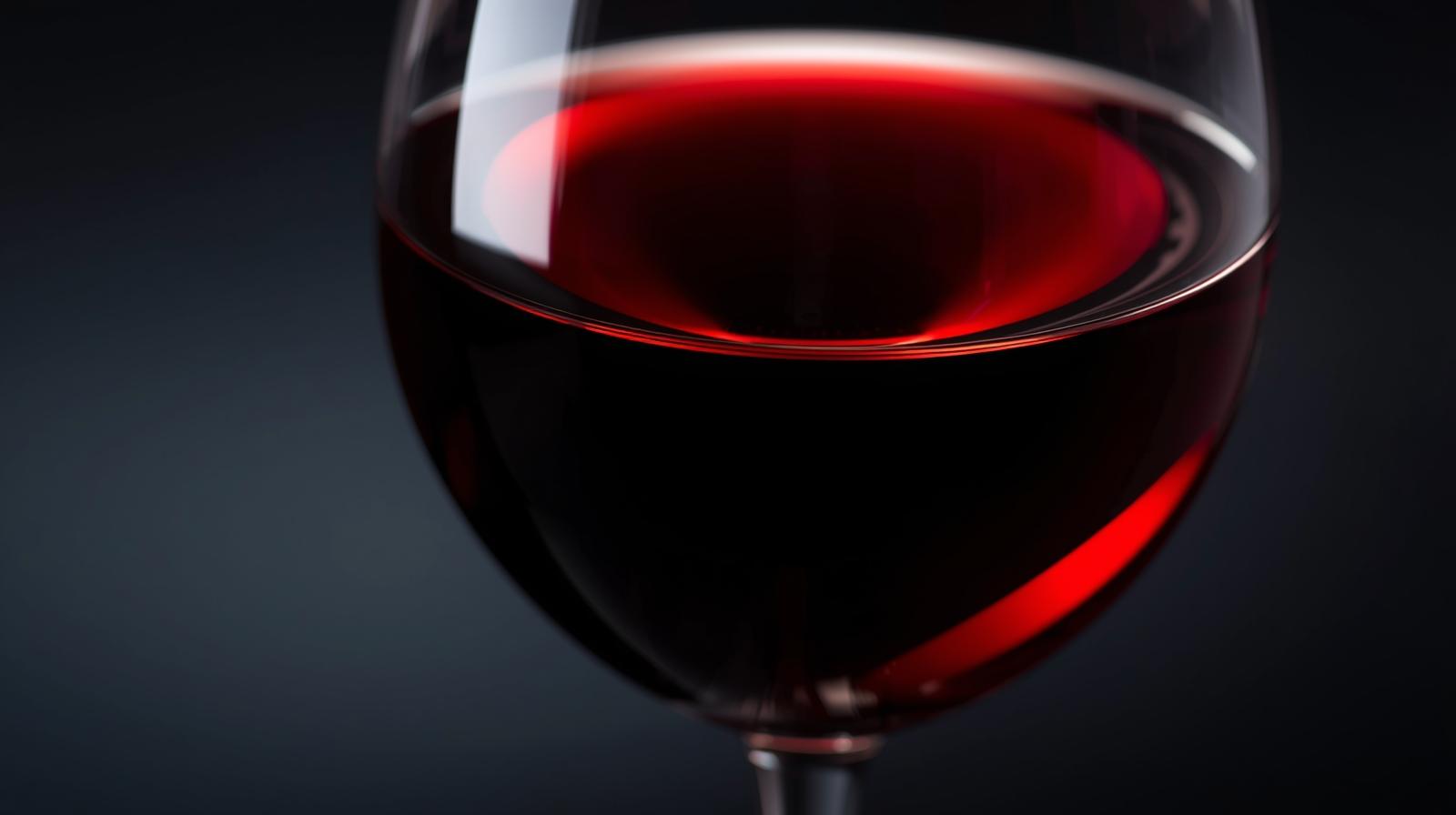
Most people get bold reds completely wrong. They think you need a special occasion. They think you need serious food. They think you need to actually understand wine before you can enjoy them. None of that’s true. Bold reds work best when you just grab the bottle, open it, pour a generous glass and drink without overthinking anything. That’s when they actually reveal what makes them so good.
Wine education pushes restraint constantly. Learn about subtlety. Appreciate complexity. Understand what terroir means. All useful stuff. But it creates this weird hierarchy where bold reds seem less sophisticated somehow. That’s completely backwards. Bold reds deserve equal respect. They’re not what you drink before graduating to “real” wine. They’re deliberate choices from producers who understand that power, when done properly, delivers genuine satisfaction.
Bold reds come from three main sources. Warm-climate regions where the fruit gets fully ripe and concentrated. Traditional Shiraz areas like Barossa and McLaren Vale. And international regions including Rhône Valley and Napa. Each approaches power differently. Barossa goes for richness and fruit. Rhône leans into spice and structure. Napa chases fruit intensity. Understanding these differences transforms bold red appreciation from just preference into actual knowledge.
What Actually Makes A Red Wine Bold
Power doesn’t happen by accident. It’s a combination of things working together. High alcohol contributes to richness but it’s an outcome, not the target. Concentrated fruit comes from lower yields and careful ripeness timing. Oak adds texture. Tannin structure creates the framework that lets the wine age or be drunk immediately. It depends on what the winemaker intended.
Quality bold reds balance all these elements. Cheap powerful wines usually just taste alcoholic and over-extracted. Serious bold reds show concentrated fruit, integrated oak, fine tannin structure and actual complexity. That complexity proves the winemaker knew what they were doing. They didn’t just let the grapes overripen and call it a day.
This distinction matters when you’re choosing what to buy. You’re not picking between bold and subtle. You’re picking between thoughtful power and careless loudness. Good Barossa Shiraz shows genuine complexity despite the high alcohol. Bad Shiraz just tastes hot and messy. There’s a massive difference.
Where To Find Bold Reds Worth Drinking
Quality bold reds exist at every price point but they concentrate in the mid-range. Cheap bold reds often deliver pure fruit but nothing else. Expensive reds frequently achieve balance through restraint which kind of defeats the bold purpose. Mid-range is where producers balance power with actual craftsmanship.
Australian Shiraz is the obvious place to start. Barossa Valley has Torbreck, Rockford and Two Hands making genuinely excellent bold Shiraz. Margaret River occasionally produces powerful Cabernet. McLaren Vale delivers both. Coonawarra usually focuses on elegance over power but certain producers make structured, powerful stuff.
But don’t just stick with Australian reds. Rhône Valley Syrah from places like Côte-Rôtie delivers power with spice alongside it. Napa Cabernet offers fruit-forward boldness. Spanish Tempranillo from Riberia del Duero shows power through a completely different lens. Exploring these prevents Australian Shiraz fatigue and actually teaches you how different regions approach boldness.
Bold Reds Actually Pair Better Than People Think
This is where bold reds actually shine. They pair beautifully with serious food. Grilled meats work perfectly with the tannin structure and fruit concentration. Hearty stews benefit from powerful reds providing substance that matches what’s on the plate. Aged cheeses work exceptionally with bold expression. Even spiced dishes sometimes pair better with bold reds than delicate alternatives.
The common misconception says bold reds need special occasions. They actually work best during regular entertaining. Weekend dinners. Casual gatherings. Barbecues. These situations benefit from wines that announce themselves. Sophisticated food-wine harmony is nice. But genuine hospitality sometimes just demands wines that deliver satisfaction without requiring contemplation.
Bold reds excel at casual entertaining because they work across uncertain food scenarios. Guests show up with various dishes. Menu plans change last-minute. Social situations demand accessibility over complexity. Bold reds handle this effortlessly. Pour generously. Pair with whatever appears. Everyone drinks something satisfying.
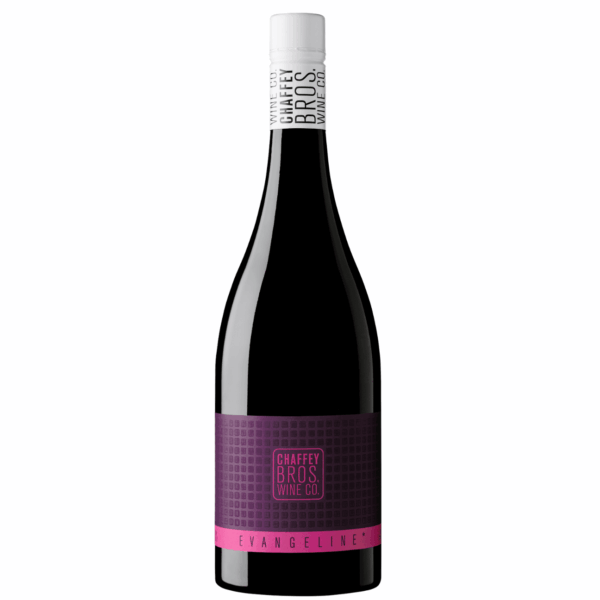 $38.83
/ bottle
$233.00 for a case of 6
$38.83
/ bottle
$233.00 for a case of 6
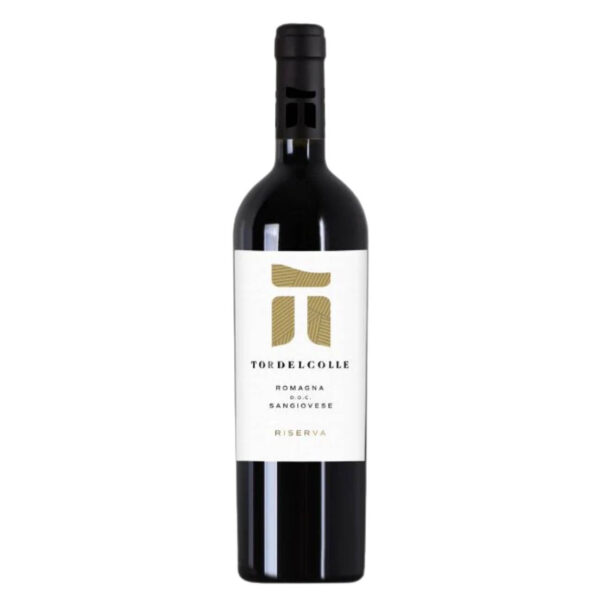 $32.83
/ bottle
$197.00 for a case of 6
$32.83
/ bottle
$197.00 for a case of 6
 $58.67
/ bottle
$352.00 for a case of 6
$58.67
/ bottle
$352.00 for a case of 6
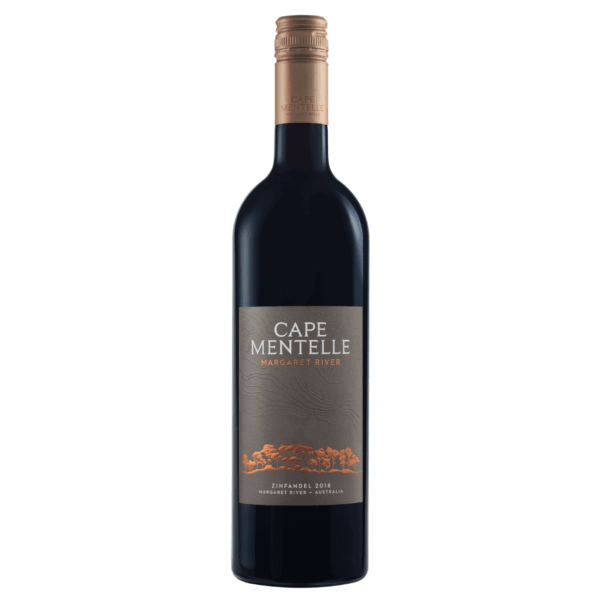
Cape Mentelle Zinfandel
Shipped by
Oatley Fine Wine Merchants
$58.67
/ bottle
$352.00 for a case of 6
 $25.17
/ bottle
$151.00 for a case of 6
$25.17
/ bottle
$151.00 for a case of 6

 $42.00
/ bottle
$252.00 for a case of 6
$42.00
/ bottle
$252.00 for a case of 6
 $31.17
/ bottle
$187.00 for a case of 6
$31.17
/ bottle
$187.00 for a case of 6
 $36.17
/ bottle
$434.00 for a case of 12
$36.17
/ bottle
$434.00 for a case of 12
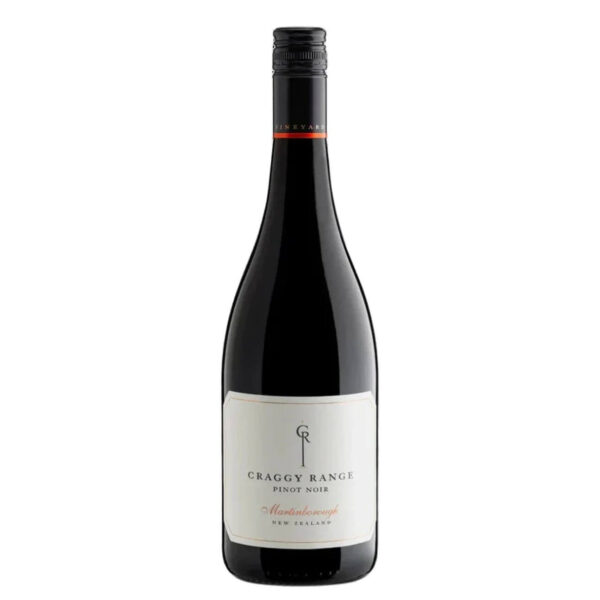
Craggy Range Martinborough Pinot Noir
Shipped by
Joval Wines
$36.17
/ bottle
$434.00 for a case of 12
 $46.75
/ bottle
$561.00 for a case of 12
$46.75
/ bottle
$561.00 for a case of 12
Smallwater Estate Shiraz
Shipped by
Smallwater Estate, Geographe Wine Region
$46.75
/ bottle
$561.00 for a case of 12
 $17.42
/ bottle
$209.00 for a case of 12
$17.42
/ bottle
$209.00 for a case of 12
Killibinbin Sneaky Shiraz
Shipped by
Oatley Fine Wine Merchants
$17.42
/ bottle
$209.00 for a case of 12
 233 pts
 Drinking Bold Reds Year-Round
Contrary to what people assume, bold reds work across seasons. Autumn and winter obviously suit concentrated warming reds. But summer entertaining benefits from bold reds chilled slightly, creating fresh power without heavy warmth. Spring gatherings work perfectly with bold selections when entertaining groups with different preferences.
Special occasions welcome bold reds. Celebrations demand wines that announce themselves. But everyday entertaining deserves equal consideration. Weeknight dinners benefit from bold reds creating immediate satisfaction. Family gatherings work beautifully with powerful wines welcoming diverse palates. The distinction between occasion and everyday is artificial. Bold reds work whenever you want wines delivering genuine pleasure without pretension.
Late-night entertaining particularly suits bold reds. As evenings progress, conversations deepen, and time disappears, wines should match increasing casualness rather than maintaining formality. Bold reds transition perfectly into this territory. They invite extended drinking sessions. They encourage generosity. They create atmosphere where wine enhances rather than dominates.
Bold Red Pricing Doesn’t Equal Quality
Quality bold reds don’t require extreme pricing. Excellent examples exist across accessible price points. Sub-twenty-dollar bold reds deliver genuine satisfaction when producers prioritize quality over marketing. Mid-range selections at thirty to fifty dollars offer complexity alongside power. Premium reds above fifty dollars might reflect genuine rarity or might just be strategic positioning.
Price and quality in bold reds operates differently than delicate wines. Subtlety often demands premium pricing justified through age, rarity or reputation. Bold reds prove more democratic. Quality exists across price ranges when producers commit to craftsmanship. A twenty-five dollar Australian Shiraz can deliver remarkable satisfaction. An eighty-dollar selection might simply reflect brand positioning rather than actual quality improvement.
Explore across price points. Discover which bold reds suit your entertaining style. Many people find genuinely satisfying bold reds below thirty dollars. Others prefer premium selections. The distinction is preference not hierarchy. Bold reds refuse the artificial stratification sometimes present in wine culture.
Why Bold Reds Deserve Respect
Wine culture occasionally suggests that appreciation requires progressing toward restraint and complexity. This creates false hierarchy suggesting bold reds represent entry-level preferences abandoned upon reaching genuine knowledge. That’s backwards. Genuine wine culture accommodates bold reds alongside subtle expressions, understanding both serve legitimate purposes.
Bold reds deserve consideration precisely because they deliver genuine satisfaction without demanding wine education before appreciation. They work across entertaining occasions. They pair beautifully with food. They create convivial atmosphere encouraging generous pouring and extended sessions. They prove wine sophistication encompasses multiple approaches not singular ideals.
Browse our bold red selection online. Explore Barossa power alongside international alternatives. Discover which powerful reds suit your entertaining style. Understand that bold doesn’t mean unsophisticated. Power emerges through genuine craftsmanship. Concentration reflects deliberate winemaking not accidental outcome.
That’s what bold reds offer: genuine satisfaction, accessibility without pretension, and permission to drink wine that announces itself unapologetically. Order with confidence knowing power, when executed thoughtfully, deserves equal respect as subtlety and complexity.
 Shiraz
 Cabernet Sauvignon
 Pinot Noir
 Grenache
 Merlot
 Red Wine Blends
 Chardonnay
 Riesling
 Pinot Gris
 Semillon
 Viognier
 Grenache Rosé
 Pinot Noir Rosé
 Shiraz Rosé
 Sangiovese Rosé
 Aglianico Rosé
 Clairette Rose
 Champagne
 Prosecco
 Sparkling Shiraz
 Blanc de Blanc
 Blanc de Noir
 Pet Nat
 Moscato
 Topaque
 Port
Port Sherry (dry & sweet)
 Muscat & Tokay
 Vermouth