 0473 644 098 · Mon–Fri 9am–5pm AESTHelp & FAQ


Ancient Origins to Australian Icons: A Short History of Wine, Culture and Craft

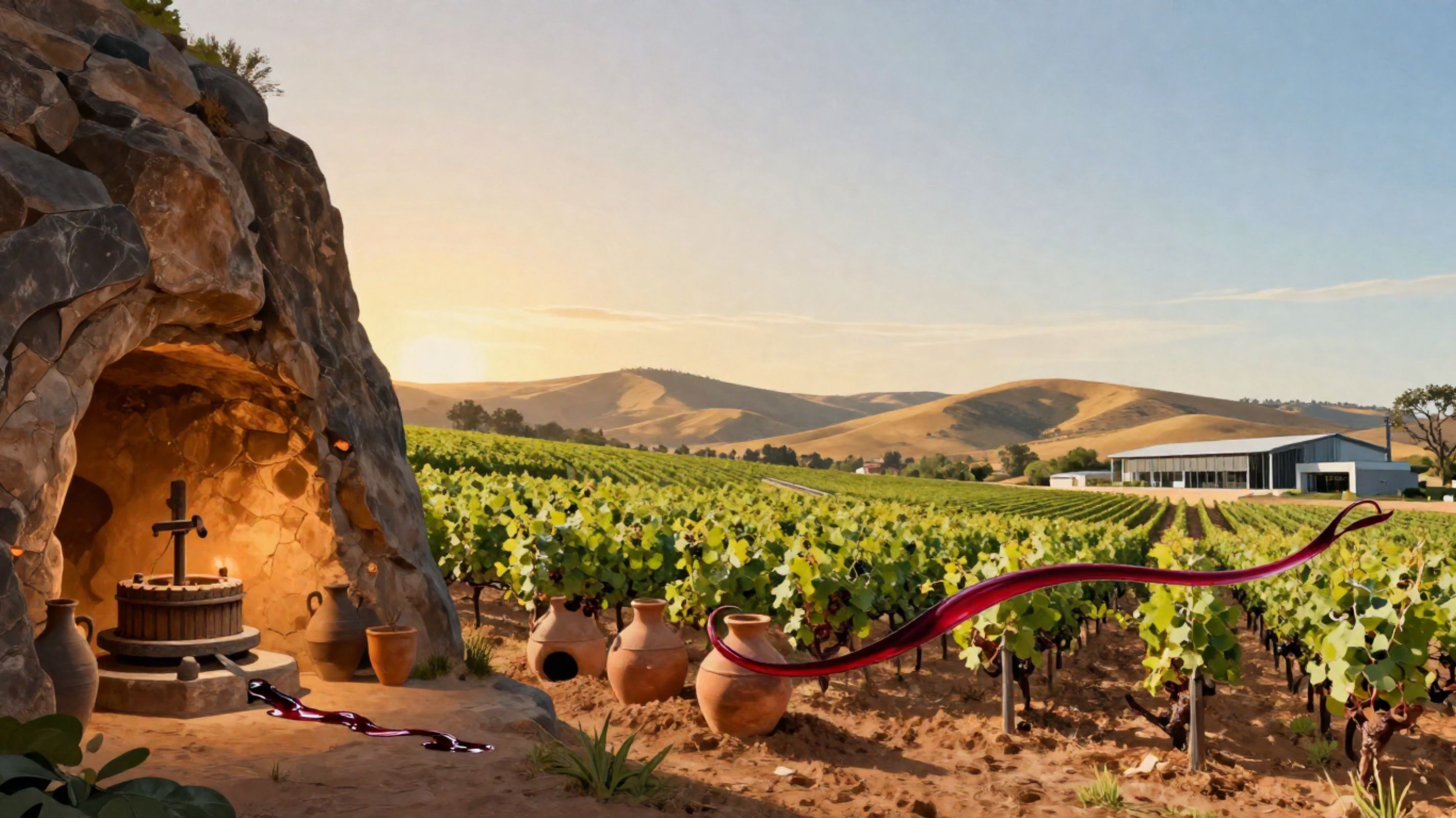
Where Wine Really Began: From Georgian Vines to an Armenian Cave
Here’s something genuinely fascinating about wine. Its story does not begin in the grand châteaux of Bordeaux or the rolling hills of Tuscany, but deep inside a cave in what is now Armenia. Archaeologists uncovered what is widely considered the world’s oldest known winery, dating back to around 4100 BCE. Inside were the unmistakable tools of intention rather than accident: a wine press, fermentation vats, and storage jars. This was not primitive experimentation. It was production.
Even earlier still, the deliberate cultivation of wine grapes appears to trace back to modern-day Georgia between 7000 and 5000 BCE. This region, often referred to as the cradle of wine, offers compelling evidence that humans were not merely gathering wild fruit but actively shaping vineyards. The implication is profound. Wine was not discovered by chance and abandoned to nature. It was pursued, refined, and embedded into culture from the very beginning.
What emerges from these discoveries is a quiet truth. Wine is one of the oldest continuous human crafts, evolving alongside civilisation itself.
Why We Still Raise a Glass: The Curious Origin of Toasting
The act of raising a glass and offering a toast feels timeless, yet its origins are unexpectedly practical. In ancient Rome, it was common to place a piece of toasted bread into wine. The purpose was simple. It softened harsh or overly acidic flavours, particularly in wines that lacked the refinement of modern techniques.
Over time, the bread disappeared, but the ritual remained. Language preserved the gesture long after its function faded. Today, toasting has become symbolic rather than corrective, a moment of shared intent whether celebratory or reflective.
There is something revealing in this evolution. Wine culture has always balanced utility and ritual. What begins as necessity often transforms into meaning.
The Psychology of Wine: When Enjoyment Becomes Fear
Wine is typically associated with pleasure, sociability, and even intellectual pursuit. Yet there exists a lesser-known counterpoint in the form of oenophobia, a recognised fear of wine.
The term derives from the Greek “oinos” for wine and “phobos” for fear. While uncommon, it reflects a broader truth about wine’s psychological weight. For some, wine can represent social pressure, sensory overwhelm, or even cultural exclusion. The rituals and expectations surrounding wine can feel intimidating rather than inviting.
This tension is worth acknowledging, particularly in a modern context where wine education increasingly seeks to be inclusive. Understanding wine should not require fluency in jargon or access to rare bottles. At its best, wine remains a shared human experience, not a barrier.


$42.00
/ bottle
$252.00 for a case of 6
 252 pts
$31.17
/ bottle
$187.00 for a case of 6

$46.75
/ bottle
$561.00 for a case of 12
Smallwater Estate Shiraz
$46.75
/ bottle
$561.00 for a case of 12

$17.42
/ bottle
$209.00 for a case of 12
Killibinbin Sneaky Shiraz
$17.42
/ bottle
$209.00 for a case of 12
Hot
$150.00
/ bottle
$900.00 for a case of 6
$87
off RRP
-36% Hot
$40.00
$25.50
/ bottle
$153.00 for a case of 6
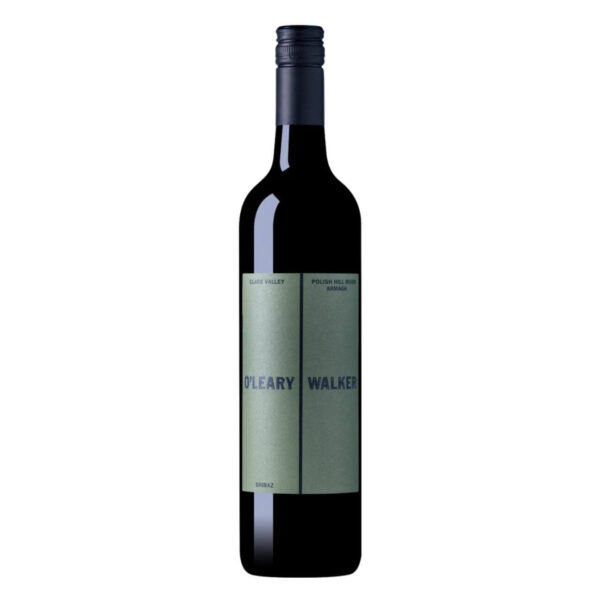
O'Leary Walker Clare Valley Shiraz
$40.00
$25.50
/ bottle
$153.00 for a case of 6
From Vineyard to Bottle: What It Really Takes
It is easy to forget the sheer scale behind a single bottle of wine. On average, producing a standard 750 ml bottle requires between 1 and 1.2 kilograms of grapes. That translates to roughly 600 to 800 individual berries.
Yet the vineyard perspective offers even more insight. Quality-focused viticulture often operates at yields of around 40 to 60 hectolitres per hectare. In practical terms, that means between 4,000 and 6,000 litres of wine from 10,000 square metres of carefully managed vines.
These numbers reveal a constant balancing act. Lower yields often correlate with greater concentration and character, which is why many premium producers deliberately restrict production. It is not inefficiency. It is intention.
For Australian readers, this is particularly relevant. Regions such as Barossa Valley or McLaren Vale have long embraced yield management as a tool for expressing terroir rather than maximising volume.
A World of Grapes Few Fully Know
The global vineyard is far more diverse than most wine lists suggest. Estimates of recognised grape varieties range from around 6,000 to well over 10,000 when accounting for obscure and local cultivars.
Yet only a small fraction dominate international production. Varieties like Cabernet Sauvignon, Chardonnay, and Shiraz have achieved global recognition, often overshadowing hundreds of regional grapes with equally compelling stories.
This imbalance shapes both consumer perception and market dynamics. It also raises an interesting question. What is lost when diversity narrows in favour of familiarity?
In Australia, there has been a gradual reawakening of interest in alternative varieties, from Fiano to Sangiovese. This mirrors a broader global movement that values distinctiveness over uniformity.
Wine, Health, and Perspective
Wine’s relationship with health is often debated, sometimes exaggerated. One commonly cited comparison highlights its antioxidant content. To match the antioxidants found in a single glass of wine, one would need approximately seven glasses of orange juice or around twenty glasses of apple juice.
While such comparisons can be striking, they require context. Wine’s composition is complex, and its effects depend heavily on moderation and individual health factors. The cultural framing of wine as both indulgence and potential benefit reflects a long-standing duality.
Historically, wine has been consumed as both nourishment and medicine. Today, it occupies a more nuanced position, appreciated for its sensory and cultural value rather than purely functional claims.
When Size Becomes Spectacle: The World’s Largest Bottles
Wine is not only about what is in the glass but also how it is presented. Bottle formats, in particular, carry both practical and symbolic significance.
Consider the Nebuchadnezzar, one of the largest commercially recognised bottle sizes. Holding 15 litres, it is equivalent to 20 standard bottles of wine. Such formats are rarely about everyday consumption. They are about occasion, theatre, and sometimes ageing potential, as larger volumes can evolve more slowly.
At the opposite end of the historical spectrum sits the world’s oldest known unopened bottle of wine. Dating to around 325 CE and holding approximately 1.5 litres, it resides in a museum in Speyer, Germany. Its survival offers a tangible link to ancient winemaking, even if its contents are no longer suitable for drinking.
These extremes, from monumental formats to fragile relics, underscore wine’s ability to exist both as a living product and a historical artefact.
Australia’s Place in the Global Wine Landscape
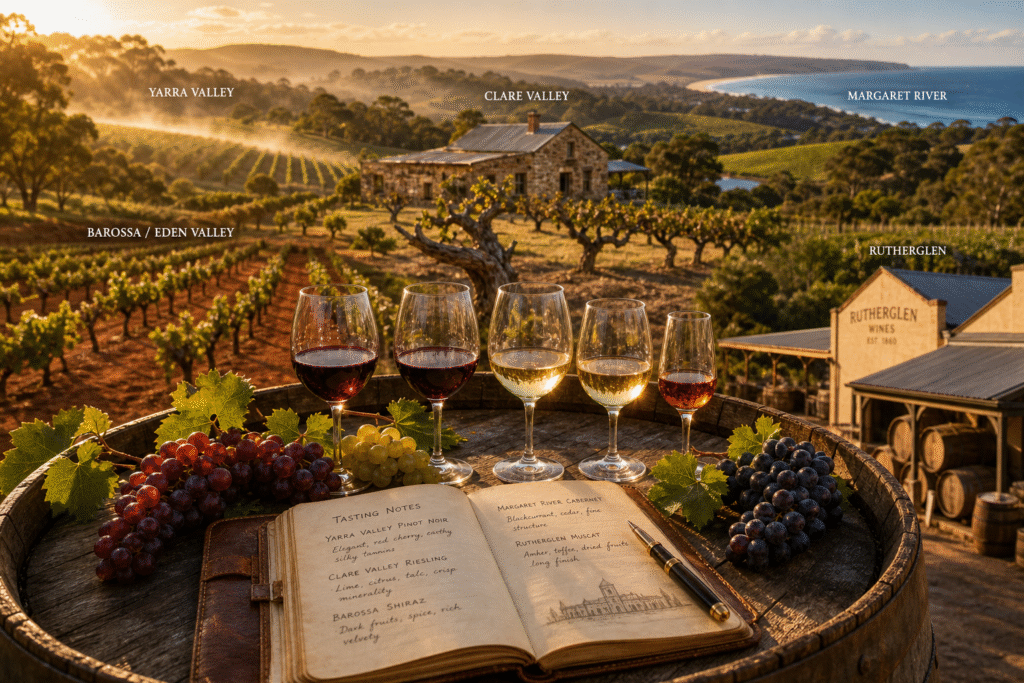
Australia’s wine story is relatively young compared to the ancient origins of Georgia or Armenia, yet its impact is undeniable. The country now boasts around 65 distinct wine-growing regions spread across more than 146,000 hectares of vineyards.
From the structured Cabernet Sauvignon of Coonawarra to the expressive Grenache of McLaren Vale, Australian wine has evolved from a focus on power to a deeper exploration of site and identity.
Economically, the industry contributes tens of billions of dollars annually through production, exports, and tourism. But beyond numbers, its significance lies in how it bridges Old World tradition with New World innovation.
Australia’s success is not built on imitation. It is built on adaptation, experimentation, and an increasing respect for regional nuance.
What These Facts Reveal About Wine Itself
Taken together, these details form more than a collection of curiosities. They reveal wine as something uniquely layered. It is agricultural and cultural, scientific and symbolic, ancient and constantly evolving.
From a cave in Armenia to a vineyard in South Australia, wine reflects human intention over thousands of years. It carries rituals like toasting that outlast their origins. It encompasses both abundance, in the form of thousands of grape varieties, and restraint, in the careful management of yields.
Perhaps most importantly, wine resists simplification. It cannot be reduced to a single narrative or purpose. It is at once a drink, a craft, a history, and a conversation that continues to unfold with each vintage.
 Shiraz
 Cabernet Sauvignon
 Pinot Noir
 Grenache
 Merlot
 Red Wine Blends
 Chardonnay
 Riesling
 Pinot Gris
 Semillon
 Viognier
 Grenache Rosé
 Pinot Noir Rosé
 Shiraz Rosé
 Sangiovese Rosé
 Aglianico Rosé
 Clairette Rose
 Champagne
 Prosecco
 Sparkling Shiraz
 Blanc de Blanc
 Blanc de Noir
 Pet Nat
 Moscato
 Topaque
 Port
Port Sherry (dry & sweet)
 Muscat & Tokay
 Vermouth