 0473 644 098 · Mon–Fri 9am–5pm AESTHelp & FAQ


How to Start a Wine Collection Without Overthinking It

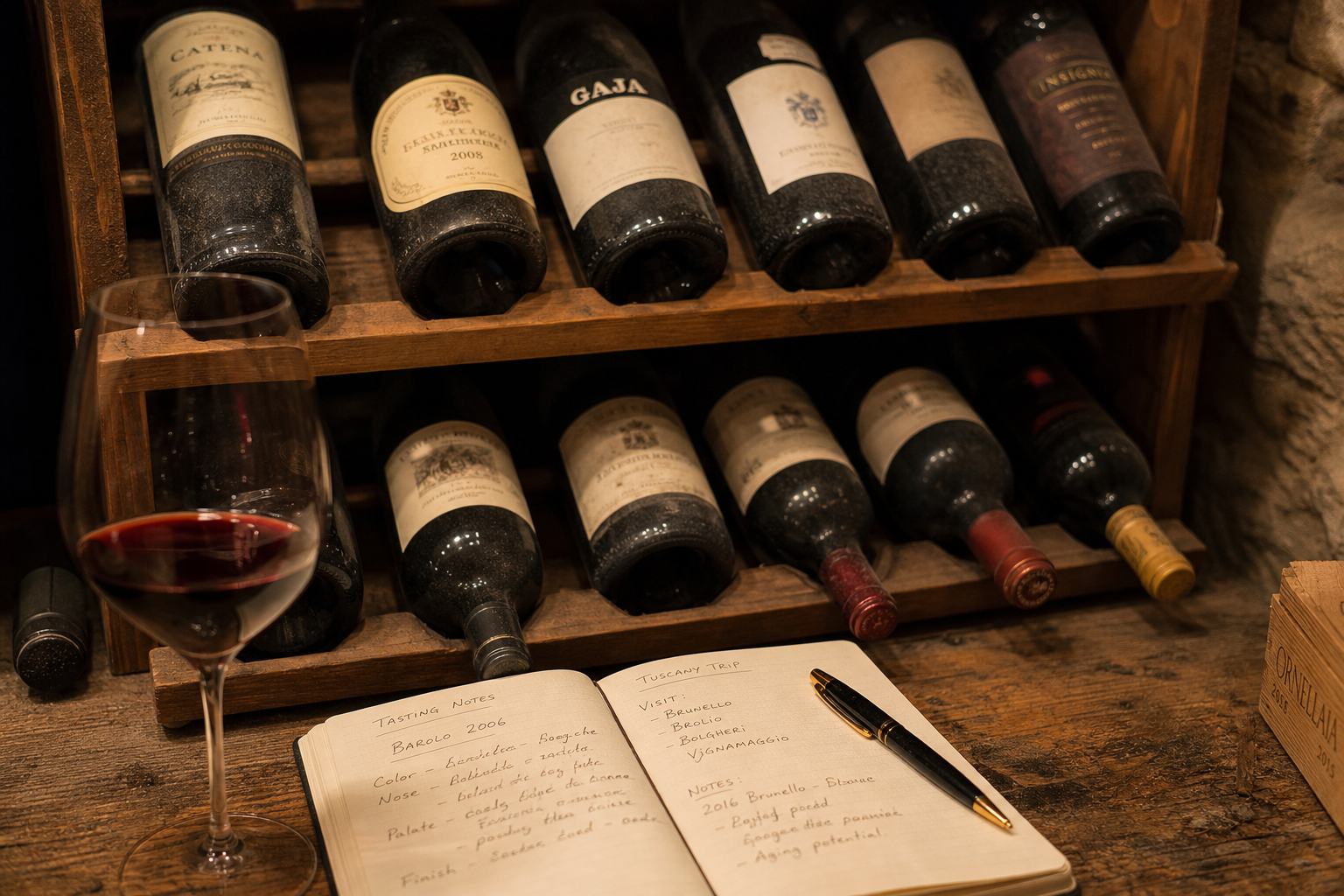
How to Start a Wine Collection Without Overthinking It
Starting a wine collection sounds intimidating, but it doesn’t require vast wealth, a temperature-controlled cellar, or encyclopaedic knowledge of Burgundian climats. The truth is simpler: a personal wine collection exists to serve your enjoyment, whether that means building towards special occasions, exploring new regions, or simply ensuring you’ve always got something decent to open when unexpected guests arrive.
The mistake most beginners make is treating wine collecting like stamp collecting, obsessing over rarity and investment potential whilst forgetting the fundamental purpose. Wine is meant to be drunk. Everything else follows from that principle.
The Biggest Misconceptions About Wine Collecting
Before diving into strategy, it helps to dismantle the myths that prevent people from starting.
The first misconception centres on age. There’s a persistent belief that older wine automatically means better wine, leading new collectors to stash every bottle away for years. Yet most modern wines are crafted specifically for early consumption. That twenty-dollar Shiraz bought online last week likely tastes best within two years of release, not after a decade in your cupboard. Only premium wines with high acidity, substantial tannin, and proper balance genuinely improve with age.
Closure type represents another misunderstanding. Screw-capped wines age just as gracefully as cork-sealed bottles, sometimes better, because screw caps eliminate the risk of cork taint whilst maintaining consistency. The closure tells you nothing about what’s inside.
Vintage ratings create unnecessary anxiety. Whilst a vintage rating offers a broad indicator of regional conditions, every year produces both exceptional and mediocre wines. A “bad” vintage from a skilled producer often outperforms a “great” vintage from a careless one.
Perhaps the most damaging myth is that wine collecting requires serious money. It doesn’t. A thoughtful collection built around wines under thirty dollars will serve you infinitely better than random expensive bottles purchased without understanding or purpose.
Start With What You Actually Enjoy Drinking
The foundation of any worthwhile collection is personal taste. Begin by purchasing wines you already know you like. If you gravitate towards fruit-forward reds, stock Grenache or Malbec. If crisp whites appeal, focus on Riesling or Sauvignon Blanc. This creates a baseline of bottles you’ll genuinely want to open, regardless of how they develop over time.
From that foundation, deliberately expand outward. Try wines from unfamiliar regions. Explore different producers working with the same varietal. Attend local tastings or join a wine club to systematically broaden your palate without gambling on full bottles. The goal is informed experimentation rather than random accumulation.
When making initial purchases, aim for balance across three categories. First, include staple wines like Chardonnay, Cabernet Sauvignon, or Pinot Noir that pair reliably with various foods and occasions. Second, add exploratory bottles from lesser-known regions or grape varieties to keep things interesting. Third, invest in a few age-worthy wines that reward patience.
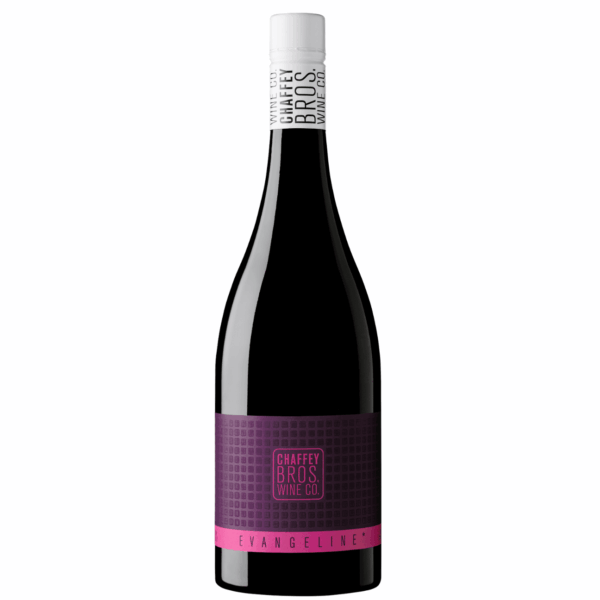 $38.83
/ bottle
$233.00 for a case of 6
$38.83
/ bottle
$233.00 for a case of 6
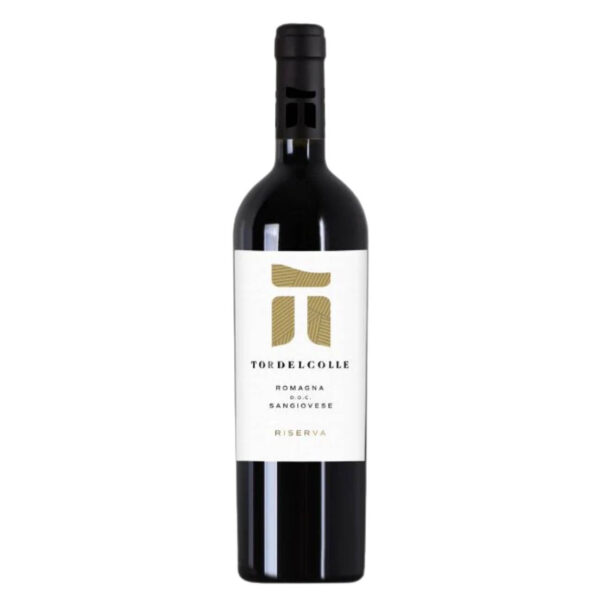 $32.83
/ bottle
$197.00 for a case of 6
$32.83
/ bottle
$197.00 for a case of 6
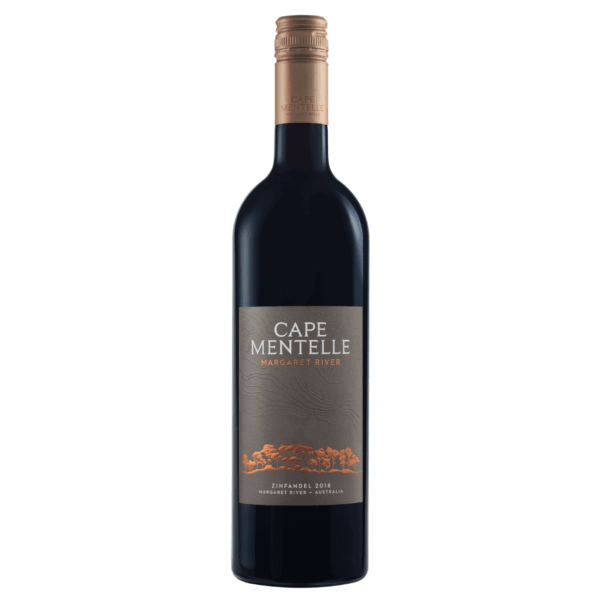 $58.67
/ bottle
$352.00 for a case of 6
$58.67
/ bottle
$352.00 for a case of 6
Cape Mentelle Zinfandel
Shipped by
Oatley Fine Wine Merchants
$58.67
/ bottle
$352.00 for a case of 6
 $25.17
/ bottle
$151.00 for a case of 6
$25.17
/ bottle
$151.00 for a case of 6
 $42.00
/ bottle
$252.00 for a case of 6
$42.00
/ bottle
$252.00 for a case of 6
 $31.17
/ bottle
$187.00 for a case of 6
$31.17
/ bottle
$187.00 for a case of 6
 233 pts
 Understanding Which Wines Actually Age
Not every wine improves with time, and recognising the difference prevents disappointment. Age-worthy wines share certain characteristics: premium fruit quality, higher acidity, moderate alcohol content (under 15%), and substantial structure. For reds, that structure comes from tannin. For whites, it often involves residual sugar or complex winemaking techniques.
Australian Semillon represents one of the country’s most exciting cellaring options, developing remarkable complexity over decades. Similarly, top-quality Riesling transforms from zippy and fresh into smooth and mellowed after years of proper storage. Premium Chardonnay from cooler climates becomes richer with age, developing nutty, caramel notes that weren’t present in youth.
For reds, Cabernet Sauvignon remains the classic choice, though quality varies dramatically. Look for deep colour, balanced alcohol, and noticeable tannin. Shiraz from regions like Barossa Valley or McLaren Vale can age gracefully for twenty years or beyond when properly made. Nebbiolo, Sangiovese, and Tempranillo all produce wines designed explicitly for extended cellaring.
Price provides a rough guide to ageing potential. Wines under thirty dollars typically drink best within five years. Bottles in the forty-dollar-plus range often develop beautifully for five to ten years or longer. This isn’t an absolute rule, but it reflects the reality that age-worthy wines require careful viticulture, lower yields, and patient winemaking, all of which cost money.
Storage Doesn’t Require a Cellar
Proper storage matters more than expensive storage. Wine thrives in consistent environments with temperatures between 12-15°C and humidity around 55-75%. Temperature stability matters more than hitting exact numbers. Frequent fluctuations damage wine faster than slightly warmer consistent conditions.
For Australian collectors, the “serve red wine at room temperature” advice actively harms your wine. Room temperature in the Southern Hemisphere often exceeds 25°C, far too warm for proper storage or serving. Red wines show best between 14-18°C, which feels cool to the touch.
If you lack a naturally cool, dark space, invest in a wine fridge rather than storing bottles in your kitchen or garage. Wine fridges maintain stable conditions and protect against light exposure, both of which preserve quality over time. You don’t need a massive unit to start. A thirty-bottle fridge accommodates early collecting whilst you determine whether this becomes a serious pursuit.
Bottles should rest on their sides to keep corks moist, though this doesn’t apply to screw-capped wines. Minimise handling once bottles are stored. If you acquire older wines, let them rest for four to six weeks before opening, as transportation disturbs sediment and mutes flavours.
Set a Realistic Budget and Stick to It
Wine collecting expands to fill whatever budget you allow. Start with a defined amount, whether that’s five hundred dollars or five thousand, and build incrementally. Buying six to twelve bottles initially makes more sense than immediately filling a cellar.
Budget in tiers to create natural diversity. Allocate roughly half your budget to everyday drinking wines in the twenty to fifty-dollar range. These are bottles you’ll open on Tuesday evenings without guilt. Reserve about thirty percent for selective choices between fifty and one hundred fifty dollars, where you start focusing on specific producers and regions. The remaining budget can explore premium bottles over two hundred dollars if you’re interested in wines with serious ageing potential.
Buying younger wines represents the smartest budget strategy. Aged wines command premium prices because someone else bore the storage costs and risk. Purchasing age-worthy wines upon release and cellaring them yourself delivers identical results at a fraction of the cost. A thirty-dollar Cabernet Sauvignon bought online aged in your own collection for five years drinks identically to that same wine purchased later for seventy dollars.
Keep Track Without Creating Work
As your collection grows beyond a dozen bottles, documentation becomes essential. You need to know what you own, where it’s stored, when you purchased it, and ideally when it should be consumed. Wine inventory apps simplify this process, though a basic spreadsheet works equally well.
Record the producer, vintage, region, purchase date, price, and location within your storage. Add tasting notes when you eventually open bottles. This information guides future purchases by revealing patterns in your preferences whilst preventing the common problem of forgetting which bottles you own until you discover them years past their prime.
Documentation also matters for insurance purposes if you’re collecting wines of significant value. Original purchase receipts, detailed descriptions, and periodic appraisals protect your investment, though this only becomes relevant once you’re spending serious money.
Focus on Enjoyment, Not Investment
The wine market seduces beginners with stories of bottles appreciating dramatically in value. Whilst this happens with certain blue-chip wines from Bordeaux, Burgundy, or premium Champagne producers, treating wine primarily as investment creates more stress than satisfaction.
Buy what you genuinely want to drink. If a bottle appreciates, consider that a pleasant bonus rather than the goal. The wines that increase most dramatically in value tend to be allocated productions requiring industry connections to acquire at release, not bottles readily available at retail.
Wine exists to be shared and enjoyed. Host informal tastings with friends. Open bottles to mark occasions. Pour a glass simply because it’s Saturday. The collection that brings regular pleasure vastly outweighs the meticulously preserved cellar that never gets touched.
Build Gradually and Trust Your Palate
Starting a wine collection requires neither expertise nor wealth, just curiosity and patience. Begin with wines you enjoy, expand deliberately into unfamiliar territory, store bottles properly, and keep basic records. Ignore the myths about age, closure types, and vintage ratings that create unnecessary anxiety.
Your collection should reflect your taste, not someone else’s idea of what belongs in a cellar. Whether that means focusing entirely on Australian producers, exploring Mediterranean varietals, or building depth in a single region, the right collection is the one you’ll actually drink. Trust your palate, do modest research, and remember that the best time to start was yesterday. The second-best time is now.
 Shiraz
 Cabernet Sauvignon
 Pinot Noir
 Grenache
 Merlot
 Red Wine Blends
 Chardonnay
 Riesling
 Pinot Gris
 Semillon
 Viognier
 Grenache Rosé
 Pinot Noir Rosé
 Shiraz Rosé
 Sangiovese Rosé
 Aglianico Rosé
 Clairette Rose
 Champagne
 Prosecco
 Sparkling Shiraz
 Blanc de Blanc
 Blanc de Noir
 Pet Nat
 Moscato
 Topaque
 Port
Port Sherry (dry & sweet)
 Muscat & Tokay
 Vermouth