 0473 644 098 · Mon–Fri 9am–5pm AESTHelp & FAQ


Canned Wine Guide: How Wine in a Can Started, When It Works Best, and What to Expect

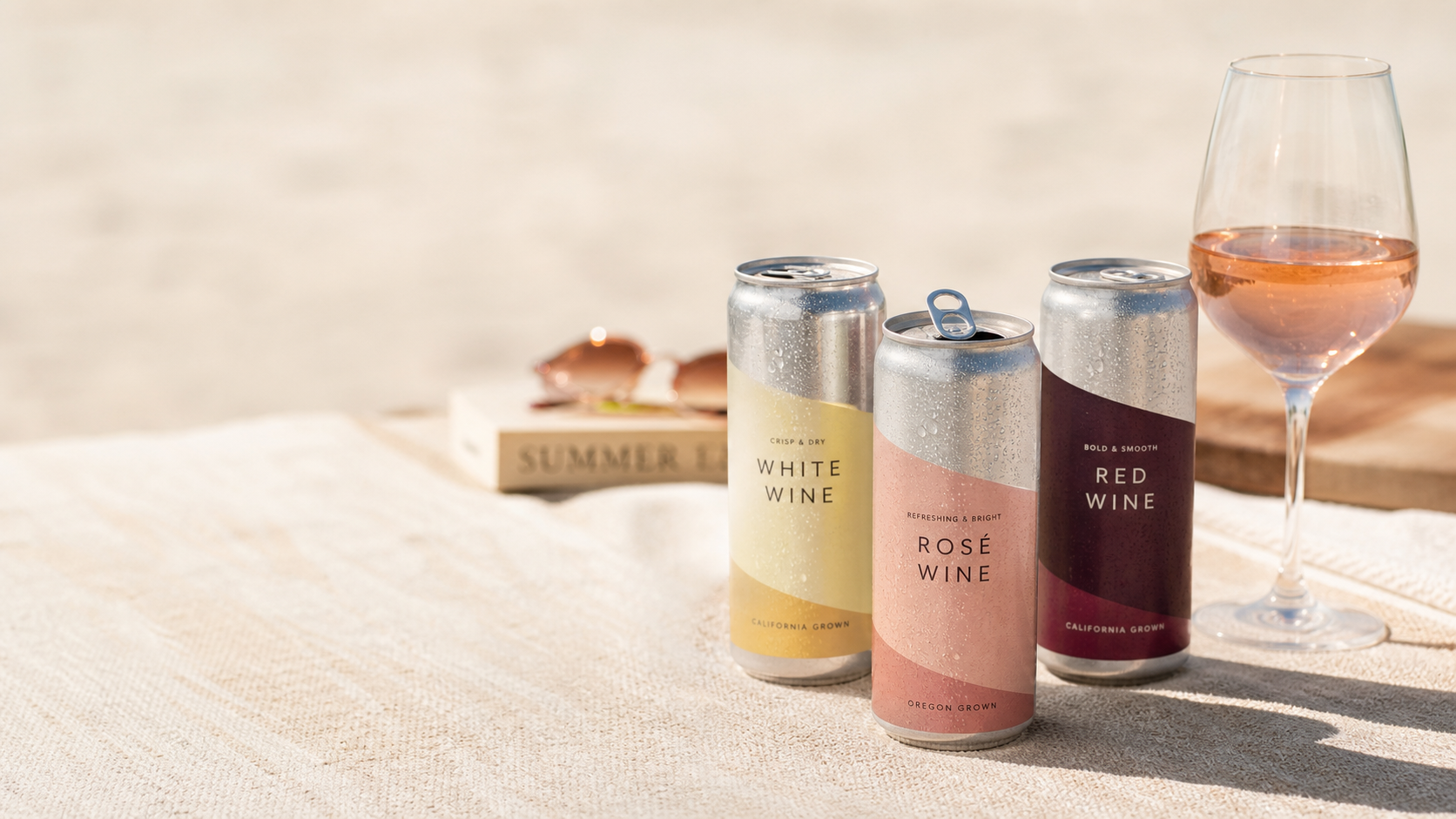
Canned wine has gone from novelty to serious category in a surprisingly short time. It now sits alongside bottles on shelves and wine lists, offering a different way to drink rather than a replacement for traditional wine.
How canned wine started and why it took off
The idea of putting wine in something other than glass is not new, but modern canned wine really emerged in the 2000s and 2010s as small producers and start‑ups began experimenting with single‑serve formats. For white‑wine lovers, that now includes crisp, chilled Chardonnay wine in a can that’s made to be refreshing and easy to take anywhere. They borrowed cues from beer and soft drinks: lightweight, shatter‑proof packaging that chills quickly and is easy to transport and recycle.
Two broader trends helped canned wine take off. First, younger drinkers became more relaxed about format and less attached to traditional rituals; they cared more about taste, sustainability and convenience than whether wine arrived in a 750 ml bottle. Second, the boom in ready‑to‑drink (RTD) cocktails normalised the idea that quality alcoholic drinks could come in a can. Wine simply followed, initially at music festivals and outdoor events, then in supermarkets and specialist retailers.
Today, canned wine and wine‑based RTDs are one of the faster‑growing corners of the broader drinks market. They still represent a small share of total wine volume, but their trajectory is clearly upward, particularly in markets with strong outdoor and on‑the‑go culture.
Why canned wine works for modern drinkers
Canned wine solves several very practical problems that have always surrounded traditional bottles. Glass is heavy, fragile and not especially welcome at beaches, pools, concerts or parks. Cans, by contrast, are light, durable and easy to pack. For many occasions, that alone makes them more attractive.
Single‑serve sizing is another major advantage. Instead of committing to a full bottle, drinkers can open one 250–375 ml can, which is effectively one or two glasses. That suits people who live alone, those who want to moderate their intake, or groups where different people want different styles. It also reduces waste: no more half‑finished bottles oxidising in the fridge for a week.
There is also a sustainability angle. Aluminium cans are widely recycled and efficient to ship because they are lighter and pack more densely than glass. For producers focused on reducing their carbon footprint, moving some fresh‑drinking wines into cans can make environmental as well as commercial sense. For consumers, that means they can enjoy a picnic wine or weeknight glass knowing that the format itself is relatively efficient.
All of this explains why canned wine has found such a natural audience among younger, urban drinkers and people who are already comfortable with canned craft beer or RTD cocktails.
How winemakers make wine work in a can
For wine to perform well in a can, producers have to think very carefully about style and stability. Cans are completely light‑proof, which is helpful, but the interior coating and minimal headspace mean wines must be clean, fresh and free from faults that could evolve badly in a closed metal environment.
Most canned wines are designed to be drunk within 12–18 months of packaging. They are typically made in a bright, fruity style with moderate alcohol, clean fermentation and little to no oak. That suits aromatic whites, rosés and light reds particularly well. Because there is no need to protect a long ageing curve, winemakers can focus on immediate drinkability: crisp acidity, clear fruit, and a texture that feels refreshing straight from the fridge or esky.
Producers also have to pay close attention to dissolved oxygen and sulphur dioxide levels during canning. With less headspace and no gas exchange through a closure (unlike cork), small mistakes can have large sensory consequences. Modern canning lines and careful lab work have helped raise quality significantly compared with the first generation of canned wines.
Featured Wines
Gloria d'Italia Wine Seltzer (24 Cans) Trentino, Italy
Add to Cart
$6.88
/ can
$165.00 for a case of 24
Jack Rabbit Frizzante 200ml (24 Cans) Bellarine Peninsula, VIC
Add to Cart
$6.46
/ can
$155.00 for a case of 24
Small Things Wine Chardonnay (16 x 250ml Cans) Margaret River
Add to Cart
$8.13
/ can
$130.00 for a case of 16
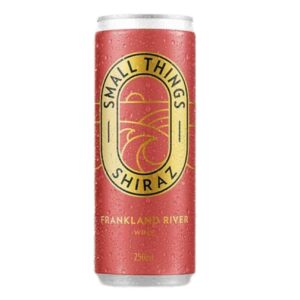
Small Things Wine Shiraz 2023 (16 x 250ml Cans) Margaret River, WA
Add to Cart
$8.13
/ can
$130.00 for a case of 16
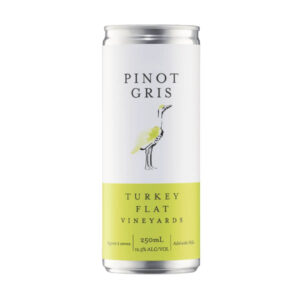
Turkey Flat Pinot Gris Cans 2025 250ml (24 Cans) Barossa Valley, SA
Add to Cart
$8.58
/ can
$206.00 for a case of 24
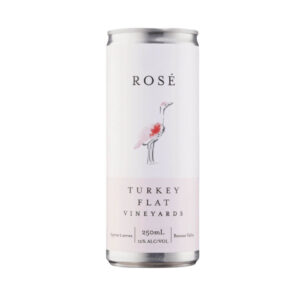
Turkey Flat Rosé Cans 250ml (24 Cans) Barossa Valley, SA
Add to Cart
$8.58
/ can
$206.00 for a case of 24
The limits of canned wine: what it isn’t for
For all its advantages, canned wine has clear limits, and being honest about those limits helps set the right expectations for anyone choosing it. The most important point is that cans are not designed for serious ageing. Age‑worthy wines rely on very slow, controlled interaction with oxygen through cork or carefully chosen technical closures; that gradual evolution is what allows complex aromas and tertiary flavours to develop over years or decades.
Cans, by contrast, are essentially closed systems. Once the wine is in, its evolution window is short, and most producers actively want you to drink it young. That means you are unlikely to see the following in cans:
-
Long‑aged reds built on firm tannin and structure.
-
Fine sparkling wines that rely on complex bottle ageing.
-
High‑end single‑vineyard releases intended for cellaring and collectors.
Tasting from a can also changes the experience. If drinkers sip directly, they lose the visual aspect of colour and the layered aromatics that come from swirling in a glass. The simplest fix is to treat a can as a mini bottle: chill it, pour it into a proper glass, and enjoy the wine as you normally would. Even then, it is worth understanding that canned wines are crafted for immediacy and refreshment, not for depth that unfolds over many years.
When cans are the best choice
Where canned wine really shines is in situations where practicality and flexibility matter more than ceremony. A few obvious examples:
-
Outdoor events where glass is banned or impractical.
-
Picnics, camping trips and beach days, where weight and breakage are concerns.
-
Casual weeknights when one person wants a glass or two without opening a full bottle.
-
Mixed gatherings where some people want rosé, others a crisp white and another prefers a light red.
This is exactly where single‑serve canned wine for picnics and parties makes more sense than opening a full bottle. For older drinkers, cans can actually be more convenient: easier to open, easier to store and lighter to carry. For younger drinkers, they fit naturally with a lifestyle that already includes craft beer and canned cocktails. In both cases, the key is choosing producers who treat the wine seriously rather than as a gimmick.
For retailers and educators, the conversation can be framed positively: cans as an extra tool in the wine toolbox. Bottles still make the most sense for cellaring, gifting and formal meals. Cans excel when spontaneity, portability and portion control matter. As long as drinkers understand those boundaries, canned wine offers a genuinely useful, modern way to enjoy well‑made, ready‑to‑drink wine without asking anyone to abandon the romance of the cork and bottle.


 Shiraz
 Cabernet Sauvignon
 Pinot Noir
 Grenache
 Merlot
 Red Wine Blends
 Chardonnay
 Riesling
 Pinot Gris
 Semillon
 Viognier
 Grenache Rosé
 Pinot Noir Rosé
 Shiraz Rosé
 Sangiovese Rosé
 Aglianico Rosé
 Clairette Rose
 Champagne
 Prosecco
 Sparkling Shiraz
 Blanc de Blanc
 Blanc de Noir
 Pet Nat
 Moscato
 Topaque
 Port
Port Sherry (dry & sweet)
 Muscat & Tokay
 Vermouth