 0473 644 098 · Mon–Fri 9am–5pm AESTHelp & FAQ


What Wine Should I Drink? A Simple Guide To Choosing Red or White Wine You’ll Actually Enjoy

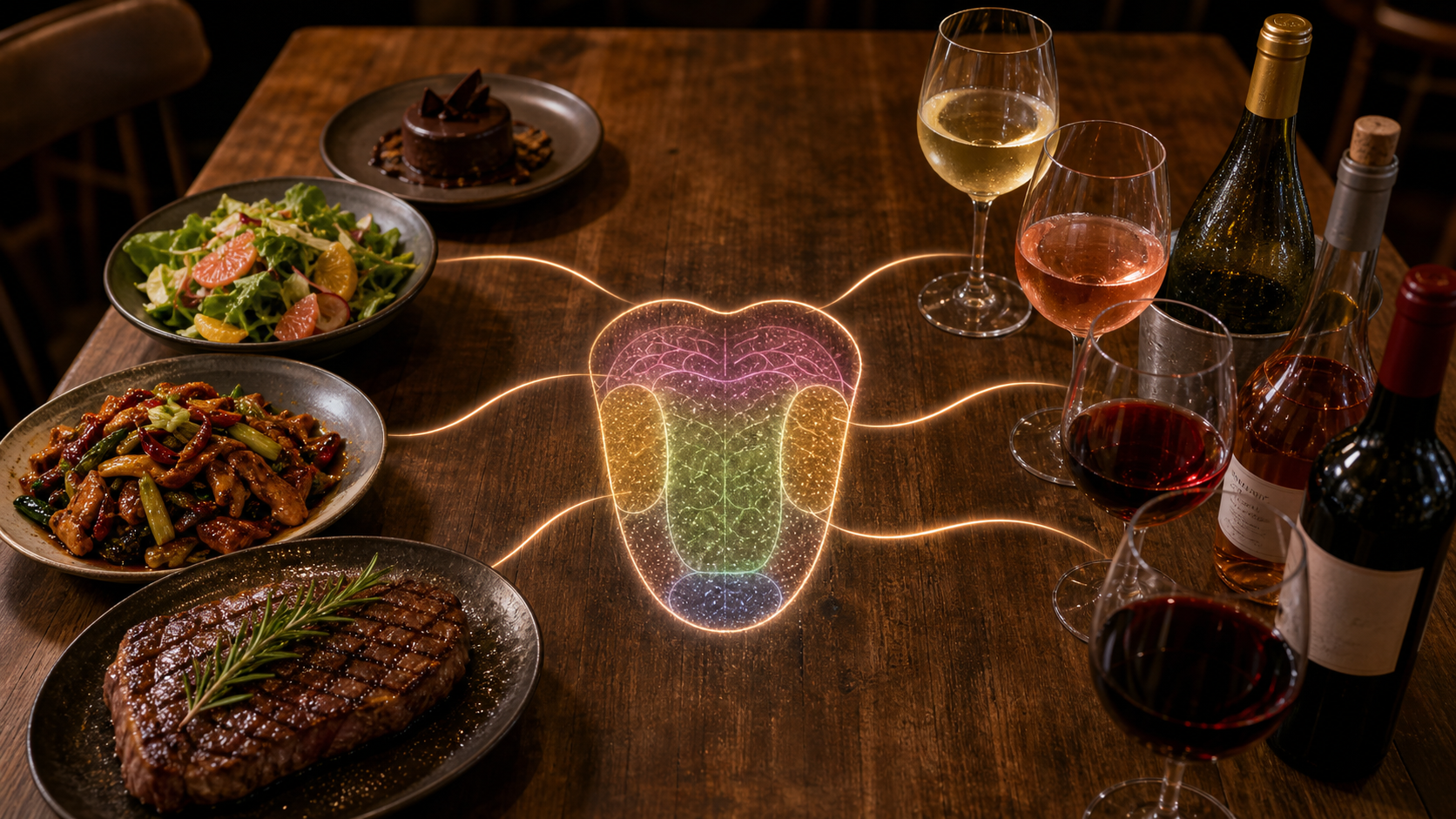
Most people do not start with grape varieties or regions; you start with simple reactions like “too sharp,” “too sweet,” or “wow, that went down easily.” Those instincts are far more useful than any technical vocabulary, because they already describe the kind of wine you are likely to enjoy.
Here is something genuinely fascinating about this. The flavours you instinctively love in food and other drinks map directly to wine styles, even if you have never looked twice at a wine list. This article treats your palate as the starting point and uses a series of questions so you can discover, rather than be told, what you might enjoy in the glass.
When you do not speak “wine” yet, but your tastebuds already do
Instead of memorising grape names or regions, begin by paying attention to how wine feels and behaves in your mouth. Does it feel refreshing or comforting, light or heavy, sharp or soft? These questions are more important than knowing whether a wine is Chardonnay or Shiraz.
Notice your instant reactions. If a wine makes you wince, it might be very acidic. If it feels sticky or cloying, it might be quite sweet. If your mouth feels dry and furry, the wine probably has plenty of tannin. None of these sensations are “good” or “bad” on their own; they simply point towards particular styles that fit your preferences.
The most productive mindset is curiosity. Rather than asking “Is this a good wine?”, it is far more useful to ask “What about this wine do I like, and what do I dislike?” That single shift turns every glass into a small lesson in your own taste.
First, the big fork in the road: white or red?
A gentle way to begin is with mood and texture, not with colour charts. Ask yourself: “Do I usually crave something refreshing, or something cosy and warming?”
If your answer is “refreshing,” you will probably be happier starting with whites or rosés. These often taste cooler, crisper and more thirst‑quenching, with flavours that might call to mind citrus, green apple, pear or stone fruits. They tend to partner naturally with lighter dishes such as seafood, salads and grilled vegetables, or with warm summer evenings when a chilled glass feels appealing.
If your answer is “cosy and warming,” then reds become the natural starting point. Red wines usually feel more structured and enveloping, with flavours that can suggest cherries, plums, blackberries, spice and sometimes earth or leather. They tend to sit more comfortably alongside slow‑cooked meats, roasts, mushrooms and richer sauces, or with cooler evenings when something more substantial in the glass feels appropriate.
None of this is a life sentence. You might start with buying white wine online today and find yourself craving reds once you have grown used to tannin and depth. The important thing is simply to start somewhere that feels friendly rather than intimidating.
If dessert is your favourite course, follow your sweet tooth
One of the most powerful questions to pose is brutally simple: “Do I secretly wish my wine tasted a bit like dessert?” Many people do, but feel slightly guilty about saying so, as though enjoying sweetness is somehow less serious.
If you love fruit‑forward cocktails, soft drinks or sweet chilli sauce, then it is perfectly reasonable to assume you might prefer wines with noticeable sweetness or very ripe fruit, at least to begin with. A helpful proxy is to think about coffee. Can you drink it black, or do you only enjoy it with sugar?
If you answer “yes, I like things sweeter,” you might be happiest exploring wines such as gently sparkling Moscato, off‑dry Riesling and Chenin Blanc, or juicy, ripe reds where the fruit feels plush and generous rather than stern and dry. These wines can feel like a bridge between familiar sweet flavours and the more complex world of dry wine.
If you recoil at the idea of sweetness in wine, flip the questions. Do you drink your coffee black, love dark chocolate and usually push away overly sugary desserts? If so, dry whites and structured reds become better starting points. In that case, crisp Sauvignon Blanc, dry sparkling wine or firmer reds like Cabernet Sauvignon and Syrah are more likely to feel right.

$30.17
/ bottle
$181.00 for a case of 6
 181 pts
$19.17
/ bottle
$115.00 for a case of 6
Dunes & Greene Split Pick Moscato NV
$19.17
/ bottle
$115.00 for a case of 6


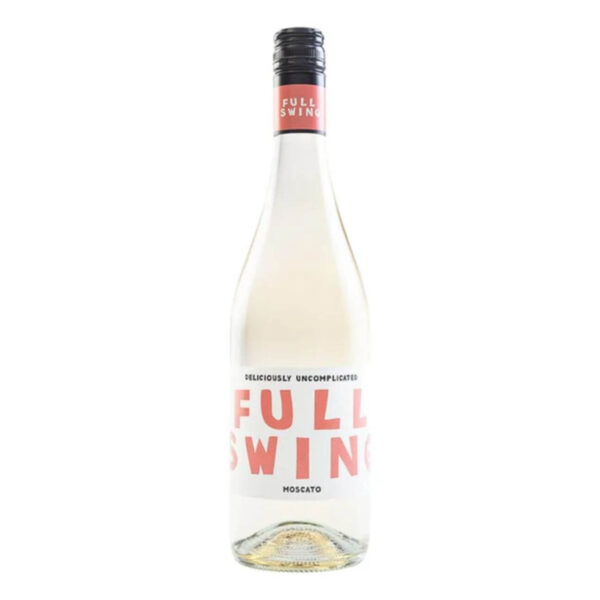
$12.92
/ bottle
$155.00 for a case of 12

$5.25
/ bottle
$126.00 for a case of 24
Dunes & Greene Split Pick Moscato NV 200ml
$5.25
/ bottle
$126.00 for a case of 24

$21.58
/ bottle
$259.00 for a case of 12
Spring Seed 'Sweet Pea' Moscato
$21.58
/ bottle
$259.00 for a case of 12

$16.67
/ bottle
$200.00 for a case of 12
Acid, bitterness and texture: your “how much is too much” test
Beyond sweet versus dry, two forces shape preference more than any others: acidity and bitterness. You may never have thought about this explicitly, but you probably answer instinctively when you face the right questions.
Start with acidity. Do you love squeezing extra lemon over everything? Do you enjoy vinegary dressings, pickles and sharp flavours, or do you find yourself softening them with something creamy? If you happily pile on lemon and love that tangy snap, you probably tolerate (and may even enjoy) high acidity in wine. That palate often lights up in front of crisp whites such as Riesling, Albariño or Assyrtiko, and will feel quite comfortable with sparkling wines that have a tangy, mouth‑watering edge.
If sharp flavours make you wince and reach for something soothing, then gentler acidity will be more appealing. Rounded whites, perhaps with some oak ageing, and softer reds that feel smoother on the palate become safer territory. These wines feel more like a soft cushion than a firm handshake.
Now think about bitterness and tannin. Tannin shows up in wine as dryness and grip, particularly on your gums. Ask yourself a few things. Do you enjoy strong tea left in the pot? Do you like the bite of dark chocolate, or the dryness of certain cocktails? If you say yes, you may be more open to tannic reds, where that same dryness becomes structure and depth.
If strong tea always gets diluted and dark chocolate feels harsh, then low‑tannin reds will usually be more enjoyable for you. Grapes such as Pinot Noir and Gamay are often wonderful introductions to buying red wine if you think you do not like red at all. These wines can be light, juicy and sometimes even served slightly chilled, offering the flavour world of red wine without aggressive bitterness.
Let your food habits do the talking
Learning about acidity, tannin and body in abstract can feel like a lecture. Translating those ideas into everyday eating is much more intuitive. Your normal food choices already carry a lot of information.
When you eat something spicy, what do you do next? Do you reach for more chilli, or do you look for milk, yoghurt or bread to calm things down? If you enjoy ramping up the heat, you may be very happy with aromatic whites like Gewürztraminer or off‑dry Riesling, where a touch of sweetness and perfume can dance with chilli. If you prefer to tame the spice quickly, you might be better with lighter, softer wines that do not amplify the burn.
Think about rich, creamy sauces. Do you adore them and never feel weighed down, or do you feel heavy after a few bites and prefer lighter, brighter food? If you love creamy dishes, you often respond well to fuller‑bodied whites such as Chardonnay, and to reds with smoother tannins that can stand up to richness without becoming hard. If you naturally gravitate towards grilled fish, salads and citrus‑driven dishes, you are likely to feel at home with crisp whites and delicate reds.
Even the way you order a burger or steak gives clues. Are blue cheese, caramelised onions and smoky bacon your first choices, or do you prefer fresh tomato, lettuce and pickles? Those savoury, intense toppings hint at a fondness for depth and intensity, which matches beautifully with structured reds. Fresher toppings lean towards higher‑acid wines that brighten food rather than deepen it.
Use your favourite non‑wine drinks as a map
Food is not the only guide. Another route into wine preference runs through the drinks you already love. Ask yourself: “What do I usually drink when I am not drinking wine?”
If gin and tonic is a staple for you, you already enjoy drinks that are crisp, aromatic and a little bitter around the edges. You may find yourself drawn to wines with firm acidity and herbal or citrus‑driven aromas, such as Sauvignon Blanc or dry sparkling wine. If you favour rum and cola or creamy liqueurs, you tend to enjoy richer, sweeter flavours and may be happier with plush reds or off‑dry whites.
If you are a beer drinker, think about the styles you choose. Pale ale fans, who enjoy a balance of bitterness and freshness, often appreciate wines that also sit between savoury and fruity. Many Italian or Spanish reds with moderate tannin can feel familiar in that way. If you usually drink lager for its clean, easygoing refreshment, light, neutral whites like Pinot Grigio or uncomplicated, juicy reds might be the most comfortable starting point.
Even soft drink habits matter. Do you choose diet cola for its drier profile, or regular cola for its sweetness? That tiny decision already hints at how much dryness or sweetness you want in wine. There is no “correct” answer here. Your existing preferences are simply coordinates on a map, and different wine styles are the destinations.
Where all these answers can lead you
By this point, you have quietly built a sketch of your own palate. You know whether you lean towards refreshing or cosy. You have a sense of how much sweetness you enjoy, how far you are willing to go with acidity, and how comfortable you feel with bitterness and tannin. You have connected your food habits and favourite drinks to possible wine styles.
From here, some broad directions begin to make sense. If you like sweet, low‑bitterness drinks, love dessert and often choose lighter food, you might start with aromatic whites, gently sweet sparkling wines and chilled, low‑tannin reds. If you relish dark chocolate, black coffee, strong tea and rich, savoury dishes, you may feel immediately at home with firmer reds and drier whites that emphasise structure and complexity.
The most useful step now is to turn your casual reactions into a simple habit. Keep a note with three headings: “Too sharp,” “Too sweet” and “Just right.” Each time you try a new wine, jot it under one of those headings, along with a word or two about what it reminded you of.
Over time, that short list will become the most accurate personal tasting guide you could hope for. You will not need to remember every grape and region. You will simply be able to say, “I know I like wines like this, and I know I dislike wines like that.” At that moment, the language of wine stops being a code to crack and becomes a way of describing something you have known all along: what you genuinely enjoy drinking.






 Shiraz
 Cabernet Sauvignon
 Pinot Noir
 Grenache
 Merlot
 Red Wine Blends
 Chardonnay
 Riesling
 Pinot Gris
 Semillon
 Viognier
 Grenache Rosé
 Pinot Noir Rosé
 Shiraz Rosé
 Sangiovese Rosé
 Aglianico Rosé
 Clairette Rose
 Champagne
 Prosecco
 Sparkling Shiraz
 Blanc de Blanc
 Blanc de Noir
 Pet Nat
 Moscato
 Topaque
 Port
Port Sherry (dry & sweet)
 Muscat & Tokay
 Vermouth