 0473 644 098 · Mon–Fri 9am–5pm AESTHelp & FAQ


Smart Vines & Steel Tanks: How Technology Is Transforming the Modern Wine World

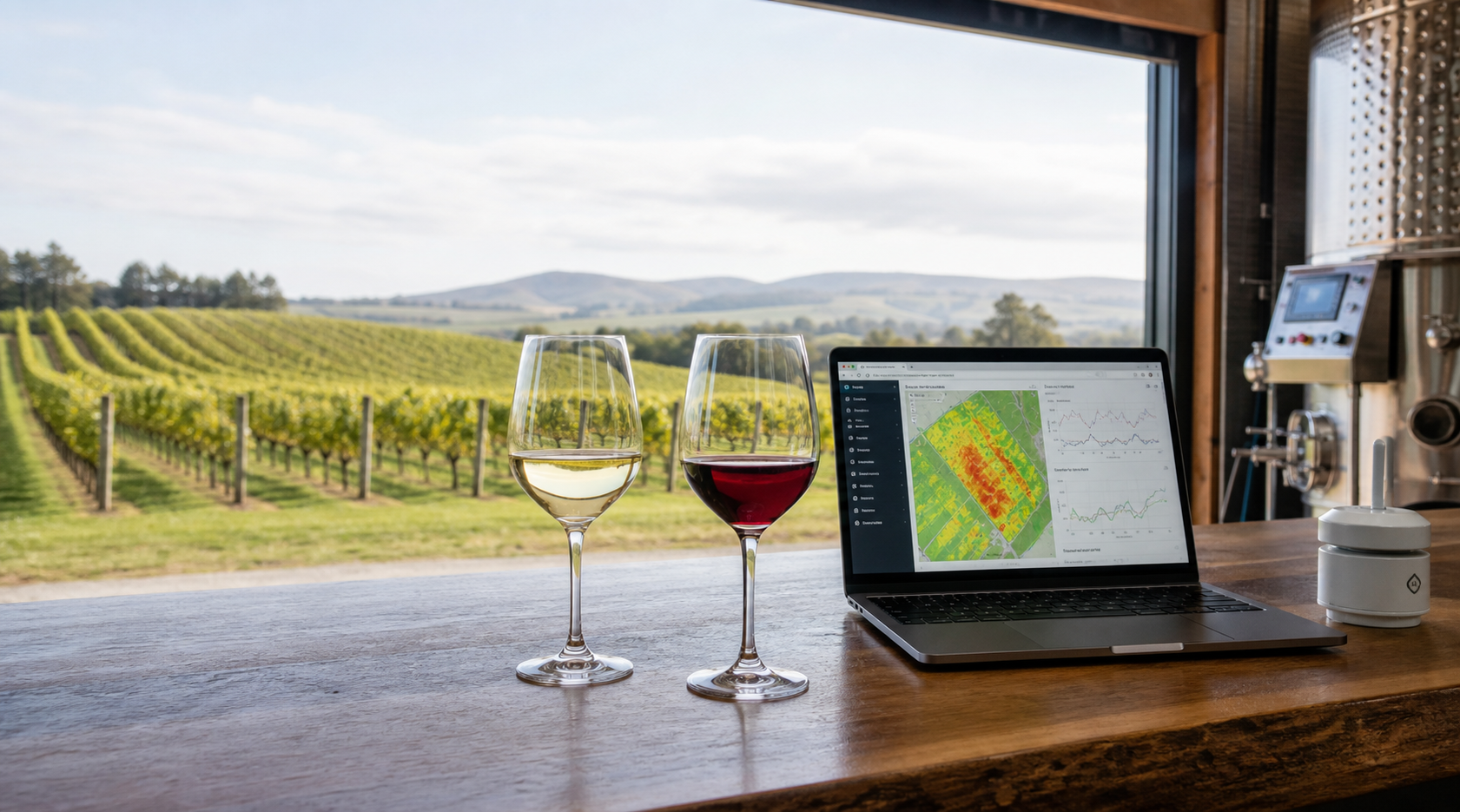
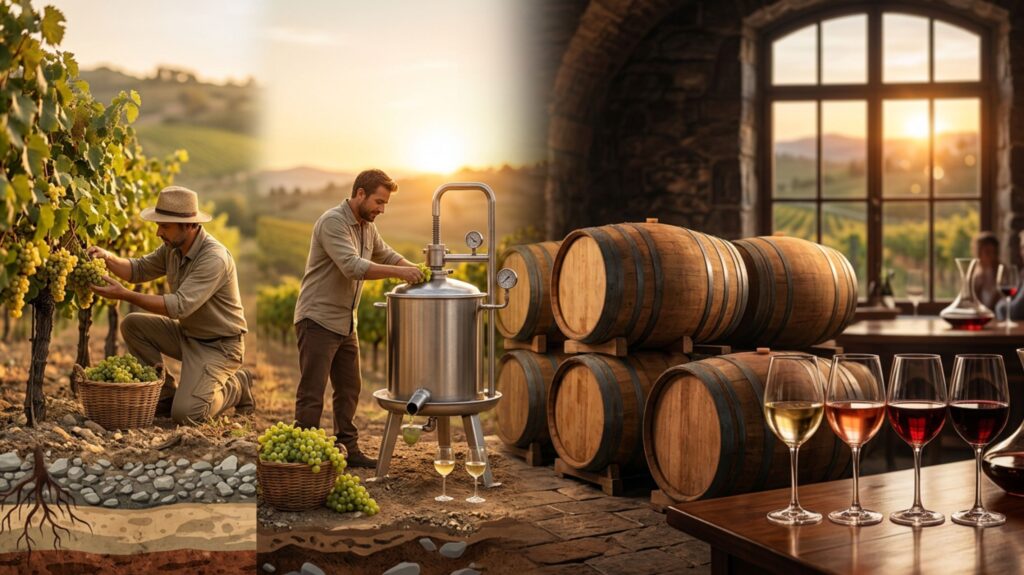
Technology has quietly reshaped almost every stage of wine, from the way vines are pruned to the moment a finished bottle leaves the cellar. The romance of hand‑crafted wine is still there, but behind it sits an astonishing amount of data, engineering and innovation that previous generations simply did not have.
From guesswork to precision in the vineyard
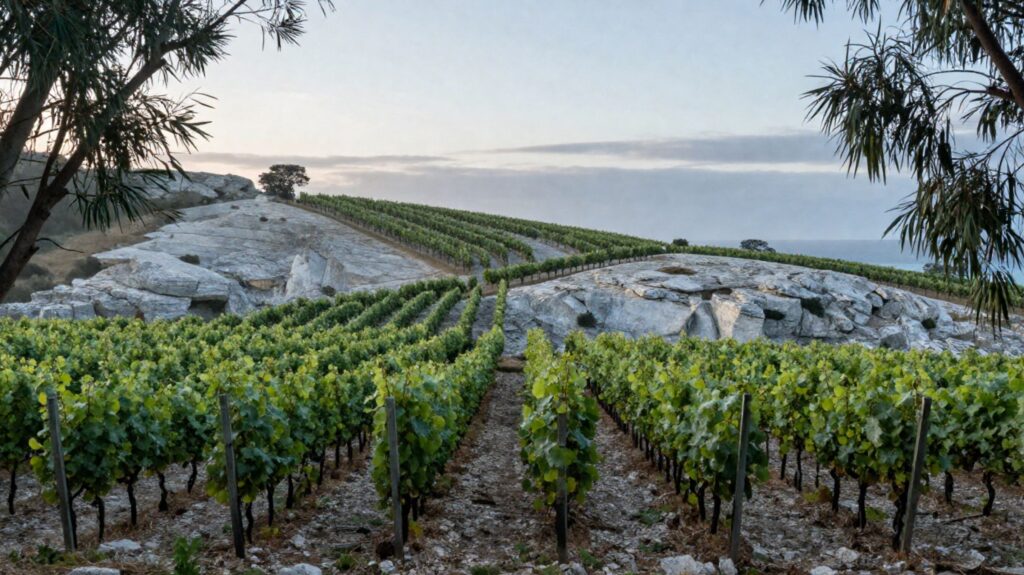
A generation ago, vineyard decisions often relied on walking the rows and making educated guesses about vine stress, soil moisture and disease pressure. Today, “precision viticulture” uses networks of soil probes, weather stations, satellite images and drones to turn those guesses into real‑time measurements. Sensors track moisture, temperature and even vine sap flow, allowing growers to irrigate only when and where it is needed, rather than watering entire blocks on a schedule.
Drones and multispectral cameras now scan canopies from above, picking up early signs of disease or nutrient deficiency that would be invisible at ground level until the problem is well advanced. GPS‑guided tractors and sprayers follow these maps with centimetre accuracy, applying fertiliser or protective sprays only to affected areas, which reduces waste, limits environmental impact and keeps fruit cleaner. The net effect is a vineyard that can be farmed with surgical precision instead of broad brushstrokes, producing riper, healthier grapes with less water and fewer inputs.
This is especially important in warm, dry regions and in drought‑prone parts of Australia and New Zealand, where water rights and sustainability are constant concerns. Precision tools let growers push quality without exhausting the land, something that would have been far harder with traditional methods alone. For drinkers, the most obvious beneficiaries of this shift are cool climate wines, where smart vineyard tools help growers ripen fruit fully while still preserving freshness and fine detail.
Harvesting: from back‑breaking labour to targeted picking
Harvest has always been the most intense and stressful window in a winery calendar. Historically it depended on large, seasonal labour crews working long hours over a handful of frantic weeks. Labour shortages, rising wages and tighter harvest windows under climate change have all made that model fragile.
Modern mechanical harvesters have come a very long way from the crude machines of the 1970s. Early designs shook vines indiscriminately, damaging fruit and collecting leaves, insects and unripe berries. The latest generations use adaptive shaking, sorting heads and real‑time sensors to separate clean berries from unwanted material and to handle bunches far more gently. Many can work at night when temperatures are low, preserving delicate aromatics and slowing oxidation of white varieties in particular.
For premium sites where hand‑picking remains non‑negotiable, technology still plays a role. Ripeness can be mapped across a block, allowing pickers to focus first on the most advanced sections and return later for cooler or slower‑ripening pockets. In effect, growers can create multiple “micro‑harvests” from a single vineyard, each tuned to a particular wine style, without losing control of logistics.
Smart wineries: controlled fermentations and cleaner cellars
If the vineyard is now wired, the winery is no less so. Fermentation was once guided mainly by taste, smell and experience, with temperature controlled by simple cooling jackets and a careful eye. Today, many cellars use smart fermentation tanks equipped with probes to monitor sugar, temperature and dissolved oxygen continuously. Automated systems adjust cooling as needed to keep fermentations in a tight band, reducing the risk of stuck ferments, volatile acidity and other classic faults.
Some estates have gone further, using AI‑assisted systems that analyse historical ferment data and predict how a new batch is likely to behave. If a tank shows unusual patterns, the software can flag issues before they are obvious to the human eye, giving winemakers a chance to intervene early. Larger companies in the United States and Europe already use such systems to monitor hundreds of tanks simultaneously, something no single team of cellar hands could manage in real time.
Alongside smart tanks, there has been a quiet revolution in how grapes are processed. Optical sorting machines use high‑speed cameras and jets of air to eject imperfect berries and unwanted material from the crush line, leaving only clean fruit to ferment. Gentle pumps, gravity‑flow winery designs and alternative vessels like concrete eggs or large foudres allow winemakers to move and mature wine with less mechanical stress, preserving aroma and texture.
What is striking is that these tools do not replace craft; they refine it. Winemakers still decide when to pick, which yeasts to use and how to blend. The technology simply gives them far finer control over each step, so their stylistic choices are delivered more consistently from vintage to vintage.
Featured Wines
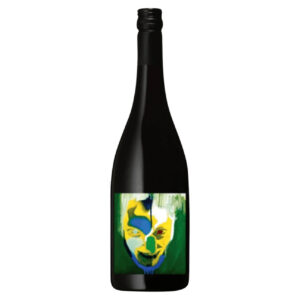
Dr. Edge 'Tasmania' Pinot Noir 2024 (12 Bottles) Tamar Valley, TAS
Add to Cart
$60.00
/ bottle
$720.00 for a case of 12
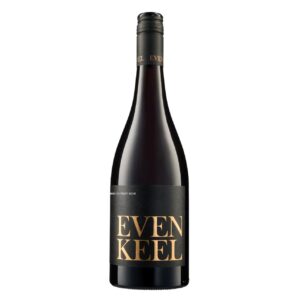
Even Keel Pinot Noir 2024 (12 Bottles) Tasmania
Add to Cart
$45.00
/ bottle
$540.00 for a case of 12
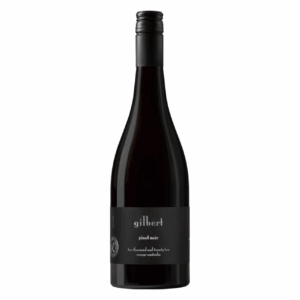
Gilbert Lidster Pinot Noir 2023 (6 Bottles) Orange, NSW
Add to Cart
$60.00
/ bottle
$360.00 for a case of 6
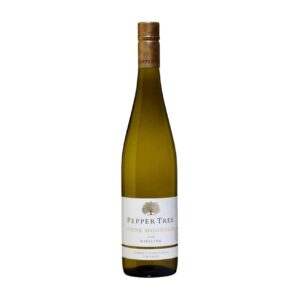
Pepper Tree Wines Single Vineyard Stone Mountain Riesling 2024 (12 Bottles) Orange, NSW
Add to Cart
$46.33
/ bottle
$556.00 for a case of 12
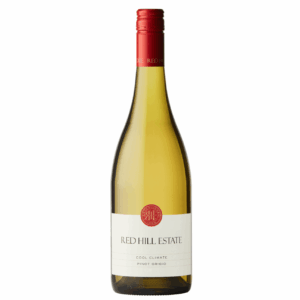
Red Hill Cool Climate Pinot Grigio 2025 (6 Bottles) Victoria
Add to Cart
$22.50
/ bottle
$135.00 for a case of 6
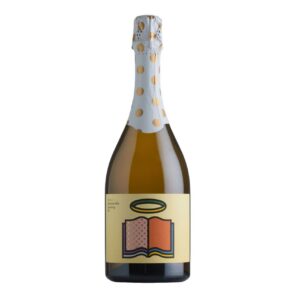
Saint and Scholar Graduates Sparkling Pinot Noir Chardonnay 2023 (6 Bottles) Adelaide Hills, SA
Add to Cart
$33.00
$25.00
/ bottle
$150.00 for a case of 6
Biotech, yeasts and shaping flavour more precisely
Behind the scenes, microbiology and biotechnology have changed what is possible in the cellar. Yeast selection used to mean choosing between a handful of commercial strains or relying entirely on ambient yeasts. Now producers can select from dozens of strains designed to enhance specific flavour families (citrus and thiol‑heavy for Sauvignon Blanc, stone‑fruit for Chardonnay, red‑berry esters for Pinot Noir), or to ferment reliably at lower temperatures or higher alcohol levels.
Emerging research explores non‑Saccharomyces yeasts and bacteria that can naturally adjust acidity, build mouthfeel or reduce the need for sulphur dioxide and other additives. Techniques like bioacidification (using certain yeast strains to generate more acid during fermentation) help producers in warm regions maintain freshness without chemical corrections. At the same time, improved malolactic cultures allow precise control of how much sharp malic acid is converted into softer lactic acid, which is crucial for balancing styles such as barrel‑fermented Chardonnay.
None of this means every wine is now a lab product. Many artisanal producers still prefer spontaneous fermentation and minimal intervention. Yet even they benefit from better hygiene practices, monitoring tools and a deeper scientific understanding of what is happening in their tanks and barrels. The net result is fewer flawed wines and a broader palette of stylistic options.
Bottling, traceability and the digital supply chain
Bottling has always been the final, nerve‑wracking step: one last chance to spoil what years of work have created. Modern bottling lines integrate gentle filtration, inert gas management and laser‑controlled fill levels to minimise oxygen pickup and bottle variation. Inline sensors track dissolved oxygen and sulphur dioxide in real time, allowing operators to tweak settings before thousands of bottles roll off the line with a problem baked in.
On the logistics side, cloud‑based winery management systems now track wine from grape intake all the way to palletised stock. Every transfer, topping and blend can be recorded, making compliance, stock‑taking and quality audits far more straightforward. This is particularly important for producers exporting to markets with strict traceability rules, including much of Europe and parts of Asia.
Digital tools also touch the consumer end. QR codes and augmented‑reality labels can link directly to vineyard maps, technical sheets and vintage information, giving curious drinkers far more context than a traditional back label ever could. For serious enthusiasts, that kind of transparency can be a deciding factor when choosing between bottles on a crowded shelf.
Why these advances matter to drinkers, not just wineries
It is easy to assume that technology only matters to accountants and production managers. In reality, most of the advances described here show up directly in the glass. Precision viticulture and modern fermentation control have reduced the incidence of obvious wine faults and helped producers maintain quality even in difficult vintages. Consumers now expect a far higher baseline; corked, oxidised or volatile wines are less tolerated because they are less common.
Consistency has improved, particularly for larger brands that need to deliver a recognisable style year after year. At the same time, small producers can use these tools to push quality boundaries in marginal sites that might once have been too risky to farm. Regions previously dismissed as too cool, too dry or too uneven can now produce compelling wines thanks to better site selection and finer control of water, canopy and harvest timing.
Technology has also enabled a wave of experimentation: low‑alcohol wines produced with advanced dealcoholisation systems, pét‑nat and skin‑contact wines made with greater microbiological safety, and sustainable practices that cut water and chemical use without sacrificing quality. For environmentally conscious drinkers, those shifts matter as much as flavour.
Perhaps most importantly, these innovations let winemakers spend less time fighting fires and more time thinking, tasting and refining their styles. Instead of checking every tank manually or guessing at vine stress, they can lean on data to handle the routine and focus their attention where human judgment truly counts. The craft is still there; it is simply supported by better tools.
From ancient amphorae to smart vineyards: why the journey matters
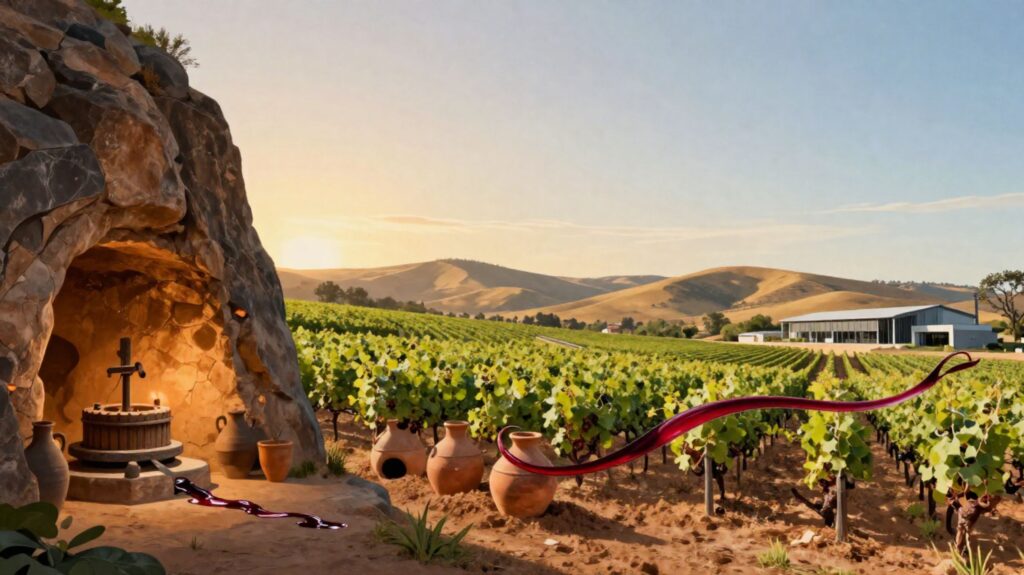
Wine has always sat at the intersection of nature and human ingenuity. Clay amphorae, oak barrels and glass bottles were once cutting‑edge technologies; today’s drones, sensors and AI are their modern counterparts. Looking back across that arc makes it clear that progress has never been about replacing tradition, but about finding new ways to protect and express what vineyards can offer.
For readers who care about authenticity, none of this needs to be threatening. The best producers are not using technology to homogenise wine, but to deepen their understanding of each site and to safeguard quality in a changing climate. Without these advances, many regions would struggle to maintain standards in the face of heatwaves, water stress and labour shortages. With them, the industry has a fighting chance to keep delivering wines that are not only delicious, but also traceable, sustainable and true to their origins.

 Shiraz
 Cabernet Sauvignon
 Pinot Noir
 Grenache
 Merlot
 Red Wine Blends
 Chardonnay
 Riesling
 Pinot Gris
 Semillon
 Viognier
 Grenache Rosé
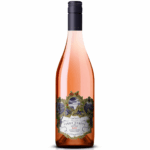 Pinot Noir Rosé
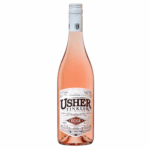 Shiraz Rosé
 Sangiovese Rosé
 Aglianico Rosé
 Clairette Rose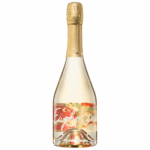
 Champagne
 Prosecco
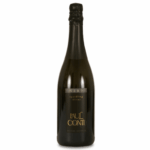 Sparkling Shiraz
 Blanc de Blanc
 Blanc de Noir
 Pet Nat
 Moscato
 Topaque
 Port
Port Sherry (dry & sweet)
 Muscat & Tokay
 Vermouth