 0473 644 098 · Mon–Fri 9am–5pm AESTHelp & FAQ


One Grape, Many Voices: How South Australia Makes Shiraz Taste So Different from Valley to Valley

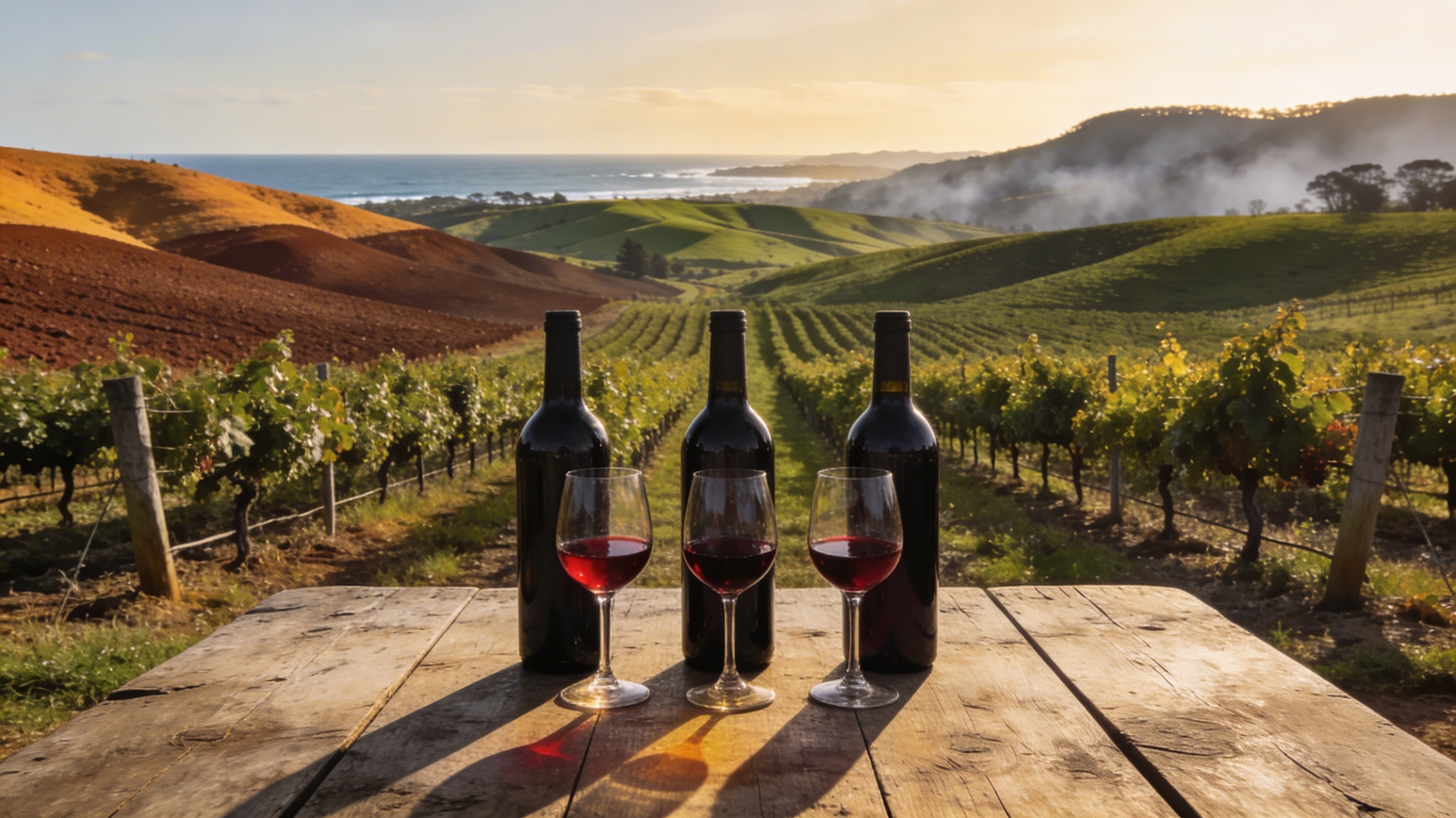
South Australia offers a masterclass in how one grape can speak with many voices. Put Shiraz from Barossa Valley, McLaren Vale, Adelaide Hills, Clare Valley, Coonawarra and Langhorne Creek side by side and the differences are not marketing; they are climate, altitude and soil written into the glass.
When the same grape lands in very different places
The first thing to remember is that Shiraz is extremely responsive to environment. Warm, low‑lying sites tend to give fuller‑bodied wines with riper fruit, softer acidity and more generous alcohol, whilst cooler or higher‑altitude vineyards pull the grape toward spice, perfume, tannin detail and freshness. South Australia compresses an enormous range of conditions into a relatively small area, especially around Adelaide, which is why regional character shows so clearly.
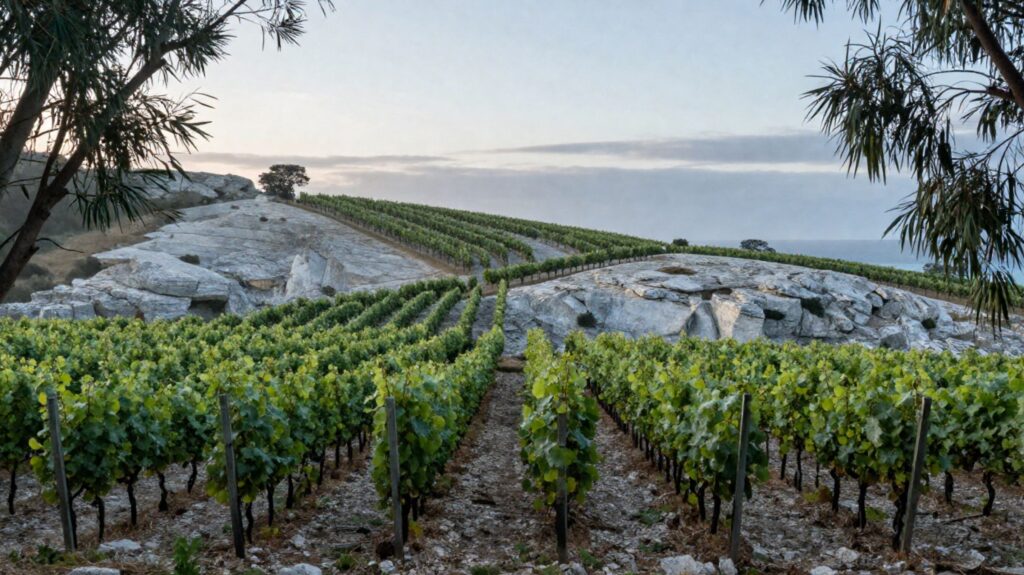
Within a drive of a couple of hours, vineyards move from near‑sea‑level heat in the Barossa floor to wind‑cooled coastal hills in McLaren Vale, then up into the higher, cooler reaches of the Adelaide Hills or the elevated, continental conditions of Clare and Eden Valleys. Further south, the Limestone Coast brings flatter country, maritime influence and limestone‑rich soils that imprint their own structural fingerprint on Shiraz.
Barossa Valley: low valleys, heat and old vines
Barossa Valley sits northeast of Adelaide, relatively low in altitude and shielded from the direct cooling influence of the ocean. The climate is warm and more continental with hot, dry summers, which pushes grapes to ripen easily and reliably. Soils on the valley floor are typically deep and fertile: rich dark clays and loams, often with ironstone and varying amounts of sand, which allow for vigorous growth if yields are not controlled.
Combine that warmth with some of the world’s oldest Shiraz vines and you get the textbook Barossa profile: full‑bodied, dense wines with black fruits, plum, dark chocolate, licorice and often a glossy, velvety texture. The tannins tend to be ripe and mouth‑coating rather than angular, and acidity is softer, which can make Barossa Shiraz feel plush and immediately generous compared with cooler regions. These conditions suit producers looking to craft powerful, ageworthy reds that can carry new oak and still feel balanced.
McLaren Vale: sea breezes, varied geology and savoury edges
McLaren Vale lies south of Adelaide, closer to Gulf St Vincent and more directly under maritime influence. The climate is Mediterranean, with warm days but cooler nights and regular sea breezes moderating extremes. Geology here is famously complex: red clays over limestone, ancient sands, ironstone‑studded slopes and pockets of loam that can shift markedly within short distances.
That complexity shows in the glass. McLaren Vale Shiraz is still rich and full, but often a shade fresher and more savoury than typical Barossa examples, with black and blue fruits, chocolate, olive tapenade, violets and sometimes a distinct earthy or mineral undertone from the limestone and ironstone. Tannins can feel slightly more structured or grainy, and the maritime influence tends to keep a little more natural acidity, which helps frame the fruit. Many winemakers use the varied soils to pick out specific blocks for brighter, more aromatic or more brooding expressions, which is why McLaren Vale has become such fertile ground for single‑vineyard Shiraz.


 $42.00
/ bottle
$252.00 for a case of 6
$42.00
/ bottle
$252.00 for a case of 6
 $31.17
/ bottle
$187.00 for a case of 6
$31.17
/ bottle
$187.00 for a case of 6
 $46.75
/ bottle
$561.00 for a case of 12
$46.75
/ bottle
$561.00 for a case of 12
Smallwater Estate Shiraz
Shipped by
Smallwater Estate, Geographe Wine Region
$46.75
/ bottle
$561.00 for a case of 12
 $17.42
/ bottle
$209.00 for a case of 12
$17.42
/ bottle
$209.00 for a case of 12
Killibinbin Sneaky Shiraz
Shipped by
Oatley Fine Wine Merchants
$17.42
/ bottle
$209.00 for a case of 12
 Hot
Hot
 $150.00
/ bottle
$900.00 for a case of 6
$150.00
/ bottle
$900.00 for a case of 6
 $17.00
/ bottle
$102.00 for a case of 6
$17.00
/ bottle
$102.00 for a case of 6
 252 pts
 Adelaide Hills: altitude, cool nights and spice
Adelaide Hills wraps around the city at altitudes from about 150 metres up to more than 700 metres above sea level, with most vineyards for red varieties sitting in the mid‑ranges. Altitude is the defining factor here; it drops average temperatures, elongates the growing season and preserves acidity. The climate is cool to mild overall, with significant differences between sheltered valleys and exposed ridges. Soils are typically shallow loams over clay, with patches of sandy or rocky material, more marginal and less fertile than the deep Barossa clays.
In Shiraz, this translates very clearly. Adelaide Hills wines tend to be medium‑bodied rather than full, with red and blue fruit, pepper, spice, lifted florals and a much more obvious line of acidity. Tannins are finer and more sinewy, oak is often used more gently, and alcohol levels sit lower. For drinkers used to Barossa weight, Hills Shiraz can feel almost like a different variety, closer in spirit to some Northern Rhône styles, which is precisely why many producers prize these sites for more perfumed, food‑friendly expressions.
Clare and Eden Valleys: elevation, continentality and structure
Clare Valley lies north of the Barossa zone in the Mount Lofty Ranges, with vineyards commonly between about 300 and 600 metres. It has a warm to hot continental climate but with cool nights thanks to elevation, giving strong diurnal range. Soils vary enormously: red loams over limestone on the classic ridges, slatey profiles, and shallower, rockier sites inland.
For Shiraz, that combination often yields deeply coloured, structured wines with dark berries, spice, sometimes a ferrous or slate‑like edge and firm, ageworthy tannins. The cooler nights help hold acidity, so even powerful Clare Shiraz can feel tauter and more linear than the most opulent Barossa styles. Eden Valley, technically part of the broader Barossa zone but sitting at higher elevations, offers something similar but often with even more perfume and pepper, as the additional height cools ripening further. Clare and Eden are particularly good for drinkers who want intensity and longevity with a little more backbone and detail.
Coonawarra and the Limestone Coast: terra rossa and cool air
Shift south to the Limestone Coast and conditions change again. Coonawarra sits on a long, narrow strip of famous terra rossa soil: rich red clay over limestone, with a cool to moderate maritime climate influenced by the Southern Ocean. The region is better known for Cabernet Sauvignon, but Shiraz performs strongly here as well, especially on well‑drained sites.
Terra rossa over limestone tends to give wines with fine, persistent tannins, bright acidity and a certain “straight‑spined” feel, even when fruit is ripe. Coonawarra Shiraz often shows more red and black cherry, spice and savoury notes rather than the chocolate and plum of Barossa, with a fresher finish and medium to full body. The cooler climate also means harvest can be later, and in cooler years Shiraz here can take on almost peppery, herbal nuances that appeal to drinkers looking for restraint and structure.
Langhorne Creek and surrounds: fertile flats and juicy generosity
Langhorne Creek, part of the broader Fleurieu zone alongside McLaren Vale, sits on relatively flat land near Lake Alexandrina and the Bremer River. The climate is warm but moderated by afternoon breezes funnelling up from the Southern Ocean across the lake, which help to cool the vines. Soils are generally deep, fertile alluvial deposits over limestone, capable of producing generous crops if yields are not curtailed.
Here Shiraz tends toward bright, juicy fruit, supple tannins and earlier approachability. Black and red berries, chocolate, some spice and a plush, medium‑ to full‑bodied palate are common, with less overt concentration than top Barossa but enormous drinkability and value. Langhorne Creek is particularly strong for producers who want to craft blends, using its generous, fruit‑driven Shiraz to soften and fill out more structural components from other regions.
How climate, altitude and soil appear in the glass
Putting all of this together, three threads keep reappearing. Warmer, lower sites (Barossa floor, parts of McLaren Vale and Langhorne Creek) drive sugar accumulation and thicker skins, which translates to higher alcohol, richer textures and softer, more enveloping tannins. Cooler or higher‑altitude sites (Adelaide Hills, Clare and Eden) slow ripening, building spice, floral aromatics, firmer tannins and higher acidity, which reads as brightness and line rather than sheer weight.
Soil then shapes how that fruit and structure present. Deep, fertile clays and loams often give rounder, more opulent fruit profiles, whilst limestone and rockier, poorer soils introduce tension, savoury nuances and pronounced tannin shape. Terra rossa over limestone, in particular, seems to lend a distinctive combination of ripe fruit and firm, fine tannins that set places like Coonawarra apart. For Shiraz, this means that even at the same level of ripeness, a Barossa clay, a McLaren Vale limestone slope and a Coonawarra terra rossa strip will all tell quite different stories in the glass.
Which regions excel at which expressions
For pure power and depth, Barossa Valley remains the reference: concentrated Shiraz built for long ageing and capable of absorbing high‑quality new oak. For richness laced with savoury complexity and a little extra freshness, McLaren Vale is particularly strong, especially where vineyards sit on limestone and ironstone, and where careful viticulture reins in yields. Adelaide Hills offers medium‑bodied, peppery, perfumed Shiraz that suits drinkers seeking elegance, spice and food‑friendliness rather than sheer size.
Clare and Eden Valleys shine for structured, ageworthy styles that bridge intensity and freshness, often appealing to those who enjoy the idea of a more “continental” take with firm tannin and long, savoury finishes. Coonawarra and the Limestone Coast bring cooler‑climate framing and limestone‑driven structure, making them compelling for drinkers who want Shiraz with shape, line and a slightly more restrained personality. Langhorne Creek, finally, excels at generous, approachable wines that deliver immediate pleasure and often excellent value, and it remains a quiet source of blending components that underpin many South Australian labels.
Here is a simple snapshot of how these key regions differ for Shiraz:



 Shiraz
 Cabernet Sauvignon
 Pinot Noir
 Grenache
 Merlot
 Red Wine Blends
 Chardonnay
 Riesling
 Pinot Gris
 Semillon
 Viognier
 Grenache Rosé
 Pinot Noir Rosé
 Shiraz Rosé
 Sangiovese Rosé
 Aglianico Rosé
 Clairette Rose
 Champagne
 Prosecco
 Sparkling Shiraz
 Blanc de Blanc
 Blanc de Noir
 Pet Nat
 Moscato
 Topaque
 Port
Port Sherry (dry & sweet)
 Muscat & Tokay
 Vermouth