 0473 644 098 · Mon–Fri 9am–5pm AESTHelp & FAQ


Healthiest Wine to Drink: Best Red Wines for Heart Health, Weight Loss and Skin

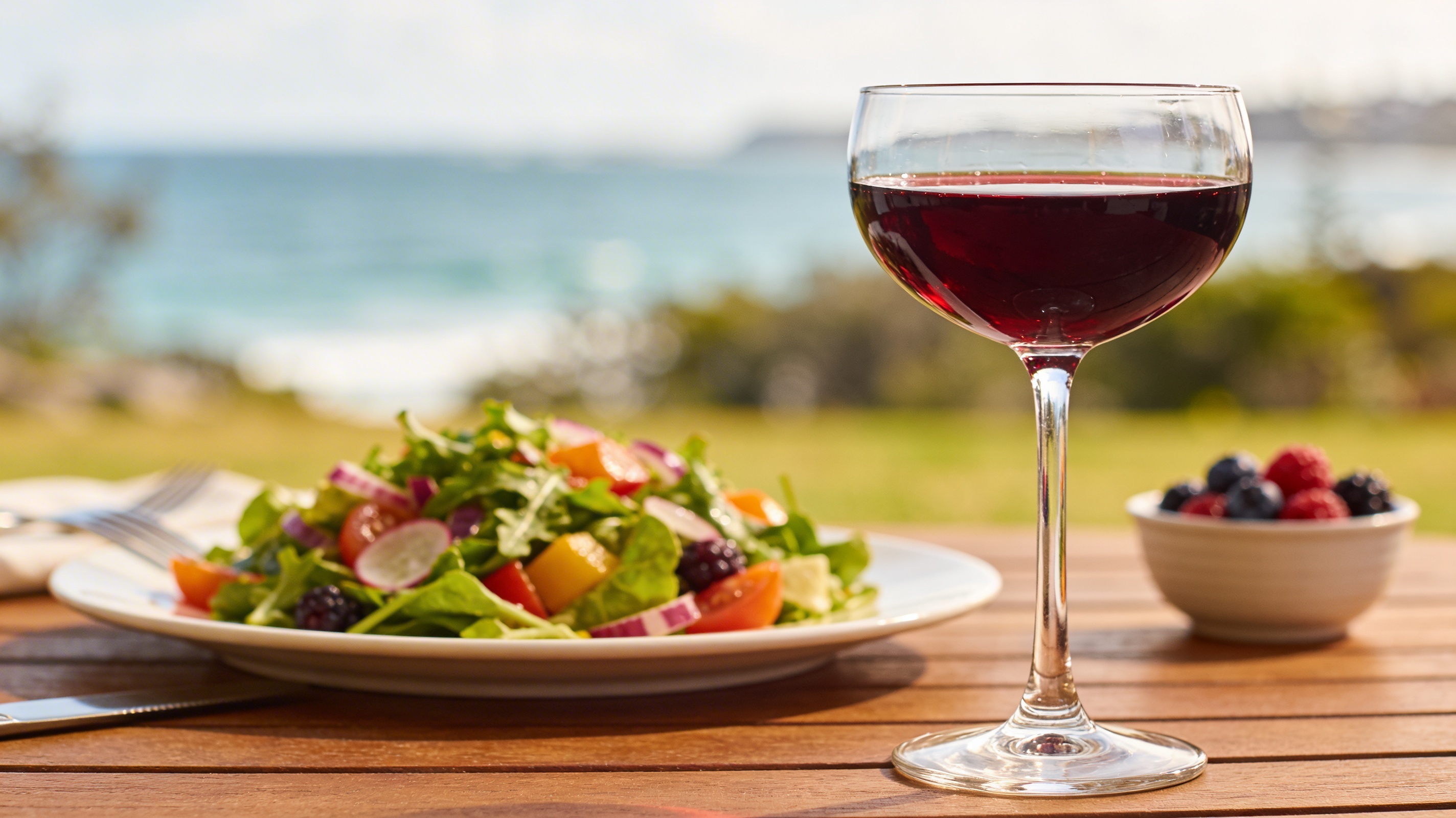
The core answer stays the same: if someone already drinks and has no medical reasons to avoid alcohol, a small glass of dry, lower‑alcohol red wine such as Pinot Noir is usually the best choice for health.
How wine can fit into a healthy lifestyle
Here is the simple truth: wine can sit inside a healthy lifestyle, but it should never be the star of the show. Fresh food, movement, sleep and not smoking matter far more than whatever is in the glass.
When wine is added on top of an already solid routine, some studies suggest that small amounts of wine, especially red, are linked with better heart health than either heavy drinking or not drinking and then bingeing on weekends. Experts now stress that this is about overall patterns, not magic in the bottle.
Health organisations also keep tightening advice on alcohol. Current guidance in Australia says to stay under ten standard drinks a week and no more than four in any one day, and even then, drinking less lowers risk further. So even the “right” wine only looks sensible when the quantity stays modest.
Why red wine usually gets the health halo
Red wine keeps being mentioned in health conversations because of what comes from the grape skins. Leaving the skins in contact with the juice gives red wine its colour and brings along natural compounds that act as gentle body‑guards for the heart and blood vessels. The best known name here is resveratrol, but it is only one part of a much bigger group.
What matters for a normal drinker is not memorising those names, but understanding the general pattern. Dry red wines have more of these protective grape elements than white, rosé or sparkling. Lighter red styles such as Pinot Noir can offer a good balance: plenty of these natural compounds but not too much alcohol if the producer keeps the strength moderate.
Doctors and heart experts now tend to say this: any good that red wine might do can usually be matched, and often beaten, by eating more colourful plants, using olive oil, exercising and not smoking. Wine, at best, is a small bonus on top of real health habits, not a substitute for them.
Comparing the main styles in everyday language
Rather than thinking about wine as “good” or “bad,” it helps to compare the broad styles people actually drink when they buy wine and bring it into their weekly routine.
Seen this way, the natural “health‑conscious” picks are dry reds and very dry sparkling wines, served in small glasses and not every night. In an Australian context, that might mean a cool‑climate Pinot Noir from the Yarra Valley instead of a big, ripe Barossa Shiraz as the regular mid‑week bottle, and perhaps an extra‑brut sparkling rather than sweeter styles when celebrating.

$36.17
/ bottle
$434.00 for a case of 12
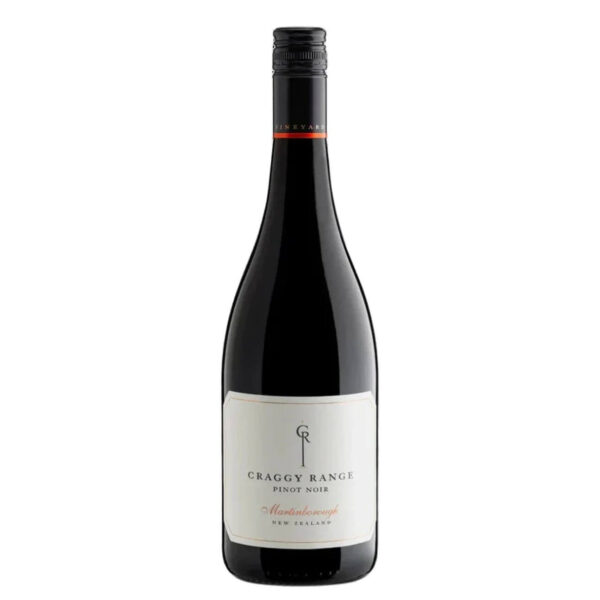
Craggy Range Martinborough Pinot Noir
$36.17
/ bottle
$434.00 for a case of 12
 434 pts

$25.33
/ bottle
$304.00 for a case of 12

$54.67
/ bottle
$656.00 for a case of 12
$46.00
/ bottle
$276.00 for a case of 6
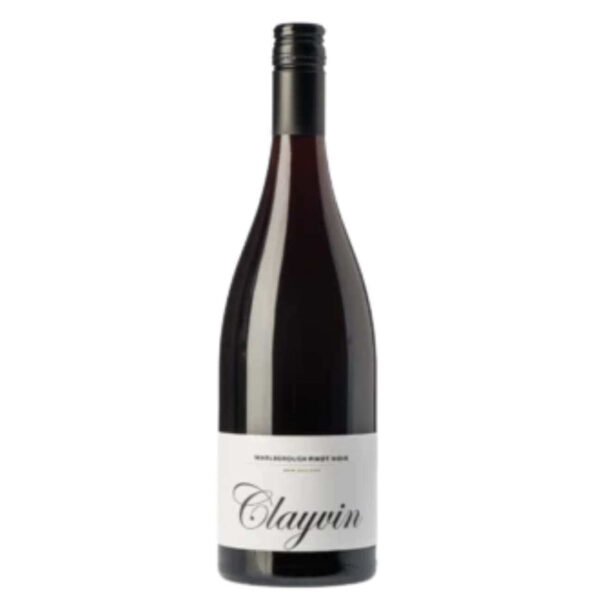
Giesen Single Vineyard Clayvin Pinot Noir
$46.00
/ bottle
$276.00 for a case of 6

$32.83
/ bottle
$197.00 for a case of 6
Palliser Estate Pencarrow Pinot Noir
$32.83
/ bottle
$197.00 for a case of 6
$30.50
/ bottle
$366.00 for a case of 12
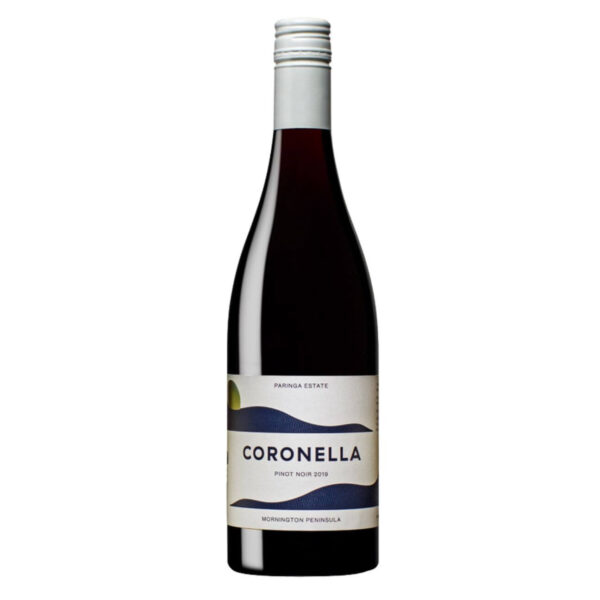
Paringa Estate Coronella Pinot Noir
$30.50
/ bottle
$366.00 for a case of 12
What is the best wine for weight loss
Weight questions are more about how much energy is in the glass than what grape variety is on the label. Most of the calories in wine come from alcohol, with sugar adding a bit more on top. This means that a big high‑alcohol red will quietly deliver more calories than a lighter, dry wine, even if neither tastes sweet.
If someone is actively trying to lose weight, the friendliest wines are those that tick three boxes: lower alcohol, very little or no sweetness, and naturally smaller pours. Dry sparkling wine often fits this brief because flutes are smaller than regular wine glasses and many brut or extra‑brut styles contain little sugar. Dry, lower‑alcohol whites and lighter reds can also work if the serving size stays honest.
There is no escaping the maths, though. Every glass counts towards the total for the day. For serious weight loss, the best tactic is usually to drink wine less often, not just to tweak the style. Many people find it helpful to choose two or three “wine nights” per week and stay dry on the others, so that both calories and alcohol are kept in check.
Best wine for health and skin
Skin has its own set of rules, and they are not always kind to wine. Alcohol dries the body out and widens blood vessels in the face, which is why cheeks flush and small veins can become more visible over time. For people with conditions such as rosacea, both red and white wine can trigger flares, although some research points the finger more strongly at white wine and spirits in women.
On the brighter side, there are hints that small amounts of wine, especially organic dry red, might support good blood flow and help skin look more elastic when the rest of someone’s lifestyle is on point. The problem is that once drinking creeps above a small daily glass, the downsides for skin quickly outpace any subtle benefit. Sleep suffers, hormones wobble and the skin pays the price.
For anyone mainly worried about their complexion, the “kindest” approach is either no wine at all or an occasional small glass of dry red alongside plenty of water, a gentle skincare routine and close attention to whether any redness or breakouts follow. Sugary wines, heavy drinking and late‑night sessions are firmly in the “skin saboteur” camp.
So which wine should a health‑conscious drinker actually choose
When all of this is pulled together in simple language, a clear pattern appears. The healthiest choice is always to drink less often and in smaller amounts, no matter what colour or style of wine is in the glass. When someone chooses to drink, certain styles make more sense than others.
For most adults who already enjoy wine and have no medical reasons to avoid alcohol, the most balanced option is an occasional 100–150 ml glass of dry, lower‑alcohol red wine, with Pinot Noir and other lighter dry reds being especially sensible everyday choices. Dry sparkling or lighter whites can be smarter picks when weight is a major concern, thanks to smaller pours and low sugar. Across all of this, the key idea is that wine should be a small, thoughtful pleasure sitting on top of an already healthy life, not the tool someone leans on to create health in the first place.








 Shiraz
 Cabernet Sauvignon
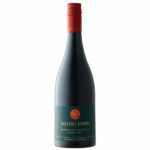 Pinot Noir
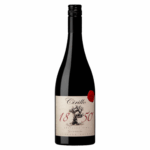 Grenache
 Merlot
 Red Wine Blends
 Chardonnay
 Riesling
 Pinot Gris
 Semillon
 Viognier
 Grenache Rosé
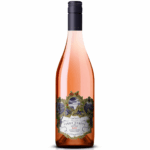 Pinot Noir Rosé
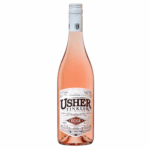 Shiraz Rosé
 Sangiovese Rosé
 Aglianico Rosé
 Clairette Rose
 Champagne
 Prosecco
 Sparkling Shiraz
 Blanc de Blanc
 Blanc de Noir
 Pet Nat
 Moscato
 Topaque
 Port
Port Sherry (dry & sweet)
 Muscat & Tokay
 Vermouth