 0473 644 098 · Mon–Fri 9am–5pm AESTHelp & FAQ


Wine Terms Explained: Common Wine Slang, Tasting Phrases and Winemaking Words

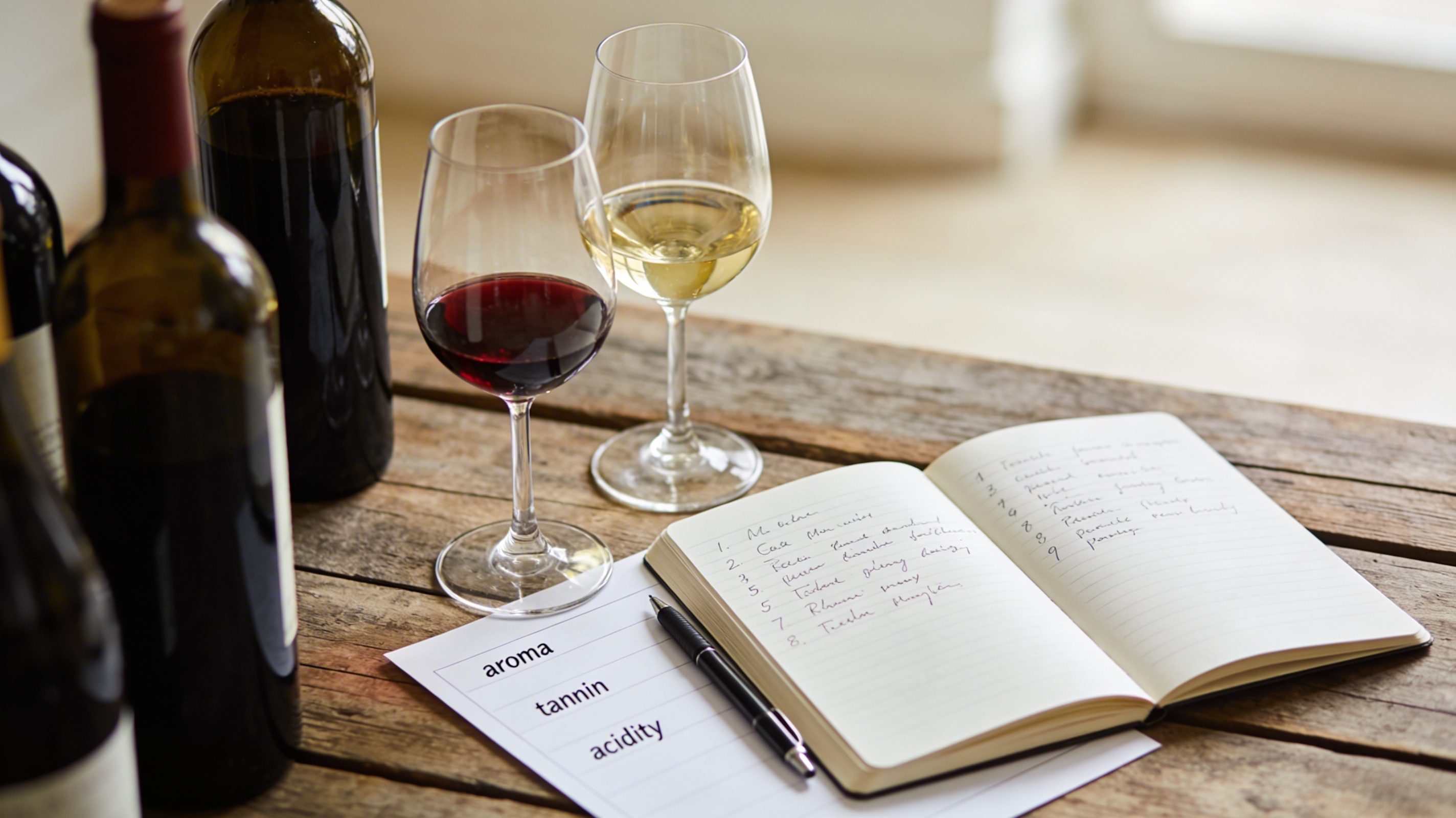
The wine trade speaks its own language, and once someone understands the shorthand, the whole world of wine suddenly feels much more accessible instead of intimidating. This article walks through the key phrases heard in tastings, at cellar doors and in winemaking sheds, and shows how to use them naturally in real conversations.
Wine lingo and phrases
“Wine lingo” tends to cluster around how a wine smells, tastes and feels, plus how people talk about style and quality. Once these words become familiar, it is much easier to follow along in a tasting or describe what is in the glass with confidence.
One of the most common words is “nose,” which simply means the smell or aroma of a wine. In a live setting, someone swirling a glass might say, “The nose is really fragrant, lots of red cherry and spice.” A newcomer can mirror this by taking a sniff and trying, “On the nose I get lemon and a bit of floral,” even if the description is simple.
“Palate” refers to how the wine tastes and feels in the mouth. When a sommelier says, “On the palate it is medium‑bodied with bright acidity,” they are really just describing weight and freshness. In practice, a drinker could say, “On the palate this feels quite light and refreshing,” or “It’s fuller on the palate than I expected.”
“Tannins” are another favourite piece of lingo, especially with red wine. Tannins are the compounds that create that drying, slightly grippy feeling on the gums and tongue, a bit like strong tea. At a tasting, an industry person might say, “The tannins are fine and silky,” meaning they feel smooth rather than harsh. In a practical setting, a drinker could say, “I like this because the tannins are gentle, not too drying.”
“Acidity” is the fresh, mouth‑watering quality that stops wine from feeling flat or heavy. High acidity makes the mouth water, like biting into a green apple or lemon. When someone says, “This Riesling has racy acidity,” they mean it feels very zesty and refreshing. At a dinner, a useful phrase is, “This cuts through the richness of the food because the acidity is high.”
“Body” describes how heavy or light the wine feels, similar to comparing skim milk, full‑cream milk and cream. A “light‑bodied” wine feels delicate, a “full‑bodied” wine feels rich and weighty. In conversation, it is enough to say, “I prefer lighter‑bodied reds; this feels pretty full‑bodied to me.” Having that language in mind makes it much easier to choose between styles when you buy wine for a dinner party or want a bottle that suits lighter food.
Industry people also talk about “structure,” which is the overall framework of acidity, tannin, alcohol and body. When someone says, “The wine has good structure,” they mean these elements are in balance and give the wine shape. A practical way to use this is simply, “It feels really balanced; nothing sticks out.”
“Finish” is how long the flavours last after swallowing. A “long finish” means the taste lingers pleasantly, a “short finish” disappears quickly. At a tasting, noting the finish is as simple as pausing after a sip and saying, “The citrus flavour really stays on the finish,” or “It drops away quite quickly.”
Two words that often confuse newcomers are “dry” and “sweet.” In wine, “dry” does not mean rough; it usually means there is little or no residual sugar. A wine can taste fruity but still be technically dry. In a live setting, clarifying this is very helpful: “It smells sweet but actually tastes dry, which is why it works so well with food.”
Finally, people in the trade talk about “complexity” and “balance” as markers of quality. “Complex” means there are many different scents and flavours, which change in the glass. “Balanced” means no single element (alcohol, oak, sweetness, acidity) dominates. A useful, simple phrase for a guest is, “I keep noticing new things as I smell and taste; it feels very balanced.”
 $38.83
/ bottle
$233.00 for a case of 6
$38.83
/ bottle
$233.00 for a case of 6
 $32.83
/ bottle
$197.00 for a case of 6
$32.83
/ bottle
$197.00 for a case of 6
 $58.67
/ bottle
$352.00 for a case of 6
$58.67
/ bottle
$352.00 for a case of 6
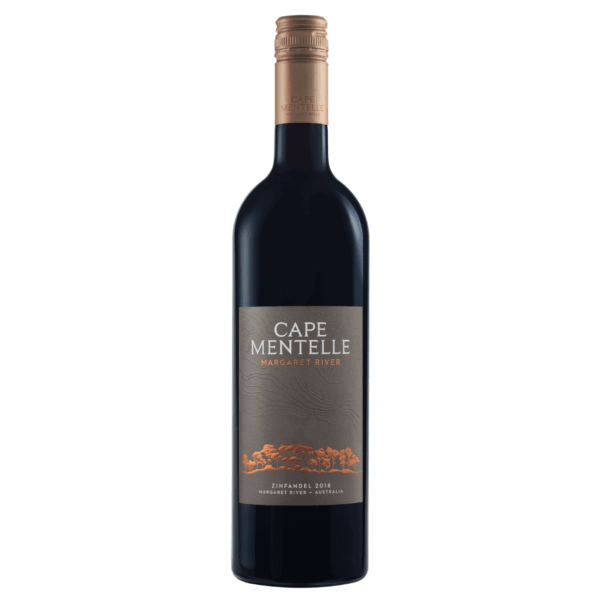
Cape Mentelle Zinfandel
Shipped by
Oatley Fine Wine Merchants
$58.67
/ bottle
$352.00 for a case of 6
 $25.17
/ bottle
$151.00 for a case of 6
$25.17
/ bottle
$151.00 for a case of 6

 $42.00
/ bottle
$252.00 for a case of 6
$42.00
/ bottle
$252.00 for a case of 6
 $31.17
/ bottle
$187.00 for a case of 6
$31.17
/ bottle
$187.00 for a case of 6
 233 pts
 How professionals talk about style
Beyond basic tasting terms, wine people rely on a whole set of stylistic labels. Understanding these helps decode lists, back labels and cellar‑door conversations without needing to ask every time.
“Old World” and “New World” are classic examples. “Old World” usually refers to European regions with long history, such as France and Italy. “New World” covers places like Australia, New Zealand and the Americas. In a live setting, someone might say, “This has a more Old World feel, more savoury and restrained,” or “Very New World, lots of ripe fruit and generous oak.”
“Minerality” is another favourite, especially when talking about whites and cool‑climate reds. The word is slippery, but most people use it for stony, salty, flinty impressions rather than fruit or flower notes. At a tasting, a relaxed way to use it is, “There is something a bit stony or mineral here, almost like wet rocks.”
When people say a wine is “fruit‑forward,” they simply mean the main impression is ripe fruit rather than oak or savoury notes. “Elegant” usually means lighter, finer and more restrained, while “opulent” or “rich” suggests bigger fruit and more generous texture. To sound natural in conversation, a guest might say, “I usually like more elegant styles, but this richer one works with the steak.”
“Terroir” appears frequently in serious wine talk. It is shorthand for the natural factors that shape a wine: soil, climate, slope and local conditions. When someone says, “This wine shows its terroir,” they mean you can taste something distinctive about the place it came from. In practice, it is enough to say, “You can really sense the cool‑climate feel here, that is the terroir people talk about.”
“Typicity” is another insider term, referring to how well a wine matches the classic character of its grape or region. A sommelier might say, “This has great typicity for Adelaide Hills Sauvignon Blanc.” In simpler terms, that means, “This tastes like a textbook example of that style.”
Words associated with wine making
Once someone steps from tasting room to winery, the vocabulary shifts again. Now the focus is on how the wine is actually produced, and many of these terms end up on labels and in tasting notes.
“Fermentation” is simply the process where yeast turns grape sugar into alcohol and carbon dioxide. When winemakers mention “cool fermentation” for whites or rosé, they are signalling a focus on preserving bright, fresh fruit. In conversation, a host might explain, “We fermented this cool in stainless steel to keep it fresh and aromatic,” giving guests a clear picture of the intention.
“Malolactic” or “malo” is shorthand for malolactic conversion, which turns sharper malic acid (think green apple) into softer lactic acid (think cream). This often makes wines feel rounder and can bring buttery notes, especially in Chardonnay. When a staff member says, “This Chardonnay went through full malo,” a useful follow‑up to guests is, “That is why it feels creamier and softer, with a little butteriness.”
“Oak” looms large in winemaking language. “Barrel‑fermented” means the wine was fermented in oak barrels rather than tanks, often adding texture and subtle oak notes. “Barrel‑aged” means the wine spent time maturing in barrel after fermentation. “New oak” gives stronger flavour (vanilla, toast, spice), while “old oak” is more about gentle oxygen contact with less flavour impact. In a live setting, this becomes, “This saw some old French oak, so you get texture and subtle spice without big, obvious vanilla.”
“Punch‑down” and “pump‑over” are two common red‑wine cellar terms. Both refer to how the winemaker manages the cap of skins that floats on top during fermentation. Punch‑downs involve pushing the cap down by hand or with a tool. Pump‑overs involve pumping juice up over the cap. Staff can bring guests into the process by saying, “We use gentle punch‑downs to keep tannins fine and not too harsh.”
“Whole bunch” and “whole berry” are phrases that increasingly appear in tasting notes, particularly for Pinot Noir and cool‑climate Shiraz. “Whole bunch” means the stems are included in the ferment, which can add perfume and a slight stalky spice. “Whole berry” means the grapes are left mostly intact, encouraging a lighter, juicier character. At cellar door, an easy explanation is, “We used some whole bunches to give that lifted floral note and a bit of savoury spice.”
“Lees” refers to the dead yeast cells and grape solids that settle after fermentation. “Lees contact” or “sur lie” ageing means the wine has been left on these lees to build texture and sometimes a bready, nutty note. “Lees stirring” (bâtonnage) mixes them back into the wine. For guests, this can be translated as, “We aged it on lees and stirred them, which is why the texture feels creamier and there is a hint of brioche.”
“Fining” and “filtering” are parts of the cleaning‑up stage. Fining adds a substance that binds with unwanted particles so they can be removed. Filtering physically strains the wine. When a label boasts “unfined and unfiltered,” it usually implies a more hands‑off, sometimes slightly cloudy style. Staff can gently clarify: “This is unfined and unfiltered, so it keeps a bit more texture and character, but you might see a light haze.”
Putting the language to work in real life
Knowing the words is only half the battle; feeling comfortable using them in front of others is where confidence grows. The easiest way is to borrow the structure used by professionals: start with appearance, move to nose, then palate and finish, and finally an overall impression.
In practice, that might sound like: “It looks quite pale and bright. On the nose I get lemon and a bit of green apple. On the palate it is light‑bodied with fresh acidity, and the finish is clean and short. Overall it feels very easy‑drinking and refreshing.” This uses core lingo without sounding forced or overly technical.
At a cellar door in Adelaide Hills or McLaren Vale, engaging with staff using a few of these terms instantly deepens the conversation. Asking, “Did this see much new oak?” or, “Did you use any whole bunches?” invites a more detailed, respectful explanation than simply saying, “I like it.” Over time, this shared language becomes a bridge between casual drinkers and industry professionals, turning tastings from intimidating rituals into live, two‑way discussions about flavour, place and craft. It also turns online shopping into something more deliberate, so that when you buy wine online you can filter by style and structure rather than just guessing from the label.
 Shiraz
 Cabernet Sauvignon
 Pinot Noir
 Grenache
 Merlot
 Red Wine Blends
 Chardonnay
 Riesling
 Pinot Gris
 Semillon
 Viognier
 Grenache Rosé
 Pinot Noir Rosé
 Shiraz Rosé
 Sangiovese Rosé
 Aglianico Rosé
 Clairette Rose
 Champagne
 Prosecco
 Sparkling Shiraz
 Blanc de Blanc
 Blanc de Noir
 Pet Nat
 Moscato
 Topaque
 Port
Port Sherry (dry & sweet)
 Muscat & Tokay
 Vermouth