 0473 644 098 · Mon–Fri 9am–5pm AESTHelp & FAQ


Bringing a Bottle to a Dinner Party: How to Get It Right Every Time


Bringing wine to a dinner party is less a token gesture and more a chance to shape the evening, whether the bottle is opened immediately or saved for another day. Choosing well means thinking beyond “something the host can drink later” to “something that could quietly become the spine of the night.”
When your bottle becomes part of the night
Here is where things get interesting. A guest’s bottle can either disappear into the kitchen “for later” or be welcomed straight onto the table. Australian commentators on wine etiquette often suggest making the intention clear at the door: if the bottle is a contribution for the evening, say so; if it is a host gift with no expectation it will be opened, say that instead. This simple distinction already changes what sort of wine makes sense to bring.
If the bottle might be opened there and then, versatility matters more than sheer prestige. Sommeliers and writers consistently argue that for mixed company, wines with balance, moderate alcohol and gentle structure tend to work better than polarising styles. In other words, the “right” bottle is one that can comfortably join a range of dishes, yet still be interesting enough to justify opening later on a quiet Tuesday if it is set aside.
Thinking like a considerate guest, not a label collector
The more thoughtful Australian etiquette advice focuses less on impressing and more on reading the room. That means asking a few quiet questions before pulling a bottle from the rack. Is this a roast-lamb-at-table affair, or a help-yourself spread around the kitchen island. Are the hosts casual drinkers who gravitate toward fresh, fruit‑driven wines, or collectors likely to have decanters breathing on the sideboard.
Writers in publications such as Club Oenologique and local Australian outlets often come back to three practical filters. First, match the weight of the wine to the likely food (lighter wines with lighter dishes, more structure with richer food). Second, err toward versatility, especially when the menu is unknown. Third, remember that your bottle is also a conversation starter, so something with a story, a region or a grape worth talking about tends to land better than the loudest label.
Best red wine for a dinner party
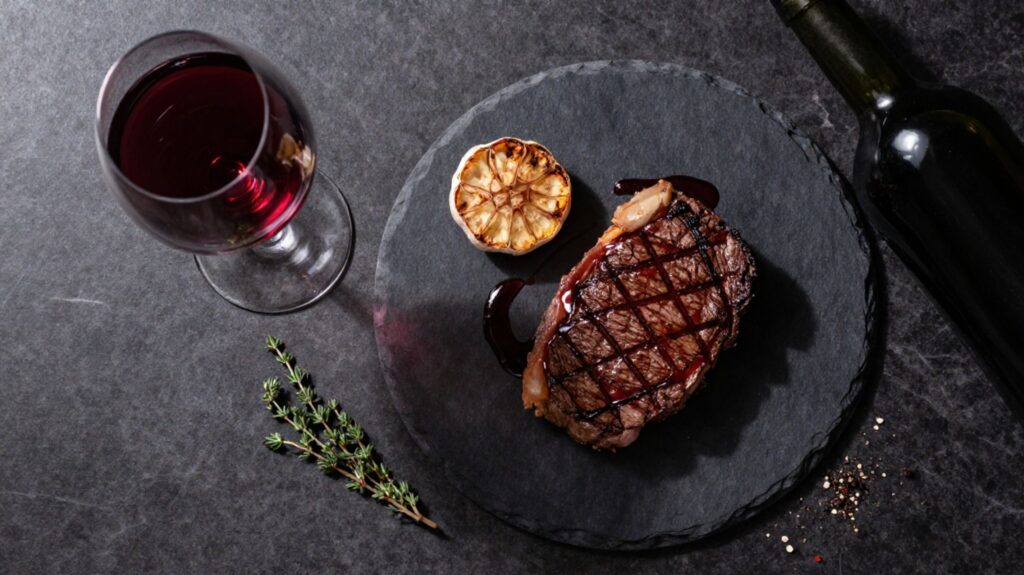
When the brief is “bring a red that could be poured now or later”, international and Australian guidance points toward styles that major on fruit, freshness and supple tannin rather than extraction. Pinot Noir, Malbec and Grenache‑based blends are all frequently recommended for groups because they can sit comfortably beside a wide spectrum of food.
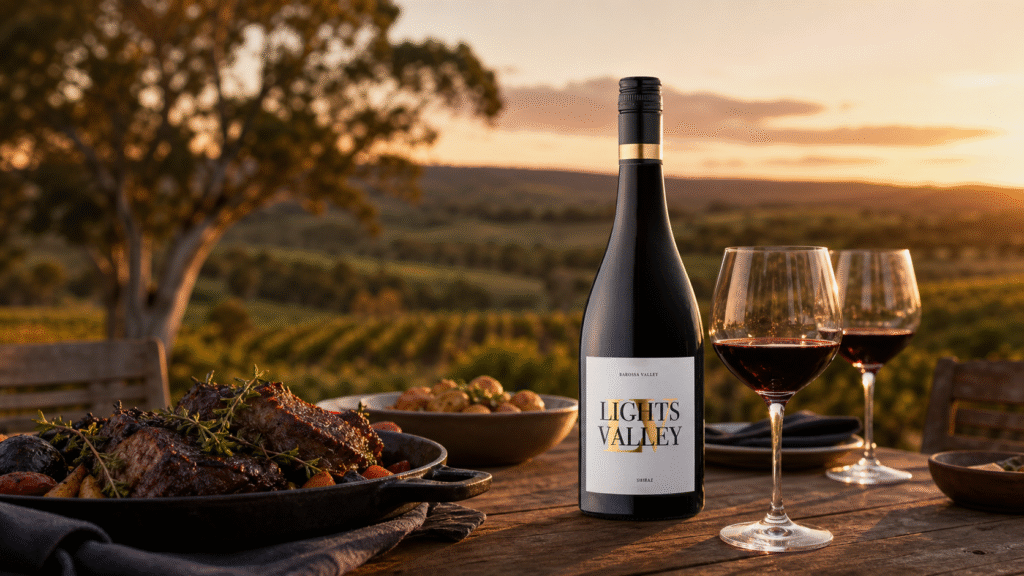
For an Australian reader, that might translate to a cool‑climate Pinot Noir from regions such as Yarra Valley or Tasmania, where red fruit, savoury spice and bright acidity give the wine enough interest on its own but allow it to glide alongside duck, salmon or mushroom dishes. Where a heartier table is expected, a modern, medium‑bodied Shiraz or Grenache blend from McLaren Vale or Barossa, made in a fresher, less heavily oaked style, can bridge everything from grilled lamb to hard cheeses without fatiguing guests.
In all these cases, the point is not simply to bring a “big” red. It is to bring a red that the host can confidently slot into the running order that night, or shelve for a future meal, without worrying that it will clash with everything else.
 $31.00
/ bottle
$186.00 for a case of 6
$31.00
/ bottle
$186.00 for a case of 6
Lowe Wines Jodie Wilbetree Sparkling Rosé
Shipped by
Lowe Family Wine Co
$31.00
/ bottle
$186.00 for a case of 6
 $29.17
/ bottle
$175.00 for a case of 6
$29.17
/ bottle
$175.00 for a case of 6
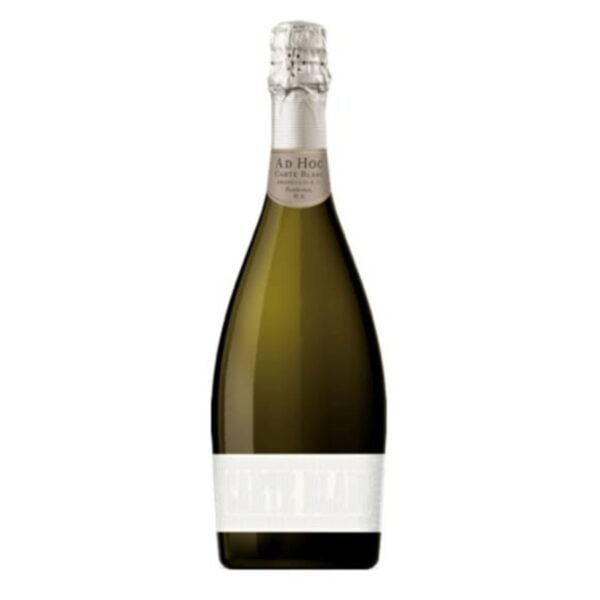
Ad Hoc ‘Carte Blanc’ Prosecco NV
Shipped by
Oatley Fine Wine Merchants
$29.17
/ bottle
$175.00 for a case of 6
 $44.17
/ bottle
$265.00 for a case of 6
$44.17
/ bottle
$265.00 for a case of 6
Hungerford Hill Cardinal Sparkling Shiraz NV
Shipped by
Hungerford Hill
$44.17
/ bottle
$265.00 for a case of 6
 $22.25
/ bottle
$267.00 for a case of 12
$22.25
/ bottle
$267.00 for a case of 12
 $24.58
/ bottle
$295.00 for a case of 12
$24.58
/ bottle
$295.00 for a case of 12
 $19.50
/ bottle
$117.00 for a case of 6
$19.50
/ bottle
$117.00 for a case of 6
 186 pts
 Best white wine for a dinner party
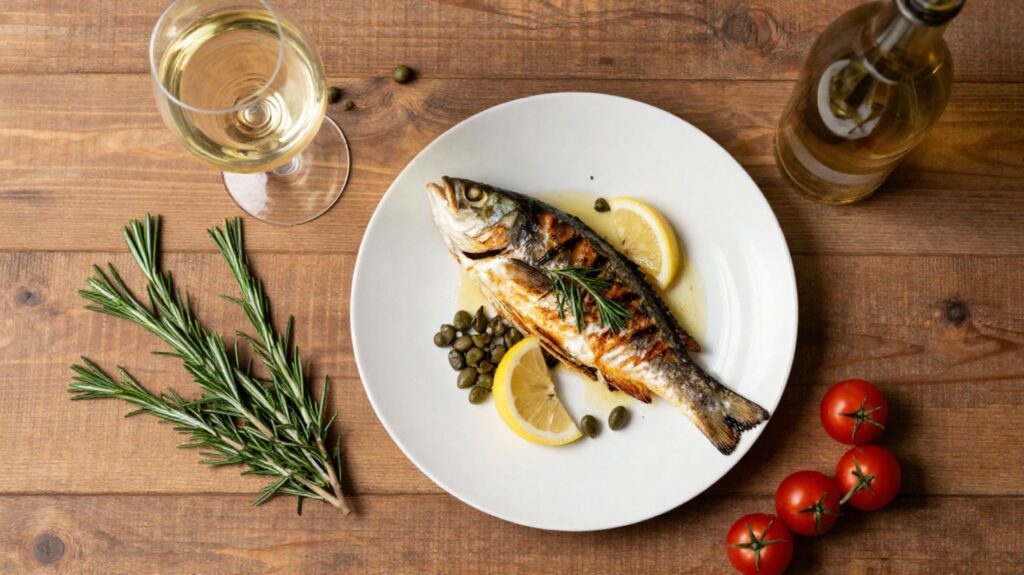
The most reliable whites for a dinner party tend to be those that sit in the middle ground: neither aggressively oaky nor obviously sweet, with enough acidity to refresh the palate. Commentators repeatedly suggest Chenin Blanc, balanced Chardonnay and dry Riesling as dependable, food‑friendly options for groups.
For Australian tables, a well‑judged, lightly oaked Chardonnay from regions such as Margaret River or the Adelaide Hills can serve double duty as aperitif and main‑course partner, especially with poultry, creamy sauces or richer seafood, and it is easier than ever to buy Chardonnay online and have the right style ready in the rack for these occasions.
When sparkling or sweet is the secretly brilliant move
Here is something genuinely fascinating: many guides focus so heavily on red versus white that they neglect the two styles that can most easily slip into almost any point of the evening, sparkling and dessert wines. A well‑chosen sparkling, whether a traditional‑method non‑vintage from Champagne or a serious Australian sparkling from Tasmania, works as an opening gesture with snacks and can just as happily reappear later with fried food or salty cheese.
Meanwhile, dessert wines are consistently described as “overlooked” in dinner‑party planning, despite being one of the easiest ways to elevate the close of the meal. A half bottle of late‑harvest Riesling, Sauternes‑style blend or Australian Tawny Port can be left for the hosts to open with a future pudding, or poured on the night over a simple plate of blue cheese and dried fruit. This is not party wine. This is wine that quietly signals the guest has thought about the entire arc of the evening, not just the main course.




 Shiraz
 Cabernet Sauvignon
 Pinot Noir
 Grenache
 Merlot
 Red Wine Blends
 Chardonnay
 Riesling
 Pinot Gris
 Semillon
 Viognier
 Grenache Rosé
 Pinot Noir Rosé
 Shiraz Rosé
 Sangiovese Rosé
 Aglianico Rosé
 Clairette Rose
 Champagne
 Prosecco
 Sparkling Shiraz
 Blanc de Blanc
 Blanc de Noir
 Pet Nat
 Moscato
 Topaque
 Port
Port Sherry (dry & sweet)
 Muscat & Tokay
 Vermouth