 0473 644 098 · Mon–Fri 9am–5pm AESTHelp & FAQ


Puglian Wines – The Sun, the Soil, and the Sea and Why This is Italy’s Most Exciting Wine Frontier

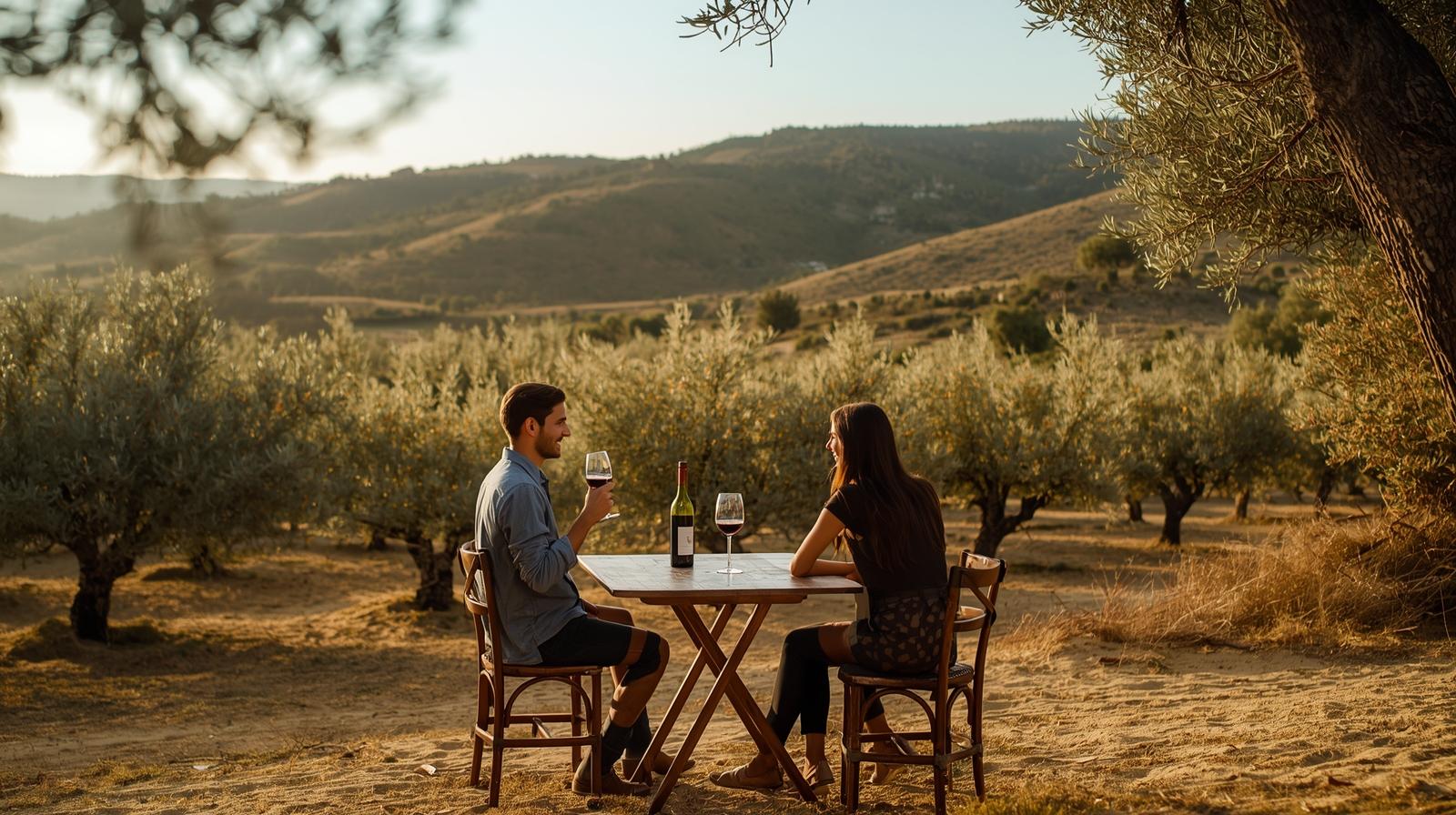
For decades, Puglia was known as “the cellar of Europe.” It was the place where northern Italians and French producers quietly bought tankards of dark, high-alcohol juice to add colour and muscle to their thinner vintages. It was wine for blending, not for bottling.
But the days of bulk wine are over. Today, Puglia (the heel of Italy’s boot) is undergoing a renaissance that rivals anything happening in Sicily or Tuscany. Driven by a generation of winemakers who are reclaiming ancient indigenous grapes and embracing their unique terroir, Puglia has transformed from a volume producer into a land of distinctive, terroir-driven wines that offer incredible value and complexity.
As Novella Pastorelli, President of the Consortium for the Protection of Primitivo di Manduria, explains: “The terroir plays a fundamental role. The Primitivo vine has found an ideal environment in the production area of the PDO Manduria, where it manages to express exceptional characteristics.”
This is a land of blinding white limestone, red earth (terra rossa), and ancient olive trees, flanked by two seas, the Adriatic and the Ionian. It is Italy’s sunniest region, yet the constant sea breeze keeps the vines fresh, creating wines that are ripe but surprisingly elegant.
The Holy Trinity: Primitivo, Negroamaro, and Nero di Troia
To understand Puglia, you must understand its three great red grapes. Unlike Tuscany’s Sangiovese which grows everywhere, Puglia is divided into three distinct viticultural zones, each ruled by a different variety.
1. Primitivo: The King of Manduria
Location: The south, specifically around Manduria and Taranto.
Primitivo is genetically identical to California’s Zinfandel, but don’t expect jammy fruit bombs. In its spiritual home of Manduria, Primitivo is savoury, earthy, and profound. The best examples come from ancient bush vines (alberello) that look like small trees growing directly out of the red, iron-rich soil.
Giovanni Aiello, an independent winemaker in Castellana Grotte known as the “Enologist for Love,” notes the deep history here: “Puglia was one of the first wine regions in Europe. We have a 2,800-year history of wine production. But in the last century it was almost destroyed.” Aiello represents the new wave, focusing on small-batch Primitivo that emphasizes freshness over pure power.
What to expect:
Primitivo di Manduria is powerful. It often hits 15% or 16% alcohol, but the best ones balance this weight with acidity. Look for notes of dried figs, tobacco, leather, and dark cherries. It is a winter wine for rich stews and hard cheeses.
 $33.50
/ bottle
$201.00 for a case of 6
$33.50
/ bottle
$201.00 for a case of 6
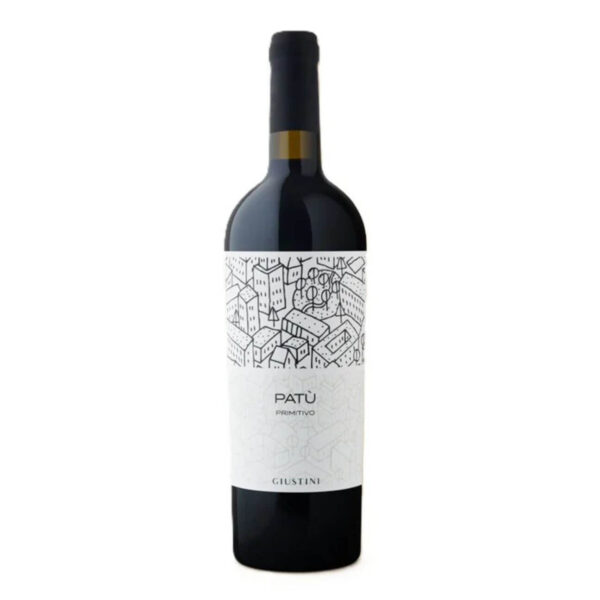
Giustini "Patù" Primitivo
Shipped by
Dispensing Solutions Fine Wine
$33.50
/ bottle
$201.00 for a case of 6

 $29.75
/ bottle
$357.00 for a case of 12
$29.75
/ bottle
$357.00 for a case of 12
 $28.17
/ bottle
$169.00 for a case of 6
$28.17
/ bottle
$169.00 for a case of 6
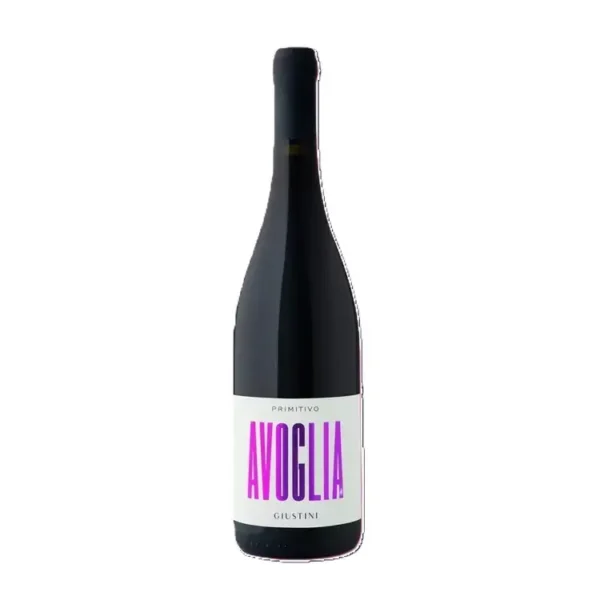
Giustini "Avoglia" Primitivo
Shipped by
Dispensing Solutions Fine Wine
$28.17
/ bottle
$169.00 for a case of 6
 $40.08
/ bottle
$481.00 for a case of 12
$40.08
/ bottle
$481.00 for a case of 12
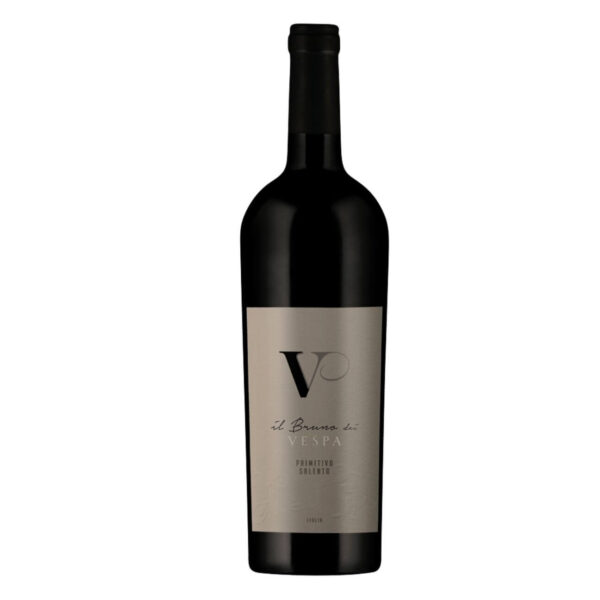
Vespa II Bruno dei Vespa Primitivo Salento IGT
Shipped by
Single Vineyard Sellers
$40.08
/ bottle
$481.00 for a case of 12
 $30.00
/ bottle
$180.00 for a case of 6
$30.00
/ bottle
$180.00 for a case of 6
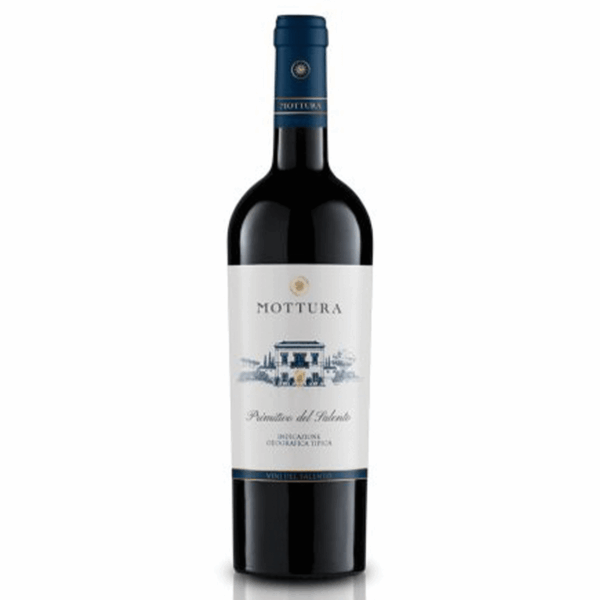
Mottura Primitivo del Salento IGT
Shipped by
Single Vineyard Sellers
$30.00
/ bottle
$180.00 for a case of 6
 $32.00
/ bottle
$192.00 for a case of 6
$32.00
/ bottle
$192.00 for a case of 6
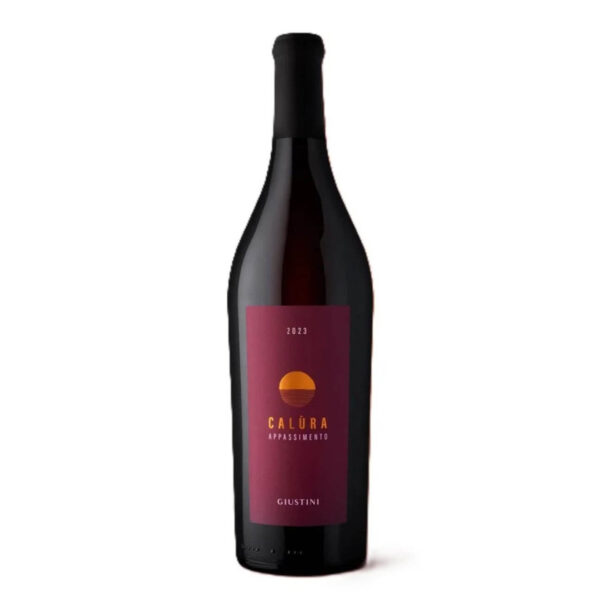
Giustini "Calùra" Appassimento Rosso
Shipped by
Dispensing Solutions Fine Wine
$32.00
/ bottle
$192.00 for a case of 6
 201 pts
 2. Negroamaro: The Dark Bitter One
Location: The Salento Peninsula (the very tip of the heel).
If Primitivo is the king of the west, Negroamaro rules the Salento peninsula in the east. The name literally translates to “black bitter” (from Latin niger and Greek mavro), which hints at its character. It is the backbone of the famous Salice Salentino DOC.
Salvatore de Falco of Cantine de Falco in Lecce describes the grape’s modern potential: “We were struck by the purity of the fruit character here – the fabulous, clean-cut expression that fills the glass. The understanding of this place and the vines has been passed on seamlessly.”
What to expect:
Negroamaro is rustic and earthy. It smells of black plums, thyme, and damp soil. It typically has a firm tannic grip and a distinctive, slightly bitter finish (like dark chocolate or walnuts) that makes it an incredible food wine. It is arguably the most “authentic” taste of the Puglian countryside.
3. Nero di Troia: The Elegant North
Location: Castel del Monte and the north (near Bari).
For a long time, Nero di Troia (also called Uva di Troia) was the forgotten grape, mostly because it is difficult to grow and ripens late. But in the limestone hills of Castel del Monte, it produces Puglia’s most elegant, floral, and age-worthy wines.
Roberto Perrone Capano of the Santa Lucia estate highlights the grape’s power: “In just 72 hours this grape releases such an amount of polyphenols! That’s surprising… thick, full of personality and tannic.”
What to expect:
If Primitivo is Zinfandel and Negroamaro is rustic, Nero di Troia is the Pinot Noir of the south (albeit with more tannin). It is perfumed with notes of violets, star anise, and red berries. It has high acidity and refined tannins, making it the choice for those who find the southern wines too heavy.
The Culture of “Alberello”: Farming the Sun
The defining image of Puglian wine is the alberello (little tree) training system. Unlike modern vineyards where vines are strung along wires, traditional Puglian vines grow as free-standing bushes.
This is an ancient Greek method designed for survival. The leaves create a canopy that shades the grapes from the fierce sun, while the low stature protects the vine from the strong Scirocco winds blowing from Africa. It is labour-intensive, everything must be done by hand, but it produces grapes of superior concentration.
Severino Garofano, the legendary winemaker often called the “father of Negroamaro,” spent his career fighting to save these old vines. Though he passed away recently, his philosophy remains the benchmark for quality in the region: “The future of Puglia lies in its past. We must respect the old vines and the traditional varieties, for they are the only ones truly adapted to our climate.”
Beyond Red: The Rise of Rosato
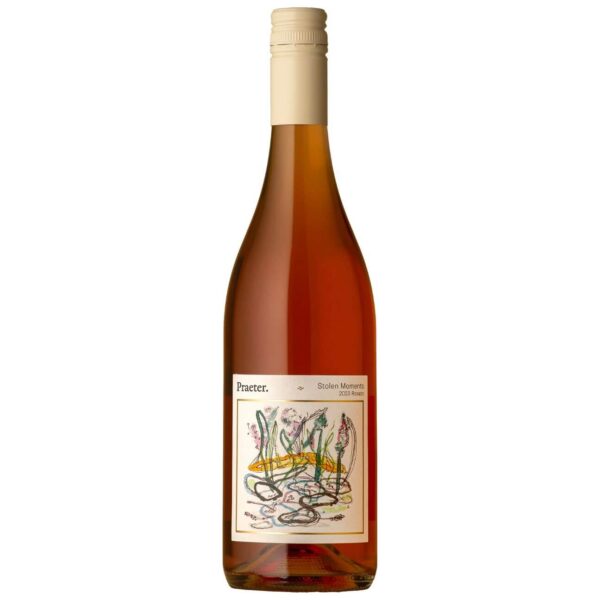
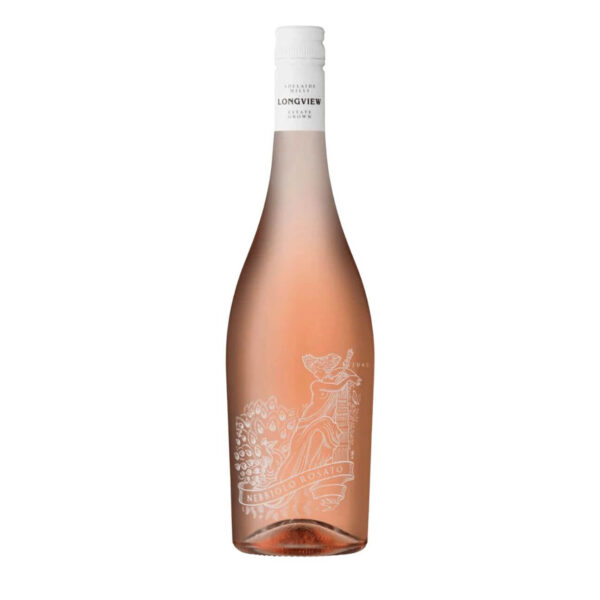
It would be a mistake to ignore pink wine here. Puglia produces Italy’s finest Rosato (rosé). Historically, this was a by-product, the juice bled off red wines to concentrate them. Today, it is a serious category.
Made primarily from Negroamaro, Puglian Rosato is not the pale, whisper-light Provence style. It is a vibrant cherry-pink, bursting with flavour and structure. It is drunk year-round in Puglia, paired with everything from raw seafood (crudo) to Orecchiette with turnip tops.
 $24.33
/ bottle
$146.00 for a case of 6
$24.33
/ bottle
$146.00 for a case of 6
 $19.42
/ bottle
$233.00 for a case of 12
$19.42
/ bottle
$233.00 for a case of 12

 $45.00
/ bottle
$270.00 for a case of 6
$45.00
/ bottle
$270.00 for a case of 6

 $22.50
/ bottle
$135.00 for a case of 6
$22.50
/ bottle
$135.00 for a case of 6
 $36.00
/ bottle
$432.00 for a case of 12
$36.00
/ bottle
$432.00 for a case of 12
 $23.83
/ bottle
$286.00 for a case of 12
$23.83
/ bottle
$286.00 for a case of 12
What to Drink Now
If you are exploring Puglia, look for these names on the label to ensure you are getting the “new” Puglia, not the old bulk wine.
-
Gianfranco Fino: His “Es” Primitivo is a cult wine that changed the perception of the region. It is expensive, massive, and utterly unique.
-
Polvanera: A master of Primitivo from the Gioia del Colle zone (higher altitude, limestone soils), producing wines of startling freshness and minerality without oak.
-
Rivera: The pioneers of the Castel del Monte zone. Their “Puer Apuliae” (Nero di Troia) is a benchmark for the variety.
-
Tormaresca: The Antinori family’s project in Puglia. They bring Tuscan precision to Puglian grapes, producing reliably excellent wines across all price points.
-
Morella: A boutique biodynamic producer in Manduria making Primitivo of breathtaking purity from very old vines.
Puglia is no longer just a source of cheap blending wine. It is a region of dramatic landscapes, ancient grapes, and passionate winemakers who are finally bottling the sun. As you pour a glass of Negroamaro or Primitivo, you are tasting one of Europe’s oldest wine cultures, finally getting its moment in the sun.
 Shiraz
 Cabernet Sauvignon
 Pinot Noir
 Grenache
 Merlot
 Red Wine Blends
 Chardonnay
 Riesling
 Pinot Gris
 Semillon
 Viognier
 Grenache Rosé
 Pinot Noir Rosé
 Shiraz Rosé
 Sangiovese Rosé
 Aglianico Rosé
 Clairette Rose
 Champagne
 Prosecco
 Sparkling Shiraz
 Blanc de Blanc
 Blanc de Noir
 Pet Nat
 Moscato
 Topaque
 Port
Port Sherry (dry & sweet)
 Muscat & Tokay
 Vermouth