 0473 644 098 · Mon–Fri 9am–5pm AESTHelp & FAQ


Stop Drinking Only Rioja – The 3 Spanish Wine Regions You’re Missing Out On

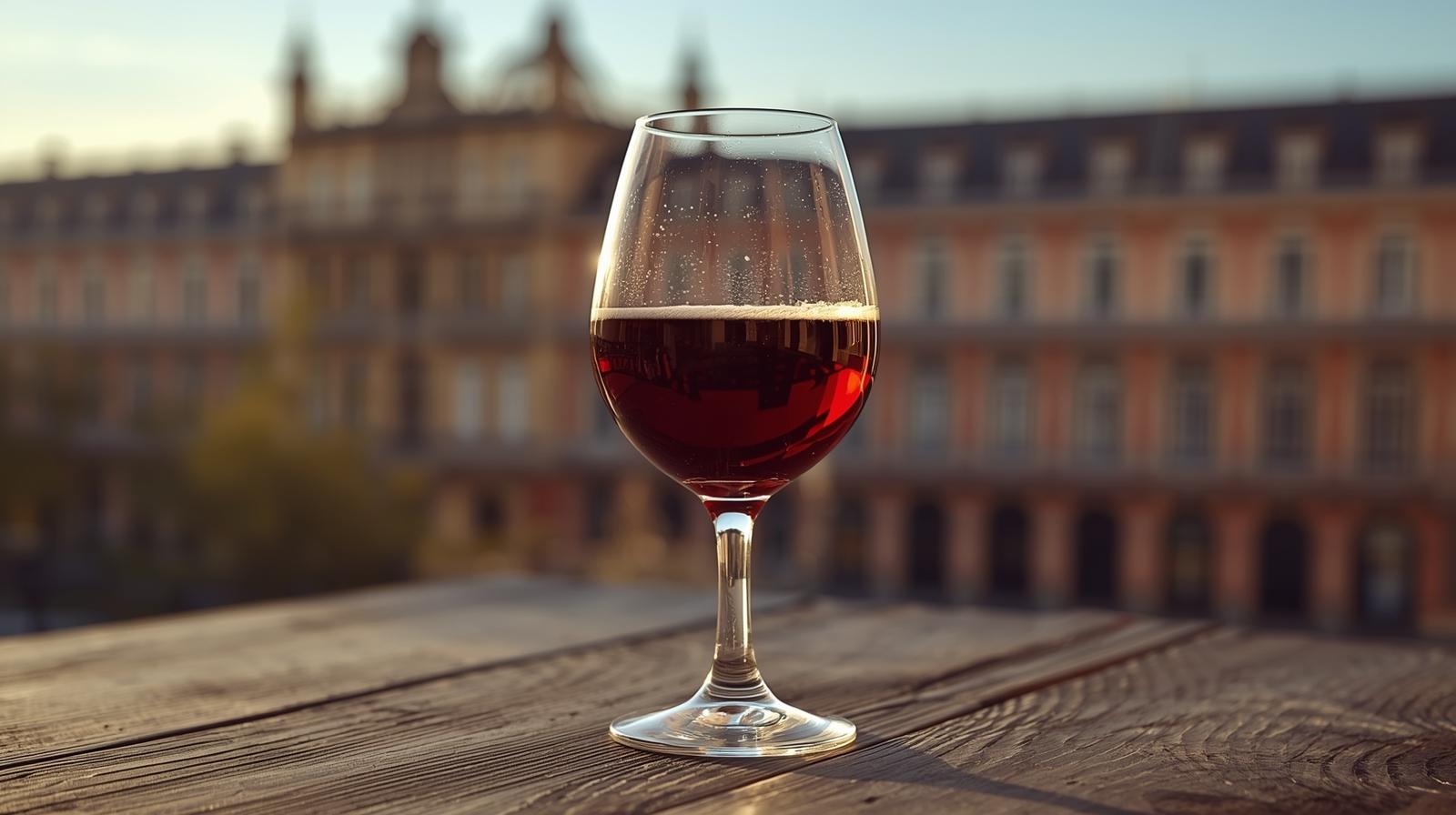
For decades, asking for a Spanish red meant one thing: Rioja. And fair enough. The region’s oak-aged Tempranillo is a global benchmark for a reason. Walk into any wine shop across the world, and Rioja occupies prime shelf space. It’s reliable, elegant, and approachable. But sticking only to Rioja is like visiting Australia and refusing to drink anything outside the Barossa Valley, or going to Italy and skipping everything but Tuscany.
The truth is this: Spain is experiencing a winemaking renaissance that has largely flown under the radar of mainstream wine culture. From the slate slopes of Catalonia to the high-altitude plains of Ribera del Duero and the mist-soaked coast of Galicia, the country is producing wines of staggering diversity. The “new” Spain isn’t just about cheap and cheerful party wines; it’s about terroir-driven, world-class bottles that rival the best of France and Italy, often at half the price.
As Ferran Centelles, former sommelier at elBulli and Spanish wine expert for Jancis Robinson, puts it: “Spain has undergone a revolution. We are moving from a country of wood and extraction to a country of terroir and elegance. We are finally believing in our own soil.”
If you are ready to expand your Spanish repertoire and discover bottles that will genuinely excite you, here are the three regions you need to know right now.
1. Ribera del Duero: Where Tempranillo Gets Muscular
For the lover of: Barossa Shiraz, Napa Cabernet, Modern Rioja
If Rioja is the elegant diplomat, Ribera del Duero is the rockstar. Located on a high plateau north of Madrid, this region deals in extremes: scorching summers that bake the earth, freezing winters that can drop below minus 15 degrees Celsius, and dramatic altitude.
Surviving the Plateau
The region sits on the brutal plateau of the Duero River valley. This isn’t the forgiving Atlantic-influenced climate of Rioja’s Basque Country. This is continental Spain at its most unforgiving. The vines here don’t just survive, they struggle. That struggle creates character.
Peter Sisseck, the Danish winemaker behind the legendary Pingus (one of Spain’s most expensive wines), explains why this harsh climate is crucial: “Ribera is an extreme place. You have the altitude, the sun, and the cold nights. This gives you something very rare: ripeness and power, but also immense freshness. You don’t get that combination in many places on earth.”
Architecture in a Glass
It’s still Tempranillo (locally called Tinto Fino), but it’s nothing like the strawberry-scented, vanilla-kissed Rioja you know. The grapes here develop thicker skins to protect themselves from the intense sun, resulting in wines that are darker, broodier, and more powerful. Expect black cherry, dark chocolate, black pepper, and muscular tannins that grip your mouth. Where Rioja might offer elegance, Ribera delivers architecture.
Why the Rusticity is Gone
Ribiera del Duero has shaken off its rustic reputation. Modern producers are tempering the region’s natural power with restraint. Pablo Álvarez, owner of Vega Sicilia, notes the shift: “We are not looking for the heaviest wine possible anymore. We are looking for the truth of the vintage. Ribera has power naturally; our job is to find the elegance inside that power.”
Producers to Know:
-
Vega Sicilia: The “Unico” is a bucket-list wine, but “Valbuena 5°” offers a taste of the legend for less.
-
Emilio Moro: Polished, modern, and consistent.
-
Dominio del Águila: Organic, old-vine wines that are redefining the region.
2. Priorat: The Vertical Vineyards of Catalonia
For the lover of: Châteauneuf-du-Pape, Old Vine Grenache, Natural Wine
In the 1980s, Priorat was a forgotten backwater. Today, it is one of only two regions in Spain to hold the prestigious DOCa status (the other is Rioja). What happened? A group of visionaries realized that the region’s steep, terrifyingly difficult slopes were goldmines for old-vine Garnacha (Grenache) and Cariñena (Carignan).
Black Slate and Impossible Slopes
Priorat is defined by Llicorella, a unique black slate that sparkles in the sun. The slopes are so steep that harvesting requires hand-picking; tractors simply cannot navigate them.
René Barbier, the pioneer behind Clos Mogador, describes the connection between the soil and the wine: “The roots have to go down 10, 15, 20 meters through the slate to find water. That struggle gives the wine its soul. You can taste the stone in the glass.”
Hot Rocks and Sun-Baked Herbs
Priorat is massive, mineral-driven, and high in alcohol (often 14.5 to 16 percent). But here’s the surprise: despite the power, there’s a strange, cooling freshness thanks to that slate soil. The wines smell like hot rocks, sun-baked herbs, and dark berries. They are almost volcanic in character.
Alvaro Palacios, whose L’Ermita is one of Spain’s most famous wines, captures the region’s mystique: “Priorat is not about fruit. It is about energy. It is about the vibration of the soil. When you drink a great Priorat, you are drinking the history of the earth here.”
Producers to Know:
-
Alvaro Palacios: His “Camins del Priorat” is the perfect gateway drug.
-
Clos Mogador: Dense, powerful, and age-worthy.
-
Mas Martinet: Sara Pérez makes elegant, refined Priorat that emphasizes terroir over brute power.
3. Galicia: The White Wine Revolution of “Green Spain”
For the lover of: Riesling, Sauvignon Blanc, Mineral-driven whites
Forget the reds for a moment. The most exciting white wine revolution in Europe is happening in the cool, rainy, green corner of Northwest Spain. This is “Green Spain,” a region that looks more like Ireland than Madrid.
Beyond Simple Albariño (Rías Baixas)
You’ve heard of Albariño. But the best examples are no longer simple seaside quaffers. Serious producers are making textured, age-worthy wines.
Eulogio Pomares, winemaker at Zárate, has been a leader in this shift: “For a long time, people thought Albariño had to be drunk young. That is a mistake. With age, Albariño loses the simple fruit and gains the sea. It becomes salty, complex, and serious. It is a world-class grape.”
The Godello Resurrection (Valdeorras)
Godello was nearly extinct in the 1970s, but it has roared back. It combines the texture of a white Burgundy with the freshness of a crisp Chablis.
Rafael Palacios (Alvaro’s brother), who makes some of the best white wines in Spain, says of the grape: “Godello is a sponge for the soil. It transmits the granite and the slate directly. It has the texture of a great Chardonnay but with a uniquely Galician freshness.”
Producers to Know:
-
Pazo de Señorans (Rías Baixas): Their “Selección de Añada” proves Albariño can age for a decade.
-
Rafael Palacios (Valdeorras): His “As Sortes” is consistently rated among Spain’s best whites.
-
Forjas del Salnés: Salty, razor-sharp wines that taste like the Atlantic.
The “Next” Big Things: 4 Emerging Regions to Watch
If you want to stay ahead of the curve, keep an eye on these rising stars:
-
Bierzo (for Mencía): A red grape that tastes like a cross between Pinot Noir and Cabernet Franc.
-
Gredos (for Garnacha): High-altitude, ethereal reds that taste more like Pinot Noir.
-
Jumilla (for Monastrell): Rich, spicy, meaty reds that offer incredible value.
-
Toro (for Tempranillo): Rustic, powerful reds that are less oaky than Rioja.
 Shiraz
 Cabernet Sauvignon
 Pinot Noir
 Grenache
 Merlot
 Red Wine Blends
 Chardonnay
 Riesling
 Pinot Gris
 Semillon
 Viognier
 Grenache Rosé
 Pinot Noir Rosé
 Shiraz Rosé
 Sangiovese Rosé
 Aglianico Rosé
 Clairette Rose
 Champagne
 Prosecco
 Sparkling Shiraz
 Blanc de Blanc
 Blanc de Noir
 Pet Nat
 Moscato
 Topaque
 Port
Port Sherry (dry & sweet)
 Muscat & Tokay
 Vermouth