 0473 644 098 · Mon–Fri 9am–5pm AESTHelp & FAQ


Soil to Glass: How Vineyard Soils Shape Wine Style, Flavour and Regional Identity

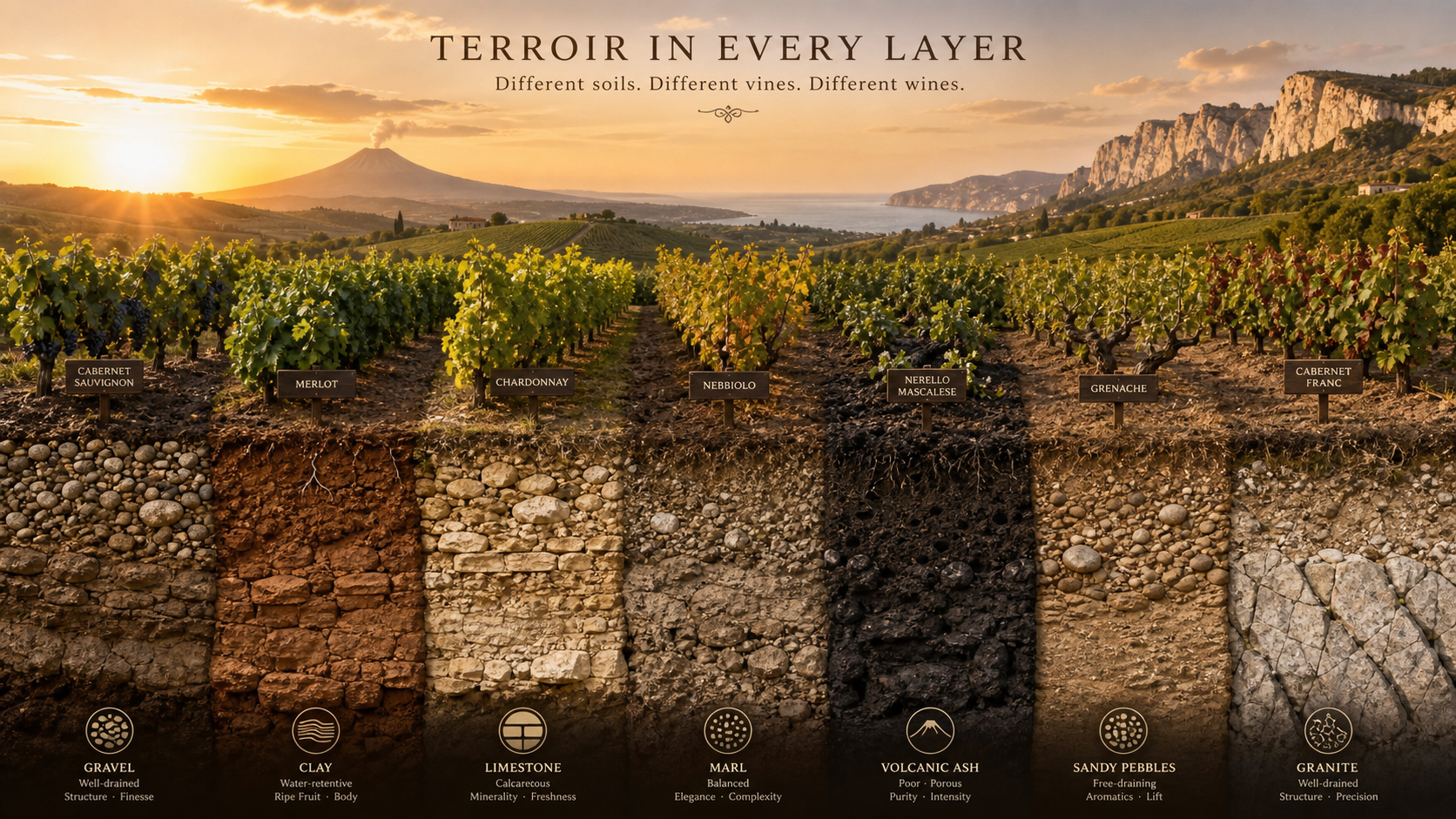
How Wine Soils Shape Flavour, Structure and Style
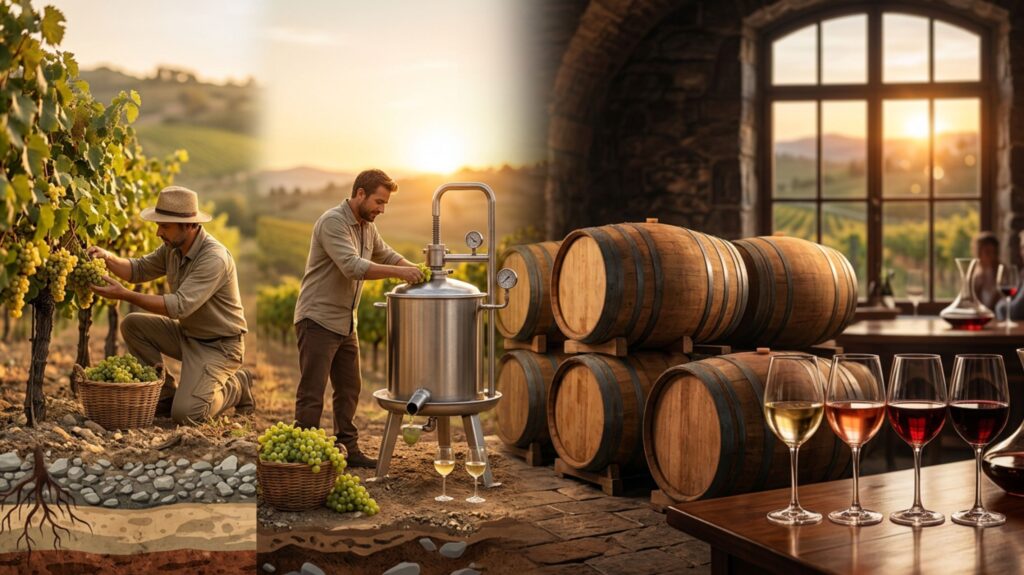
Soil is not just the stage on which vines grow; it is one of the quiet architects of wine style. Different soils influence how vines access water, how quickly grapes ripen, how deeply roots travel and even how long a finished wine can age. When certain regions become famous for a particular grape, it is usually because the match between variety and soil is unusually precise.
Using the key soil types from the “Sip by Soil” guide, this article explores how gravel, clay, limestone, chalk, marl, volcanic soils, sand and pebbles, and granite each leave a recognisable fingerprint on the wines enthusiasts love.
Gravel soils and Cabernet Sauvignon wine structure
Gravel is made up of small stones mixed with sand and silt, creating a loose, very well‑drained soil that warms quickly in the sun. Vines growing on gravel must push roots deep in search of water and nutrients, which naturally limits yields (fewer bunches per vine) and concentrates flavour in the grapes.
In the Médoc on Bordeaux’s Left Bank, gravel ridges have become the spiritual home of Cabernet Sauvignon. Cabernet Sauvignon ripens relatively late and benefits from the extra warmth held in gravel, which absorbs heat by day and gently releases it at night. Wines from these sites tend to show firm tannins (the mouth‑drying compounds from skins and pips), dark fruit and a linear, age‑worthy structure that can develop over decades. Australian readers might recognise a similar effect in regions like Coonawarra and parts of Margaret River, where free‑draining, stony soils give Cabernet Sauvignon clarity of line rather than sheer richness.
Clay soils, Merlot and plush, generous reds
Clay is fine‑grained and holds water and nutrients exceptionally well. In cool or temperate climates this can be a blessing, because vines have a steady supply of moisture during dry spells; in very wet years it risks waterlogging if drainage is poor. Clay tends to delay ripening slightly, which can soften acidity and promote a rounder mouthfeel in the finished wine.
On Bordeaux’s Right Bank, appellations like Pomerol and Saint‑Émilion feature deep clay and clay‑limestone soils that favour Merlot. Merlot’s naturally plump, plum‑like fruit and moderate tannin knit beautifully with clay’s tendency to produce wines that feel dense, velvety and plush on the palate. Compared with Cabernet Sauvignon on gravel, Merlot on clay often shows broader, more enveloping tannins and a richer mid‑palate; this is why Right Bank wines are frequently described as more “opulent” or “seductive,” even when they retain serious structure.
Limestone soils, Chablis and refined white wine finesse
Limestone is a sedimentary rock rich in calcium carbonate, often formed from ancient marine deposits. It tends to provide excellent drainage yet holds enough moisture in cracks and fissures to sustain vines through dry periods. Limestone soils are frequently associated with wines that feel precise, with fresh acidity and a certain saline or “mineral” edge.
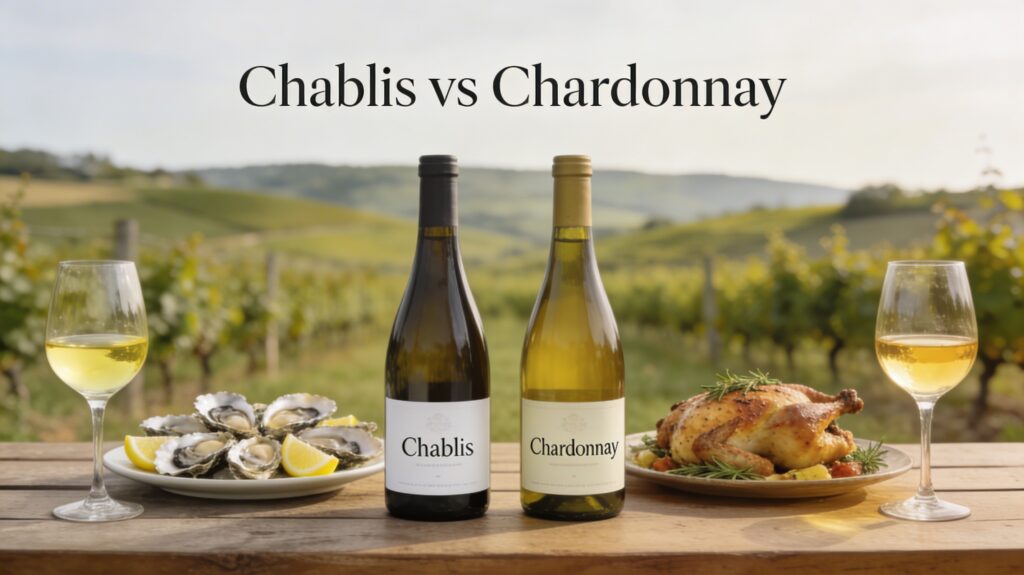
The classic example is Chablis, where Chardonnay grows on limestone and clay marl from the Kimmeridgian and Portlandian ages, scattered with fossils of tiny oysters and other marine organisms. Producers in Chablis frequently credit this Kimmeridgian limestone for the region’s hallmark style: pale, racy wines with citrus and green apple notes, a firm line of acidity and a chalky, seashell character on the finish. The concept of “minerality” can be nebulous, but in Chablis it often translates to a sensation of wet stone or crushed shell rather than overt fruit or oak.
 $49.67
/ bottle
$596.00 for a case of 12
$49.67
/ bottle
$596.00 for a case of 12
 $73.17
/ bottle
$439.00 for a case of 6
$73.17
/ bottle
$439.00 for a case of 6
Domaine William Fevre Chablis /23
Shipped by
Wines Australia
$73.17
/ bottle
$439.00 for a case of 6

 $70.67
/ bottle
$424.00 for a case of 6
$70.67
/ bottle
$424.00 for a case of 6
 $91.33
/ bottle
$548.00 for a case of 6
$91.33
/ bottle
$548.00 for a case of 6
Domaine Daniel Dampt et Fils Chablis 1er Cru Côte de Léchet
Shipped by
World Wine Estates
$91.33
/ bottle
$548.00 for a case of 6
 $64.50
/ bottle
$774.00 for a case of 12
$64.50
/ bottle
$774.00 for a case of 12
 $136.33
/ bottle
$818.00 for a case of 6
$136.33
/ bottle
$818.00 for a case of 6
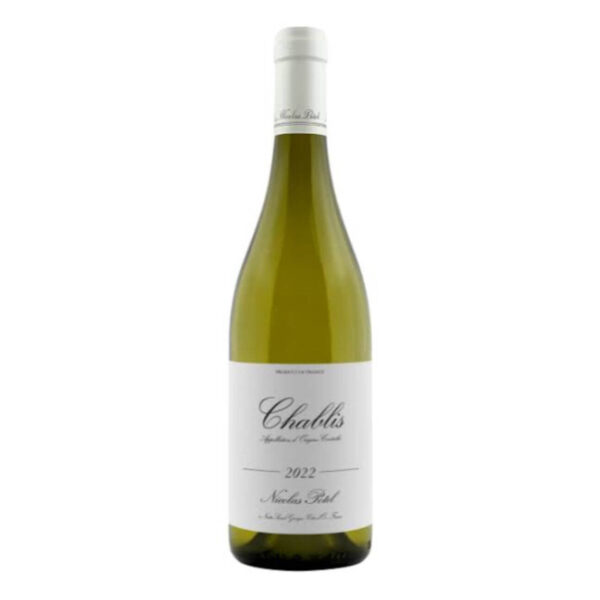
Nicolas Potel Premier Cru Chablis Cote de Lechet
Shipped by
Single Vineyard Sellers
$136.33
/ bottle
$818.00 for a case of 6
 596 pts
 Chalk soils, Champagne and precision in sparkling wine
Chalk is a very pure, soft form of limestone that is highly porous and capable of storing vast reserves of water like a sponge. In regions such as Champagne, deep chalk layers moderate the vine’s access to water, preventing stress in dry summers but avoiding the excessive vigour that can come from heavier clays.
For Chardonnay and Pinot Noir destined for sparkling wine, chalk offers two advantages: it supports naturally high acidity and it reflects light and heat back into the canopy, aiding ripening in a marginal climate. That combination of ripe yet taut fruit is crucial for Champagne’s signature style, where the base wines must have enough acidity to remain vibrant through a second fermentation and long lees ageing. Many top grower and grand marque houses specifically highlight parcels with pure chalk when explaining why certain cuvées possess such knife‑edge precision.
Marl soils, Barolo and Nebbiolo’s depth and grip
Marl is a mix of clay and limestone. It combines clay’s water‑holding capacity with limestone’s drainage and often gives wines both concentration and freshness. In Barolo and neighbouring Piedmontese appellations, Nebbiolo planted on marl has become the benchmark for complex, structured red wine.
Nebbiolo is thin‑skinned yet naturally high in tannin and acidity, so the soil’s influence on ripeness and phenolic development is critical. Marl soils in Barolo help moderate vine vigour, encouraging small berries with thick skins that deliver depth of flavour and firm, long‑lived tannins. Stylistically, wines from marl often show layers of tar, roses, red cherry and dried herbs, carried by a frame that can feel severe in youth but unfolds into haunting complexity with time in bottle.
Clay‑limestone soils, Rioja and the art of balance
In many classic European regions, pure soil types are less common than intricate mixes. Clay‑limestone soils, for example, blend moisture‑retentive clay with free‑draining lime‑rich rock, supporting vines through drought whilst preserving a spine of acidity.
In parts of Rioja, Tempranillo thrives on these mixed soils, producing wines that sit comfortably between richness and freshness. The clay component supports colour and body, while the limestone element contributes lift, aromatic detail and a slightly savoury, stony edge. This balance helps explain why traditional Rioja can carry extended ageing in seasoned oak without becoming heavy: the fruit has both flesh and nerve, shaped from the ground up.
Volcanic soils, Mount Etna and high‑energy reds
Volcanic soils derive from ash, pumice and lava that have broken down over repeated eruptions. They are usually rich in minerals but can be poor in organic matter, which keeps vine vigour in check and encourages deep root systems. These soils often create wines with a distinctive smoky, ashy, or iron‑tinged minerality and a feeling of energy on the palate, even when the fruit profile is relatively gentle.
On Mount Etna in Sicily, vineyards arc around the volcano in a series of small “contrade” (individual districts shaped by different eruption histories). Here Nerello Mascalese produces pale, perfumed reds that combine red fruit with spice, florals and earthy, volcanic notes, supported by fine but insistent tannin and mouth‑watering acidity. Australian drinkers used to cool‑climate Pinot Noir often find Etna reds familiar in colour and fragrance, yet with a firmer, more mineral drive that seems to come straight from the black soils underfoot.
Sandy and pebble soils, Grenache and approachable warmth
Sandy soils have large particles and excellent drainage. They warm quickly and are easy for roots to penetrate, but they hold limited water and nutrients. This encourages low yields and can reduce disease pressure, which is why some very old vineyards have survived phylloxera (the vine‑killing aphid) on pure sand.
In the Southern Rhône and similar warm regions, Grenache on sand and pebbles tends to give open‑knit, approachable wines with generous red fruit and softer tannins. The famous rounded stones of Châteauneuf‑du‑Pape, for example, store daytime heat and release it after sunset, helping Grenache achieve full ripeness whilst retaining enough acidity to stay vibrant. The resulting wines often feel expansive and sunny, with a sense of ease on the palate that suits both early drinking and, in top examples, surprisingly long ageing.
Granite soils, Cabernet Franc and elegant, perfumed reds
Granite is a hard, crystalline rock rich in quartz and feldspar that weathers into coarse, sandy soils with excellent drainage and relatively low fertility. It often produces wines with lifted aromatics, firm but fine tannins and a tactile, almost powdery texture.
In the Loire Valley appellation of Chinon, Cabernet Franc grown on granite and related rocky soils is known for aromatic intensity and elegance rather than sheer weight. These wines typically show redcurrant and raspberry fruit, violet perfume and a leafy or graphite note, framed by vibrant acidity. Granite’s tendency to limit vine vigour and promote deep rooting contributes to that combination of fragrance and structural poise, making such wines particularly compelling for drinkers who value finesse over power.
Why soil types matter for wine lovers and collectors
Understanding soil does not mean needing a geology degree. A few key ideas go a long way. Free‑draining, stony soils such as gravel and granite often yield structured, age‑worthy reds; water‑holding clays tend to produce richer, plusher styles; limestone and chalk frequently underpin high‑acid, finely etched wines that feel “mineral”; mixed soils like marl and clay‑limestone aim for harmony between concentration and freshness; volcanic and sandy sites can bring a distinctive savoury or textural twist.
For Australian drinkers choosing between a Médoc Cabernet Sauvignon, a Right Bank Merlot, a Chablis, a Barolo or an Etna Rosso, thinking “sip by soil” offers a simple, memorable way to predict style before pulling the cork. Soil is not the only factor, of course; climate, grape variety and winemaking all contribute. Yet the ground beneath the vines quietly shapes whether a wine feels linear or plush, brooding or airy, energetic or mellow.
 Shiraz
 Cabernet Sauvignon
 Pinot Noir
 Grenache
 Merlot
 Red Wine Blends
 Chardonnay
 Riesling
 Pinot Gris
 Semillon
 Viognier
 Grenache Rosé
 Pinot Noir Rosé
 Shiraz Rosé
 Sangiovese Rosé
 Aglianico Rosé
 Clairette Rose
 Champagne
 Prosecco
 Sparkling Shiraz
 Blanc de Blanc
 Blanc de Noir
 Pet Nat
 Moscato
 Topaque
 Port
Port Sherry (dry & sweet)
 Muscat & Tokay
 Vermouth