 0473 644 098 · Mon–Fri 9am–5pm AESTHelp & FAQ


Wine Scores Matter, But Your Palate Matters More

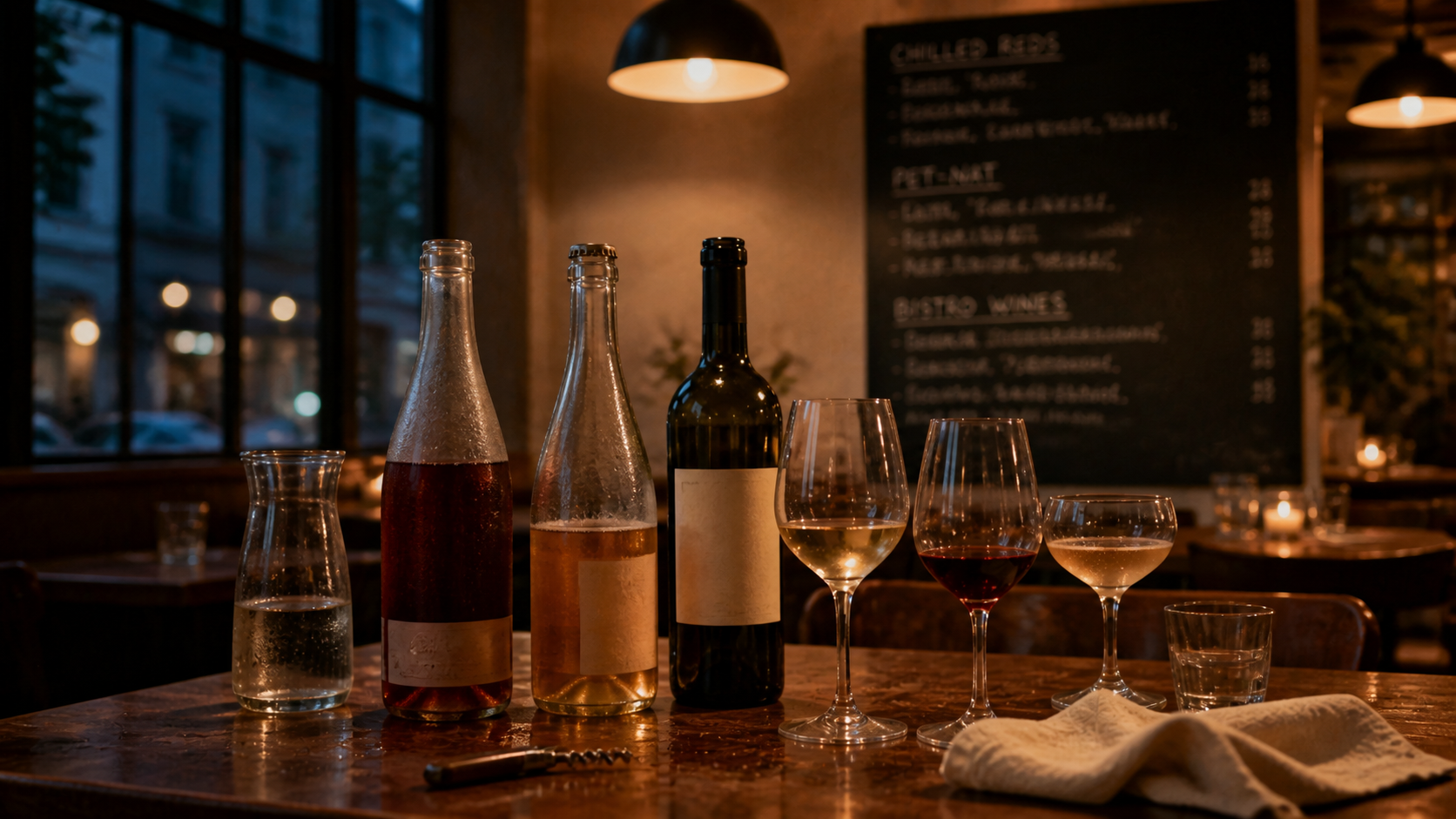
Wine scores vs personal taste: who really decides what’s “good”?
For decades, the global wine conversation has revolved around numbers. A 98‑point Shiraz or a 100‑point Champagne becomes instant shorthand for greatness, a kind of liquid currency traded in auction catalogues and collector circles. In Australia, critics such as James Halliday and platforms like Halliday Wine Companion or Wine Pilot have helped countless drinkers navigate shelves that seem to grow more crowded by the month.
Yet even the most score‑driven commentators increasingly emphasise that ratings are guides, not commandments. Partners in Wine WA, for instance, openly frames its scoring system as one lens among many, stressing that wine tasting is inherently subjective and context dependent. The same bottle can elicit wildly different reactions, even among professionals, because palates, expectations and tasting conditions all vary.
Here’s something genuinely fascinating about this moment in wine culture. As drinkers, especially younger Australians, become more confident and more selective in how they drink, they still respect high scores but feel less obliged to follow them slavishly. Scores retain their value as signposts of craft and consistency. However, the final arbiter of “good” is drifting back towards the person actually holding the glass.
Chilled red wine trend: how cool reds changed the rules
Few trends capture the new, more relaxed spirit of wine quite like chilled reds. Once dismissed as a party trick or a sommeliers’ in‑joke, lightly chilled Grenache, Pinot Noir and Gamay have become year‑round fixtures from London wine bars to Australian neighbourhood bistros. Buyers are seeing “chillable reds” as one of the fastest‑growing segments on restaurant lists, precisely because they bridge the gap between red wine complexity and white wine refreshment.
Australian commentators note that in a warming climate, with long summers and outdoor dining, the appeal is obvious. Wines that are naturally bright, fruit‑forward and low in tannin come into their own at cooler temperatures, tasting juicier, more fragrant and more approachable. Suddenly, a style that might once have been pigeonholed as “serious” or “cellar only” becomes a flexible companion to everything from yakitori to chargrilled octopus.
Crucially, chilled reds invite drinkers to trust their senses over inherited rules. Traditional etiquette would insist that red wine must be served at “room temperature”, a phrase that made sense in old European dining rooms but less so in a South Australian heatwave. The new culture merely asks a different question: does the wine taste better this way? When the answer is yes, practice soon follows.
Pet‑nat wine trend: from fringe fizz to everyday joy
The rise of pet‑nat (pétillant‑naturel) tells a similar story. A decade ago, this rustic, lightly sparkling style lived on the fringe of the natural wine scene, famous more for its cloudiness and unpredictability than for polish. Today, Australian drinkers can find pet‑nat on mainstream retail shelves and by the glass in serious restaurants, often poured alongside traditional‑method sparkling and Prosecco.
Many of these wines thrive precisely because they do not pretend to be grand. They offer loose‑limbed, fragrant, often slightly wild expressions of fruit, bottling the energy of ferment rather than the chiselled line of a long lees‑aged Champagne. When well made, they can feel like bottled spontaneity, the wine equivalent of a favourite playlist rather than a symphony hall performance.
This does not mean that craft disappears. Pet‑nat demands technical vigilance if it is to avoid faults and unpleasant volatility. What changes is the frame around the glass. Instead of inviting drinkers to evaluate bead finesse and autolytic complexity, these wines ask a simpler question: does this make the table feel happier? In a culture where Australians are consciously drinking a little less but often spending more on each bottle, that kind of unforced joy carries real value.
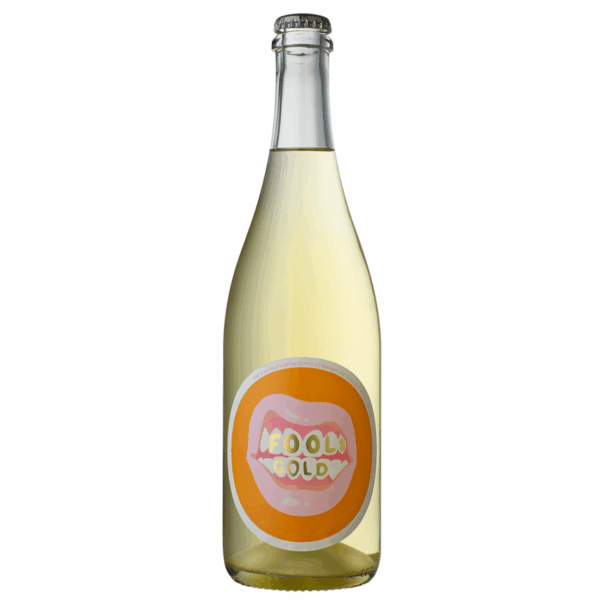 $25.75
/ bottle
$309.00 for a case of 12
$25.75
/ bottle
$309.00 for a case of 12
LS Merchants Fools Gold Pet Nat
Shipped by
Appellation Wine Imports & Domestic
$25.75
/ bottle
$309.00 for a case of 12

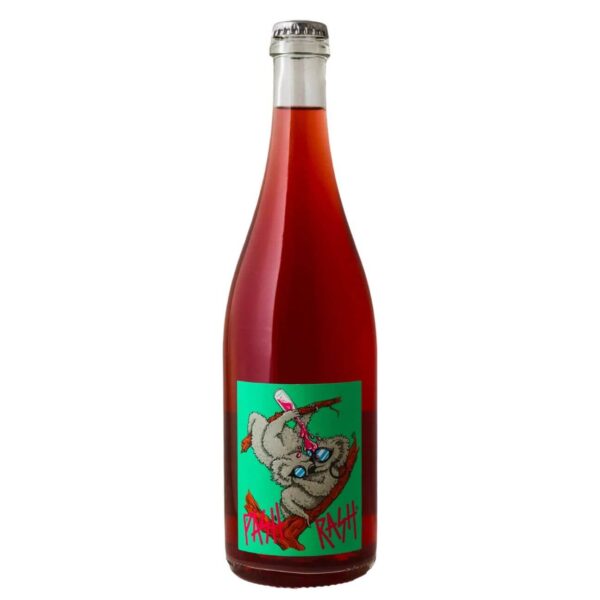 $29.17
/ bottle
$350.00 for a case of 12
$29.17
/ bottle
$350.00 for a case of 12
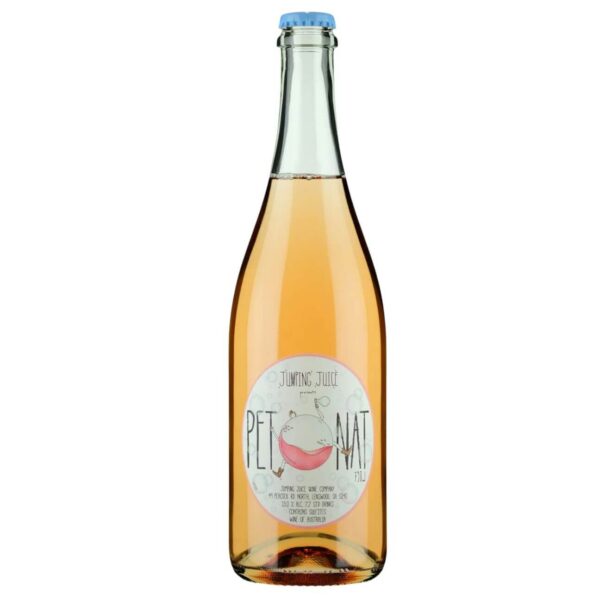 $24.75
/ bottle
$297.00 for a case of 12
$24.75
/ bottle
$297.00 for a case of 12
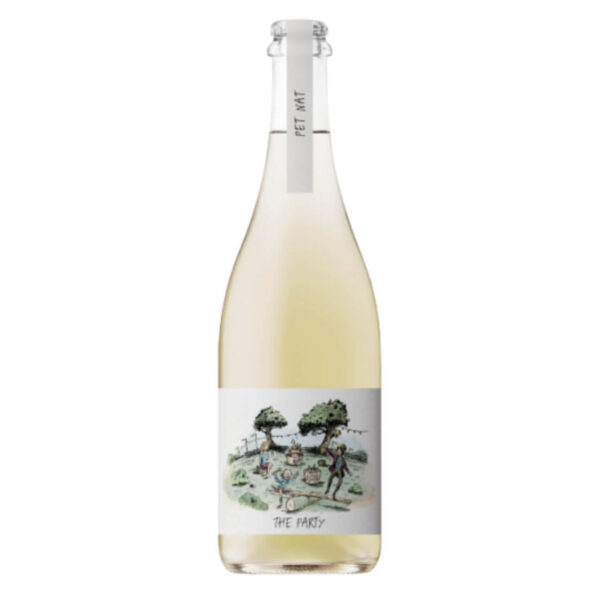 $27.50
/ bottle
$330.00 for a case of 12
$27.50
/ bottle
$330.00 for a case of 12
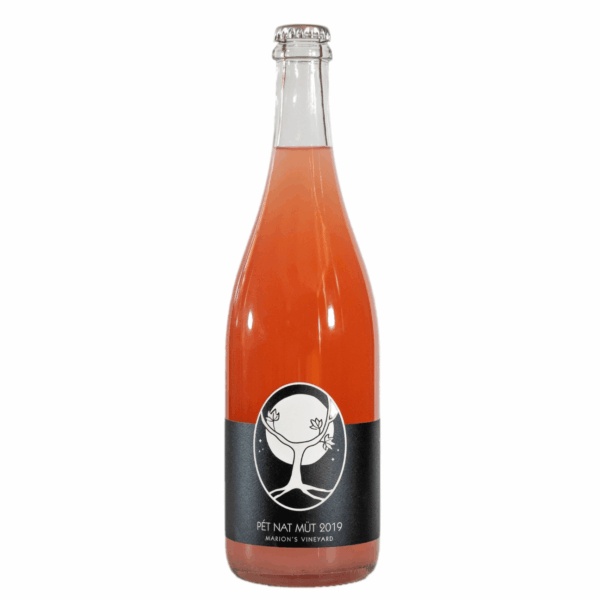 $32.00
/ bottle
$384.00 for a case of 12
$32.00
/ bottle
$384.00 for a case of 12
 $29.00
/ bottle
$348.00 for a case of 12
$29.00
/ bottle
$348.00 for a case of 12
 309 pts
 Bistro wine culture: relaxed wine lists and everyday bottles
Look at the way Australian bistros and wine bars structure their lists and another pattern appears. The growth of laid‑back, food‑centric venues has shifted attention away from trophies and towards wines that simply work with the menu, the music and the mood. Instead of pages organised by region and classic appellation, drinkers increasingly find short, dynamic lists grouped by style, texture or even “vibe”.
From Adelaide to Perth, these lists lean into approachable, mid‑weight reds, textured whites and sparkling wines that do not require a special occasion. Chilled reds, pet‑nat, lighter Shiraz, Grenache blends and unpretentious house pours all share the same stage. Staff are more likely to ask guests about flavours they enjoy, dishes on the table and how adventurous they feel today, rather than steering them towards the highest‑scoring bottle.
In this environment, ratings still matter in the background. Importers and buyers use critic scores as a filter when evaluating producers, and certain cuvées achieve cult status precisely because of glowing reviews. However, the success of these bistro lists demonstrates something important. Wine can be curated intelligently and with high standards, yet presented with an ease that encourages drinkers to explore, not to posture.
Wine ratings explained: understanding the 100‑point system
To understand why wine no longer needs to apologise for being fun, it helps to know what scores are actually for. Modern scoring systems, particularly the 100‑point scale popularised by American critics, were intended to bring clarity and consistency to an overwhelmingly complex marketplace. In theory, they reduce the swirl of descriptors into a single, comparable figure.
Australian resources like Partners in Wine WA spell out how these numbers often map onto everyday language. A score in the mid‑90s might indicate a wine of exceptional balance and complexity, whilst something in the high‑80s still represents solid quality and genuine pleasure. Importantly, these systems remind drinkers that even “silver” or “bronze” band wines can be thoroughly enjoyable.
Yet detailed explanations from critics now emphasise subjectivity and methodology. Tasting environment, personal palate, unconscious bias and different evaluation criteria all shape the final number. One critic may prize power and concentration in Shiraz; another may reward fragrance and restraint. In real terms, this means that a 90‑point wine could be far more satisfying for a given drinker than a 97‑point bottle, simply because it aligns better with their own preferences.
Understanding this frees enthusiasts in a profound way. Scores stop being a badge of social status and return to their rightful place as tools. They can help narrow down choices, but they do not have the last word on what should be in the glass on a Wednesday night.
Authentic wine enjoyment: trusting your own palate
The most meaningful shift in contemporary wine culture might be the quietest one. Across Australia, people are thinking more carefully about how and why they drink. Data from organisations like the Australian Bureau of Statistics and DrinkWise show declines in risky consumption and a rise in moderation, abstention and deliberate drinking. Rather than opening a bottle out of habit, many drinkers now open a bottle out of intention.
This sets up a new kind of relationship with wine. When a glass is chosen purposefully, it becomes less about keeping up appearances and more about personal resonance. Does this chilled Grenache remind someone of a summer holiday on the Fleurieu Peninsula? Does this pet‑nat capture the energy of a particular friend group or a favourite small bar? Does this classic, highly rated Cabernet feel meditative and grounding at the end of a long week?
Authentic enjoyment emerges when drinkers allow both sides of the equation to matter. On one hand, they respect the craft behind high‑scoring wines, understanding that such ratings often reflect meticulous viticulture, careful élevage and years of experience. On the other hand, they refuse to ignore their own senses merely to match a critic’s expectations.
When someone realises that their personal “100 points” might be a modestly rated, fragrant Nebbiolo from Victoria or a bright, salty Albariño from South Australia, the relationship with wine changes. It becomes less about compliance and more about discovery.
Wine language for consumers: how professionals can make wine fun again
One of the most powerful levers in this cultural pivot is language. Traditional tasting notes, with their long lists of fruits, flowers and obscure references, can feel alienating to many drinkers. They were often written for other professionals, not for the person deciding what to order with a bowl of pasta in a crowded bistro.
Some progressive producers, retailers and writers are quietly rewriting this script. They still take accuracy and detail seriously, but they prioritise clarity and personality over jargon. Instead of saying “medium‑bodied with moderate tannins”, they might talk about a red that “tastes like raspberries and spice and takes well to a chill”. Instead of describing a pet‑nat as “oxidative and cidery”, they might call it “cloudy, crunchy and perfect for a sunny afternoon in the park”.
This shift does not mean dumbing down. It means translating expertise into human terms. Professionals can still read technical sheets, understand pH and total acidity, and parse the subtleties of élevage. They simply choose to meet consumers where they are, using descriptive language that encourages exploration rather than performance.
In practical terms, that might look like a sommelier asking whether someone prefers bright, tangy flavours or richer, darker ones, then suggesting options that match. It might be an independent retailer in Adelaide who shelves wines by mood or food pairing instead of alphabetical order. In all these cases, the message is the same. Wine is something to be experienced first, categorised second.
When wine stops apologising for being fun, it does not stop being serious. It simply becomes serious about the right things: craft in the vineyard and winery, integrity in communication and, above all, the genuine enjoyment of the person holding the glass.



 Shiraz
 Cabernet Sauvignon
 Pinot Noir
 Grenache
 Merlot
 Red Wine Blends
 Chardonnay
 Riesling
 Pinot Gris
 Semillon
 Viognier
 Grenache Rosé
 Pinot Noir Rosé
 Shiraz Rosé
 Sangiovese Rosé
 Aglianico Rosé
 Clairette Rose
 Champagne
 Prosecco
 Sparkling Shiraz
 Blanc de Blanc
 Blanc de Noir
 Pet Nat
 Moscato
 Topaque
 Port
Port Sherry (dry & sweet)
 Muscat & Tokay
 Vermouth