 0473 644 098 · Mon–Fri 9am–5pm AESTHelp & FAQ


Chablis vs Chardonnay: Same Grape, Completely Different Glass

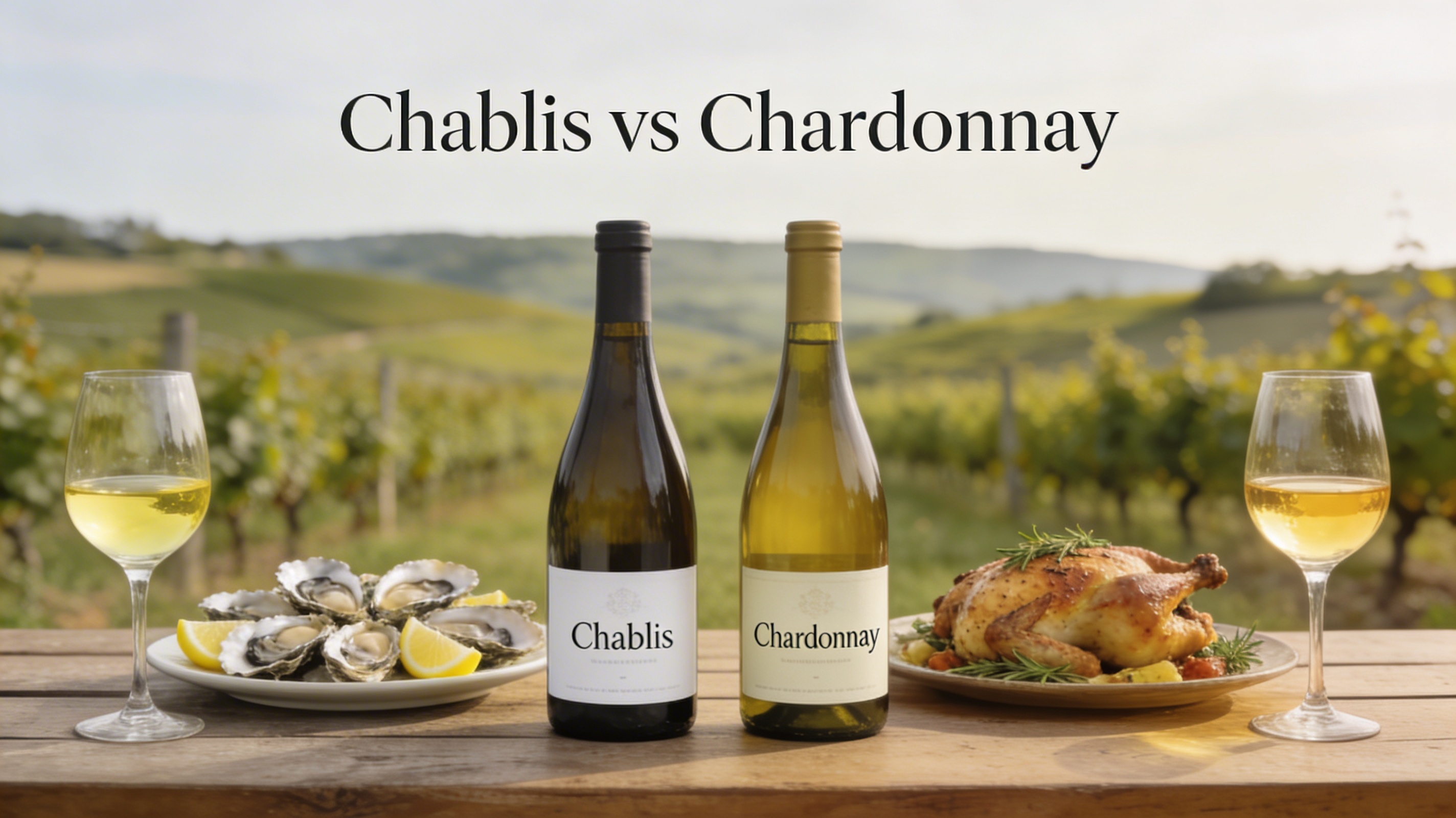
When Chardonnay Puts On a Cool‑Climate Coat
Chardonnay wears many costumes. It can be plush and tropical, lean and mineral, creamy and oaky, or almost steely and austere. Chablis is what happens when Chardonnay puts on its most restrained, cool‑climate coat and heads north. The two are connected at the genetic and historical level, yet in the glass they often feel like cousins rather than twins.
For many drinkers, Chablis is the wine that proves Chardonnay does not have to be buttery or heavily oaked. It shows a different face of the same grape: all tension, chalk and citrus, a style where terroir sits in the foreground and winemaking is deliberately dialled back. Understanding Chablis versus Chardonnay is really about seeing how place, climate and cellar decisions can completely change the way a familiar grape behaves.
Is Chablis Chardonnay?
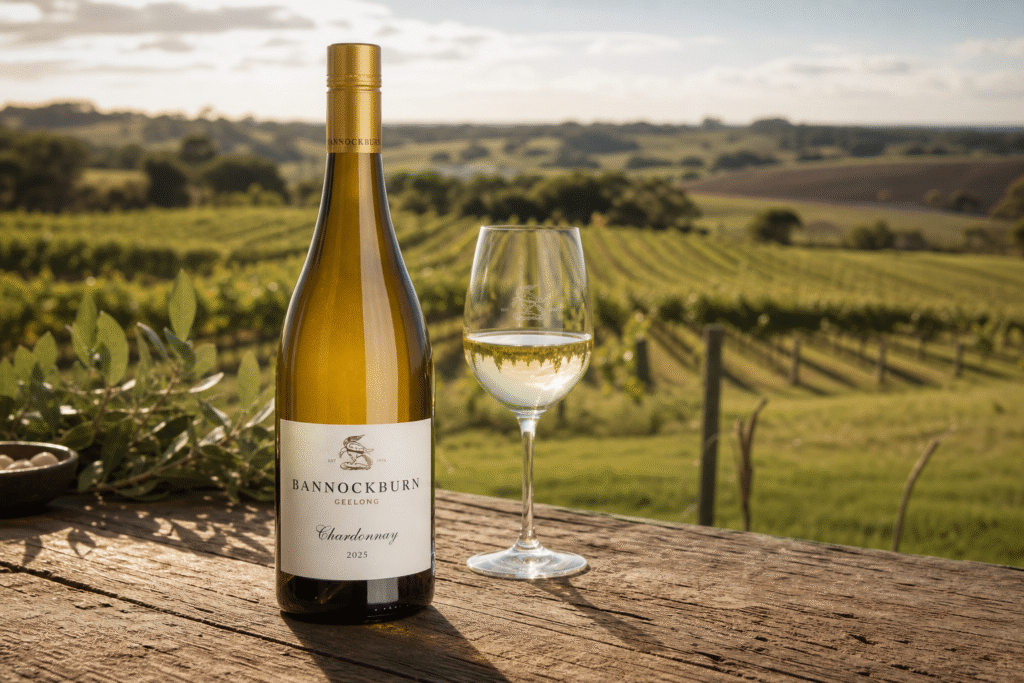
The short answer is yes: Chablis is made from Chardonnay. The vineyard rows around the town of Chablis are planted almost entirely to this grape, and the local rules insist on it. When someone pours a glass of Chablis, they are, technically, drinking Chardonnay.
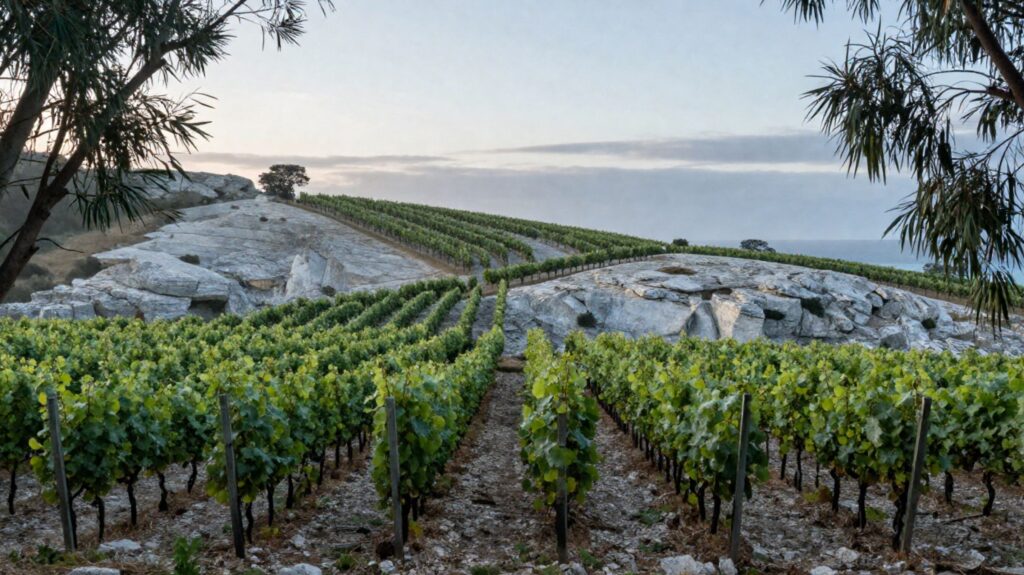
Yet most drinkers quickly realise that Chablis does not taste like the rounded Australian or Californian Chardonnays that first taught them what the variety could be. Chablis is not just a grape label; it is a very specific place. The cool climate, the latitude, the wind exposure and, above all, the limestone‑rich Kimmeridgian soils give it a signature profile of lemon, green apple, oyster shell and wet stone. Oak, when used at all, tends to be older and more subtle, framing the fruit rather than dominating it. Chablis is an easy choice for anyone searching for the best Chablis wine to buy for dinner.
So whilst Chablis is Chardonnay on paper, in practice it behaves like a distinct style that deserves its own mental category. Someone who instinctively avoids Chardonnay because they dislike big, buttery wines can often fall in love with Chablis without realising they have been drinking their supposed nemesis all along.
How Place Changes the Grape
To understand why Chablis and many other Chardonnays feel so different, it helps to think about climate as much as variety. In a cooler region, Chardonnay tends to ripen slowly. Acidity stays higher, flavours sit in the lemon, lime and green‑apple spectrum, and alcohol levels remain modest. In a warmer region, ripening happens earlier and more completely, acidity drops, and flavours shift toward peach, nectarine, melon and even tropical fruits.
Chablis sits firmly in the cool‑climate camp. The best examples are linear and tense, often described as saline or “chalky”, with that sense of crushed oyster shell. Oak influence is minimal, and malolactic fermentation may be partial or handled gently, preserving crunch and freshness. These are wines that feel almost architectural: straight lines, clean edges, very little ornament.
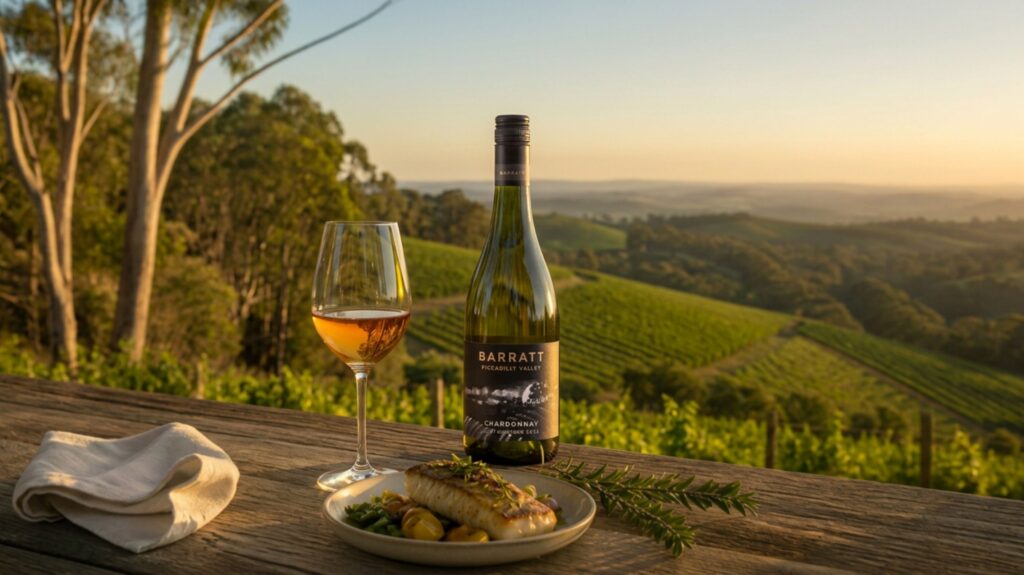
Plenty of modern Chardonnay, especially from cooler Australian regions, has moved in that direction too. Producers in places like Tasmania, the Yarra Valley and the Adelaide Hills increasingly favour subtle oak, precise acidity and citrus‑driven fruit. These wines offer a bridge for drinkers who love the clarity of Chablis but want to explore expressions closer to home.
 $37.33
/ bottle
$224.00 for a case of 6
$37.33
/ bottle
$224.00 for a case of 6
 $24.83
/ bottle
$149.00 for a case of 6
$24.83
/ bottle
$149.00 for a case of 6
Hay Shed Hill Vineyard Series Morrison's Gift Chardonnay /
Shipped by
Wines Australia
$24.83
/ bottle
$149.00 for a case of 6
 $47.67
/ bottle
$286.00 for a case of 6
$47.67
/ bottle
$286.00 for a case of 6
McHenry Hohnen Laterite Hills Chardonnay
Shipped by
Wine Cellars
$47.67
/ bottle
$286.00 for a case of 6
 $32.75
/ bottle
$393.00 for a case of 12
$32.75
/ bottle
$393.00 for a case of 12
Freycinet Wines Louis Chardonnay /
Shipped by
Wines Australia
$32.75
/ bottle
$393.00 for a case of 12

 $10.67
/ bottle
$128.00 for a case of 12
$10.67
/ bottle
$128.00 for a case of 12
The Anchorage Bubbles NV
Shipped by
Vintage House Wine & Spirits
$10.67
/ bottle
$128.00 for a case of 12
 $23.33
/ bottle
$140.00 for a case of 6
$23.33
/ bottle
$140.00 for a case of 6
 224 pts
 Chablis vs Chardonnay price
Price is where theory meets reality. For many drinkers, “Chablis” has become shorthand for a certain style of crisp, mineral white wine, and that reputation shows up on the shelf. Entry‑level bottlings from good producers can be surprisingly accessible, especially compared with top white Burgundy. A good example is a wine like Domaine Séguinot‑Bordet Petit Chablis 2024, which delivers that classic lemon‑and‑chalk profile without needing a special‑occasion budget.
Chardonnay, in contrast, sits across a far wider price spectrum. At one end there are inexpensive, fruit‑forward bottlings designed for easy weeknight drinking. In the middle sit serious single‑vineyard wines from cooler regions that aim for tension and longevity. At the top you find luxurious, small‑production cuvées from celebrated sites that comfortably match or exceed fine Chablis in price. Because Chardonnay is planted so widely, it is much easier to find both very affordable and very ambitious examples.
For the drinker browsing a retailer or looking to buy Chardonnay online for casual meals, mid‑range Chablis for seafood dinners and special lunches, and high‑end Chardonnay from renowned sites when something truly layered and age‑worthy is required.
What’s In the Glass: Texture, Oak and Acidity
Beyond price and geography, the most important differences between Chablis and many other Chardonnays are felt on the palate.
Chablis typically offers high, mouth‑watering acidity, lean citrus and green‑apple fruit, and strong mineral and saline impressions, often described as flint, chalk or oyster shell. Oak is usually very discreet, with stainless steel playing a large role. The overall impression is of precision and freshness.
Classic fuller‑bodied Chardonnay often shows softer acidity and a broader mouthfeel. The fruit spectrum shifts toward white peach, nectarine and melon. Where full malolactic fermentation is used, a creamy or buttery texture can develop, and new or lightly toasted oak brings flavours of vanilla, toast, spice and nuts. The impression is more generous and enveloping.
Modern cool‑climate Chardonnay blurs the lines between these poles. It can offer much of Chablis’ precision and citrus drive while still carrying gentle oak, a little mid‑palate weight and subtle savoury complexity from lees ageing. This is where drinkers who adore Chablis can find “Chablis‑adjacent” bottles without leaving the Chardonnay category.
Food Pairing: Sea Spray vs Comfort
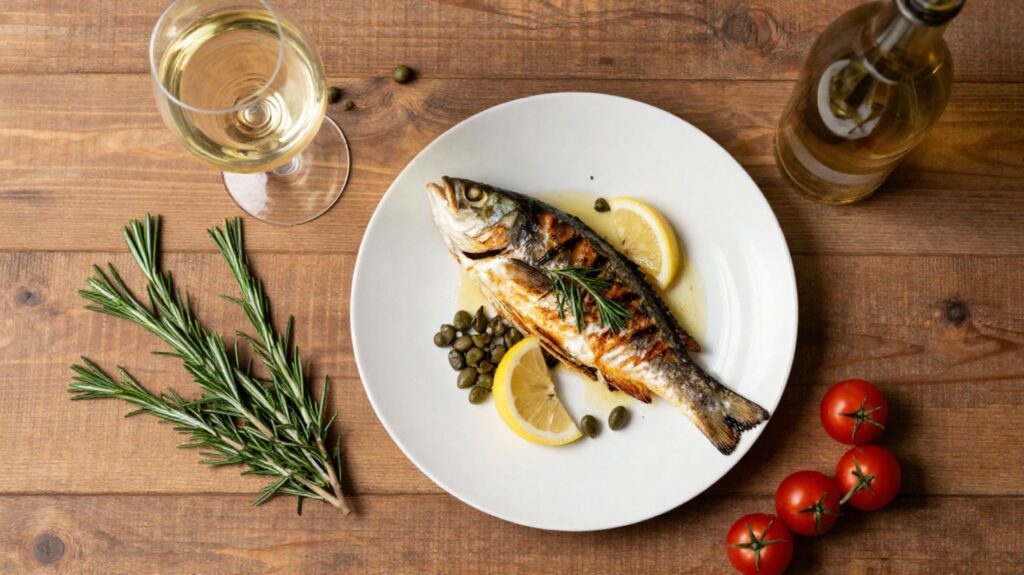
Chablis is famously at home with seafood. Its acidity and saline edge make it a natural partner for oysters, prawns, scallops, making it an obvious choice when you want to buy Chablis for a seafood dinner at home. The wine’s clean lines and lack of heavy oak mean it behaves like a squeeze of lemon and a sprinkle of sea salt rather than a sauce.
Many Chardonnays, particularly those with more weight and gentle oak, move comfortably into richer territory. Roast chicken with crispy skin, creamy pasta, grilled salmon, butter‑based sauces and soft‑rind cheeses all welcome the extra texture and flavour. A more restrained, cool‑climate Chardonnay can still handle oysters and lighter dishes, but it is also happy to stretch toward roast poultry and richer sauces where a classic Chablis might start to feel a touch too lean.
For a dinner that moves from oysters and seafood into roast chicken or pork, a clever host might start with Chablis and then bring out Chardonnay as the dishes become more generous. It is an elegant way to show how one grape can express two very different moods across a single meal.
How to Choose Between Them
Choosing between Chablis and Chardonnay is less about which is “better” and more about mood, food and philosophy.
For those who crave precision, tension and a clear expression of place, Chablis will always hold a special fascination. It is the wine that says less is more, letting the vineyard speak through acid and minerality. When the craving is for something refreshing, chalky and seafood‑friendly, it is hard to argue against opening Chablis. Readers who want to dig deeper into the nuances of terroir, classification and stylistic differences within the region will find a dedicated Chablis Wine Guide invaluable.
For those who enjoy a little more generosity, subtle oak sweetness and textural weight, Chardonnay offers a much broader playground. A lightly oaked, cool‑climate version can still scratch the mineral itch, while a fuller‑bodied example can wrap itself comfortably around roast chicken, creamy sauces and richer dishes. Whether the aim is to explore a new producer or to restock reliable favourites, there is always another Chardonnay worth seeking out, just as there is always another bottling of Chablis worth discovering.
In the end, Chablis versus Chardonnay is not a fight so much as a conversation. One shows what Chardonnay can do when it is stripped back and chiselled by a cool climate and limestone soils; the other demonstrates just how adaptable and expressive the grape can be across a wider world of sites and styles. For curious drinkers, the most rewarding answer to the question of which to open is simple enough: pour both, and let the glasses tell their own story.
 Shiraz
 Cabernet Sauvignon
 Pinot Noir
 Grenache
 Merlot
 Red Wine Blends
 Chardonnay
 Riesling
 Pinot Gris
 Semillon
 Viognier
 Grenache Rosé
 Pinot Noir Rosé
 Shiraz Rosé
 Sangiovese Rosé
 Aglianico Rosé
 Clairette Rose
 Champagne
 Prosecco
 Sparkling Shiraz
 Blanc de Blanc
 Blanc de Noir
 Pet Nat
 Moscato
 Topaque
 Port
Port Sherry (dry & sweet)
 Muscat & Tokay
 Vermouth