 0473 644 098 · Mon–Fri 9am–5pm AESTHelp & FAQ


Zero Buzz, Full Flavour: Why 0% Wine Is Having a Very Real Moment

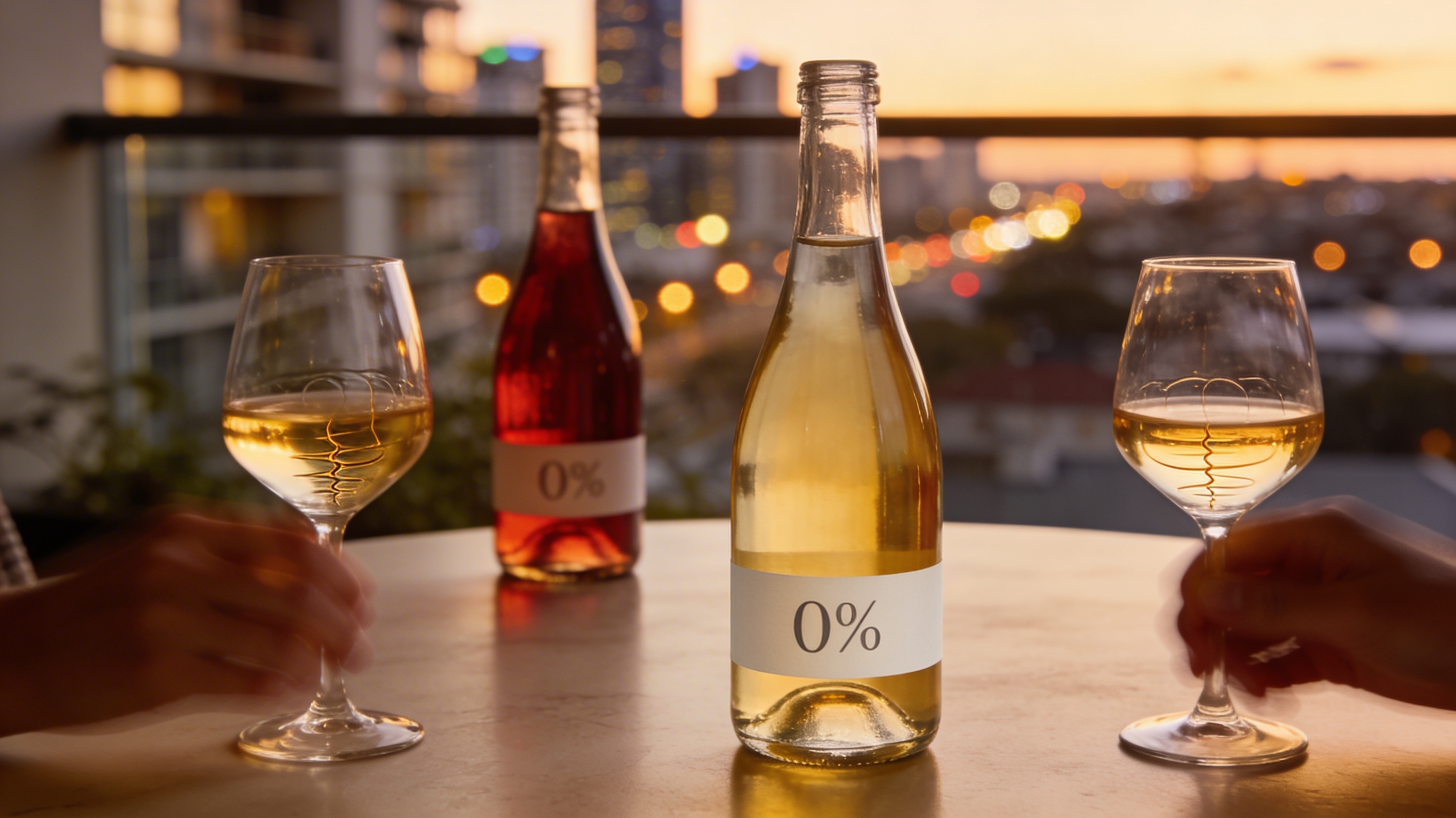
When wine loses alcohol but keeps its character
Here is something genuinely fascinating about modern non alcoholic wine: most serious examples begin life as fully fermented wine. Grapes are grown with the same intent as their alcoholic counterparts, picked for flavour and balance, fermented dry, and only then does the delicate work of removing alcohol begin. Gentle technologies such as spinning cone columns and vacuum distillation allow producers to lower the temperature at which alcohol evaporates, so aromatics, varietal character and a sense of place survive the process better than they once did. The result, when done well, is a glass that still feels recognisably vinous. A dealcoholised Riesling can still bristle with lime and green apple.
Why serious drinkers are paying attention
There was a time when non alcoholic wine was something people tolerated rather than enjoyed. That era is fading. Today, many in the traditional wine world quietly concede that abstinence or moderation does not imply a lack of taste, and that serious palates sometimes want clarity of mind and a proper glass at the same time. Sommeliers in thoughtful restaurants now include one or two 0% options on by‑the‑glass lists, not hidden away for designated drivers, but framed as legitimate pairings. What has changed is intent; producers at the quality end of the category are no longer trying to disguise thinness with sweetness or flavourings.
Sparkling 0%: where things clicked first
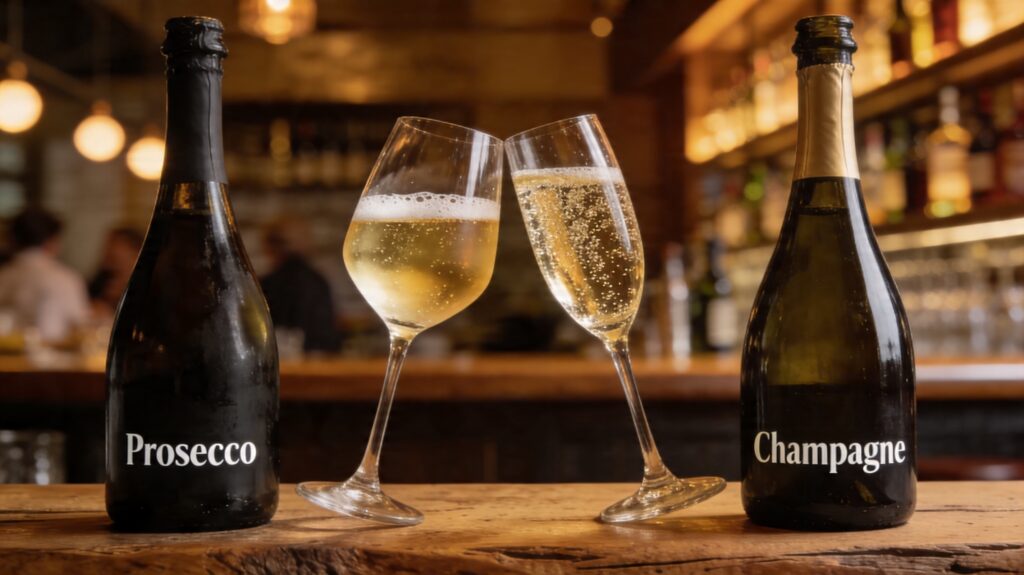
Sparkling non alcoholic wine is often where sceptical drinkers first realise how far things have come. The natural lift of bubbles brings energy and texture, even when the alcohol is missing. Prosecco‑style wines, with their easy pear, apple and floral notes, adapt particularly well. Generous primary fruit, firm acidity and a lightly creamy mousse create a sense of celebration that does not depend on alcohol at all. Treated properly, these wines behave just like any sparkling at the table.
 $17.00
/ bottle
$102.00 for a case of 6
$17.00
/ bottle
$102.00 for a case of 6
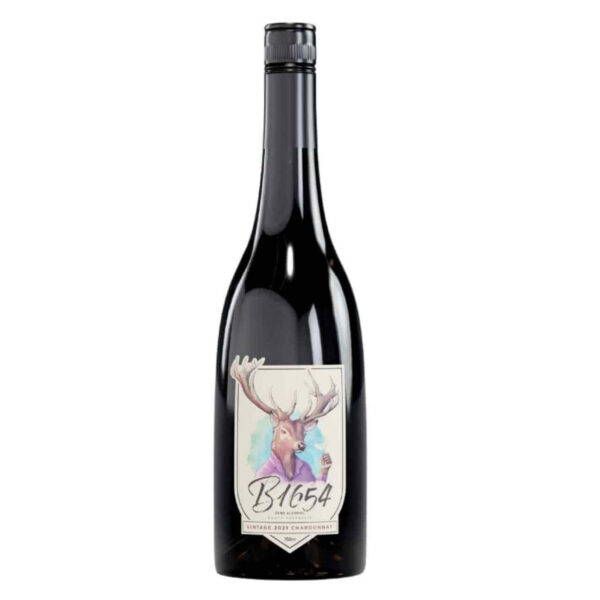
Triple Creek B1654 0% Alcohol Sparkling Chardonnay
Shipped by
Triple Creek Winery Pty Ltd
$17.00
/ bottle
$102.00 for a case of 6
 $21.00
/ bottle
$126.00 for a case of 6
$21.00
/ bottle
$126.00 for a case of 6
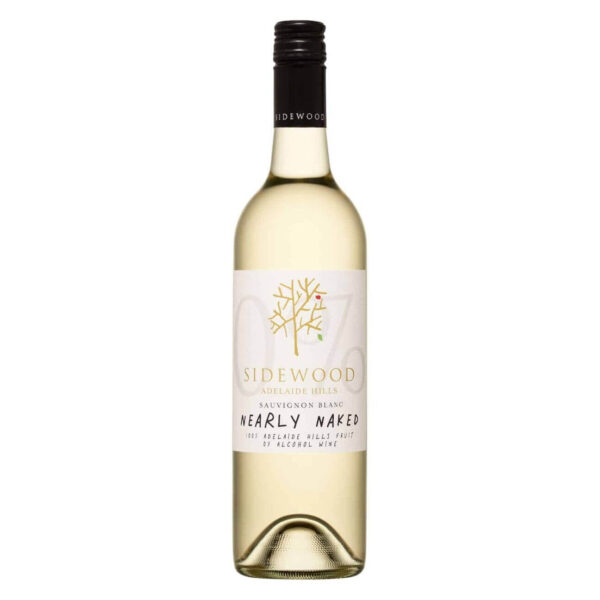
Sidewood Nearly Naked Sauvignon Blanc 0% NV
Shipped by
Sidewood Estate in Hahndorf, SA
$21.00
/ bottle
$126.00 for a case of 6
 $25.33
/ bottle
$152.00 for a case of 6
$25.33
/ bottle
$152.00 for a case of 6
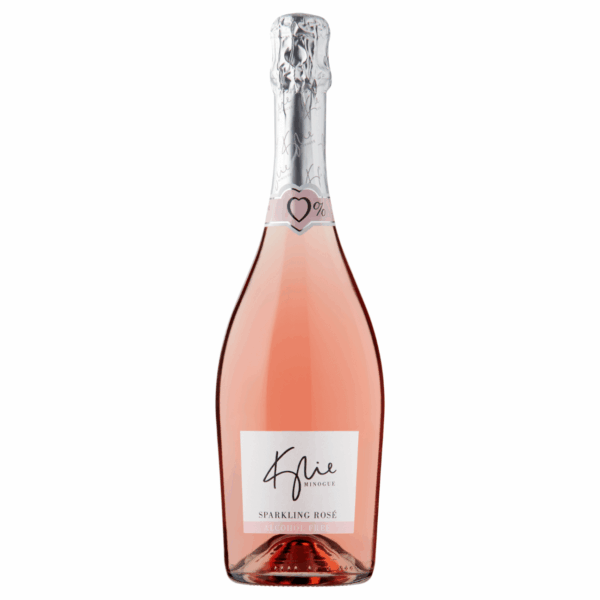
Kylie Minogue 0% Sparkling Rosé NV
Shipped by
Oatley Fine Wine Merchants
$25.33
/ bottle
$152.00 for a case of 6
 $23.67
/ bottle
$142.00 for a case of 6
$23.67
/ bottle
$142.00 for a case of 6
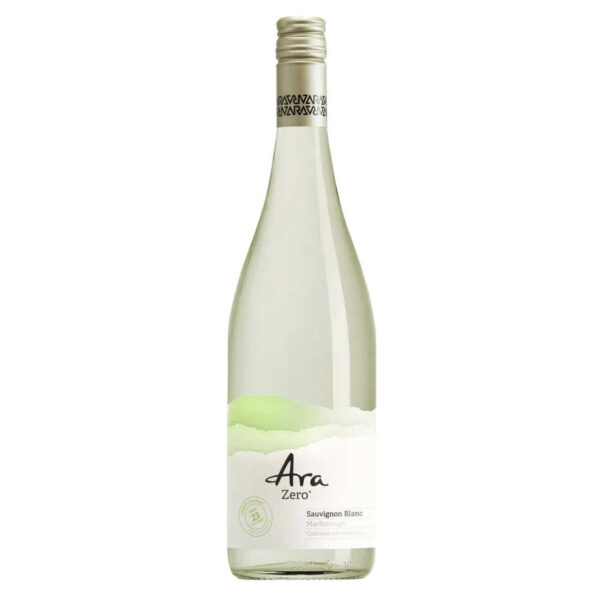
Ara Zero Sauvignon Blanc NV
Shipped by
Oatley Fine Wine Merchants
$23.67
/ bottle
$142.00 for a case of 6
 $25.00
/ bottle
$150.00 for a case of 6
$25.00
/ bottle
$150.00 for a case of 6
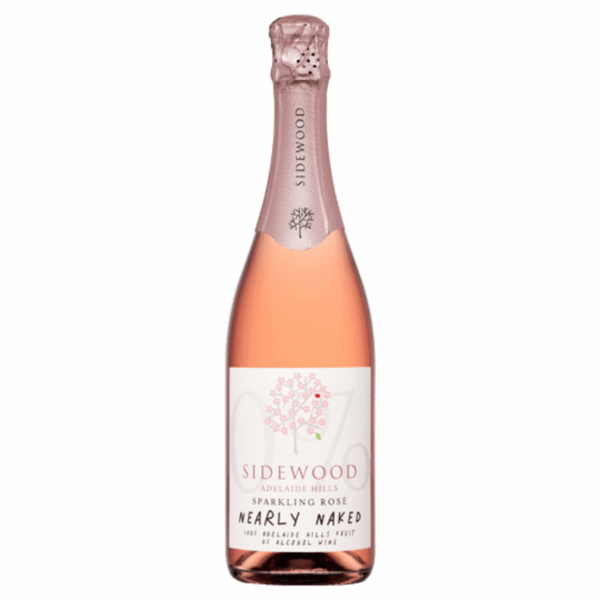
Sidewood Nearly Naked Sparkling Rosé 0% Alcohol NV
Shipped by
Sidewood Estate in Hahndorf, SA
$25.00
/ bottle
$150.00 for a case of 6
 $17.00
/ bottle
$102.00 for a case of 6
$17.00
/ bottle
$102.00 for a case of 6
Triple Creek B1654 0% Alcohol Chardonnay
Shipped by
Triple Creek Winery Pty Ltd
$17.00
/ bottle
$102.00 for a case of 6
 102 pts
 Aromatic whites with all the verve and none of the fog
If sparkling wines were the first strong chapter in the 0% story, aromatic whites have given the movement its intellectual backbone. Grapes such as Sauvignon Blanc, Riesling and Gewürztraminer wear loud aromatics that can survive the rigours of alcohol removal. Citrus, stone fruit, herbs and florals all remain expressive enough to convince the nose and palate that this is wine, not soft drink. The cleverest producers focus on preserving high acidity and mineral drive. Without alcohol to fill the mid‑palate, acidity becomes the skeleton holding everything together.
Reds and the fight for texture
Non alcoholic red wine has arguably faced the toughest scepticism. Red drinkers often seek tannin, weight and a sense of warmth, all of which are closely bound to alcohol. Early efforts proved disappointingly light and sweet, more like cordial than claret. Yet here, too, progress is being made. Producers now work harder on tannin management, extraction and oak handling before dealcoholisation, understanding that structure must be overbuilt slightly if it is to survive the process. The best 0% reds tend to lean into juicy, medium‑bodied styles rather than attempting hulking, high‑alcohol imitations.
How people are actually drinking non alcoholic wine
One of the most interesting shifts in recent years is how non alcoholic wine is used. It is no longer confined to “Dry January” or to the designated driver who draws the shortest straw. Many households now keep a 0% bottle in the fridge beside the usual whites and rosés, opening it on nights when a glass is desired but a clear head is more important. A mid‑week curry, a late‑night catch‑up, even a workday lunch at home; these moments once meant water or soft drink, now they can involve something genuinely vinous. Social situations are changing too.
Why this matters for serious wine lovers
For enthusiasts who care deeply about terroir, texture and the tiny details of winemaking, non alcoholic wine presents both a challenge and an opportunity. It challenges older assumptions that “real” wine must carry a certain level of alcohol to be worthwhile. At the same time, it offers a wider canvas on which to enjoy the rituals that make wine culture so compelling: choosing a bottle, discussing a vintage or producer, pairing with food, sharing impressions around a table. There is also a subtle training benefit. Tasting de‑alcoholised wine forces attention onto elements that are sometimes overshadowed by alcohol.
A parallel cellar for a changing world
The rise of serious non alcoholic wine does not spell the end of traditional bottles, nor does it need to. Instead, it allows drinkers to build parallel cellars in their minds and, increasingly, in their homes. One side holds the classics for long dinners, contemplative evenings and occasions where a little gentle intoxication is part of the point. The other holds 0% wines that step in when clarity, safety or health must take precedence, yet flavour and ritual are still non‑negotiable. This is not party punch, nor is it a moral lecture in a bottle.

 Shiraz
 Cabernet Sauvignon
 Pinot Noir
 Grenache
 Merlot
 Red Wine Blends
 Chardonnay
 Riesling
 Pinot Gris
 Semillon
 Viognier
 Grenache Rosé
 Pinot Noir Rosé
 Shiraz Rosé
 Sangiovese Rosé
 Aglianico Rosé
 Clairette Rose
 Champagne
 Prosecco
 Sparkling Shiraz
 Blanc de Blanc
 Blanc de Noir
 Pet Nat
 Moscato
 Topaque
 Port
Port Sherry (dry & sweet)
 Muscat & Tokay
 Vermouth