 0473 644 098 · Mon–Fri 9am–5pm AESTHelp & FAQ


Craggy Range Delivers Again: Te Muna Road Sauvignon Blanc 2025 Holds Its Nerve

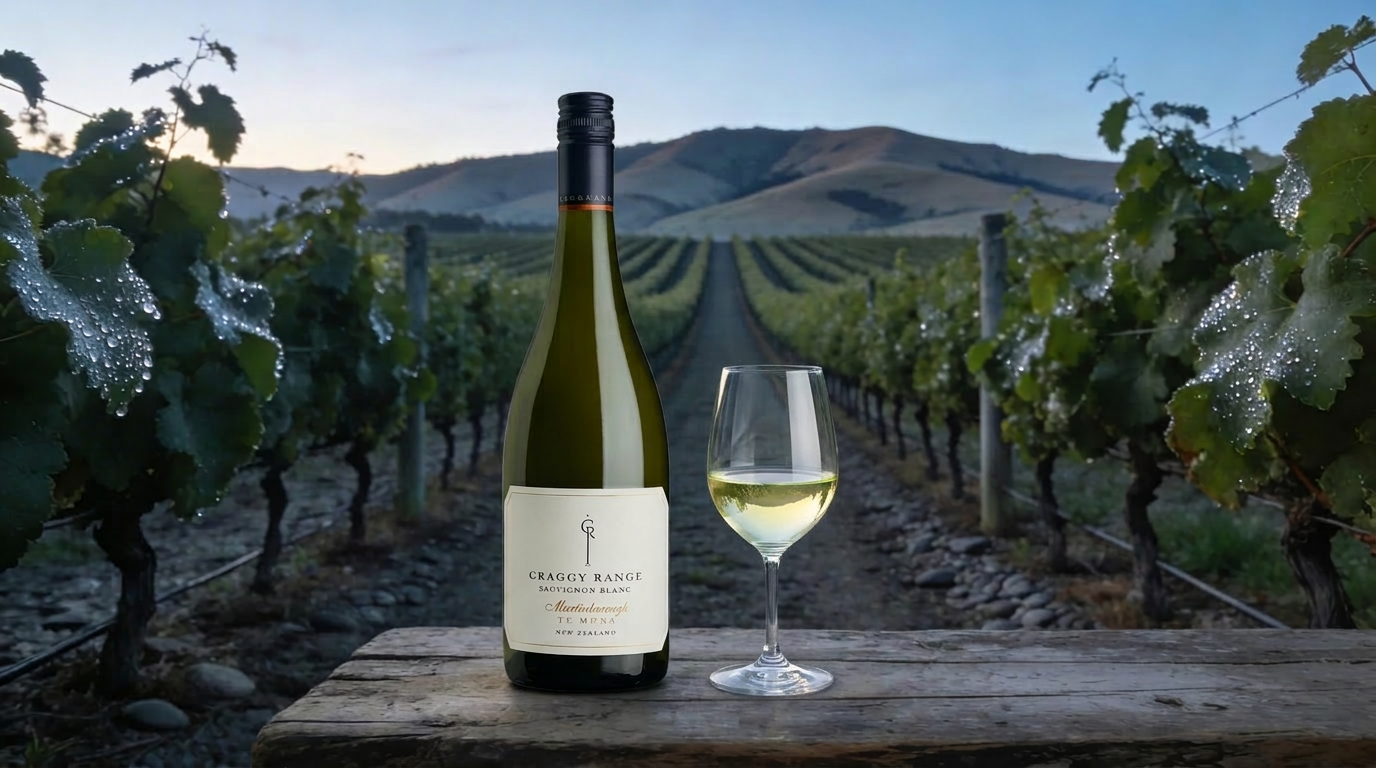
Craggy Range Te Muna Road Sauvignon Blanc 2025 was never going to sneak quietly onto shelves. This is a label with form and expectation behind it, and the 2025 release does exactly what long‑time followers quietly hope for: it delivers again, not with fireworks, but with that familiar, finely drawn clarity that has made Te Muna Road one of the most dependable Sauvignon Blancs in the region.
When a single road becomes a long conversation
Te Muna Road is much more than a lyrical name on a back label. It is a specific, cool, free‑draining set of terraces outside Martinborough that has spent years teaching Craggy Range what Sauvignon Blanc can look like when treated as a serious, site‑driven wine rather than a commodity. The soils are stony, the nights are cool, and the growing season stretches just long enough to build flavour while locking in acidity. That slightly marginal edge is the key. Instead of broad tropical fruit, Te Muna tends to give Sauvignon Blanc with tension in its bones: citrus, herbs and stone rather than an easy gush of juice.
By 2025, the relationship between vineyard and cellar feels like a long, ongoing conversation rather than a new fling. Canopy management is tuned to protect acidity without shading flavour into greenness. Picking decisions are clearly made with balance, not just ripeness, in mind. In the winery, the hand feels lighter every year. The 2025 release reads as the latest chapter in a well‑established story of refinement, where the winemaking exists to frame the site, not to shout over it.
The nose that reassures loyal drinkers
Loyal Te Muna Road drinkers will recognise the nose almost instantly. It does not leap from the glass with brash, tropical exuberance. Instead, it hums with deliberate purpose. Lime zest, white grapefruit and restrained passionfruit form the first impression, each note clean, distinct and free of stickiness. The aromatics feel bright but disciplined, with that rare quality of smelling “cool” rather than hot or blowsy.
Beneath the fruit sits the signature Te Muna savouriness: a line of crushed fresh herbs, hints of fennel frond or Thai basil, and the gentle suggestion of wet stone after rain. This mineral thread is what sets the wine apart from more generic New Zealand Sauvignon Blanc. It adds seriousness without weight, and in 2025 it appears as clearly as ever. With a little air, the edges soften just enough to reveal white nectarine and a flicker of citrus blossom, but the wine never tips into perfume. It remains, above all, composed.
On the palate, the line holds
The palate is where Te Muna Road traditionally earns its place at serious tables, and the 2025 version holds that line with quiet confidence. The first attack is brisk and mouth‑watering: a rush of lemon, grapefruit and lime leaf racing along a spine of steely acidity. That acidity is firm but not aggressive. It feels naturally integrated, as though it grew that way rather than being forced there by style.
As the wine travels across the tongue, the fruit deepens into passionfruit, ripe gooseberry and perhaps a suggestion of crunchy green apple, yet it never becomes thick or sticky. The flavours lengthen rather than swell. This is a Sauvignon Blanc that stretches across the palate like a taut wire, rather than ballooning into softness in the middle. It is this sense of line that keeps Te Muna Road firmly in the “serious” camp.
Texture has always been one of the wine’s quiet strengths, and 2025 continues that theme. A subtle, almost glycerol mid‑palate glide hints at gentle lees work, filling out the centre without blurring the edges. Then comes a fine, chalk‑dust phenolic grip that tightens the finish and demands another sip. Everything resolves dry, savoury and long, with citrus, herbs and a whisper of mineral bitterness lingering in equal measure. It is recognisably Te Muna, recognisably Craggy Range, and recognisably itself.
What 2025 brings to the story
Every vintage nudges the style in one direction or another, and 2025 feels firmly on the side of clarity and definition. Compared with more overtly tropical years, this release leans more decisively into citrus and herb. The core sits in lime, grapefruit and green apple, with passionfruit and stone fruit playing an important but supporting role. That shift gives the wine a slightly more classical, almost Loire‑adjacent accent, whilst still speaking fluent New Zealand.
The greener notes are finely judged. They register as fresh basil, tarragon, kaffir lime and tomato leaf rather than raw capsicum or tinned pea. That matters because it keeps the wine out of caricature and firmly in adult territory. Acidity feels beautifully natural; there is no jar of sharpness, just a sense of energy and focus that runs from front to back. For those who like tracking vintages, 2025 will likely be remembered as a year of precision rather than exuberance.
Food on the table, not just in the glass
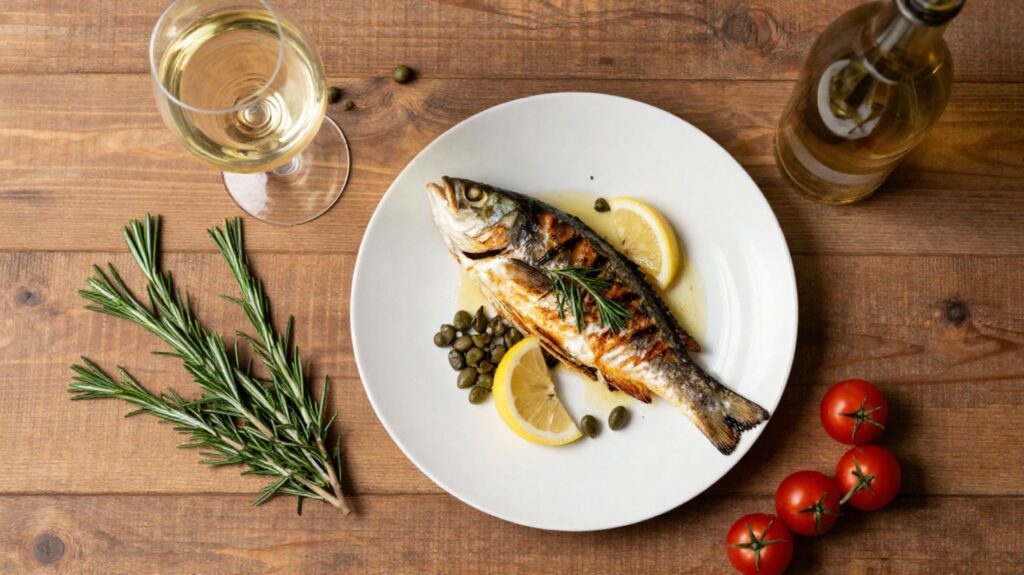
Craggy Range Te Muna Road Sauvignon Blanc 2025 is very much a table wine, in the best sense of the term. Its combination of citrus drive, herbal lift and mineral edge makes it almost embarrassingly versatile with food. At the classic end, it loves freshly shucked oysters, prawns on the barbecue, salt‑and‑pepper squid or simply grilled whiting with lemon. The acidity slices neatly through oil and salt, while the herbal nuances echo whatever is on the plate.
Move beyond the shoreline and the wine proves just as at ease. Goat’s cheese tarts, asparagus with hollandaise, grilled zucchini with mint and lemon, or a salad of fennel, citrus and olives all find a natural partner here. The savoury line means it stands up remarkably well to Vietnamese salads piled with herbs, lime and fish sauce, or to a bright Thai green curry where coconut richness needs both cut and aromatic lift.
For Australian drinkers, this flexibility is exactly what makes Te Muna Road such a reliable choice. It is the bottle that can sit happily through a long lunch where the menu wanders, the conversation stretches and no one wants to think too hard about swapping wines between courses. It simply works.
A quiet case for patience
Sauvignon Blanc is often treated as a drink‑it‑now category, but Te Muna Road continues to argue, gently but convincingly, for a bit of patience. The structure and acidity of the 2025 vintage suggest it will reward three to five years in the cellar. Over time, the hard edges of citrus are likely to soften into something more textural and layered. Subtle notes of lanolin, beeswax and gentle honey may emerge, without the wine ever losing its line.
For those who can resist immediate gratification, that evolution adds an extra dimension at the table. A few years down the track, the 2025 should be beautiful with roast chicken and tarragon, vongole in white wine and garlic, or a simple pea and mint risotto. It becomes less about snap and more about glide. Crucially, though, there is no obligation to wait. One of Te Muna Road’s charms is that it offers both immediate satisfaction and the promise of something different with time.
Consistency as its own kind of luxury
The most telling part of the 2025 story is not any dramatic reinvention, but the lack of it. Craggy Range Te Muna Road Sauvignon Blanc once again delivers exactly what followers expect: brightness without shrillness, aromatics without gaudiness, structure without austerity. In a world saturated with labels and noise, that sort of steady, confident consistency has become a quiet form of luxury.
For long‑time fans, opening the 2025 feels like meeting an old friend: the conversation picks up where it left off, with just enough new detail to keep things interesting. For newcomers, it offers a clear statement of what this road, this producer and this grape can do together when treated with respect. The angle could not be simpler: Craggy Range Sauvignon Blanc delivers again. Not with fanfare. Not with gimmicks. Just with the calm assurance of a wine that knows exactly who it is, and sees no reason to be anything else.




 Shiraz
 Cabernet Sauvignon
 Pinot Noir
 Grenache
 Merlot
 Red Wine Blends
 Chardonnay
 Riesling
 Pinot Gris
 Semillon
 Viognier
 Grenache Rosé
 Pinot Noir Rosé
 Shiraz Rosé
 Sangiovese Rosé
 Aglianico Rosé
 Clairette Rose
 Champagne
 Prosecco
 Sparkling Shiraz
 Blanc de Blanc
 Blanc de Noir
 Pet Nat
 Moscato
 Topaque
 Port
Port Sherry (dry & sweet)
 Muscat & Tokay
 Vermouth