 0473 644 098 · Mon–Fri 9am–5pm AESTHelp & FAQ


What Wine to Pair with Duck – The Protein That Teaches You Everything About Wine Pairing

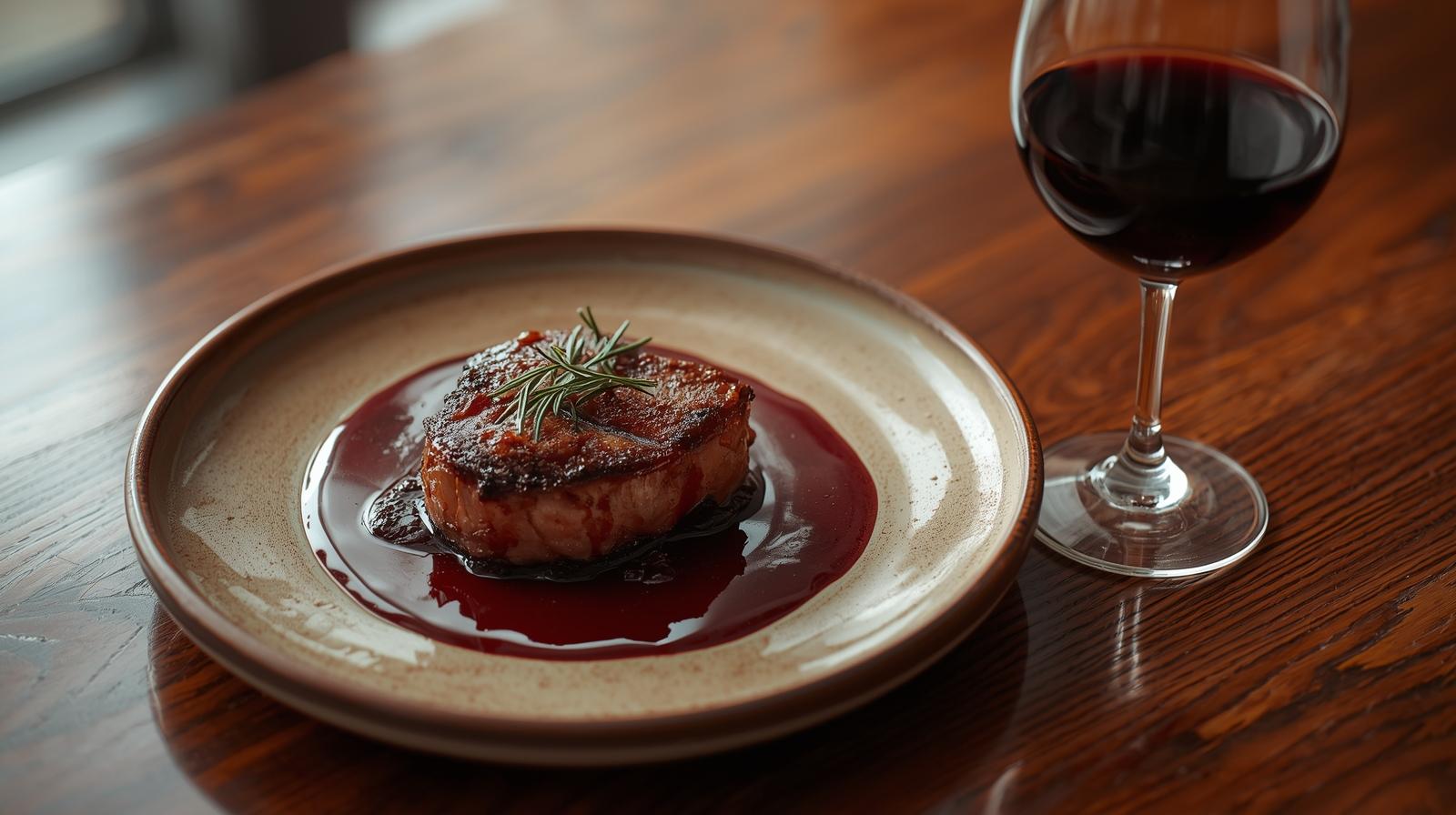
There’s a reason duck appears on the menus of serious restaurants across every continent. It’s not just that the meat tastes exceptional, nor that it offers the elegance of poultry with the substance of red meat. Duck has become the gateway protein for wine drinkers seeking to understand pairing beyond the obvious. A perfectly cooked duck breast can teach you more about how wine and food interact than a dozen textbooks.
Yet here’s the curious paradox: whilst duck appears on countless wine lists as “the classic pairing,” it’s rarely treated as the complex, shape-shifting ingredient it actually is. The truth is far more interesting than the cliché suggests.
Understanding Duck: Why Fat Changes Everything
To understand duck at the table, you must first understand duck on the plate. Unlike chicken or turkey, which sit politely alongside whatever accompaniment you’ve prepared, duck announces itself. The fat content transforms it into something simultaneously delicate and demanding. That layer of fat beneath the skin becomes the stage upon which all flavour plays out.
This is precisely why wine professionals speak of duck in such absolute terms. High acidity is not optional. The fat in duck requires a palate-cleansing quality that transforms the dining experience from pleasant to memorable. This is the non-negotiable rule of duck pairing: choose acidity before anything else.
But here’s where things get genuinely interesting. Once you’ve secured the acidity, everything else depends on how the duck arrives at the table. Thomas Keller, chef of The French Laundry, recognises this principle: “Duck is not a simple protein. The fat demands respect, and your wine must have the structure to cut through it without apology. Acidity is everything.”
Pan-Fried Duck Breast: Where Pinot Noir Becomes Inevitable
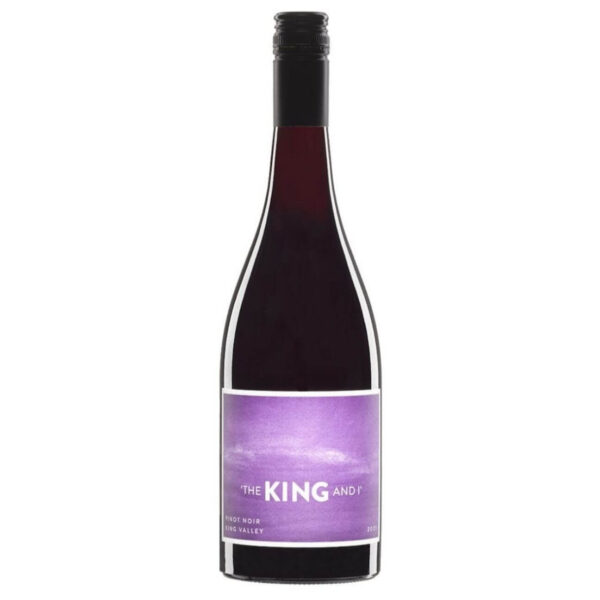
There exists a category of classic pairings so perfectly calibrated that they’ve transcended into near-dogma. Pan-fried duck breast with Pinot Noir is one of them. And unlike many food and wine axioms that collapse under scrutiny, this one absolutely holds up.
When a duck breast is cooked correctly, pink and blushing at the centre with the skin rendered to glossy mahogany, it reveals flavours that are simultaneously earthy and gamey. These are the characteristics that make Pinot Noir, particularly from Burgundy, seem almost unfairly well-suited to the task. The wine’s natural acidity cuts through the richness. The earthy, savoury notes of mushroom, leather, and forest floor in a mature Burgundy echo the gamey character of the meat. The delicate hints of black cherry in Old World expressions or more intense red cherry in New World versions provide just enough fruit to prevent the pairing from becoming austere.
This works equally well with a Bourgogne Rouge from a conscientious producer as it does with a premium village-level Pinot from Côte de Nuits. The key lies not in price but in structure. The wine needs sufficient body to stand alongside the duck without being overshadowed, yet the tannins must remain refined rather than aggressive.
For Australian drinkers, this opens a wider aperture than many realise. Whilst Burgundy remains the reference point, a properly made Yarra Valley or Mornington Peninsula Pinot Noir of genuine complexity can absolutely deliver the required pairing. The deeper fruit expression in Australian Pinots, particularly those from cool vintages, provides counterweight to the duck’s natural richness in a way that feels distinctly regional rather than derivative.
If you venture beyond Pinot Noir from this particular preparation, Barolo offers an interesting alternative. The Nebbiolo grape brings greater tannin structure and a more austere expression. This creates a different dynamic: the wine becomes less of a dance partner and more of a counterweight. It works particularly well if mushrooms feature in the sauce or as an accompaniment, as the affinities between Barolo and porcini are well-documented and profound.
 $57.00
/ bottle
$342.00 for a case of 6
$57.00
/ bottle
$342.00 for a case of 6
 $22.33
/ bottle
$268.00 for a case of 12
$22.33
/ bottle
$268.00 for a case of 12
 $55.33
/ bottle
$332.00 for a case of 6
$55.33
/ bottle
$332.00 for a case of 6
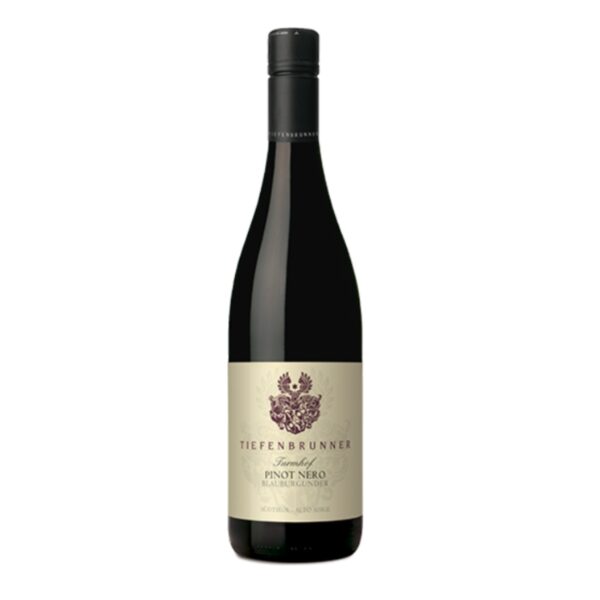
Tiefenbrunner Turmhof Pinot Nero /23
Shipped by
Wines Australia
$55.33
/ bottle
$332.00 for a case of 6
 $36.00
/ bottle
$432.00 for a case of 12
$36.00
/ bottle
$432.00 for a case of 12
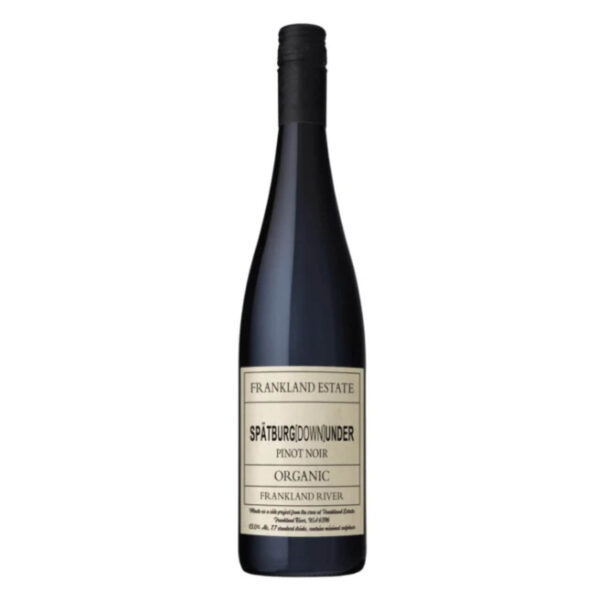
Frankland Estate Spatburg Down Under Pinot
Shipped by
A Good Bunch
$36.00
/ bottle
$432.00 for a case of 12
 $39.50
/ bottle
$474.00 for a case of 12
$39.50
/ bottle
$474.00 for a case of 12
 $44.00
/ bottle
$264.00 for a case of 6
$44.00
/ bottle
$264.00 for a case of 6
Lowe Wines Sparkling Pinot Cuvee
Shipped by
Lowe Family Wine Co
$44.00
/ bottle
$264.00 for a case of 6
 342 pts
 Duck Confit: When Wine Requires Real Substance
Move from a delicate pan-fried breast to duck confit, and you’ve entered entirely different territory. This is slow-cooked duck in its own fat, the meat so tender it falls from the bone, the flavour concentrated and unapologetically rich. This is not the moment for restraint in wine selection.
Here, the Pinot Noir of duck breast pairing becomes insufficient. The concentrated richness demands something more structurally substantial. This is where Malbec enters the conversation, particularly expressions from Cahors in south-west France. The plump, dark fruit and smoky finish of a good Cahors possess sufficient tannin structure to frame the confit’s intensity without becoming aggressive. Similarly, Madiran, made from the Tannat grape, offers even more structural power, its warming tannins providing genuine counterpoint to the fatty, rich preparation.
For Australian audiences, this also opens the door to Barossa Valley Shiraz or McLaren Vale expressions with genuine age. A Shiraz with a few years of bottle age develops the secondary characteristics that pair beautifully with confit: leather, spice, dried fruit complexity. The wine’s natural acidity, which might seem almost irrelevant at first pour, gradually reveals itself as crucial to balancing the fat.
Bordeaux Right Bank wines from Saint-Émilion, particularly those with significant Merlot expression, can also shine here. The fruit-forward nature, combined with structured tannins, creates something simultaneously generous and precise.
Chef Jacques Pépin, who spent decades working with French cuisine, articulates the philosophy behind confit pairings: “Confit is not elegant food. It is honest food, and it demands an honest wine. Your pairing must have the backbone to meet it as an equal, not defer to it. That is when magic happens.”
 $25.17
/ bottle
$151.00 for a case of 6
$25.17
/ bottle
$151.00 for a case of 6

 $40.83
/ bottle
$245.00 for a case of 6
$40.83
/ bottle
$245.00 for a case of 6
Bodega Catena Zapata High Mountain Vines Malbec
Shipped by
Wines Australia
$40.83
/ bottle
$245.00 for a case of 6


 $39.83
/ bottle
$239.00 for a case of 6
$39.83
/ bottle
$239.00 for a case of 6
 $29.17
/ bottle
$350.00 for a case of 12
$29.17
/ bottle
$350.00 for a case of 12
 $21.58
/ bottle
$259.00 for a case of 12
$21.58
/ bottle
$259.00 for a case of 12
 $29.00
/ bottle
$174.00 for a case of 6
$29.00
/ bottle
$174.00 for a case of 6
Higher Plane 'Time For Heroes' Malbec
Shipped by
Juniper Estate
$29.00
/ bottle
$174.00 for a case of 6
Roasted Duck: How Sauce Becomes the True Partner
Roasted duck occupies the middle ground between delicate breast and indulgent confit. Yet here, the preparation’s complexity mushrooms beyond simply the duck itself. The sauce or glaze determines the entire pairing strategy.
A roasted duck with minimal accompaniment, perhaps just a simple jus or a light herb reduction, slots comfortably into the Pinot Noir territory outlined above. The gentle approach to preparation allows the wine’s subtlety to shine through.
But introduce stronger sauce components, and everything shifts. Roasted duck with a cherry gastrique changes the calculus entirely. Now you’re hunting for a wine that can navigate between the duck’s gaminess, the sauce’s fruitiness, and the acidity you require. A Burgundy Pinot Noir with genuine concentration becomes more important. Alternatively, a Beaujolais Cru (from Côte-Rôtie or Morgon) offers sufficient red fruit intensity to match the cherry sauce without overwhelming the meat.
This is also where Australian cool-climate Pinots truly distinguish themselves. A Geelong or Macedon Ranges Pinot Noir, with its combination of bright acidity and darker fruit expression, possesses the architectural integrity to handle a roasted duck with sauce complexity. The wine’s natural tension carries through the entire meal.
Chef Alice Waters of Chez Panisse explains the philosophy this way: “The sauce is not decoration. It is the conversation between the protein and the vegetable world. Your wine must understand that conversation, not ignore it. Too many people choose wine for the duck and forget the sauce exists at all.”
Duck à l’Orange: The Unexpected White Wine Pairing
Here’s where duck makes an unexpected detour. Duck à l’Orange, that classic French bistro preparation, is one of the few duck dishes where white wine becomes not just viable but genuinely preferable.
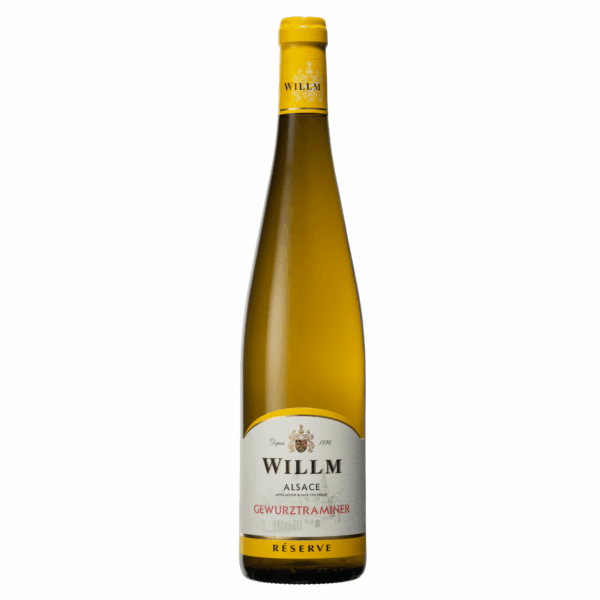
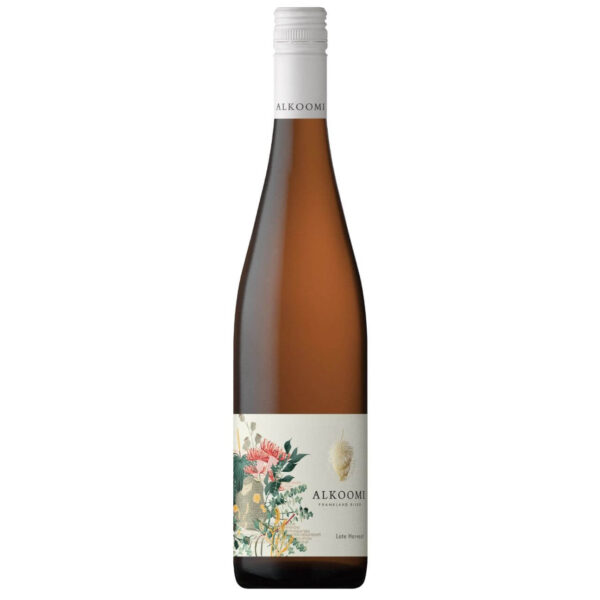
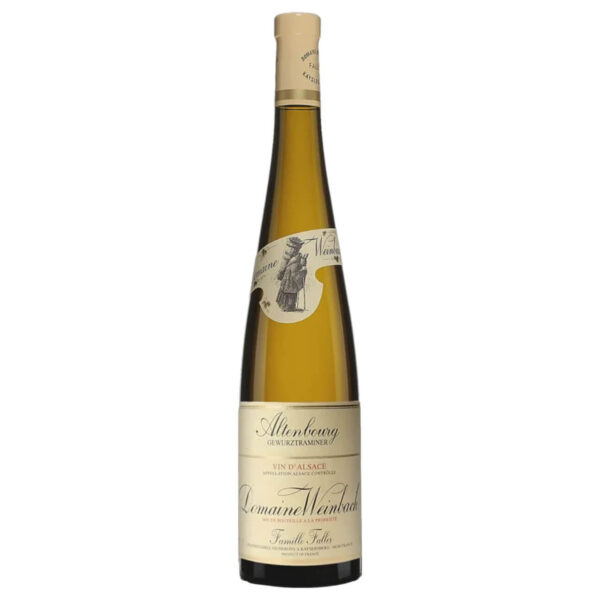
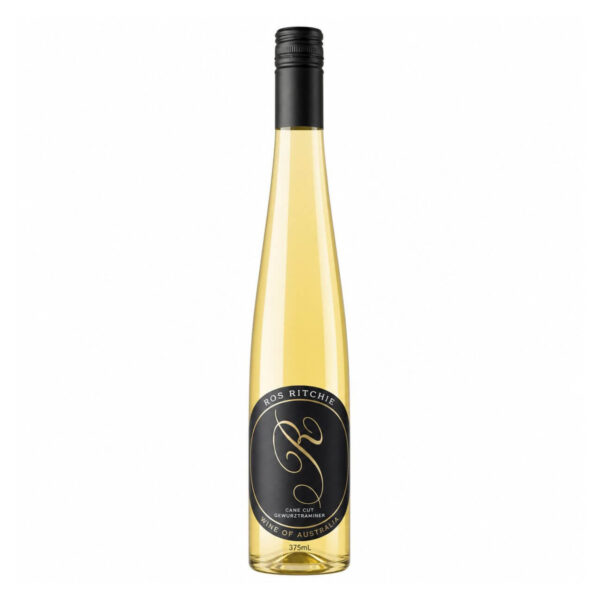
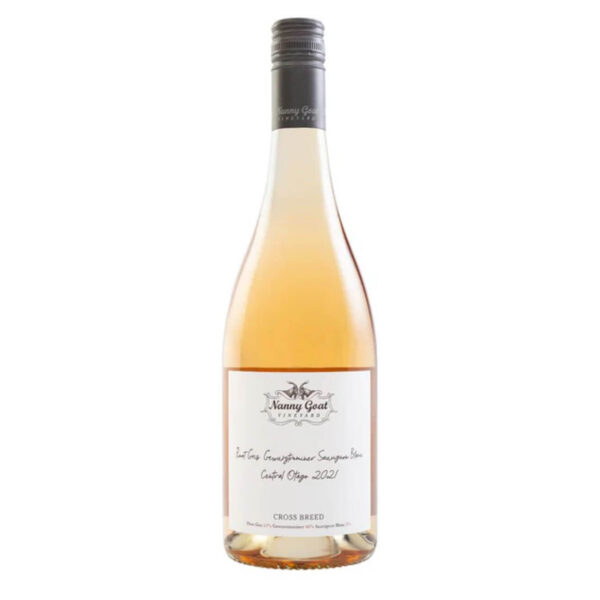
Gewürztraminer, the aromatic white from Alsace, is the canonical pairing. And it’s here that one begins to understand the depth of thought behind seemingly straightforward pairings. The wine’s lychee and orange rind flavours create an almost impossible-to-resist resonance with the sauce. The floral notes provide counterpoint to the meat’s gaminess. The spicy finish, which gives Gewürztraminer its distinctive character, echoes any spice elements in the glaze. The wine’s full body, unusual for a white, prevents it from being overshadowed by the richness of duck.
For Australian alternatives, this presents an interesting challenge. Few Australian producers specialise in Gewürztraminer, which means digging into Alsatian imports becomes necessary. However, a demi-sec Riesling from a quality Australian producer can work brilliantly here. The residual sugar echoes the sauce’s sweetness whilst the acidity provides the essential palate-cleansing function.
$264
off RRP
-55% Hot
 $40.00
$18.00
/ bottle
$216.00 for a case of 12
$40.00
$18.00
/ bottle
$216.00 for a case of 12
Harewood Estate Flux-VII White Blend
Shipped by
Wines By Cellars
$40.00
$18.00
/ bottle
$216.00 for a case of 12
 $32.00
/ bottle
$384.00 for a case of 12
$32.00
/ bottle
$384.00 for a case of 12

 $18.42
/ bottle
$221.00 for a case of 12
$18.42
/ bottle
$221.00 for a case of 12

 $128.00
/ bottle
$768.00 for a case of 6
$128.00
/ bottle
$768.00 for a case of 6
Weinbach Alsace Altenbourg Gewürztraminer
Shipped by
Fine Wine Cellars
$128.00
/ bottle
$768.00 for a case of 6
 $24.00
/ bottle
$144.00 for a case of 6
$24.00
/ bottle
$144.00 for a case of 6
Ros Ritchie Cane Cut Gewurztraminer 375ml
Shipped by
Ros Ritchie Wines
$24.00
/ bottle
$144.00 for a case of 6
 $38.50
/ bottle
$231.00 for a case of 6
$38.50
/ bottle
$231.00 for a case of 6
Asian Preparations: Where Merlot Surprises
Peking duck, Thai red curry preparations, Chinese five-spice glazes: these shift duck into entirely new territory. Here, conventional Burgundian wisdom crumbles.
A sommelier once described serving Pinot Noir with Peking duck as “pouring a watercolour over a neon sign.” The delicacy of the wine simply cannot compete with the intensity and complexity of the preparation. Instead, this is where a fuller-bodied, riper expression becomes necessary.
Merlot emerges as a sensible choice, particularly European expressions where the acidity remains sufficiently prominent. The rich, slightly sweet fruit flavours of a good Merlot sit comfortably alongside the five-spice elements. The wine’s texture, softer than a Cabernet Sauvignon, more substantial than a Pinot Noir, creates a bridge between the duck’s fattiness and the sauce’s intensity.
Alternatively, a Syrah from Crozes-Hermitage in the Northern Rhône offers a distinctly different profile. The peppery spice notes create natural affinities with Asian preparations. A Clare Valley Shiraz from Australia can work similarly well, the wine’s regional intensity matching the preparation’s boldness.
Chef Martin Yan, a lifelong advocate for Asian cuisine, reflects on this intersection: “Western wine culture treats Asian duck as an oddity. It’s not. It requires different thinking, that’s all. You cannot bring European sensibilities to this food. The wine must adapt to the spice, to the intensity, to the philosophy of the dish itself. That is how respect is shown.”
The Preparation Philosophy: Context Determines Everything
What all of this reveals is a fundamental principle that extends far beyond duck: the protein is merely the starting point. The sauce, the cooking method, the accompanying elements, the spice profile, these are the actual determinants of proper pairing.
This distinction matters profoundly, because it separates good pairing from merely reflexive pairing. Knowing that Pinot Noir goes with duck is useful information. Understanding that Pinot Noir works with duck breast cooked to pink with minimal sauce, but might prove insufficient for confit or inadequate for Peking duck, is genuine knowledge.
This is also where professional restaurant practice and home cooking diverge most dramatically. In a restaurant setting, the chef has predetermined how the duck will be prepared. The sommelier’s job is to understand that predetermined path and find the wine that completes the journey. At home, you have the luxury of choosing both the preparation and the wine in concert.
Chef Wolfgang Puck observes: “Duck teaches you that cooking and wine are not separate conversations. They are one conversation. Change the sauce, and you change what wine works. This is why I tell young chefs: understand your wine list as well as you understand your ingredients. They are equally important.”
The Restaurant Perspective: Reading Beyond the Menu
Professional cooks and sommeliers have historically used duck as a proving ground for wine knowledge. Watch a sommelier’s face when asked about pairing wine with duck. If they immediately suggest Pinot Noir and offer no alternatives, they’ve revealed their actual depth of understanding. If they begin asking questions about preparation, sauce, temperature, accompaniments, they’re engaging with the dish as it actually exists rather than as it exists in wine folklore.
The best service in this regard recognises that duck is the opposite of a simple pairing problem. It’s an invitation to think clearly about how wine and food actually interact at table.
For the Home Table: Making Intentional Choices
When roasting duck at home, the question shouldn’t be “what wine goes with duck?” but rather “what kind of duck experience am I creating tonight?” A simple roasted bird with minimal sauce calls for a different wine than the same bird dressed in a cherry gastrique. A confit preparation demands something the delicate breast would overwhelm.
The acidity requirement remains non-negotiable. But beyond that parameter, the possibilities expand dramatically. This is precisely why duck remains such a compelling table companion for wine lovers: it refuses to be dogmatic. It insists on thought, on consideration, on genuine engagement with both the food and the wine.
This is also why duck, more than perhaps any other protein, teaches the most valuable lesson about pairing: there are rules, but they exist to be understood, not merely followed. And the wines that prove most rewarding are those that challenge you to think clearly about what’s actually on the plate, not what you assume is there.
The moment you master duck, you’ve fundamentally shifted how you approach wine and food. You’ve moved from following guidelines to understanding principles. And that understanding transforms everything that follows.
 Shiraz
 Cabernet Sauvignon
 Pinot Noir
 Grenache
 Merlot
 Red Wine Blends
 Chardonnay
 Riesling
 Pinot Gris
 Semillon
 Viognier
 Grenache Rosé
 Pinot Noir Rosé
 Shiraz Rosé
 Sangiovese Rosé
 Aglianico Rosé
 Clairette Rose
 Champagne
 Prosecco
 Sparkling Shiraz
 Blanc de Blanc
 Blanc de Noir
 Pet Nat
 Moscato
 Topaque
 Port
Port Sherry (dry & sweet)
 Muscat & Tokay
 Vermouth