 0473 644 098 · Mon–Fri 9am–5pm AESTHelp & FAQ


Dolcetto – The Wine Piedmont Locals Drinks Every Day

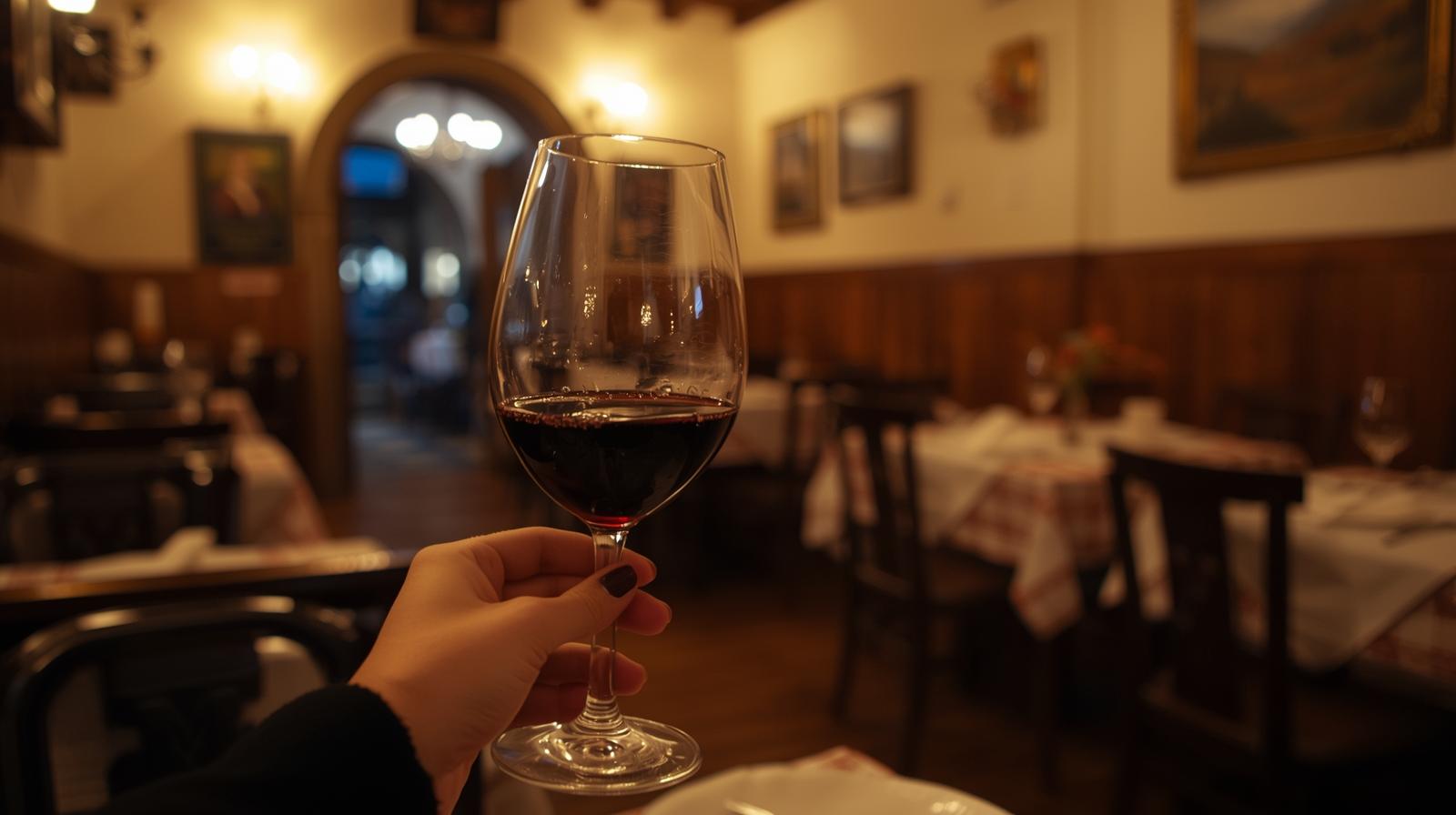
For too long, Dolcetto has lived in the shadow of its more celebrated Piedmontese siblings. Nebbiolo gets the headlines, Barbera gets the respect, and Dolcetto gets poured into ordinary wine glasses at neighbourhood restaurants. But ask any local what they’re actually drinking on an ordinary Tuesday night, and the answer is almost always Dolcetto.
This grape is the “friendship wine” of Piedmont. It is the wine that brings people together, that makes everyday meals taste better, and that consistently delivers more pleasure per dollar spent than almost anything else you can buy. The name itself, in Piemontese dialect, means “little sweet one,” though the wines are rarely sweet. Instead, they are juicy, approachable, and utterly honest expressions of where they come from.
Giuseppe Caviola, a consultant winemaker and Dolcetto fiend who makes exceptional examples under his own label Ca’Viola, explains the grape’s essential appeal: “Dolcetto is a typical Piemontese variety. It is not as famous as Nebbiolo or Barbera, especially abroad, but in Italy and Piedmont people know it very well and drink Dolcetto. It is the wine of the people.”
The Forgotten Third of Piedmont’s Holy Trinity
When people think of Piedmont, they think of the “Big Two”: Nebbiolo (for the titans like Barolo and Barbaresco) and Barbera (for the robust everyday drinker). But Piedmont actually has a third pillar, and it is Dolcetto.
The three grapes occupy distinct ecological niches. Nebbiolo demands the best south-facing slopes and poor soils to achieve its full potential. Barbera prefers deeper, more fertile clay soils. Dolcetto? It is the generalist, growing well where other varieties struggle. It ripens early, making it ideal for less favourable microclimates. It is, in essence, the practical choice. Yet from that practicality emerges something magical.
Mara Abbona, of the legendary Dogliani producer Marziano Abbona (founded in 1900 and now in its third generation), is a passionate advocate for the grape: “We really believe in this wine. Dolcetto has been made here for centuries, and we like to keep the fruitiness intense and avoid too much oak. It is about the wine, not about making a statement.”
The Terroir of Three Zones
Dolcetto’s greatest expression comes from three distinct zones in Piedmont, each producing a different style. Understanding these zones is key to appreciating the grape’s range.
Dolcetto d’Alba DOC
This is the most traditional expression and arguably the most elegant. Alba sits between the Barolo and Barbaresco zones, and Dolcetto d’Alba reflects that intermediate position. In the eastern vineyards (closer to Barolo and Barbaresco), the gray-bluish clay marls produce denser, more structured wines with real grip. In the western areas around the Belbo Valley, the looser, calcareous soils create brighter, more finely tuned, almost delicate versions. The best Dolcetto d’Alba balances ripe dark fruit with a stony minerality and vibrant acidity. It drinks beautifully young (within three to five years) but can surprise with complexity if you leave a bottle for a decade.
Dogliani DOCG
The Dogliani zone is considered by many locals to be the true spiritual home of Dolcetto. The DOCG designation (the highest Italian classification) here recognises that Dogliani produces some of Piedmont’s finest Dolcetto, often with more intensity and structure than Alba expressions. The wines are intensely perfumed, with aromas of dark fruit, coffee, and cacao. Local legend claims that Janus, a Roman god, visited this small town to drink its wines. Today, Dogliani DOCG only permits Dolcetto (with limited exceptions for Nebbiolo), meaning even the best vineyard sites are dedicated to this single grape. The result is a fierce pride in the variety and wines of genuine complexity.
Dolcetto di Ovada DOCG
The northernmost zone near Alessandria produces wines that are typically the most rustic and tannic of the three. Ovada sits at a higher altitude and cooler latitude, and the wines reflect that. They have more backbone, more earth, and more attitude than their Alba and Dogliani cousins. These are wines for serious food, not for casual sipping.
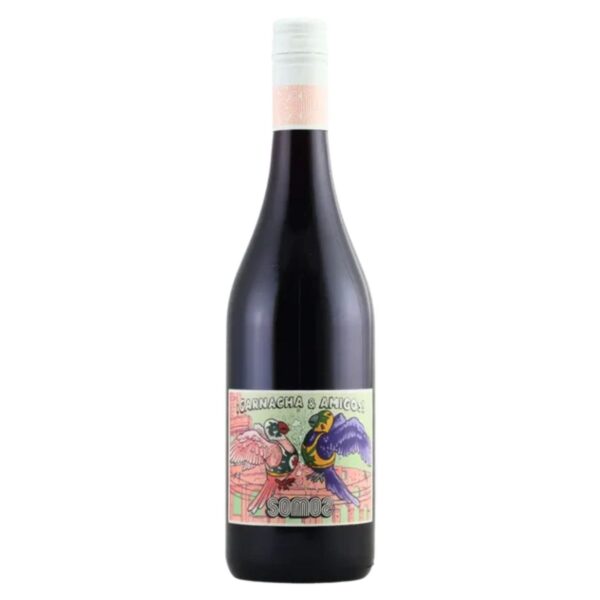 $21.58
/ bottle
$259.00 for a case of 12
$21.58
/ bottle
$259.00 for a case of 12
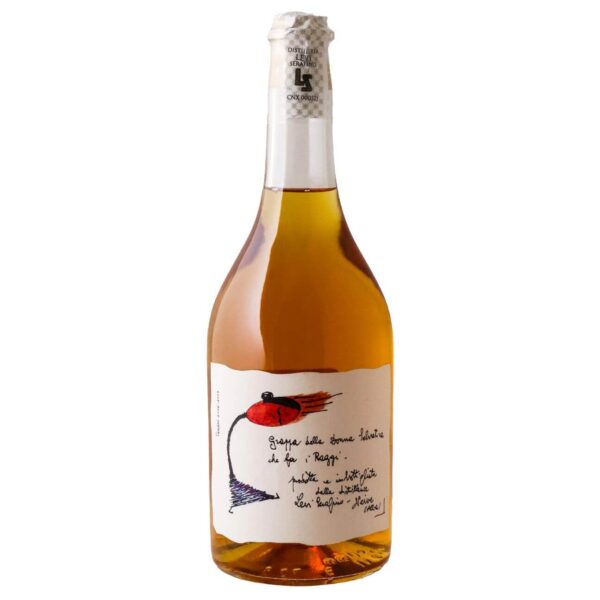 $200.00
/ bottle
$200.00 for a case of 1
$200.00
/ bottle
$200.00 for a case of 1
Levi Serafino Grappa Classica Ambrata
Shipped by
Principal Wines
$200.00
/ bottle
$200.00 for a case of 1
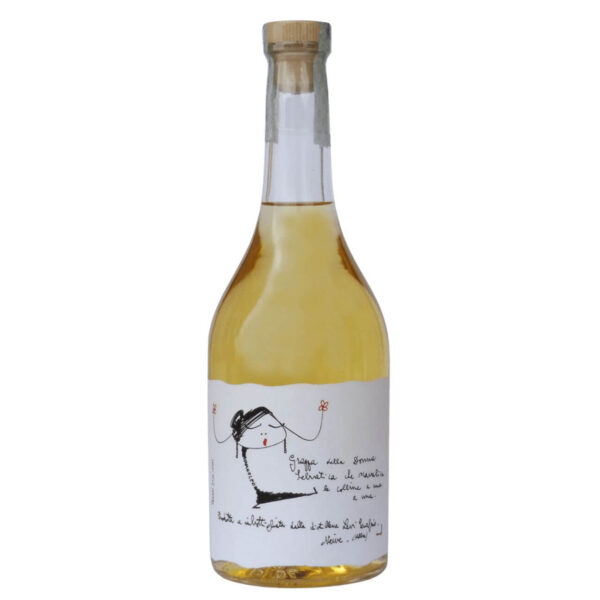 $181.00
/ bottle
$181.00 for a case of 1
$181.00
/ bottle
$181.00 for a case of 1


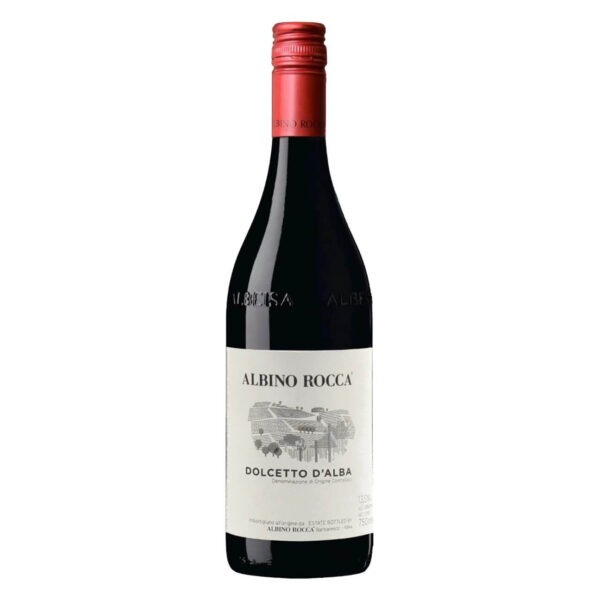 $43.50
/ bottle
$261.00 for a case of 6
$43.50
/ bottle
$261.00 for a case of 6
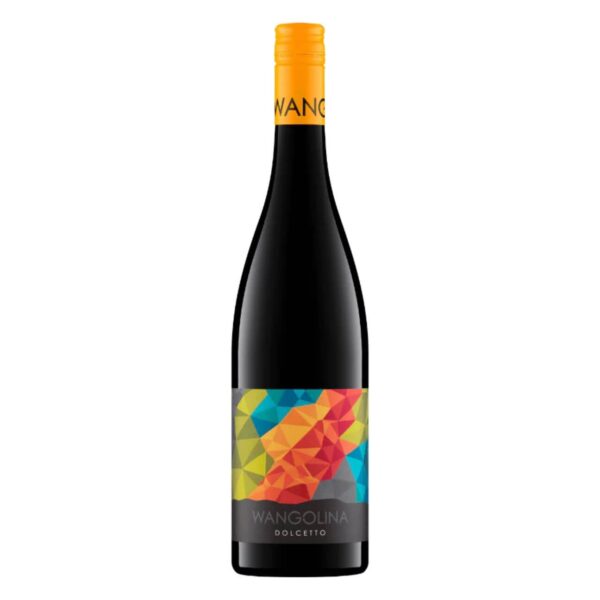 $29.00
/ bottle
$174.00 for a case of 6
$29.00
/ bottle
$174.00 for a case of 6
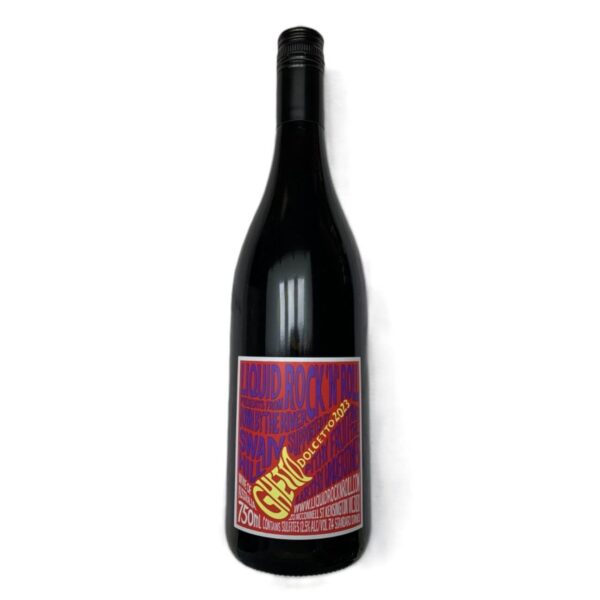 $26.83
/ bottle
$322.00 for a case of 12
$26.83
/ bottle
$322.00 for a case of 12
Liquid Rock'n Roll Ghetto Dolcetto
Shipped by
Red Drop Wines
$26.83
/ bottle
$322.00 for a case of 12
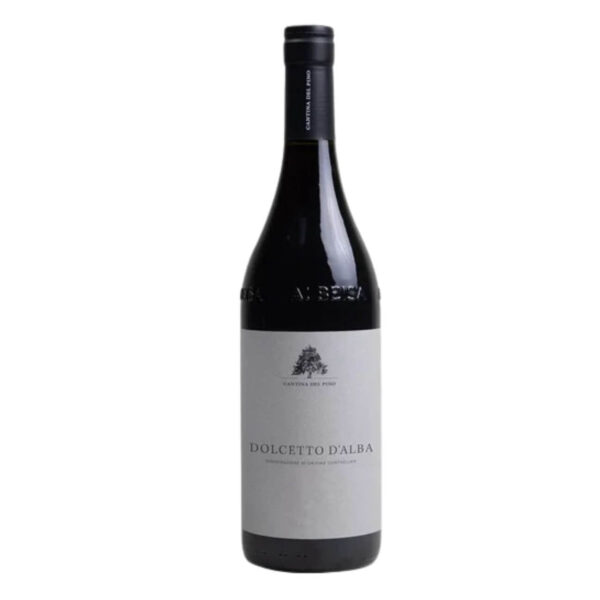 $37.17
/ bottle
$446.00 for a case of 12
$37.17
/ bottle
$446.00 for a case of 12
Cantina del Pino Dolcetto d'Alba
Shipped by
World Wine Estates
$37.17
/ bottle
$446.00 for a case of 12
 $47.83
/ bottle
$574.00 for a case of 12
$47.83
/ bottle
$574.00 for a case of 12
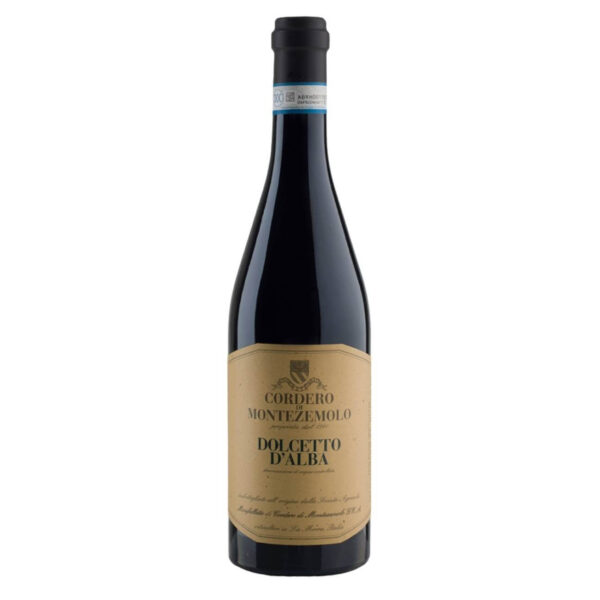
Cordero di Montezemolo Dolcetto d'Alba
Shipped by
Oatley Fine Wine Merchants
$47.83
/ bottle
$574.00 for a case of 12
 $21.58
/ bottle
$259.00 for a case of 12
$21.58
/ bottle
$259.00 for a case of 12
 259 pts
 The Challenge: Managing Those Troublesome Tannins
Here is where Dolcetto becomes fascinating from a winemaking perspective. The Dolcetto grape is notoriously difficult to work with. Each berry contains three seeds (compared to two or three in most other varieties), and those seeds are loaded with aggressive tannins. Excessive maceration can render the wine bitter and undrinkable.
This is why most Dolcetto is fermented with very short skin contact, often just seven to ten days. The goal is to extract enough colour and tannin for structure, but not so much that the wine becomes harsh. This technical challenge has historically meant that Dolcetto gets less winemaker attention than Nebbiolo or Barbera, which can handle longer maceration and heavier oak.
But top producers like Ca’Viola and Marziano Abbona have cracked the code. By carefully choosing harvest date (picking when the grapes are ripe but not overripe), by managing fermentation temperature, and by limiting maceration time, they create wines that are soft and approachable yet possess real depth and complexity.
The Flavour Profile: Black Fruit, Cocoa, and Dusty Violets
Young Dolcetto tastes like fresh-picked plums, blackberries, and cassis wrapped in black pepper and dried cocoa. There is an almost creepy, slightly bitter edge (very typical of quality Italian reds) that adds textural complexity. Some describe notes of violet, others detect a dusty, earthy undertone.
The key characteristic is roundness and ripeness without heaviness. Dolcetto is meaty in the mouth, but it remains refreshingly light on its feet. The alcohol typically sits between 12 and 13.5%, making these wines infinitely more drinkable than the 16% monsters of Barolo.
The Glass: Dolcetto is Pure Food Wine
Unlike Nebbiolo, which can be precious and demands contemplation, Dolcetto was designed to accompany food. It is almost impossible to find a dish where Dolcetto feels wrong.
The wines work beautifully with cured meats (prosciutto, speck), rich pasta dishes (tagliatelle with ragù, tajarin with butter and truffle), mushroom-based soups, and aged cheeses. They pair well with roasted vegetables, particularly eggplant, tomatoes, and garlic. They even work with lighter stews and braises.
Mara Abbona notes the everyday versatility: “In our family, we drink Dolcetto every day. It is not a special occasion wine. It is a Tuesday night wine, a family lunch wine. It is the wine that makes simple food taste special.”
The Producers Worth Seeking
If you are exploring Dolcetto, these names represent the quality-focused producers reshaping how the world sees this grape:
-
Ca’Viola: Giuseppe Caviola’s personal project produces some of Piedmont’s finest Dolcetto, particularly the Dolcetto di Dogliani. His attention to detail rivals any producer making Barolo.
-
Marziano Abbona: Five generations of Dolcetto expertise in Dogliani. Their San Luigi bottling, made entirely without oak, showcases the grape’s pure fruit character and proves that Dolcetto needs no wood tricks.
-
Chionetti: A small producer in Dogliani (founded 1912) making exemplary traditional Dolcetto. Recent additions of Barolo show they respect quality above all else.
-
Ettore Germano: Known primarily for serious Barolo and Barbera, Germano also makes an excellent Dolcetto d’Alba that punches well above its price point.
-
Arcadian: A newer producer making modern, fruit-forward styles that appeal to those who want approachable Dolcetto without sacrificing depth.
The Real Story: Why Dolcetto Matters Now
The wine world has become obsessed with extremes. On one end, there is the budget supermarket wine, designed to disappear quietly into a Friday night. On the other, there is the collectible trophy bottle, the wine that costs more than rent and demands reverence.
Dolcetto offers something rare and increasingly precious: a wine that tastes genuinely good without requiring apology or explanation. It is serious enough for wine lovers yet approachable enough for anyone picking up a bottle in a shop. It is rich enough to satisfy, yet elegant enough not to overwhelm. It ages gracefully without demanding decades in a cellar. It pairs with nearly everything yet never tries too hard.
In an era of Instagram wine scores and auction-house hype, Dolcetto represents a quiet rebellion. It refuses to be fashionable. It refuses to demand attention. It simply wants to sit on your table, fill your glass, and make your dinner taste better.
The Piedmontese have understood this for generations. They were never chasing prestige or points. They were simply drinking what tasted good, what grew in their soil, and what made them happy. The rest of the world is finally catching on. And for once, following the locals’ lead is exactly the right decision.
Pour a glass. Eat something delicious. That is all Dolcetto asks.
 Shiraz
 Cabernet Sauvignon
 Pinot Noir
 Grenache
 Merlot
 Red Wine Blends
 Chardonnay
 Riesling
 Pinot Gris
 Semillon
 Viognier
 Grenache Rosé
 Pinot Noir Rosé
 Shiraz Rosé
 Sangiovese Rosé
 Aglianico Rosé
 Clairette Rose
 Champagne
 Prosecco
 Sparkling Shiraz
 Blanc de Blanc
 Blanc de Noir
 Pet Nat
 Moscato
 Topaque
 Port
Port Sherry (dry & sweet)
 Muscat & Tokay
 Vermouth