 0473 644 098 · Mon–Fri 9am–5pm AESTHelp & FAQ


Nick O’Leary Tumbarumba Chardonnay 2024: Cool‑Climate Precision in a Glass


Nick O’Leary Tumbarumba Chardonnay 2024 stands as one of the most compelling cool‑climate Australian Chardonnay releases, marrying precision, flinty complexity and genuine regional character from the Snowy Mountains foothills of New South Wales. For readers browsing online and looking to buy chardonnay wine, this label shows exactly how modern Australian cool‑climate Chardonnay can balance flinty detail with real drinkability.
Nick O’Leary Tumbarumba Chardonnay 2024: what is in the glass?
Nick O’Leary Tumbarumba Chardonnay 2024 is sourced from three of Tumbarumba’s oldest vineyards, including sites such as Johansen/Glenburnie, Wondalba and Tooma, all sitting at high altitude in the western reaches of the Snowy Mountains. The grapes are handpicked, then whole‑bunch pressed directly to French oak, with about 35% new barriques and puncheons and the remainder seasoned barrels between one and four years of age. Wild yeast fermentation, full malolactic conversion and extended lees ageing (with regular stirring and topping) build texture and complexity without sacrificing the line of natural acidity that defines Tumbarumba Chardonnay.
In the glass, the style sits firmly in the modern Australian Chardonnay camp: flinty, struck‑match sulphides, preserved lemon, grapefruit pith and white stone fruits layered over shaved almonds and subtle nutty oak. The palate is rich and creamy in texture, even opulent for its youth, yet bright acidity and a long, citrus‑driven finish keep everything fresh rather than heavy. This combination of wild‑ferment complexity, French oak and cool‑climate acidity is precisely what many drinkers have in mind when they set out to buy chardonnay wine from premium Australian regions.
The winemaker: how Nick O’Leary built his reputation
Nick O’Leary established his eponymous winery in the picturesque Hall Valley, in the Murrumbidgee River corridor just outside the ACT, after a major corporate producer withdrew from the Canberra District and he chose to stay and concentrate on the region he believed in. From the outset, Nick O’Leary Wines focused on hand‑worked Riesling and Shiraz that could express Canberra’s cool climate and granitic soils with clarity, gradually adding small‑lot Chardonnay and other varieties as suitable high‑altitude fruit sources became available. Recognition followed quickly, with trophies and strong critical attention signalling that this was one of the leading modern producers of the broader Canberra and high‑country zone.
Critics often note the brightness and purity of fruit in Nick O’Leary’s wines, and that emphasis on clarity runs straight through his Chardonnay. Whole‑bunch pressing, wild ferments, judicious new oak and careful lees work are all classic tools of contemporary high‑quality Chardonnay in Australia, and O’Leary uses them to emphasise site rather than overwhelm it. For anyone searching “Nick O’Leary Wines Canberra District” or “Nick O’Leary Tumbarumba Chardonnay review”, understanding this quietly exacting winemaking philosophy explains why the wine tastes so assured despite its youth.
Tumbarumba: why this high‑country region matters for Chardonnay
Tumbarumba, in the western foothills of the Snowy Mountains, has quietly become one of Australia’s most respected sources of cool‑climate Chardonnay. High elevations, cold nights and a long, slow ripening season give grapes with piercing acidity and fine flavour development, ideal for producers chasing mineral, citrus‑lined expressions rather than broad, tropical styles. Initially best known as a base‑wine source for sparkling producers, Tumbarumba has more recently produced still Chardonnays with serious attention, combining lemon and grapefruit drive with subtle mealiness and flinty complexity.
Nick O’Leary’s decision to work with three of Tumbarumba’s oldest vineyards for this Chardonnay suggests a deliberate pursuit of vine age and site character. Recent releases from these sites tend to show descriptors such as mineral, creamy, balanced and tightly wound, with smoky sulphides and spicy French oak sitting neatly inside a frame of lemon and grapefruit. This is classic cool‑climate Australian Chardonnay territory, and it is exactly the sort of regional story that appeals to drinkers who do not just want to buy chardonnay wine, but specifically want bottles with a clear sense of origin.
Featured Wines
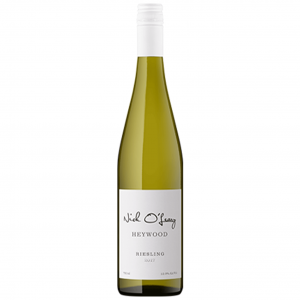
Nick O'Leary Heywood Riesling 2024 (6 Bottles) Canberra
Add to Cart
$38.17
/ bottle
$229.00 for a case of 6
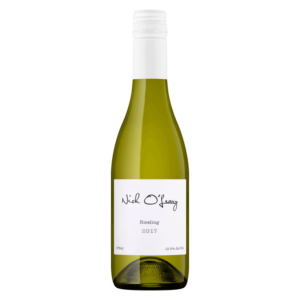
Nick O'Leary Riesling 2025 (12 Bottles) Canberra, SA
Add to Cart
$26.08
/ bottle
$313.00 for a case of 12
Style, food matching and cellaring
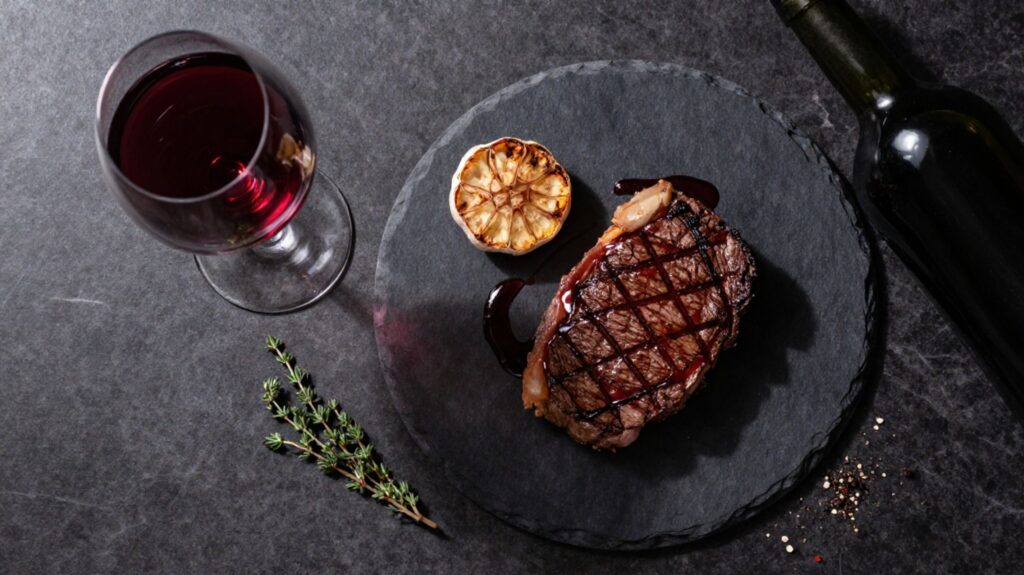
On the table, Nick O’Leary Tumbarumba Chardonnay 2024 works squarely as a food wine. The combination of preserved lemon pith, white peach, grapefruit and almond makes it a natural match for grilled white fish, roast chicken with lemon and thyme, or richer shellfish dishes such as scallops with brown butter and hazelnuts. That struck‑match and flinty character also holds up well against dishes with a gently smoky or chargrilled element, like spatchcock or barbecued prawns, where broader, softer Chardonnays might feel too sweet or heavy. If dishes like these appear regularly on the table, it makes particular sense to purchase chardonnay wine that can handle both delicacy and richness in the one meal.
Structurally, the wine’s creamy mid‑palate is framed by fresh acidity, suggesting that Nick O’Leary Tumbarumba Chardonnay 2024 will develop extra complexity over the next five to seven years, gaining honeyed and nutty nuances while retaining line and focus. Anyone stocking a small home cellar for versatile entertaining can confidently buy chardonnay wine like this knowing it will pour beautifully both now and with some bottle age. This is not a heavily oaked, buttery throwback, nor is it a razor‑sharp, unoaked style; instead it sits in the modern, balanced camp that many enthusiasts seek when they look for premium Australian Chardonnay from genuinely cool sites.
Why this Chardonnay stands out in an online search
For anyone browsing Australian retailers and search engines for Tumbarumba Chardonnay or Nick O’Leary wines, the 2024 release offers a very clear proposition. It combines the high‑country precision of Tumbarumba with the established track record of Nick O’Leary Wines, a producer already firmly embedded in the conversation around serious cool‑climate Australian wine. The detailed winemaking (handpicking, whole‑bunch pressing, wild ferment, malolactic conversion and lees stirring) reads like a checklist for ambitious Chardonnay, and the tasting profile of preserved lemon pith, grapefruit, white peach and shaved almonds ties directly into the style many drinkers want in their glass right now.
For Australian enthusiasts comparing options before they buy chardonnay wine online, Nick O’Leary Tumbarumba Chardonnay 2024 emerges as an obvious candidate, offering provenance, craftsmanship and a flavour profile that is both highly contemporary and firmly rooted in its high‑country origins.











 Shiraz
 Cabernet Sauvignon
 Pinot Noir
 Grenache
 Merlot
 Red Wine Blends
 Chardonnay
 Riesling
 Pinot Gris
 Semillon
 Viognier
 Grenache Rosé
 Pinot Noir Rosé
 Shiraz Rosé
 Sangiovese Rosé
 Aglianico Rosé
 Clairette Rose
 Champagne
 Prosecco
 Sparkling Shiraz
 Blanc de Blanc
 Blanc de Noir
 Pet Nat
 Moscato
 Topaque
 Port
Port Sherry (dry & sweet)
 Muscat & Tokay
 Vermouth