 0473 644 098 · Mon–Fri 9am–5pm AESTHelp & FAQ


Cabernet Sauvignon vs Merlot: A Straightforward Guide for Australian Drinkers

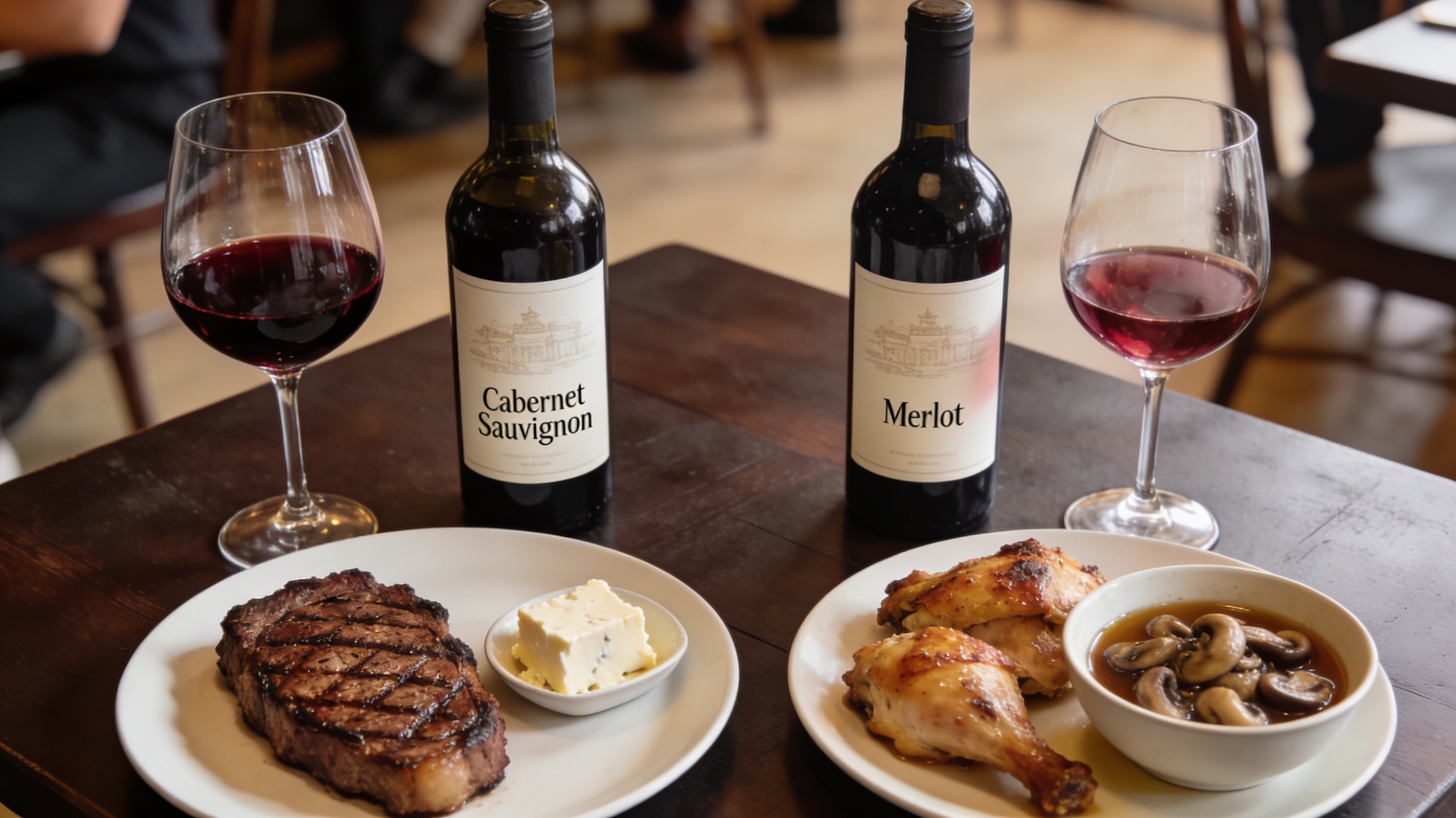
Cabernet Sauvignon and Merlot sit side by side on so many wine lists that they can appear interchangeable, yet in the glass they tell very different stories. Understanding those differences helps readers decide not just what to drink tonight, but whether to buy Cabernet Sauvignon wine for the cellar or focus instead on buying Merlot wine online for softer, earlier‑drinking pleasure.
Where these two classics really come from
Cabernet Sauvignon and Merlot share an origin in Bordeaux, and even share a parent grape in Cabernet Franc, yet they behave quite differently in the vineyard. Cabernet Sauvignon is a late ripener with small, thick‑skinned berries, which gives higher tannin, deeper colour and often more pronounced acidity. Merlot ripens earlier, with thinner skins and slightly larger berries, which typically results in softer tannins, rounder texture and a more immediately approachable style of wine.
In Bordeaux’s Left Bank, Cabernet Sauvignon dominates blends that emphasise structure and longevity, whilst the Right Bank leans towards Merlot for plushness and suppleness. Australian regions such as Coonawarra and Margaret River tend to echo this pattern, with Cabernet Sauvignon as the backbone variety and Merlot playing a textural supporting role, even when bottled varietally.
How Cabernet Sauvignon and Merlot actually taste
On the palate, Cabernet Sauvignon usually signals itself with blackcurrant, black cherry and cassis notes, often joined by cedar, tobacco, graphite and sometimes green capsicum, especially in cooler sites. The tannins are firmer, the acidity brighter, so the wine feels more structured and can seem “serious” or even austere in youth. Merlot, by contrast, leans towards plum, raspberry, ripe strawberry and often hints of chocolate or vanilla from oak, wrapped in a smoother, more velvety mouthfeel. This softer frame means many Merlot wines are ready to drink earlier and feel less demanding at the table.
Here is a simple at‑a‑glance snapshot of their core characters.
Because of that structure, lovers of steakhouse reds and cellaring projects often gravitate towards producers where they can confidently buy Cabernet Sauvignon wine that will evolve for a decade or more, whereas those wanting something softer and more relaxed for mid‑week drinking are well served by buying Merlot wine online from reputable Australian merchants.
Cabernet Sauvignon vs Merlot: which is sweeter?
Technically, both Cabernet Sauvignon and Merlot are fermented dry; residual sugar is usually very low in quality examples of either style. The confusion arises because Merlot often feels “sweeter” in the mouth due to its ripe, juicy plum and cherry fruit and its softer tannins. Our brains tend to read bright, ripe fruit and a lack of astringency as sweetness, even when laboratory analysis shows both wines at similar sugar levels.
Cabernet Sauvignon, with its darker fruit, savoury notes of cedar and graphite, and more assertive tannin, usually tastes drier and more serious, particularly from cooler climates or more traditional producers. Merlot, especially from warmer regions or riper vintages, can give a round, almost plummy richness that many casual drinkers perceive as sweet, even though it is technically just as dry as Cabernet Sauvignon. For anyone sensitive to tannin and dryness, that perception matters more than the chemistry, which is why those exploring red wine for the first time so often find Merlot less confronting than a young, muscular Cabernet Sauvignon.
 $25.17
/ bottle
$151.00 for a case of 6
$25.17
/ bottle
$151.00 for a case of 6
 $69.00
/ bottle
$414.00 for a case of 6
$69.00
/ bottle
$414.00 for a case of 6
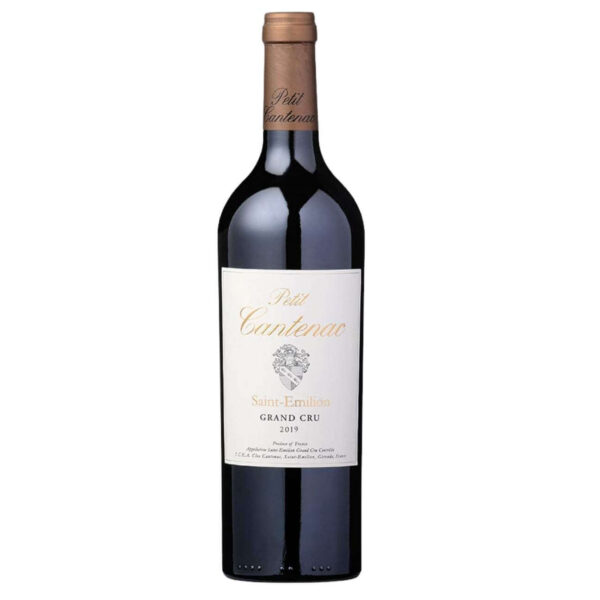
Clos Cantenac Petit Cantenac Saint-Émilion Grand Cru
Shipped by
Oatley Fine Wine Merchants
$69.00
/ bottle
$414.00 for a case of 6

 $90.50
/ bottle
$543.00 for a case of 6
$90.50
/ bottle
$543.00 for a case of 6
 $67.67
/ bottle
$812.00 for a case of 12
$67.67
/ bottle
$812.00 for a case of 12

 $17.92
/ bottle
$215.00 for a case of 12
$17.92
/ bottle
$215.00 for a case of 12
 $22.83
/ bottle
$274.00 for a case of 12
$22.83
/ bottle
$274.00 for a case of 12
 151 pts
 Food on the table: pairing and cooking
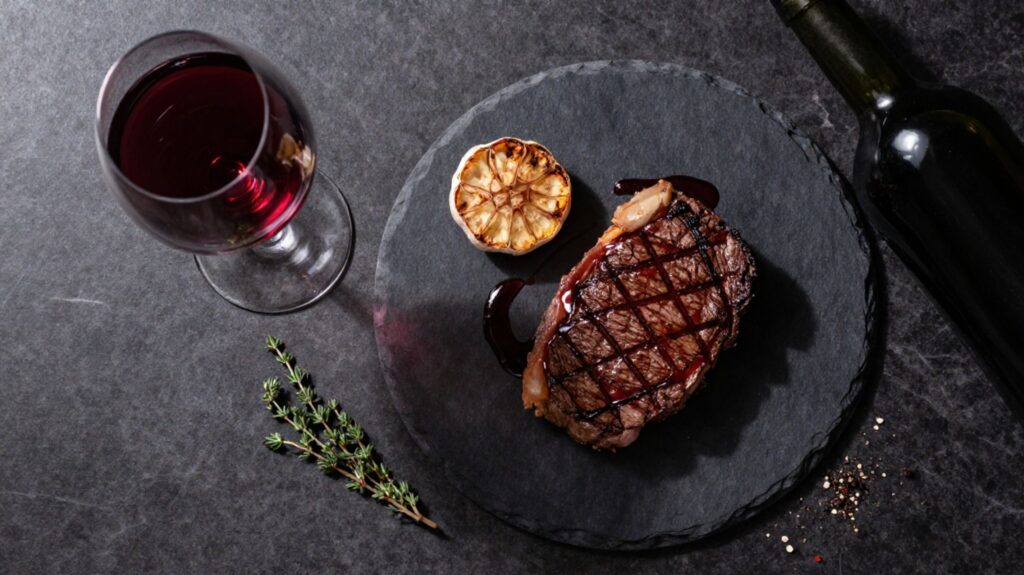
At the table, Cabernet Sauvignon is the natural partner for richer, more robust dishes. Beef, lamb, venison and strongly flavoured hard cheeses all match nicely with its structure and depth. The grippy tannins interact with protein and fat, softening on the palate and allowing blackcurrant and spice notes to shine alongside charred or slow‑cooked meats. Merlot’s gentler frame and softer tannins make it a friend to roast chicken, turkey, duck and dishes where the seasoning is more herbal than intensely smoky. Here the wine amplifies savoury and subtle flavours rather than dominating them.
For Australian readers cooking at home, a simple rule works well. Reach for Cabernet Sauvignon with grilled lamb cutlets, slow‑cooked lamb shanks or beef bourguignon, since that structure both tenderises the meat during cooking and brings depth to the sauce. Choose Merlot with coq au vin, chicken and mushroom casseroles or lighter red‑sauce pasta dishes, where its fruit‑forward profile and moderate acidity add lift without heaviness. When planning an online order for a weekend menu, this is where it makes sense to buy Cabernet Sauvignon wine for the hearty main course and complement it by buying Merlot wine online for gentler dishes or guests who prefer a softer style.
Cabernet Sauvignon vs Merlot for cooking
When wine goes into the pan rather than the glass, the same structural differences still apply, but heat changes the way they show. Cabernet Sauvignon’s firmer tannins and higher acidity can be a real asset in long, slow braises and reductions, where those tannins mellow over time and add complexity rather than harshness. Classic dishes such as beef bourguignon and slow‑braised lamb absorb Cabernet Sauvignon’s blackcurrant, cedar and spice notes, creating depth and savoury length in the finished sauce.
Merlot, with its lower tannin load and softer fruit, suits dishes with more delicate meats or where the sauce should stay silky and rounded. Recipes featuring chicken, turkey or duck benefit from Merlot’s plum and cherry notes and its gentle acidity, which enhances flavour but avoids any bitter edge once reduced. In both cases, mid‑priced, fruit‑forward wines are preferable to heavily oaked or ultra‑ageworthy bottles; extended oak or extreme structure can translate into unwanted bitterness once boiled and reduced. For Australian home cooks stocking the pantry, that means choosing an affordable bottle when planning to cook, and reserving the more serious purchases for nights when the wine is allowed to speak clearly in the glass.
Choosing between them when you are shopping online
From a practical, Australian retail perspective, the choice often comes down to how and when the wine will be drunk. Those who enjoy structured reds with clear varietal definition, and who are willing to give bottles time in the cellar, will naturally lean towards Cabernet Sauvignon. In that case, it makes sense to buy Cabernet Sauvignon wine from producers and regions known for balance and ageing potential, whether that is a classic Left Bank Bordeaux or a Coonawarra Cabernet with its hallmark cassis and mint notes.
Others may want something ready to drink now, smooth on its own and forgiving with a range of foods from pizza to roast chicken. Here, buying Merlot wine online from a trusted Australian retailer gives access to smooth, medium‑bodied reds that are ready to enjoy now without needing years in the cellar. Many Australian wine merchants curate mixed cases that juxtapose Cabernet Sauvignon and Merlot, allowing drinkers to taste the contrast side by side and discover where their preferences truly lie. For anyone who prefers softer tannins and plush plum‑and‑cherry fruit, it can make far more sense to buy Merlot online in mixed selections and gradually learn which regions and producers suit their palate best.







 Shiraz
 Cabernet Sauvignon
 Pinot Noir
 Grenache
 Merlot
 Red Wine Blends
 Chardonnay
 Riesling
 Pinot Gris
 Semillon
 Viognier
 Grenache Rosé
 Pinot Noir Rosé
 Shiraz Rosé
 Sangiovese Rosé
 Aglianico Rosé
 Clairette Rose
 Champagne
 Prosecco
 Sparkling Shiraz
 Blanc de Blanc
 Blanc de Noir
 Pet Nat
 Moscato
 Topaque
 Port
Port Sherry (dry & sweet)
 Muscat & Tokay
 Vermouth