 0473 644 098 · Mon–Fri 9am–5pm AESTHelp & FAQ


IWSC 2026 Results Explained: How the International Wine & Spirit Competition Helps You Choose the Best Wines Online


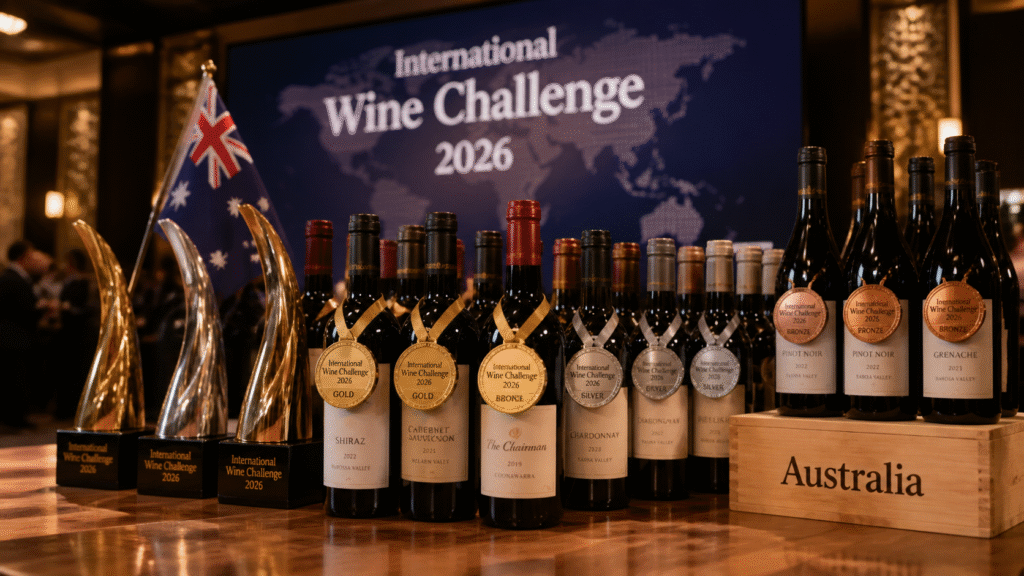
The International Wine & Spirit Competition (IWSC) has become one of those names that quietly sits on back labels and shelf‑talkers, yet profoundly influences what serious drinkers choose to open. The 2026 edition is particularly revealing, not just for who won what, but for what it tells us about where global wine (and Australian wine within it) is heading.
What the IWSC actually is and why it matters
The IWSC began in London in 1969, designed to judge wines and spirits under controlled, laboratory‑style conditions rather than as part of a trade fair or festival. Today it operates on a genuinely global scale, with judging panels made up of Masters of Wine, sommeliers, buyers, winemakers and specialist writers, all tasting blind so labels and reputations cannot influence scores.
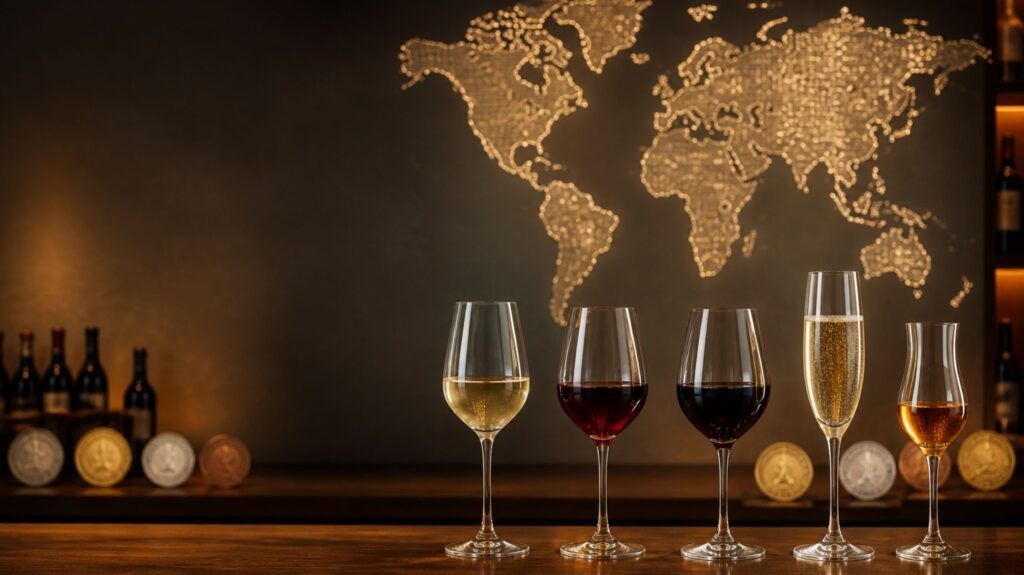
At its simplest, the competition awards bronze, silver and gold medals, with a small number of gold medal wines later put forward for trophies in their category. For drinkers who might not follow every critic or publication, an IWSC medal offers a quick signal: this bottle has gone through a crowded field and convinced a roomful of experts it deserves to stand out. When you are trying to find top-rated Chardonnay white wines or a dependable Shiraz online, that little round sticker on the bottle can make a useful starting point.
How the 2026 competition is structured
One of the more interesting developments in recent years is the way the IWSC has moved away from being a single London‑based event towards a rolling calendar of judging sessions around the world. In 2026, wine judging is spread across multiple locations, including London and partner regions, with results released in waves through the year.
For producers, entries begin with a straightforward online submission and sample shipment, guided by detailed category rules that ensure Chardonnay is judged with Chardonnay, Riesling with Riesling, and so on. Panels taste in controlled conditions, usually in complete silence, scoring each wine on balance, flavour, typicity (how well it represents its style) and overall quality. The highest‑scoring wines receive gold. Those golds in turn go to a separate round, where judges select category trophies such as “Chardonnay Trophy” or “Australian Producer Trophy”.
For someone who might simply want to buy Chardonnay online in Australia, the detail behind the process may sound arcane, but the outcome is simple. A wine that wins gold or a trophy has been through several layers of scrutiny, often in direct comparison with dozens of peers from around the world.
Global highlights from IWSC 2026
Although the official medal database for 2026 runs to thousands of entries, some broad themes are already emerging from early analysis of the results. European regions such as France, Italy and Spain once again dominate the raw medal count, which is hardly surprising given their sheer production volumes and the number of entries they submit. France and Italy continue to shine in classic categories like Bordeaux blends, Barolo, Chianti and Champagne, while Spain stands out for a particularly strong showing in modern reds and white styles beyond the traditional stereotypes.
Yet the most interesting story is arguably the spread of quality outside Europe. Judges have highlighted a noticeable rise in the standard of wines from emerging regions in Eastern Europe and China, along with increasingly polished examples from South Africa, Chile and Argentina. For Australian drinkers, this matters because it changes what “competition” really means; when a bottle performs strongly at the IWSC today, it has succeeded in a far more diverse and demanding field than it would have faced twenty years ago.
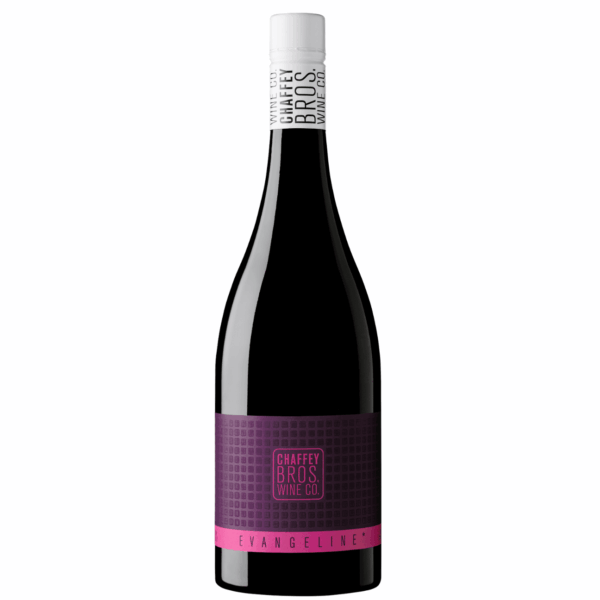 $38.83
/ bottle
$233.00 for a case of 6
$38.83
/ bottle
$233.00 for a case of 6
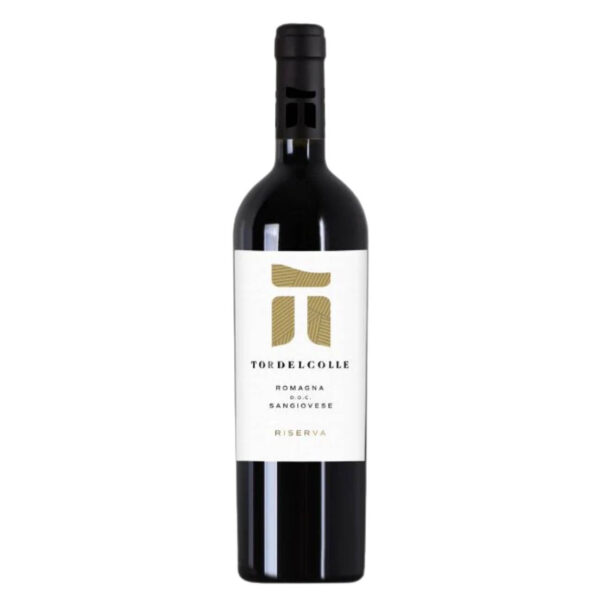 $32.83
/ bottle
$197.00 for a case of 6
$32.83
/ bottle
$197.00 for a case of 6
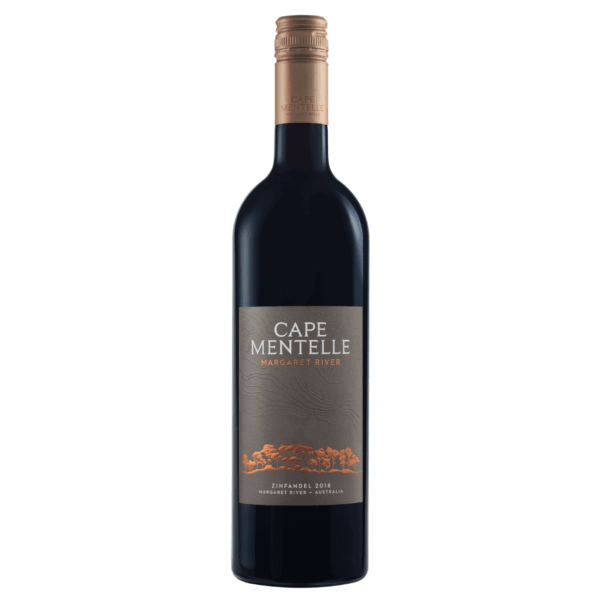 $58.67
/ bottle
$352.00 for a case of 6
$58.67
/ bottle
$352.00 for a case of 6
Cape Mentelle Zinfandel
Shipped by
Oatley Fine Wine Merchants
$58.67
/ bottle
$352.00 for a case of 6
 $25.17
/ bottle
$151.00 for a case of 6
$25.17
/ bottle
$151.00 for a case of 6


 $42.00
/ bottle
$252.00 for a case of 6
$42.00
/ bottle
$252.00 for a case of 6
 $31.17
/ bottle
$187.00 for a case of 6
$31.17
/ bottle
$187.00 for a case of 6
 233 pts
 Where Australia stands in the 2026 results
Australia continues to punch above its weight at international competitions, and the IWSC 2026 is no exception. While the country does not match Europe in sheer medal numbers, Australian entries often achieve an impressively high ratio of gold and silver medals relative to the volume of wines submitted.
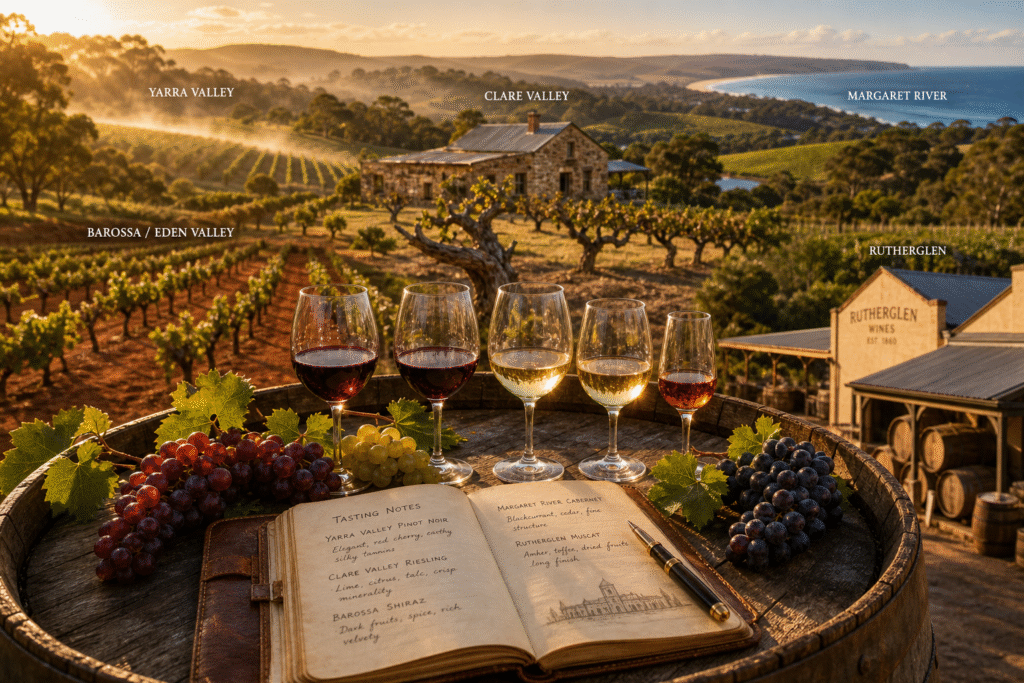
Unsurprisingly, Australian Shiraz remains a star performer, from Barossa Valley richness to cooler‑climate styles out of regions such as Canberra District and the Grampians. For readers who like to compare Australian Chardonnay wines online, it is encouraging to see Australian Chardonnay increasingly appearing alongside top examples from Burgundy, California and South Africa in gold and trophy lists. Judges frequently remark on the combination of bright fruit, precise acidity and subtle oak in these wines, qualities that make them compelling options when you set out to order Chardonnay wine with Australia-wide delivery.
Australian Cabernet Sauvignon, particularly from Margaret River and Coonawarra, also continues to impress for its balance of structure and drinkability. Meanwhile, categories like Riesling, Grenache and cool‑climate Pinot Noir are quietly collecting medals, offering alternative directions for cellars that already hold plenty of Shiraz and Chardonnay.
What an IWSC medal really tells you (and what it doesn’t)
It is tempting to treat an IWSC gold medal as an absolute seal of superiority, but that is not quite how competitions work. A medal shows that a wine performed strongly against its peers on the day, under blind‑tasting conditions, and that a diverse panel agreed it stood out. It does not mean that a silver‑medal wine is inherently “worse” than a gold, or that a non‑entered wine is inferior to those that featured.
For drinkers, especially those who like to find top-rated Chardonnay white wines or pinpoint reliable Shiraz, the most useful way to read IWSC results is as a guide to categories and producers rather than a definitive league table. If multiple vintages of a particular Chardonnay, for example, keep winning silver and gold at the IWSC, that consistency is an excellent sign. Similarly, if a region (say, Margaret River for Cabernet or Tasmania for sparkling) routinely fills medal lists, it tells you that even non‑medalled wines from the same area may be worth exploring.
How the IWSC differs from critic scores and local awards
From an Australian perspective, it is natural to compare the IWSC with more familiar benchmarks like Halliday Wine Companion, The Real Review or capital‑city wine shows. The key difference is that the IWSC is inherently international, bringing wines and judges from many countries together under one system. Where a Halliday score might tell you how a Chardonnay sits within the Australian landscape, an IWSC medal shows how it fared in a line‑up that could include Burgundy, California and South Africa.
The judging format also differs from single‑critic reviews. At the IWSC, panels debate and calibrate their scores, reducing the impact of one taster’s preferences. That does not make the results “better” than those of individual critics, but it gives them a different flavour. For consumers, the best strategy is often to use both: a high‑scoring wine from a trusted critic that also carries a strong IWSC result has passed through two very different kinds of scrutiny.
Using IWSC results to buy smarter
So how can a regular drinker use the 2026 IWSC results in a practical way, particularly when shopping online? First, they can look beyond the headline trophies and into the broader medal lists. There, patterns emerge. You might notice, for instance, that Australian cool‑climate Chardonnay from regions like Geelong, Yarra Valley or Adelaide Hills consistently secures silver and gold. That observation can guide you the next time you set out to buy Chardonnay online in Australia, even if the exact wines you see on a retailer’s site are not the same as those in the competition database.
Second, it is worth paying attention to producers who place across multiple categories. A winery that wins medals for both its Shiraz and its Grenache, or for its Chardonnay and Pinot Noir, is likely doing something right at a deeper viticultural and winemaking level. Such producers are solid candidates when you want to compare Australian Chardonnay wines online or branch out into other varieties from a name you already trust.
Third, IWSC results can help demystify less familiar styles. If you are curious about emerging categories like no‑ and low‑alcohol wines, or alternative varieties such as Fiano, Grüner Veltliner or Mencía, the competition’s specialised listings provide a safe starting point. A silver medal in a cutting‑edge category often indicates that a wine is not just technically competent but genuinely enjoyable, which is exactly the reassurance many drinkers seek when they step outside their Chardonnay‑and‑Shiraz comfort zone.
Where all this leaves Australian drinkers in 2026
The bigger story behind the IWSC 2026 is less about a single trophy winner and more about the gradual raising of the bar worldwide. As more regions invest in quality, cellar hygiene and thoughtful viticulture, competitions become fiercer, and medals arguably mean more. The fact that Australian wines continue to fare well in this environment is encouraging. It suggests that when you sit down to order Chardonnay wine with Australia-wide delivery or hunt for a nuanced Shiraz, you are browsing a landscape that has been stress‑tested against global peers and found worthy.
For Cellars.com.au readers, the IWSC can act as a quiet compass rather than an instruction manual. It will not tell you exactly what to drink, but it will highlight regions, varieties and producers that deserve your attention. Used alongside your own taste and trusted critic opinions, it becomes one more way to navigate an increasingly crowded world of bottles with confidence. And that, ultimately, is the value of a competition that has spent decades comparing wines from every corner of the map: it helps ensure that when you next open a glass of Australian Chardonnay or Shiraz, you know it belongs in a conversation much broader than a single vineyard or valley.



 Shiraz
 Cabernet Sauvignon
 Pinot Noir
 Grenache
 Merlot
 Red Wine Blends
 Chardonnay
 Riesling
 Pinot Gris
 Semillon
 Viognier
 Grenache Rosé
 Pinot Noir Rosé
 Shiraz Rosé
 Sangiovese Rosé
 Aglianico Rosé
 Clairette Rose
 Champagne
 Prosecco
 Sparkling Shiraz
 Blanc de Blanc
 Blanc de Noir
 Pet Nat
 Moscato
 Topaque
 Port
Port Sherry (dry & sweet)
 Muscat & Tokay
 Vermouth