 0473 644 098 · Mon–Fri 9am–5pm AESTHelp & FAQ


Barossa Valley Shiraz Brilliance: Archery Road Bullseye Shiraz 2021 Rated 96 Points by Ray Jordan

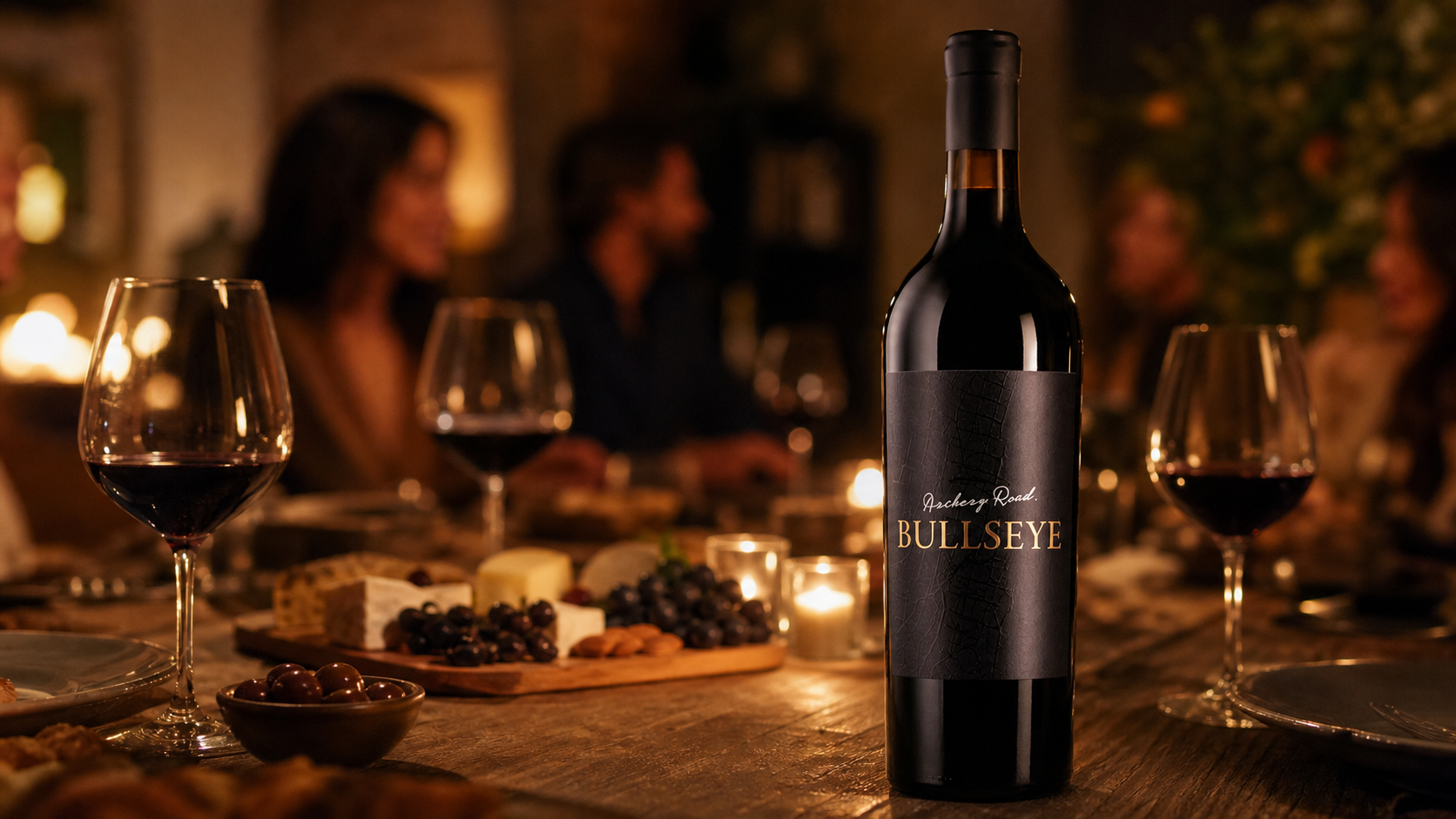
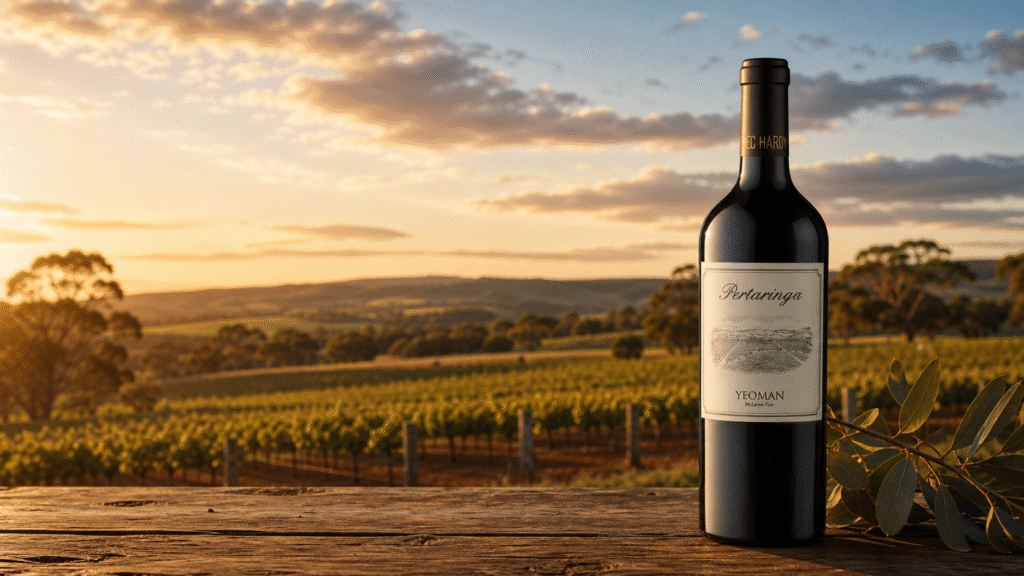
Archery Road Bullseye Shiraz 2021 is one of those Barossa releases that quietly earns its reputation, then has it emphatically confirmed by a serious critical score. Awarded 96 points by respected Australian critic Ray Jordan, this 2021 vintage sits squarely in the realm of benchmark Barossa Shiraz, speaking clearly of its region whilst offering the polish and structure serious drinkers expect from a cellar‑worthy wine.
Archery Road Bullseye Shiraz 2021: a Barossa Shiraz worth talking about
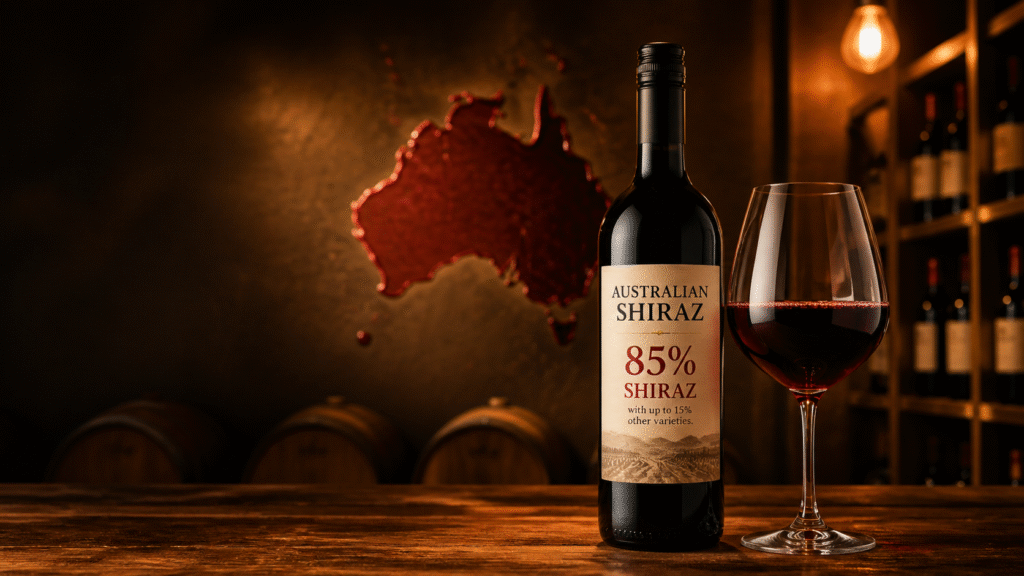
Archery Road Bullseye Shiraz 2021 comes from the Barossa Valley in South Australia, a region that has spent more than a century defining what Australian Shiraz should taste like. This is not a shy wine. It is built on ripe, dark Barossa fruit, generous in flavour and texture, yet shaped with enough freshness and tannin finesse to make that 96‑point accolade feel earned rather than generous. Archery Road Bullseye Shiraz 2021, will sit comfortably alongside more established Barossa names in any serious collection, particularly for those who enjoy age‑worthy Australian Shiraz that can open up beautifully over a decade or more.
Ray Jordan’s 96‑point score deserves proper attention. A rating at that level signals a wine that rises above simple regional typicity and into the realm of complexity, balance and projected longevity. It tells readers that this is a carefully made, thoughtfully assembled Barossa Shiraz, not just another full‑bodied red chasing impact. For anyone looking to buy Shiraz online in Australia, a score like this from a respected critic is often the point of difference that moves a bottle from curiosity to “must try”.
Why Barossa Valley is still the spiritual home of Australian Shiraz
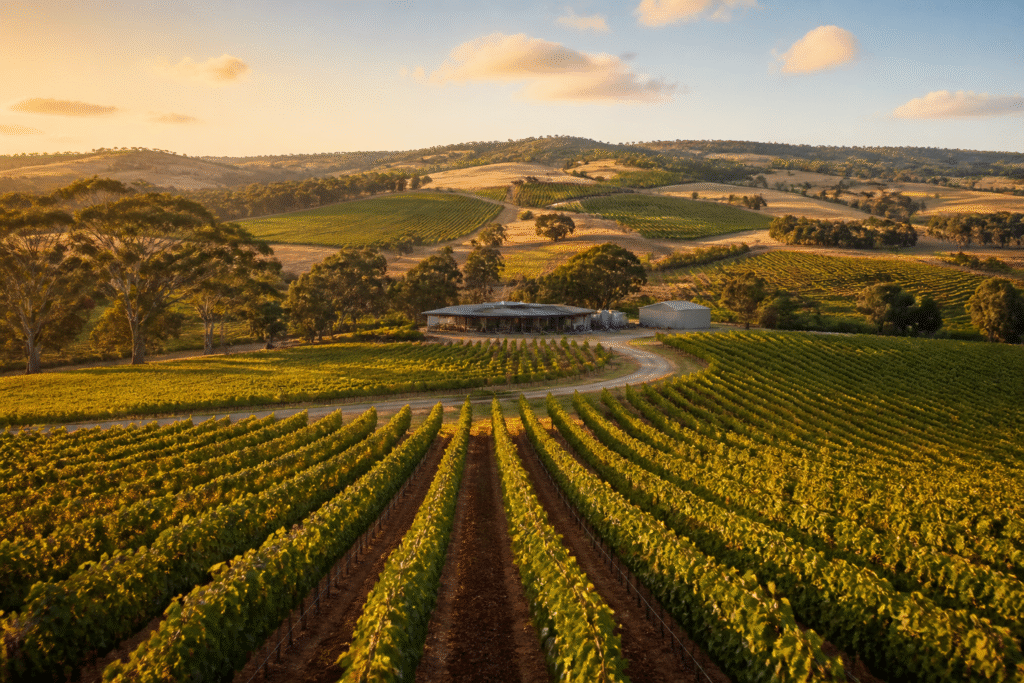
To understand why this particular wine works so well, it is worth taking a moment to consider the Barossa Valley itself. The region sits a short drive north‑east of Adelaide, but stylistically it feels a world of its own. Warm, dry summers, cool nights and a long, reliable growing season give Shiraz the opportunity to ripen fully, developing dark fruit flavours and plush tannins without losing all sense of freshness. That climatic balance is a large part of why Barossa Valley Shiraz remains such a reference point for the style.
The Barossa is also one of the rare regions in the world where genuinely old vines are not a marketing flourish but an everyday reality. In scattered pockets across the valley, gnarled Shiraz vines planted in the late nineteenth and early twentieth century still produce small crops of intensely flavoured fruit. Even when a wine such as Archery Road Bullseye Shiraz 2021 draws on a mix of sites and vine ages, it does so in a landscape shaped by this culture of old‑vine farming. The result is fruit that tends to be concentrated, with deep colour, black‑fruited intensity and a natural weight on the palate.
Soils add another layer of character. Much of the Barossa Valley is built on clay‑based loams, often with ironstone or rocky subsoils that limit vigour and help drive flavour concentration in the berries. Where sandier or lighter soils appear, they can introduce extra aromatic lift and spice. Producers who understand their vineyards blend these components to give Barossa Shiraz its signature mix of power, richness and nuance. That, in essence, is the terroir story behind wines like Archery Road Bullseye Shiraz 2021: generous, sun‑soaked fruit guided by experience and a deep familiarity with the landscape.
Tasting the 2021: power, polish and potential
Although detailed tasting notes will always vary slightly from critic to critic, a clear stylistic picture emerges for Archery Road Bullseye Shiraz 2021. In the glass, the wine is deeply coloured, sitting in the saturated purple to inky garnet spectrum that immediately hints at low yields and ripe, concentrated fruit. On the nose, one can expect an array of dark berries and black plum, often joined by notes of liquorice, dark chocolate, mocha and warm baking spice. These aromas are very much in keeping with classic Barossa Shiraz, yet the best examples also show a flicker of freshness and lift that prevents them from feeling monolithic.
On the palate, the wine is full‑bodied and richly textured, as any self‑respecting Barossa Shiraz should be. The dark fruit carries straight through from nose to mouth, usually joined by layers of blackberry compote, black cherry and perhaps a hint of blueberry or mulberry depending on the exact vineyard parcels used. Fine, velvety tannins knit through the mid‑palate, carrying the fruit towards a long, flavour‑packed finish. Crucially, there is enough natural acidity to give definition and keep the wine from feeling heavy or cloying, which is one reason it can justifiably be described as cellar worthy.
The oak regime for a wine in this style is typically supportive rather than domineering. Expect characters of coffee bean, toasted spice, vanilla or cedar rather than overt, raw wood. When handled well, as the 96‑point rating suggests is the case here, oak becomes a frame, drawing the eye to the fruit and structure rather than demanding attention for itself. Over time in bottle, those oak‑derived notes will integrate further, allowing more savoury and earthy nuances to emerge beneath the fruit.
Featured Wines
Archery Road Bullseye Shiraz 2021 (6 Bottles) Barossa Valley, SA
$150.00
/ bottle
$900.00 for a case of 6
Archery Road Longbow Shiraz 2021 (12 Bottles) Barossa Valley, SA
$80.00
/ bottle
$960.00 for a case of 12
Archery Road Shiraz 2021 (12 Bottles) Barossa Valley, SA
$55.00
/ bottle
$660.00 for a case of 12
What a 96‑point Barossa Shiraz really signals
For seasoned drinkers, the difference between a 90‑point Shiraz and a 96‑point one is not merely academic. Scores in the mid‑90s typically signal wines that combine concentration with harmony, expression with restraint. In the context of Archery Road Bullseye Shiraz 2021, Ray Jordan’s 96‑point rating suggests several things: that the fruit quality is high, that the wine shows a clear sense of place, that the tannin and acid structures are in balance, and that there is genuine capacity for improvement in the cellar.
This is the kind of wine that can comfortably join a broader selection of Barossa bottles in any serious cellar. For enthusiasts who regularly browse our Shiraz red wine range or lay down a few bottles of each vintage to track evolution, the 2021 Bullseye sits in that appealing sweet spot where it is already generous in its youth yet likely to reveal greater complexity over ten to fifteen years. Tertiary notes of leather, dried herbs, tobacco and savoury spice are the kinds of characters that can emerge in Barossa Shiraz with appropriate ageing, slowly shading the wine from fruit‑driven power into layered, contemplative maturity.
Here is something genuinely fascinating about wines of this type. They serve not only as pleasurable drinks but also as snapshots of a season. A warm, dry vintage will leave very different fingerprints on the fruit compared with a cooler, more challenging year. When a critic of Jordan’s experience rewards a specific vintage with 96 points, there is usually an implicit acknowledgement that both nature and producer worked in harmony. For those seeking a 96 point red wine with clear Barossa identity, this bottling becomes a natural candidate.
Barossa Shiraz in the Australian wine landscape
Looking more broadly, Barossa Shiraz continues to play a defining role in how Australian wine is perceived, both domestically and overseas. The style acts almost as a cultural shorthand: generous, approachable, fruit‑rich and full of flavour, yet increasingly refined and age‑worthy at the upper levels. Modern producers are far more attentive to balance and structure than some of their predecessors were in the era of maximalist ripeness, and wines like Archery Road Bullseye Shiraz 2021 reflect that evolution convincingly.
At the same time, Barossa remains a region where stylistic diversity is quietly increasing. Alongside the powerful, traditional expressions, there are now lighter, spicier interpretations, more whole‑bunch fermentation, and more experimentation with alternative vessels. A wine such as this 2021 Bullseye sits closer to the classic end of the spectrum, but it benefits from the broader regional shift towards finesse. It is undeniably Barossa in scale, but it is not clumsy or overblown.
For Australian drinkers, this poses an appealing choice. They can buy popular Shiraz brands online that they already know and trust, or they can explore labels that are still earning their reputations but already attracting serious critical attention. A 96‑point Barossa Shiraz from a focused, quality‑driven producer is the sort of bottle that can introduce a new favourite to long‑time Shiraz lovers whilst reinforcing just how high the regional bar has become.
Why this wine deserves a place in the cellar
In the end, Archery Road Bullseye Shiraz 2021 stands out not just because a critic wrote “96 points” beside its name, but because that score seems to encapsulate what many serious drinkers look for in Barossa Shiraz today. It is deeply coloured, richly flavoured, and tactile on the palate, yet it keeps its shape through well‑judged acidity and finely tuned tannin. It speaks clearly of the warm, sunlit slopes and clay‑rich soils of the Barossa Valley while showing the sort of precision that comes only from attentive viticulture and careful winemaking.
For anyone looking to build or refresh a collection of Australian reds, this wine offers a compelling opportunity. It can be enjoyed now for its primary fruit and textural generosity, but it also promises reward for those patient enough to revisit it over the next decade and beyond. This is not party wine. This is wine demanding respect and consideration, poured for dinners where conversation can match the depth in the glass.
And for those who like to discover the best Shiraz wines online rather than relying solely on what happens to be on a local shelf, the combination of region, vintage and 96‑point acclaim makes Archery Road Bullseye Shiraz 2021 a particularly smart bottle to seek out. It is a confident reminder of why the Barossa Valley remains a staple place for Shiraz to be made, and why, when the region gets everything right, the results can be as compelling as anything in the Southern Hemisphere.




 Shiraz
 Cabernet Sauvignon
 Pinot Noir
 Grenache
 Merlot
 Red Wine Blends
 Chardonnay
 Riesling
 Pinot Gris
 Semillon
 Viognier
 Grenache Rosé
 Pinot Noir Rosé
 Shiraz Rosé
 Sangiovese Rosé
 Aglianico Rosé
 Clairette Rose
 Champagne
 Prosecco
 Sparkling Shiraz
 Blanc de Blanc
 Blanc de Noir
 Pet Nat
 Moscato
 Topaque
 Port
Port Sherry (dry & sweet)
 Muscat & Tokay
 Vermouth