 0473 644 098 · Mon–Fri 9am–5pm AESTHelp & FAQ


What Is Rosé Wine Made Of? Discover the Secrets Behind the World’s Favourite Pink Wine

The World of Rosé: Beyond the Summer Glass
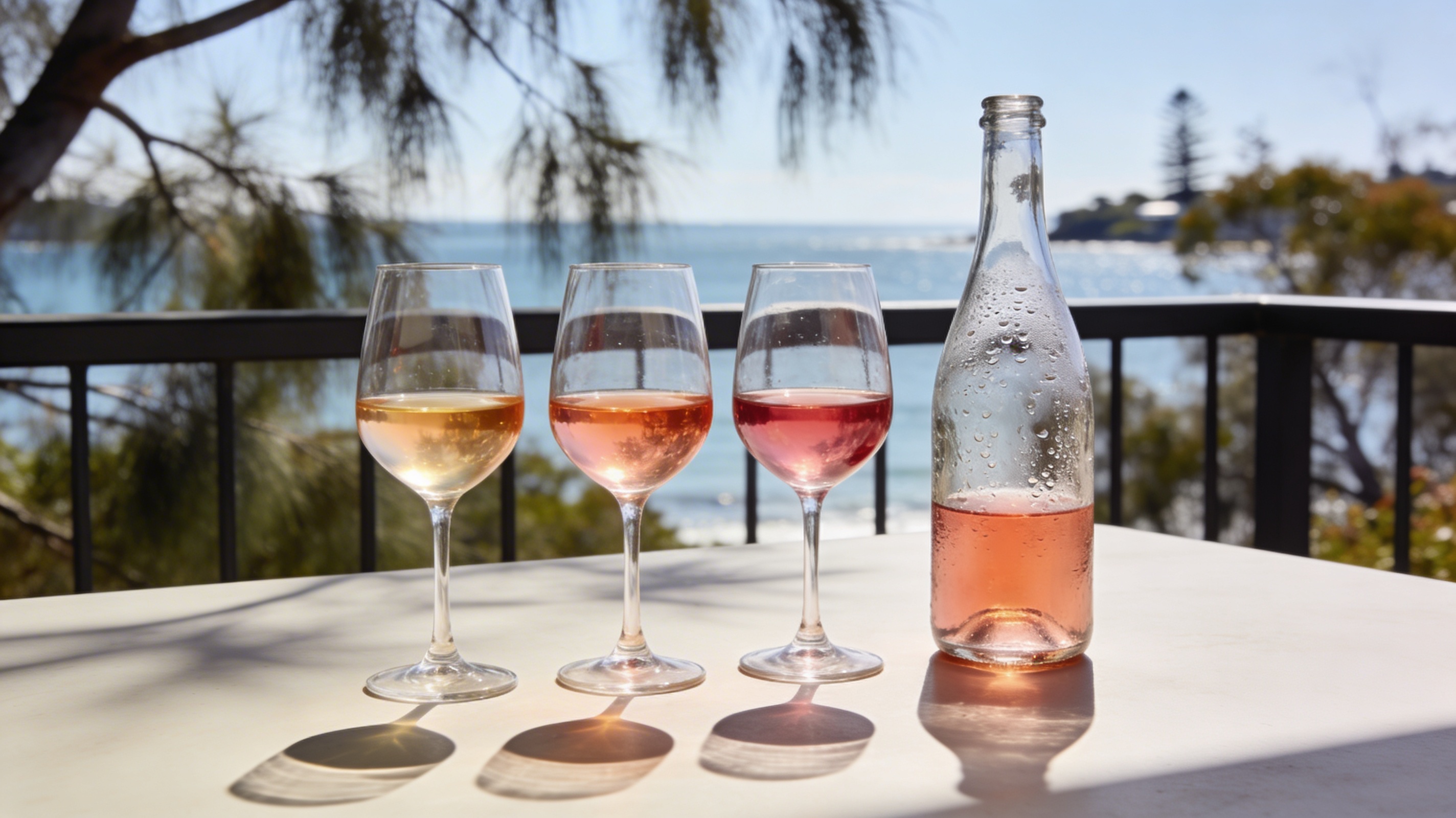
Every year, as warmer weather arrives, sales of rosé wine soar across Australia’s bottle shops and restaurants. Its blush tones fill social media feeds with images of smiling faces, seaside lunches, and sunlit tables. Yet behind this seasonal charm lies one of the most misunderstood categories in wine. Rosé may look straightforward, but it represents a complex world of styles, techniques, and philosophies. It’s not just a summer indulgence; it’s a serious wine style worthy of the same respect as fine Pinot Noir or Chardonnay.
Understanding rosé wine requires looking past its colour and asking how it’s made, what grapes define it, and why some bottles express subtlety while others burst with ripe fruit. When you buy rosé wine, you aren’t simply choosing pink — you’re choosing between centuries of craftsmanship and distinct regional identity.
What Is Rosé Wine Made Of
At its foundation, rosé wine is made almost entirely from red-skinned grapes. But unlike red wine, where juice spends weeks soaking with skins, rosé spends mere hours. This limited contact extracts only a fraction of the colour, aroma, and tannin that would otherwise dominate.
Classic French rosé regions like Provence, Tavel, and Languedoc rely heavily on Grenache, Cinsault, Mourvèdre, and Syrah. These grapes offer just enough flavour and pigment to create wines that are pale, dry, and saline — the image most consumers associate with European rosé. But travel to Spain’s Navarra and you’ll encounter Garnacha expressions that feel almost red in spirit. In Italy, Cerasuolo d’Abruzzo proves how Montepulciano can create deeper, slightly spicy styles that stand up to food.
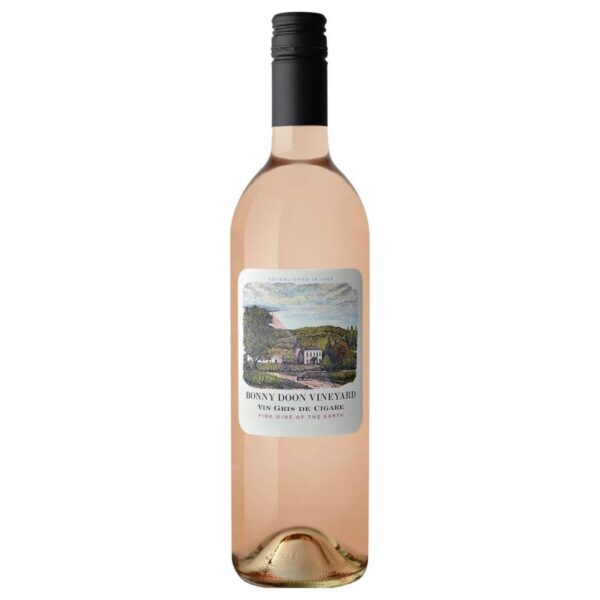
A modern New World reference point is Bonny Doon “Vin Gris de Cigare” Rosé 2021 from California’s Central Coast, a pale, dry wine built primarily on Grenache with supporting roles from Carignane, Grenache Blanc, and Cinsault, showing wild strawberry, peach, guava, rhubarb and a discreet white pepper note.
Australia is rapidly shaping its own rosé identity. South Australian winemakers now craft layered examples from Shiraz, Sangiovese, and Grenache, while Victoria leans toward cooler-climate Pinot Noir for elegance and lift. Each grape modifies texture and flavour: Shiraz rosé tends to peppery vibrancy, Sangiovese rosé offers savoury red cherry notes, and Pinot Noir rosé shows restrained floral freshness.
How Rosé Is Made
The method defines the magic. To create rosé, winemakers use three main techniques: direct press, short maceration, and saignée (bleeding off). Each approach reveals a different interpretation of delicacy.
The direct press style, familiar in Provence and now common in Margaret River or the Yarra Valley, sees red grapes pressed immediately after harvest, minimising colour extraction. This produces pale, bone-dry wines ideal for those searching for a crisp rosé to pair with oysters or summer salads.
Short maceration, by contrast, allows the skins to remain briefly in contact with the juice. This method yields a slightly darker hue and fuller texture. It’s favoured in McLaren Vale and Spain’s Rioja region, where winemakers prize a balance between freshness and gentle tannin.
Then there’s saignée, a traditional technique that “bleeds” juice off a red wine ferment early on. This resulting rosé is more intense in colour and flavour — think ripe raspberry, spice, and structure. Many who enjoy fuller-bodied pink wines gravitate towards these expressions when considering which rosé wine to buy.
 $21.17
/ bottle
$127.00 for a case of 6
$21.17
/ bottle
$127.00 for a case of 6
 $17.42
/ bottle
$209.00 for a case of 12
$17.42
/ bottle
$209.00 for a case of 12
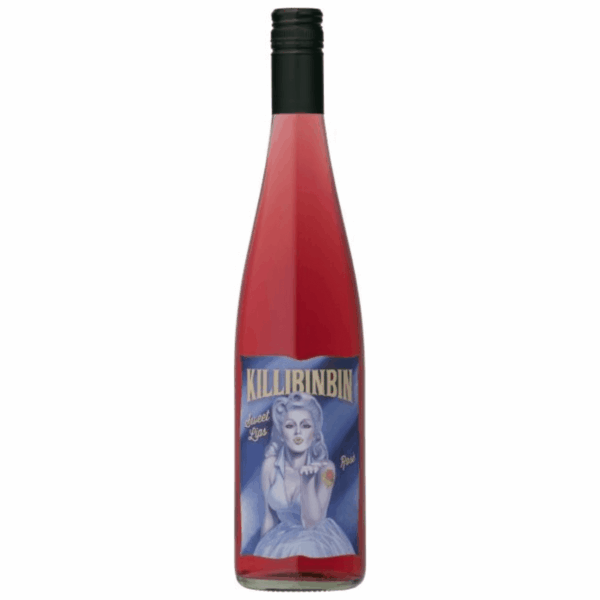
Killibinbin Sweet Lips Rosé
Shipped by
Oatley Fine Wine Merchants
$17.42
/ bottle
$209.00 for a case of 12

 $22.33
/ bottle
$268.00 for a case of 12
$22.33
/ bottle
$268.00 for a case of 12
 $27.67
/ bottle
$166.00 for a case of 6
$27.67
/ bottle
$166.00 for a case of 6
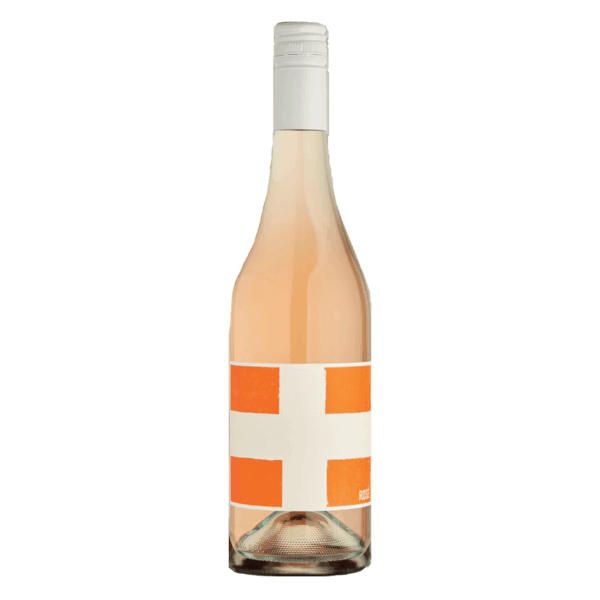
Collector Wines Shoreline Sangiovese Rosé
Shipped by
Wines Australia
$27.67
/ bottle
$166.00 for a case of 6
 $450
off RRP
-75% Hot
$450
off RRP
-75% Hot
 $50.00
$12.50
/ bottle
$150.00 for a case of 12
$50.00
$12.50
/ bottle
$150.00 for a case of 12
Bonny Doon “Vin Gris de Cigare” Rosé
Shipped by
Wines By Cellars
$50.00
$12.50
/ bottle
$150.00 for a case of 12
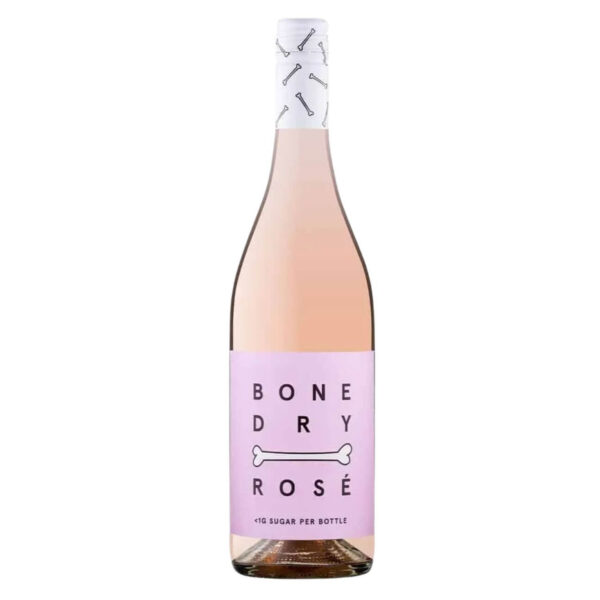 $16.67
/ bottle
$100.00 for a case of 6
$16.67
/ bottle
$100.00 for a case of 6
 127 pts
 The Art of Colour and Misconception
Many drinkers believe colour determines taste — that pale equals dry and darker means sweet. Yet hue has little to do with sugar. The colour depends almost entirely on grape variety and skin contact time, not sweetness level. You can find a sweet rosé wine that’s nearly transparent or a bone-dry rosé glowing amber.
Take Provence’s top estates like Domaine Tempier and Château d’Esclans, whose wines maintain remarkable dryness despite their delicate tones. By contrast, certain Californian or German rosé wines show a deeper ruby shade yet remain refreshingly savoury. The truth is that sweetness depends on fermentation, not pigment.
Precision defines excellence in this category. The finest winemakers handle rosé more like fine perfume: timing is meticulous, oxygen exposure is limited, and cold fermentation preserves fragrance. As British critic Jancis Robinson observes, “Great rosé demands as much skill as great Champagne; it is a wine of restraint, not excess.”
What Is Rosé Used For
When you buy rosé wine, you’re purchasing versatility. Its beauty lies not only in appearance but in purpose. Rosé bridges red and white styles, making it the perfect companion for Australian cuisine.
Dry, pale rosé works beautifully with grilled prawns, ceviche, or fresh goat’s cheese, while medium-bodied examples from Grenache or Sangiovese pair easily with spiced chicken or barbecue lamb. Fuller rosé styles — especially those crafted through the saignée method — handle heartier fare such as charcuterie or mushroom risotto.
Beyond food, rosé embodies relaxed sophistication. It’s as fitting at a family lunch as it is at a rooftop bar. Its chilled freshness and moderate alcohol make it approachable, yet serious drinkers recognise that the best examples can age gracefully. Some of Provence’s finest rosé wines — and increasingly, Australian standouts from producers like Vasse Felix and Giant Steps — evolve beautifully in bottle, developing subtle texture, savoury tones, and a whisper of spice.
How Rosé Differs from Red and White
To understand rosé’s place in the wine spectrum, consider it a bridge rather than a boundary. Red wines derive boldness through extended skin contact and extraction, while whites skip skins entirely for purity and aroma. Rosé brings the best of both worlds — the brightness of white wine meeting the soft fruit of red.
Fermentation for rosé typically occurs at cooler temperatures using stainless steel, protecting freshness and emphasising strawberry, watermelon, or citrus tones. Oak ageing remains uncommon, though some high-end winemakers experiment with neutral barrels for texture. The goal is translucence rather than power, flavour framed by lightness.
Consumers seeking to buy rosé wine online often notice descriptors like “dry rosé,” “crisp rosé,” or “sweet rosé wine.” These hints merely indicate balance and style; the real differentiator lies in texture. The structure, acidity, and finish distinguish a truly well-made rosé from a superficial one.
Australia’s Rosé Renaissance
For decades, rosé wine in Australia suffered from identity confusion. The sugary blush wines of the 1990s created an image problem: too sweet, too simple, too seasonal. That perception has now vanished. Modern Australian rosé has become dry, elegant, and conscientious.
Regions like McLaren Vale and the Adelaide Hills lead the charge, focusing on Grenache and Pinot Noir fruit that embodies freshness. Producers aim for minimal extraction, restrained alcohol, and gentle aromatics. Tasmania’s cool climate, meanwhile, is producing sparkling rosé rivalling fine Champagne, balancing tangy acidity with refined fruit.
Younger drinkers have embraced rosé wine as both a lifestyle and a statement of taste. But this newfound popularity raises an important question: can rosé ever be considered as complex as red or white? Increasingly, the answer appears to be yes. Premium producers are treating rosé as a serious category, investing in better vineyard sourcing, amphora ageing, and native yeast ferments to give these wines genuine terroir expression.
The Quiet Sophistication of Pink Wine
There’s something disarming about rosé. It looks joyful, easy, almost weightless. Yet for all its carefree appearance, creating balance within that fragility is one of winemaking’s finest challenges. Too little skin contact and the wine tastes hollow; too much and it loses freshness.
Those who once dismissed rosé wine as a passing fashion rarely realise how precise the craft has become. A great rosé tells a story of timing, restraint, and clarity. It shows that beauty doesn’t always need depth of colour or weight — just equilibrium.
When you next buy rosé wine, look past the label colour or marketing language. Seek out producers who farm attentively, harvest early, and ferment cool. Because the best rosé wines aren’t just pink refreshments; they’re studies in purity and poise. In the end, rosé wine may be the truest expression of winemaking elegance — a fragile balance between science and art, sunlight and shadow, indulgence and intention.
 Shiraz
 Cabernet Sauvignon
 Pinot Noir
 Grenache
 Merlot
 Red Wine Blends
 Chardonnay
 Riesling
 Pinot Gris
 Semillon
 Viognier
 Grenache Rosé
 Pinot Noir Rosé
 Shiraz Rosé
 Sangiovese Rosé
 Aglianico Rosé
 Clairette Rose
 Champagne
 Prosecco
 Sparkling Shiraz
 Blanc de Blanc
 Blanc de Noir
 Pet Nat
 Moscato
 Topaque
 Port
Port Sherry (dry & sweet)
 Muscat & Tokay
 Vermouth