 0473 644 098 · Mon–Fri 9am–5pm AESTHelp & FAQ


Shiraz Price Tags Explained: A Beginner’s Guide to Wine Value

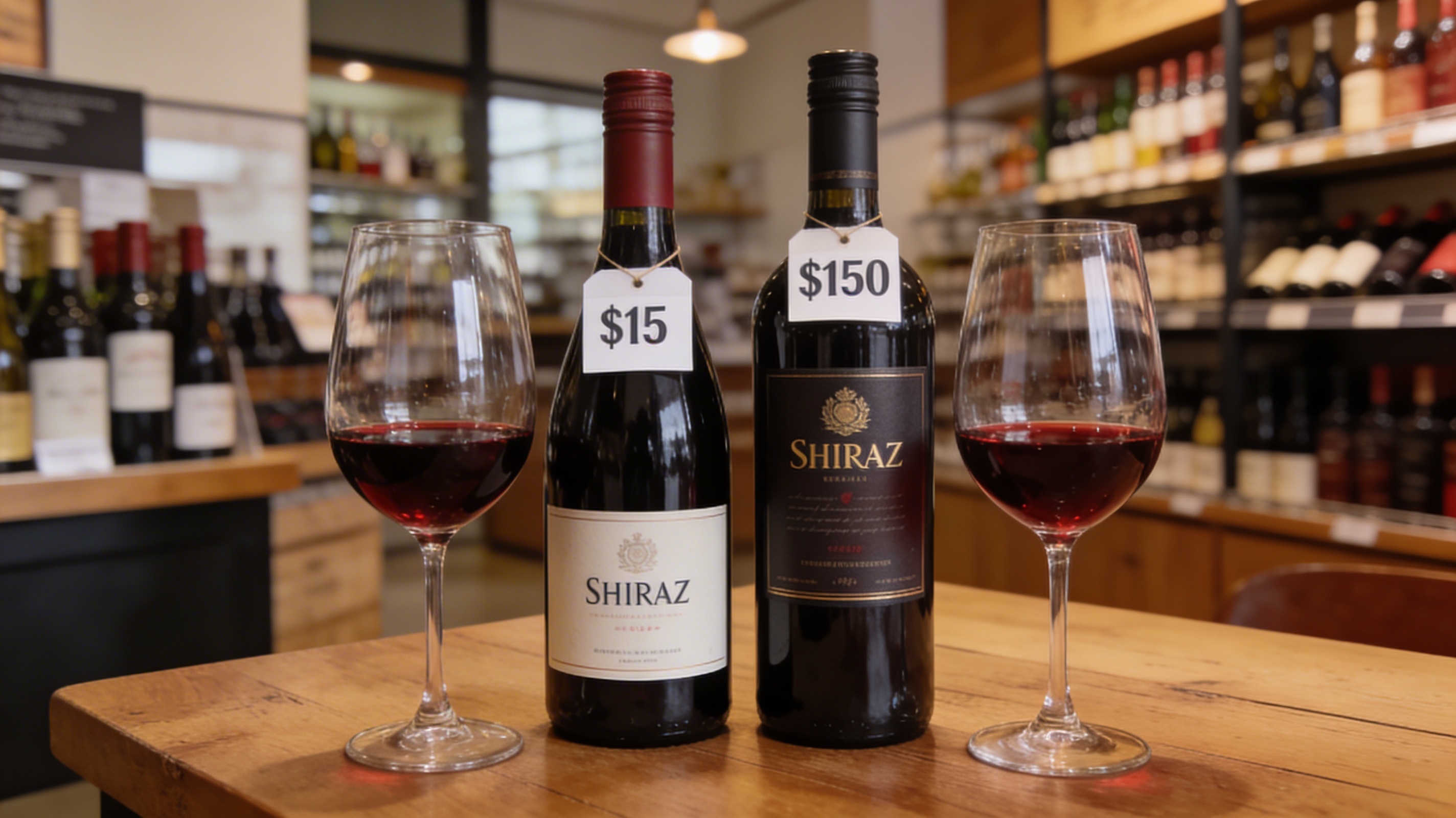
Why does one Shiraz cost $15 and another $150?
If you’ve ever stood in a bottleshop staring at a wall of Shiraz and wondered why one bottle is $15 and the one next to it is $150, you’re not alone. To a normal drinker—especially if you’re new to wine—both might taste rich, plummy and enjoyable. So what on earth are you paying for in that more expensive bottle?
The short answer: you’re not just paying for flavour in your glass tonight. You’re paying for how the grapes were grown, how the wine was made, where it comes from, how rare it is, and the story and reputation wrapped around it. Some of that genuinely affects quality. Some of it is about status, branding and collectability.
Let’s break it down in plain language so you can look at a price tag and actually understand what it’s trying to tell you.
Farming: where and how the grapes are grown
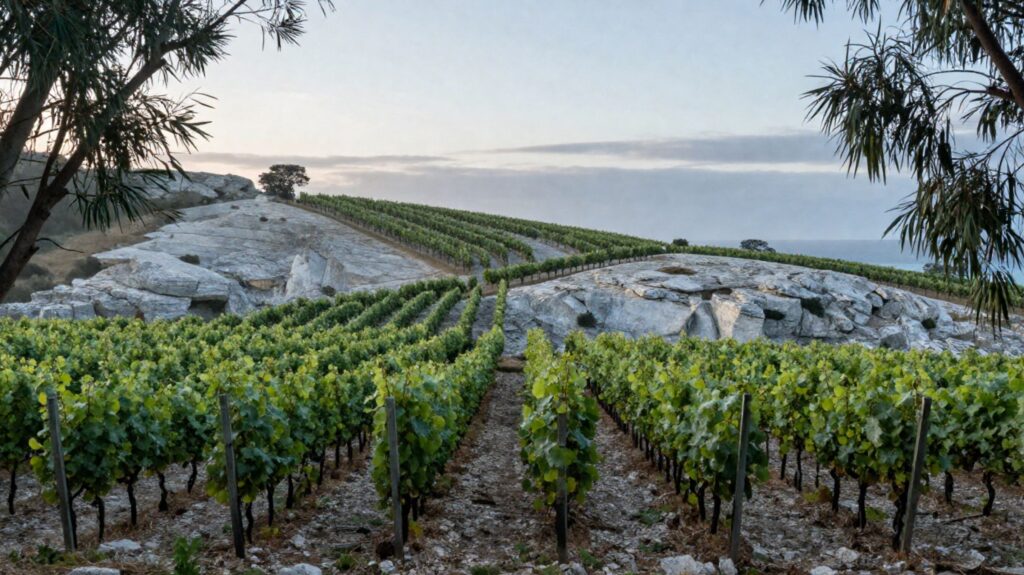
Every bottle starts in a paddock. The cost of that paddock—and how it’s farmed—is a huge driver of price.
Cheap Shiraz usually comes from:
-
High‑yielding vines (lots of grapes per vine).
-
Easier, flatter land that can be machine harvested.
-
Warmer, less fussy sites where you can get ripe fruit without too much trouble.
This keeps costs low and volume high. The wine can still be tasty, but each grape doesn’t have to work very hard.
Expensive Shiraz, on the other hand, often comes from:
-
Older vines that naturally produce fewer grapes, but with more concentration.
-
Specific, prized blocks in well‑known regions.
-
Hand‑tended and hand‑picked fruit, with crop levels deliberately reduced to improve quality.
All of that is slower, riskier and more labour‑intensive. When you only get a small crop off an old vineyard, and you’re paying people to walk every row, the cost per bottle shoots up. You’re paying for scarcity and attention as much as for ripeness and flavour.
Place and reputation: the postcode tax
Then there’s where the grapes are grown. Not all regions are created equal in the wine world.
Some areas are famous, with a long history of making highly rated Shiraz. Land is more expensive, demand is higher, and wineries know people will pay more just to drink something from that postcode. Smaller, less famous areas can produce excellent wine too, often at lower prices, because they don’t carry that “name tax”.
It’s a bit like real estate. A well‑built house in a lesser‑known suburb might be better value than a smaller, older place in a prestige postcode. But the prestige postcode still commands the premium, because people want the name.

 $42.00
/ bottle
$252.00 for a case of 6
$42.00
/ bottle
$252.00 for a case of 6
 $31.17
/ bottle
$187.00 for a case of 6
$31.17
/ bottle
$187.00 for a case of 6
 $46.75
/ bottle
$561.00 for a case of 12
$46.75
/ bottle
$561.00 for a case of 12
Smallwater Estate Shiraz
Shipped by
Smallwater Estate, Geographe Wine Region
$46.75
/ bottle
$561.00 for a case of 12
 $17.42
/ bottle
$209.00 for a case of 12
$17.42
/ bottle
$209.00 for a case of 12
Killibinbin Sneaky Shiraz
Shipped by
Oatley Fine Wine Merchants
$17.42
/ bottle
$209.00 for a case of 12
 Hot
Hot
 $150.00
/ bottle
$900.00 for a case of 6
$150.00
/ bottle
$900.00 for a case of 6
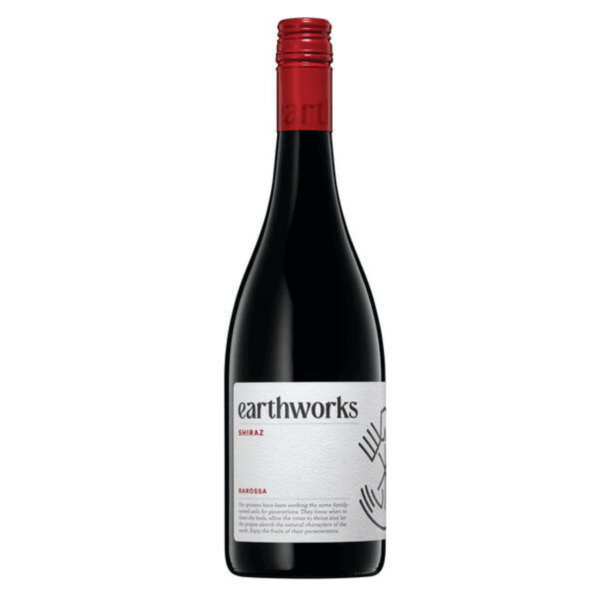 $17.00
/ bottle
$102.00 for a case of 6
$17.00
/ bottle
$102.00 for a case of 6
 252 pts
 Winemaking: what happens in the cellar
Once the grapes arrive at the winery, a lot more cost gets layered on.
A $15 Shiraz is typically made to be:
-
Produced in large batches.
-
Fermented and matured in big tanks or older, cheaper barrels.
-
Bottled and sold quickly, to get cash flowing and keep shelves stocked.
The focus is on bright, easy fruit and smoothness. Nothing wrong with that—it’s exactly what you want on a weeknight when you don’t want to overthink it.
A $150 Shiraz is usually treated very differently:
-
Smaller fermentations, sometimes from individual blocks.
-
Hand‑sorting grapes to remove anything imperfect.
-
Maturation in high‑quality oak barrels (which can cost thousands each).
-
Longer time in barrel and then in bottle before release.
Every step costs more: the barrels, the storage, the tying up of capital while the wine sits and matures instead of being sold. That extra time and care can add complexity, texture and age‑worthiness. The wine is built not just to taste good now, but to evolve over years.
Brand, critics and story
Now we move from the vineyard and cellar into the world of perception.
Some wineries have spent decades building a reputation. They consistently make good wine, get high scores from critics, and develop a loyal following. When they release a top Shiraz in small quantities, collectors pounce. Prices rise.
In practical terms, you’re paying for:
-
The winery’s track record.
-
Professional reviews and scores.
-
The story around the vineyard or wine (old vines, family history, a particular parcel).
This doesn’t mean the wine is automatically better than something cheaper from a less famous producer. It means enough people believe it’s special, and are willing to pay for that feeling, that the market supports the higher price.
Scarcity and demand: how much exists, and who wants it
Imagine a tiny old‑vine block that only makes a few barrels of wine each year. If that wine has a strong reputation and a loyal audience, there’s simply not enough to go around. Prices rise to balance supply and demand.
At the other end, big commercial brands can pump out huge volumes from multiple regions. There’s plenty to go around, so competition keeps prices down.
This is similar to art: a limited edition print might be affordable, but an original painting from a sought‑after artist is scarce and can be eye‑wateringly expensive—even if, to your eye, they look similar.
Do expensive wines always taste better?
Here’s the part that matters most if you’re just buying something to drink, not to collect.
Price and quality are related, but not in a straight line:
-
Moving from very cheap to mid‑priced wines usually brings a big jump in drinkability: cleaner flavours, better balance, less sweetness or harshness.
-
Moving from mid‑priced to premium brings more nuance, complexity and age‑worthiness, but the jumps get smaller as the prices get larger.
-
Beyond a certain point, you’re paying as much for rarity, prestige and story as for a clear increase in “yum”.
Two Shiraz—one $15, one $150—can taste surprisingly similar if you pour them both, take a quick sip, and don’t think too hard. The expensive wine often shows its difference in the details: how the aromas change in the glass, how the texture feels, how long the flavours linger, and how it unfolds over hours or years.
Whether that difference is worth 10 times the price is a personal question, not a scientific one.
How to use the price tag as a beginner
If you’re new to buying wine, here’s how to think about price without being intimidated by it.
-
Avoid the very bottom shelf (if you can).
Under about $10 in most markets, a big chunk of the price is swallowed by taxes, glass, labels and transport. There just isn’t much money left for actual grapes. You can still find decent wines here, but consistency is tricky. -
Aim for the mid‑range for everyday drinking.
The $15–$30 zone is often the sweet spot for drinking now. You usually get better fruit, more balance, and fewer rough edges, without paying for a lot of prestige. -
Dip into higher prices when you want the experience.
Spending more can make sense when:-
You want a bottle that will age.
-
You’re celebrating something special.
-
You’re curious about what “top” really tastes like in a style you already enjoy.
-
-
Compare within the same style.
If you want to understand price differences, line up two or three Shiraz at different price points. Taste them side by side, ideally without knowing which is which. Pay attention to:-
How detailed and layered the aromas are.
-
How smooth or structured the texture feels.
-
How long the flavours hang around after you swallow.
Then reveal the prices and ask yourself: was the step up worth it to me?
-
-
Remember your palate is the final judge.
It doesn’t matter how “important” a wine is if you don’t like drinking it. Use price as a clue to what went into making the wine, not as a verdict on whether you’re allowed to enjoy it.
So, what does the price really mean?
When you see a Shiraz priced at $15, read that as: “Made efficiently, in larger volumes, to be easy and ready to drink now.” Perfect for weeknights, barbecues and casual catch‑ups.
When you see a Shiraz priced at $150, read: “From a special site, made in small quantities, with a lot of time, care and reputation baked in. Built for people who care about those things—or who want a bottle with a story.”
Both can be good. Both can be enjoyable. The key is understanding what you’re actually paying for so you can choose deliberately, not just hope that the most expensive bottle must be the best.
If you start thinking in those terms—farming, place, winemaking, brand, scarcity—you’ll already be miles ahead of most people wandering the wine aisle. The labels will stop feeling like random numbers and start to tell you the story behind the bottle.
 Shiraz
 Cabernet Sauvignon
 Pinot Noir
 Grenache
 Merlot
 Red Wine Blends
 Chardonnay
 Riesling
 Pinot Gris
 Semillon
 Viognier
 Grenache Rosé
 Pinot Noir Rosé
 Shiraz Rosé
 Sangiovese Rosé
 Aglianico Rosé
 Clairette Rose
 Champagne
 Prosecco
 Sparkling Shiraz
 Blanc de Blanc
 Blanc de Noir
 Pet Nat
 Moscato
 Topaque
 Port
Port Sherry (dry & sweet)
 Muscat & Tokay
 Vermouth